
The Earth’s crust is a canvas painted with eons of geological history, and in the remote, often unforgiving reaches of the Arctic, this artistry is particularly stark and revealing. For those interested in the planet’s deep past and its mineral wealth, the Arctic Mineral Belt, a significant geological province within the Precambrian Shield, offers a compelling narrative. This vast expanse, a testament to ancient geological processes, holds the keys to understanding the genesis of metallic ore deposits and the foundational architecture of our continents.
The Precambrian Shield is not merely a geographical designation; it is a geological epoch etched in stone. It represents the oldest and most stable continental crust, formed during the Precambrian Eon, a period spanning from Earth’s formation approximately 4.5 billion years ago to the beginning of the Cambrian Period around 541 million years ago. These shields are the exposed cores of ancient continents, eroded over billions of years by ice, wind, and water, revealing the very bones of the Earth.
The Dawn of Continental Growth
The Archean Era: The Cradle of Continents
The Archean Eon, a significant chapter within the Precambrian, witnessed the nascent stages of continental crust formation. During this time, intense volcanic activity and tectonic forces were at play. Magma, the molten rock from the Earth’s mantle, rose to the surface, cooled, and solidified, gradually building up complex geological terrains. These early crustal fragments, often referred to as cratons, are the building blocks of modern continents and form the stable nuclei of the Precambrian Shields.
Formation of Cratons
Cratons are large, stable blocks of the Earth’s crust that have remained intact for billions of years. Their formation involved processes such as magmatic underplating, crustal thickening, and accretionary events where smaller continental fragments collided and merged. The Archean Eon was a period of immense heat and rapid geological change, leading to the formation of mineral assemblages that are rarely found in younger rocks.
Early Volcanism and Metamorphism
The vast volcanic provinces of the Archean, often characterized by extensive sequences of basaltic and komatiitic lavas, provide evidence of higher mantle temperatures. These volcanic rocks, when subjected to subsequent tectonic forces and heat, were transformed through metamorphism into schists and gneisses, recrystallizing their mineral content and often concentrating valuable elements.
The Proterozoic Eon: Consolidation and Supercontinents
Following the Archean, the Proterozoic Eon (2.5 billion to 541 million years ago) saw the consolidation of these early continental fragments. Tectonic activity continued, leading to the assembly and breakup of supercontinents, such as Columbia and Rodinia. These cycles of assembly and rifting provided crucial environments for the formation of diverse mineral deposit types.
Assembly of Supercontinents
The collision and amalgamation of continental blocks during the Proterozoic resulted in the creation of extensive mountain ranges and large igneous provinces. These events not only shaped the continents but also played a pivotal role in redistributing and concentrating metallic elements within the crust. The sutures, or lines of collision, between these ancient cratons are often loci for significant mineral mineralization.
Rifting and Basin Formation
The breakup of supercontinents, a process of continental rifting, created vast sedimentary basins. These basins acted as traps for sediments and dissolved minerals, providing ideal conditions for the formation of various ore deposits, including iron formations and sedimentary-hosted polymetallic deposits.
The geology of the Arctic mineral belt, particularly within the Precambrian shield, is a fascinating subject that reveals the complex processes that have shaped the Earth’s crust over billions of years. For those interested in exploring this topic further, a related article can be found at My Geo Quest, which delves into the mineral resources and geological formations that characterize this unique region. This resource provides valuable insights into the economic potential and geological history of the Arctic mineral belt.
The Arctic Embrace: Setting the Stage for Mineralization
The Arctic region, extending across parts of North America, Europe, and Asia, is a geological treasure trove primarily composed of Precambrian Shield rocks. Its dramatic landscapes, shaped by millennia of glaciation, conceal ancient geological narratives and significant mineral potential. The Arctic Mineral Belt is not a single, contiguous line on a map but rather a series of geologically related provinces scattered across the polar north.
Geographical Extent and Key Regions
The Arctic Mineral Belt encompasses major shield areas like the Canadian Shield, the Fennoscandian Shield (including parts of Norway, Sweden, and Finland), and the Siberian Platform. These regions are characterized by vast exposures of Precambrian rocks, making them prime targets for mineral exploration.
The Canadian Shield’s Northern Frontier
The northernmost reaches of the Canadian Shield, extending into Nunavut and the Northwest Territories, are particularly rich in mineral resources. This area showcases a remarkable diversity of Precambrian geology, from ancient Archean cratons to younger Proterozoic orogenic belts.
The Fennoscandian Shield’s Arctic Extension
In Northern Europe, the Fennoscandian Shield extends north of the Arctic Circle, hosting significant deposits of iron, copper, and gold, often associated with Proterozoic volcanic and intrusive rocks.
The Siberian Craton’s Polar Provinces
The vast Siberian Craton also possesses extensive Precambrian Shield exposures in its Arctic territories, contributing to the region’s overall mineral endowment, particularly with nickel and platinum-group elements.
Climate and Accessibility: Challenges and Opportunities
The Arctic’s harsh climate and remoteness present significant logistical challenges for exploration and mining. Brief field seasons, extreme weather conditions, and limited infrastructure necessitate specialized equipment and planning. However, these challenges also mean that much of the mineral potential remains underexplored, offering unique opportunities for those willing to invest in overcoming these obstacles.
The Ice as a Geological Record Keeper
Glaciers, while challenging to navigate, act as massive abrasive agents, eroding bedrock and transporting mineral debris. The study of glacial till and erratics can provide valuable clues about the location of underlying mineral deposits.
Infrastructure Development as a Catalyst
The development of infrastructure, such as roads, ports, and power generation, is crucial for unlocking the Arctic’s mineral wealth. Such investments not only facilitate mining operations but also open up remote regions for further exploration and economic development.
Unveiling the Mineral Wealth: Deposit Types in the Arctic Shield
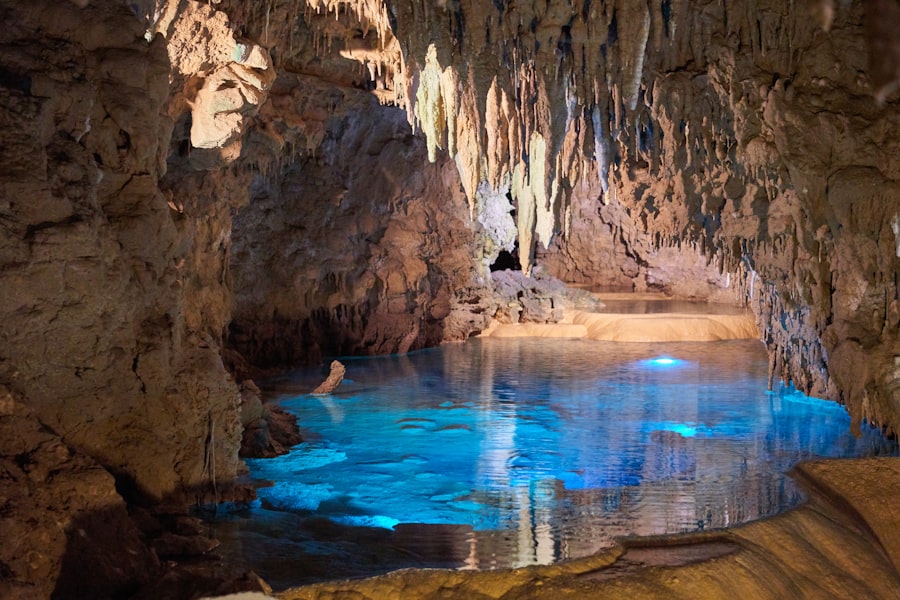
The Precambrian Shield, and by extension the Arctic Mineral Belt, is a fertile ground for a wide array of mineral deposit types. These deposits are intrinsically linked to the specific geological processes that shaped these ancient terrains over billions of years.
Archean Gold Deposits: Echoes of the First Gold Rush
The Archean Eon is renowned for hosting some of the world’s largest and richest gold deposits. These deposits are typically found in greenstone belts, which are sequences of volcanic and sedimentary rocks that have undergone low-grade metamorphism.
Lode Gold Deposits in Greenstone Belts
Gold in these deposits is often associated with quartz veins and associated sulfide minerals like pyrite and arsenopyrite. The movement of hydrothermal fluids along faults and fractures within the greenstone belts served as the primary mechanism for gold deposition. The geological setting of these belts, with their intense deformation and hydrothermal alteration, creates a plumbing system where gold-bearing fluids could circulate and deposit their valuable cargo.
Witwatersrand-Type Paleoplacers (Limited Arctic Occurrence)
While the Witwatersrand Basin in South Africa is the most famous example, similar paleoplacer gold deposits, formed by the erosion and redeposition of gold in ancient riverbeds, can be found in Precambrian successions where applicable. Though less common in typical Arctic Shield settings, the principles of erosional concentration are universally applicable.
Proterozoic Iron Formations: The Building Blocks of Industry
Banded Iron Formations (BIFs) are a hallmark of Proterozoic geology and have been a primary source of iron ore for millennia. These distinctive layered rocks, characterized by alternating bands of iron oxides and silica-rich layers (chert), are a testament to early atmospheric and oceanic conditions.
The Oxygenation Event and Iron Precipitation
The formation of BIFs is thought to be linked to the Great Oxidation Event, a period when oxygen began to accumulate in the Earth’s atmosphere and oceans. This rise in oxygen levels led to the precipitation of dissolved iron from the oceans as iron oxides, which then settled to the seafloor, forming the characteristic layers.
Major Arctic Iron Producers
Several major iron ore deposits in the Arctic, such as those found in Labrador (Canada) and Kiruna (Sweden), are hosted within extensive Proterozoic BIF successions, underscoring their global significance.
Magmatic Nickel-Copper-PGE Deposits: Scars of Giant Eruptions
Large igneous provinces (LIPs), representing massive volcanic eruptions that occurred over vast areas and extended periods, are critical hosts for nickel-copper-platinum group element (PGE) deposits. These deposits are often associated with mafic and ultramafic intrusions that brought sulfur-rich magmas from the Earth’s mantle.
Sulfide Saturation and Metal Segregation
As these magmas cool, they can become saturated with sulfur. This sulfur effectively scavenges metals like nickel, copper, and PGEs from the silicate melt, forming immiscible sulfide droplets. These dense sulfide droplets then settle out of the magma, concentrating the valuable metals in the lower portions of the intrusions.
Important Arctic Examples
The Voisey’s Bay nickel deposit in Labrador, Canada, and the Norilsk-Talnakh district in Russia are prime examples of world-class magmatic Ni-Cu-PGE deposits with origins traceable to Precambrian magmatic events, some of which occurred along ancient rift zones.
Sediment-Hosted Polymetallic Deposits: Treasures in Ancient Basins
The formation of sedimentary basins during times of continental rifting and subsidence provided environments for the accumulation of various metallic elements. Sediment-hosted polymetallic deposits, often containing lead, zinc, silver, and sometimes copper, are found in Precambrian rocks.
Mississippi Valley-Type (MVT) Analogs
While classic MVT deposits are often associated with younger Paleozoic rocks, similar mineralization styles can be recognized in Precambrian carbonate and clastic sequences. These deposits are typically formed by the migration of metal-bearing brines through porous sedimentary rocks, depositing minerals in favorable structural or stratigraphic traps.
Sedimentary Exhalative (SEDEX) Deposits
SEDEX deposits, formed by the discharge of metal-rich hydrothermal fluids into marine basins, are also found in Precambrian successions. These deposits are characterized by layered sulfide mineralization and are often associated with deep marine environments.
The Geological Cookbook: Processes Driving Mineral Formation

Understanding the specific geological processes that operate within the Precambrian Shield is akin to deciphering an ancient cosmic cookbook, where each ingredient and step contributes to the final mineral product. These processes, unfolded over immense timescales, are key to the localization of economically viable ore bodies.
Hydrothermal Systems: The Earth’s Plumbing Network
Hydrothermal systems are a fundamental mechanism for mineral deposit formation. They involve the circulation of hot, chemically reactive fluids through the Earth’s crust. These fluids, often heated by magmatic activity or deep burial, leach metals from the surrounding rocks and then precipitate them in other locations as the temperature, pressure, or chemical conditions change.
Magmatic-Hydrothermal Interactions
The interaction of hot magmatic intrusions with surrounding groundwater or basinal brines is a common driver for hydrothermal activity. The heat from the magma drives the circulation, and the fluids become enriched in dissolved metals and other elements from both the magma and the country rocks.
Faults and Fractures as Conduits
Structural features like faults and fractures act as essential conduits, allowing hydrothermal fluids to migrate through the crust. Mineral deposits frequently form adjacent to these structures, where changes in fluid flow or chemistry lead to precipitation.
Igneous Processes: The Direct Contribution of Magma
Direct contributions from magmas are crucial for certain types of mineral deposits, particularly those rich in base metals and precious metals. The composition and cooling history of igneous intrusions play a direct role in concentrating specific elements.
Fractional Crystallization and Magma Evolution
As magma cools, different minerals crystallize at different temperatures. This process, known as fractional crystallization, can lead to the enrichment of certain elements in the remaining melt. If this melt is rich in metals and sulfur, it can form deposits.
Layered Intrusions and Cumulate Formations
Massive, stratified intrusions can develop layers of accumulating mineral crystals (cumulates) as they cool. These layers can become enriched in valuable minerals, such as chromite (a source of chromium) or platinum-group elements, contributing to large-scale ore bodies.
Metamorphic Processes: Transformation and Concentration
Metamorphism, the transformation of existing rocks under heat and pressure, can also lead to the concentration of minerals. While some metamorphic processes can redistribute elements, others can directly lead to the formation of ore minerals.
Recrystallization and Mineral Rearrangement
During metamorphism, minerals within a rock can recrystallize and rearrange themselves. In some cases, this rearrangement can facilitate the formation of larger, more concentrated mineral grains, potentially leading to economic concentrations.
Syn-orogenic Gold Deposits
Gold deposits formed during mountain-building events (orogenic gold deposits) are often a product of metamorphic processes. Intense shearing and folding during these events can create dilatant zones where hydrothermal fluids, driven by the heat and pressure of metamorphism, deposit gold.
The geology of the Arctic mineral belt, particularly within the Precambrian shield, offers fascinating insights into Earth’s early history and mineral formation processes. For those interested in exploring this topic further, a related article can be found at MyGeoQuest, which delves into the unique geological features and mineral resources of this region. Understanding these geological formations is crucial for both academic research and potential resource extraction in the Arctic.
The Future of Arctic Mining: A Balancing Act
| Metric | Value | Unit | Description |
|---|---|---|---|
| Area Coverage | 1,200,000 | km² | Approximate extent of the Arctic mineral belt within the Precambrian shield |
| Age Range | 2.5 – 4.0 | Billion years | Age of the Precambrian rocks forming the shield |
| Major Mineral Deposits | Gold, Nickel, Copper, Zinc, Uranium | — | Primary economically significant minerals found in the belt |
| Average Thickness of Shield Rocks | 30 – 50 | km | Thickness of the Precambrian crystalline basement rocks |
| Metamorphic Grade | Amphibolite to Granulite | — | Typical metamorphic facies of the shield rocks |
| Structural Features | Fold belts, Shear zones, Intrusions | — | Key geological structures influencing mineralization |
| Exploration Depth | Up to 3 | km | Depth range of current mineral exploration activities |
The allure of untapped mineral wealth in the Arctic Mineral Belt is undeniable, but its exploitation presents a complex equation that requires careful consideration of environmental, social, and economic factors. The region’s pristine ecosystems, unique biodiversity, and the rights of Indigenous populations must be weighed against the global demand for critical minerals.
Environmental Stewardship: Protecting a Fragile Frontier
The Arctic is a unique and sensitive environment. Mining operations must adhere to the highest environmental standards to minimize their footprint. This includes responsible waste management, water protection, habitat preservation, and careful monitoring of potential impacts on wildlife and ecosystems.
Cumulative Impact Assessment
Understanding the cumulative impacts of multiple mining projects and other industrial activities in a region is crucial. This requires a holistic approach to environmental management that considers the interconnectedness of ecosystems.
Technological Innovation for Reduced Impact
Advances in mining technology, such as in-situ recovery, tailings reprocessing, and the use of cleaner energy sources, offer opportunities to reduce the environmental footprint of mining operations in the Arctic.
Indigenous Rights and Partnerships: Co-Creating Value
The Arctic is home to Indigenous communities who have lived in these lands for millennia. Their knowledge, rights, and participation are paramount to responsible resource development. Building genuine partnerships based on respect and mutual benefit is essential.
Consultation and Consent
Meaningful consultation with Indigenous communities, ensuring their free, prior, and informed consent, is not only an ethical imperative but also a legal requirement in many jurisdictions.
Benefit Sharing and Capacity Building
Ensuring that Indigenous communities benefit directly from resource development through employment, training, and shared ownership can foster long-term goodwill and sustainable economic opportunities.
Global Demand and Strategic Minerals: The Arctic’s Role
The world’s increasing demand for critical minerals, essential for renewable energy technologies, electric vehicles, and advanced electronics, highlights the strategic importance of regions like the Arctic Mineral Belt. Nations are increasingly looking to secure reliable supply chains, and the Arctic holds significant potential.
The Green Transition and Mineral Needs
The transition to a low-carbon economy will require vast quantities of metals such as copper, nickel, lithium, and rare earth elements, many of which are found in Precambrian Shield terrains.
Geopolitical Considerations and Supply Chain Security
The concentration of mineral resources in certain regions has geopolitical implications. Developing new sources in the Arctic can contribute to greater global supply chain security and diversification.
In conclusion, the Arctic Mineral Belt, a vast and ancient repository of geological wealth, continues to beckon exploration. Its Precambrian Shield geology, a testament to billions of years of Earth’s dynamism, holds the promise of significant mineral resources. However, the responsible unlocking of this potential demands a delicate balance between scientific inquiry, technological innovation, environmental stewardship, and unwavering respect for the human and natural landscapes it encompasses. The story of the Arctic Mineral Belt is still being written, and its next chapters will be defined by how humanity chooses to engage with this magnificent, ancient frontier.
FAQs
What is the Arctic mineral belt?
The Arctic mineral belt is a region rich in mineral resources located within the Arctic Circle. It includes significant deposits of metals such as nickel, copper, zinc, and precious metals, largely associated with the geological formations of the Precambrian shield.
What is the Precambrian shield?
The Precambrian shield refers to large areas of exposed Precambrian crystalline igneous and metamorphic rocks that form the ancient geological core of continents. These rocks are typically over 540 million years old and are known for their stability and mineral wealth.
How does the Precambrian shield relate to the Arctic mineral belt?
The Arctic mineral belt is largely situated on the Precambrian shield, where ancient rock formations have undergone geological processes that concentrated valuable minerals. The shield’s stable and old rock formations provide favorable conditions for the accumulation of mineral deposits.
What types of minerals are commonly found in the Arctic mineral belt?
Common minerals found in the Arctic mineral belt include nickel, copper, zinc, iron, gold, and diamonds. These minerals are often associated with the Precambrian shield’s igneous and metamorphic rock formations.
Why is the geology of the Precambrian shield important for mineral exploration?
The geology of the Precambrian shield is important because its ancient and stable rock formations have preserved mineral deposits over billions of years. Understanding the shield’s geology helps geologists identify potential locations for mining and resource extraction in the Arctic mineral belt.