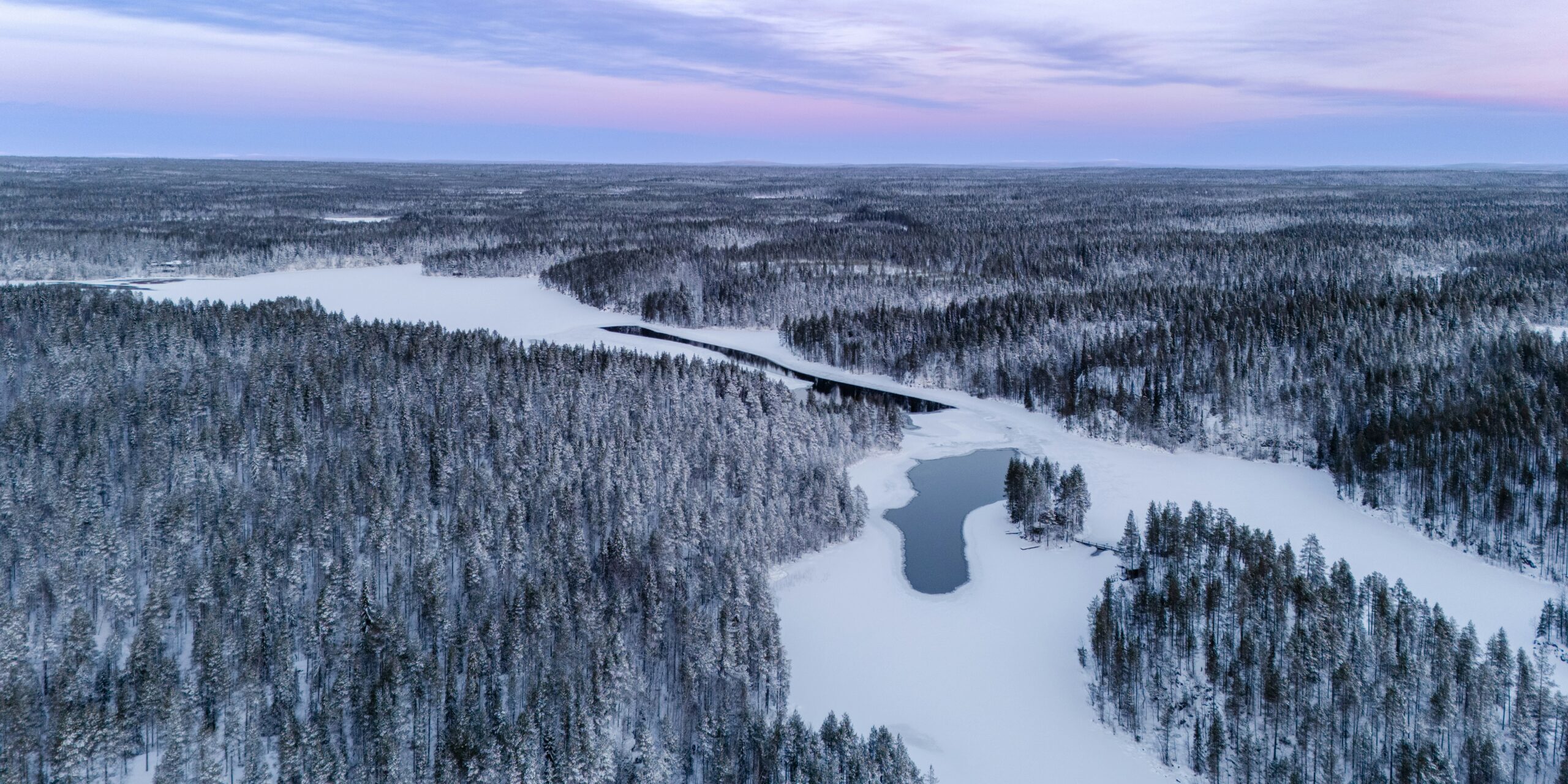
The immense, largely untapped reserves of hydroelectric potential flow through the veins of Arctic rivers, carrying with them the promise of clean energy. For decades, these mighty waterways have sculpted the landscape, their raw power a force of nature. However, the prospect of harnessing this energy through hydroelectric development presents a complex mosaic of opportunities and challenges, demanding careful consideration of environmental, social, and economic factors. This article will delve into the multifaceted question of unlocking hydroelectric power in Arctic rivers, exploring the potential, the obstacles, and the crucial considerations that must guide any such undertaking.
The Arctic region, encompassing vast territories of Canada, Russia, Greenland, Norway, Sweden, Finland, and the United States (Alaska), is crisscrossed by innumerable rivers. Many of these are characterized by significant flow rates and substantial elevation drops, elements that form the bedrock of hydroelectric generation. Unlike many equatorial regions where water availability fluctuates seasonally, Arctic rivers often benefit from consistent flows influenced by glacial melt and large snowpack accumulation, offering a more predictable source of power.
Glacial Giants and Snowmelt Springs: The Arctic Water Cycle
The Arctic water cycle is a symphony orchestrated by ice and snow. Glaciers, acting as colossal natural reservoirs, store vast quantities of water. In the warmer months, their meltwater feeds the rivers, contributing a significant and consistent discharge. Similarly, the annual accumulation of snowpack across the tundra and mountain ranges acts as another crucial source. When spring arrives, this frozen water awakens and flows into the river systems, often creating peak flow periods that are ideal for power generation. The slower rate of evaporation in the cold Arctic climate also contributes to maintaining higher water levels for longer durations, further enhancing the hydroelectric potential. The sheer scale of these hydrological processes means that the potential energy contained within these flowing waters is astronomical.
River Flow Rates and Topography: The Building Blocks of Hydropower
The fundamental equation for hydroelectric power generation is relatively straightforward: the greater the volume of water flowing and the greater the height from which it falls (head), the more energy can be produced. Arctic rivers, particularly those originating in mountain ranges like the Brooks Range in Alaska, the Canadian Shield, or the Urals in Russia, often possess both attributes. Their steep gradients, carved by millennia of glacial erosion, provide the necessary drop for turbines. Coupled with their impressive flow rates, often amplified by extensive drainage basins, these rivers represent a significant, yet largely undeveloped, energy resource. Imagine a giant’s hand pouring water from a mountain peak; the Arctic rivers offer a similar, albeit natural, cascade waiting to be refined.
Long-Term Sustainability: A Renewable Horizon
Compared to fossil fuels, hydroelectric power is a renewable energy source. Once a dam is constructed and the infrastructure in place, the primary fuel – flowing water – is continuously replenished by the natural water cycle. This intrinsic sustainability makes hydroelectric development a compelling option for regions seeking to reduce their carbon footprint and achieve energy independence. Furthermore, the long operational lifespan of hydroelectric facilities, often stretching for many decades, can provide a stable and predictable source of electricity for future generations.
The potential of hydroelectric power in Arctic rivers is a topic of growing interest, particularly as the world seeks sustainable energy sources. An insightful article that delves into this subject can be found on MyGeoQuest, which explores the unique characteristics of Arctic waterways and their suitability for hydroelectric projects. To learn more about the opportunities and challenges associated with harnessing this renewable energy source, you can read the article here: Hydroelectric Power Potential in Arctic Rivers.
Engineering Challenges: Navigating the Frozen Frontier
The Arctic’s extreme environment presents a unique set of engineering hurdles that significantly complicate and increase the cost of hydroelectric development. These challenges are not merely inconveniences; they are fundamental obstacles that must be meticulously addressed.
Permafrost Stability: The Treacherous Foundation
A defining characteristic of the Arctic landscape is permafrost – ground that remains frozen for at least two consecutive years. The construction of large structures like dams, reservoirs, and associated infrastructure directly into or upon permafrost introduces a critical element of instability. Thawing permafrost can lead to ground subsidence, structural deformation, and potential catastrophic failure. The heat generated by infrastructure, as well as changes in ground temperature caused by reservoir creation and altered hydrology, can initiate thaw. Designing foundations that can withstand these dynamic conditions requires specialized geotechnical expertise and innovative construction techniques, often involving significant insulation and active cooling systems. It is like building on a frozen cake that you are simultaneously trying to eat; the integrity is constantly at risk.
Extreme Temperatures and Ice Formation: The Arctic’s Icy Grip
The Arctic experiences prolonged periods of extreme cold, leading to the formation of thick ice on rivers and surrounding infrastructure. Ice loads on dam structures, penstocks, and turbines can be immense, requiring robust designs and specialized materials to prevent damage. Ice jams, where floating ice blocks accumulate and obstruct river flow, can cause sudden and dramatic changes in water levels, posing a significant threat to infrastructure and downstream communities. The management of ice, from its formation to its potential impact, is a constant battle for engineers in the Arctic. The very arteries of the power system – the rivers – can freeze solid, presenting a formidable, frozen adversary.
Remoteness and Accessibility: The Cost of Isolation
Many of the most significant hydroelectric potentials in the Arctic are located in remote, sparsely populated areas. This remoteness poses substantial logistical challenges for construction and ongoing operation. Transporting heavy machinery, materials, and personnel to these sites is often expensive and time-consuming, requiring specialized transportation networks, such as ice roads or airlift operations. The lack of existing infrastructure, including roads and power grids, means that considerable investment is needed to establish these support systems before any energy generation can begin. This isolation acts as a natural barrier, significantly inflating the cost of any development project.
Environmental Sensitivity: A Delicate Ecosystem’s Plea
The Arctic ecosystem is uniquely adapted to its harsh conditions and is exceedingly sensitive to disturbance. The construction of dams and reservoirs significantly alters hydrological regimes, impacting fish migration, riparian habitats, and water quality. The inundation of land for reservoirs can destroy valuable terrestrial ecosystems and displace wildlife. Furthermore, the thawing of permafrost can release stored greenhouse gases, such as methane, potentially negating some of the climate benefits of renewable energy. Careful environmental impact assessments and mitigation strategies are crucial, but the scale of potential disruption can be profound. One must tread with the utmost care, as the Arctic is a mosaic of fragile ecological threads, easily broken.
Environmental Considerations: A Balancing Act for Nature
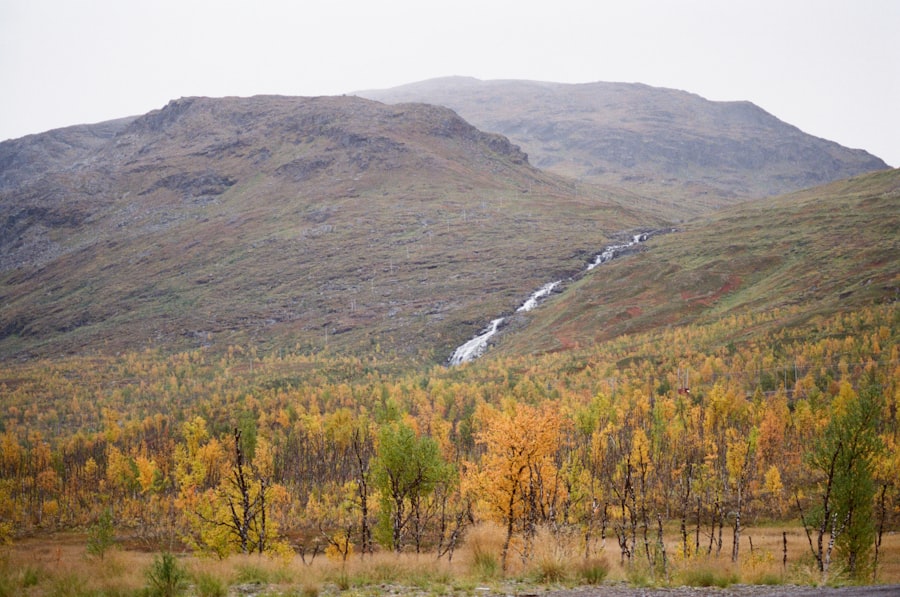
The environmental implications of hydroelectric development in the Arctic are perhaps the most contentious aspect of the debate. The potential benefits of clean energy must be weighed against the potential harm to a unique and vulnerable environment.
Impact on Aquatic Ecosystems: The Flow of Life Disrupted
Rivers are the lifeblood of Arctic ecosystems, supporting diverse aquatic life and serving as crucial migration routes for fish species, such as salmon and Arctic char. Dams act as formidable barriers, impeding or completely preventing the upstream and downstream movement of these fish, disrupting their breeding cycles and life histories. Reservoir creation can lead to changes in water temperature, dissolved oxygen levels, and sediment transport, all of which can negatively impact native fish populations and other aquatic organisms. The alteration of natural flow patterns can also affect the habitats of invertebrates and other organisms that form the base of the food web. The disruption of this natural flow is akin to rerouting a vital artery in a living organism, with cascading consequences.
Terrestrial Habitat Alteration and Wildlife: The Land Submerged
Inundation of land for reservoir creation is an unavoidable consequence of most dam projects. This directly results in the loss of terrestrial habitats, including tundra vegetation, wetlands, and forests. These habitats are critical for a wide range of Arctic wildlife, including caribou, migratory birds, and various mammal species. The fragmentation of landscapes due to infrastructure development can also isolate wildlife populations, hindering their movement and access to essential resources. Furthermore, the construction phase itself can lead to habitat degradation through clearing, excavation, and pollution. Every hectare submerged represents a lost piece of the ecological tapestry.
Greenhouse Gas Emissions: A Complex Equation
While hydroelectric power is often promoted as a zero-emission energy source, the reality in the Arctic can be more complex. The decomposition of organic matter submerged in reservoirs, particularly in areas with abundant vegetation and shallow water, can release significant amounts of methane, a potent greenhouse gas. The extent of these emissions is highly variable and depends on factors such as the size of the reservoir, the amount of organic material inundated, and the water temperature. In some cases, the net greenhouse gas impact of an Arctic hydroelectric project could be higher than initially assumed, especially in the short to medium term. This introduces a layer of uncertainty into the climate benefits equation.
Water Quality and Sediment Dynamics: The River’s Chemistry
Dams alter the natural flow and sediment transport characteristics of rivers. Reservoirs can act as sediment traps, reducing the downstream supply of sediment that is crucial for maintaining river channels, deltas, and coastal erosion processes. Changes in water flow can also lead to altered dissolved oxygen levels and increased nutrient concentrations, potentially leading to eutrophication in reservoirs. Furthermore, the release of water from different depths of a reservoir can result in varying water temperatures downstream, impacting aquatic life.
Socio-Economic Implications: The Human Dimension
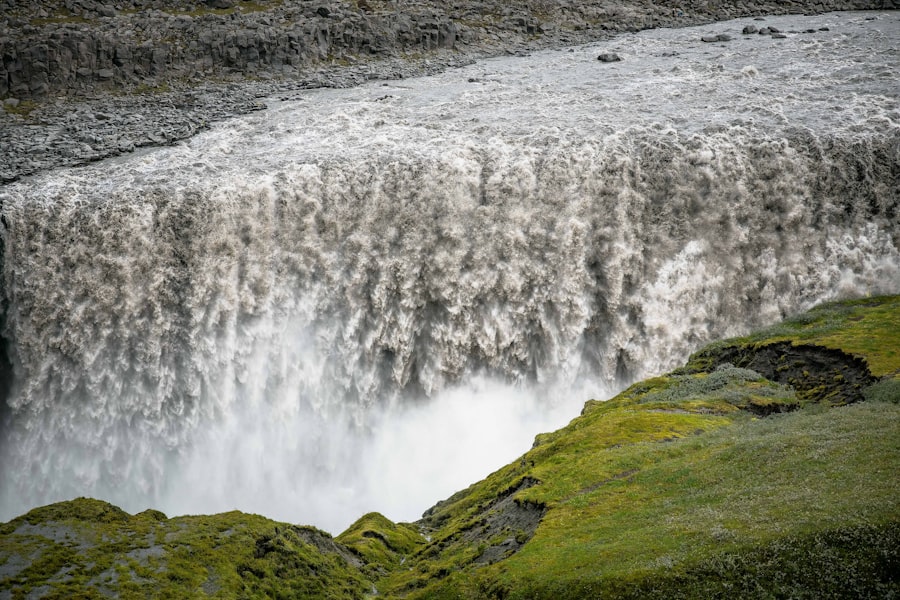
The development of hydroelectric power in the Arctic is inextricably linked to the social and economic well-being of the region’s inhabitants, particularly Indigenous communities. The benefits and drawbacks must be carefully considered from a human perspective.
Economic Opportunities and Development: Fueling Progress
Hydroelectric projects can provide a significant source of clean, affordable energy, which can be a catalyst for economic development in remote Arctic communities. Reliable electricity can support local businesses, improve living standards, and attract new industries. Construction and operation of these facilities can also create jobs, providing employment opportunities for local residents. The revenue generated from electricity sales can contribute to regional economies and fund public services. For communities struggling with high energy costs, the prospect of local, sustainable power is a compelling one.
Indigenous Rights and Consultation: A Seat at the Table
Indigenous peoples have inhabited the Arctic for millennia and possess deep cultural and spiritual connections to the land and its waterways. Any hydroelectric development must involve meaningful consultation and the free, prior, and informed consent of Indigenous communities. Their traditional knowledge, accumulated over generations, is invaluable for understanding the ecological and social implications of such projects. The recognition and protection of Indigenous rights, including land rights and self-determination, are paramount. Ignoring these rights is not just a legal oversight; it is a profound moral failing.
Resettlement and Community Impacts: Upheaval and Adaptation
The creation of reservoirs can necessitate the resettlement of communities, leading to significant social disruption, cultural displacement, and the loss of traditional lands and livelihoods. The psychological and emotional toll of such displacement can be profound. Careful planning, adequate compensation, and robust support systems are essential to minimize the negative impacts on affected communities. The process of adaptation and rebuilding must be guided by the needs and aspirations of the people directly impacted.
Energy Security and Self-Sufficiency: Powering the Future
For many remote Arctic communities, energy security is a pressing concern. Reliance on expensive, imported fossil fuels makes them vulnerable to price fluctuations and supply disruptions. Local hydroelectric generation can enhance energy independence, providing a stable and reliable power source. This can translate to more affordable energy prices for residents and businesses, improving overall quality of life.
The potential for hydroelectric power in Arctic rivers is gaining attention as researchers explore sustainable energy solutions in remote regions. A related article discusses the environmental impacts and technological advancements that could enhance the feasibility of harnessing these powerful water sources. For more insights on this topic, you can read the full article here. This exploration not only highlights the energy potential but also emphasizes the importance of balancing ecological preservation with energy needs in fragile Arctic ecosystems.
Future Prospects and Mitigation Strategies: Charting a Responsible Course
| River Name | Location | Average Flow Rate (m³/s) | Estimated Hydroelectric Potential (MW) | Length (km) | Comments |
|---|---|---|---|---|---|
| Yukon River | Alaska, USA / Canada | 6,430 | 1,200 | 3,185 | High flow rate, potential for large-scale projects |
| Lena River | Russia | 16,400 | 2,500 | 4,400 | One of the largest Arctic rivers by discharge |
| Ob River | Russia | 12,800 | 2,000 | 3,650 | Significant hydroelectric infrastructure already present |
| Yenisei River | Russia | 19,600 | 3,000 | 3,487 | Highest hydroelectric potential among Arctic rivers |
| Mackenzie River | Canada | 9,700 | 1,500 | 1,738 | Potential for medium-scale hydroelectric projects |
The path forward for unlocking hydroelectric power in Arctic rivers demands a cautious, evidence-based, and inclusive approach. Simply viewing the rivers as untapped energy reserves is a shortsighted perspective.
Mini- and Small-Scale Hydro: A Scalable Solution
Rather than focusing solely on large-scale mega-dams, which carry substantial environmental and social risks, there is growing interest in developing mini- and small-scale hydroelectric projects. These smaller facilities can often be integrated into existing infrastructure or situated on smaller rivers, minimizing their environmental footprint and reducing the need for large reservoirs. They can provide localized power solutions for remote communities, offering a more adaptable and less disruptive approach. Think of it as a thousand small saplings rather than a single towering redwood; the impact is more distributed and less overwhelming.
Environmental Mitigation and Monitoring: Preserving the Balance
Robust environmental mitigation measures are essential for any hydroelectric development. This includes designing fish-friendly turbines, constructing fish passage facilities, restoring altered river flows, and implementing comprehensive monitoring programs to track ecological impacts. Active efforts to manage and reduce greenhouse gas emissions from reservoirs, such as optimizing reservoir operations and managing vegetation, are also crucial. Continuous monitoring is not a bureaucratic formality; it is the eyes and ears of responsible stewardship.
Technological Innovation: Smarter Engineering
Continued investment in research and development of technologies suited to Arctic conditions is vital. This includes advancements in permafrost engineering, ice management systems, and low-impact dam construction techniques. Exploring energy storage solutions, such as pumped hydro storage, could also help to balance the intermittency of other renewable energy sources and complement hydroelectric generation. Innovation is the key to unlocking potential while minimizing harm.
International Cooperation and Policy Frameworks: A Shared Responsibility
Given the transboundary nature of many Arctic rivers, international cooperation is essential for sustainable hydroelectric development. Establishing clear policy frameworks, sharing best practices, and engaging in collaborative environmental impact assessments are crucial for ensuring that projects benefit all stakeholders and do not cause transboundary harm. A unified approach is needed to navigate this complex and shared frontier. The Arctic’s challenges and opportunities are too significant to be tackled in isolation.
FAQs
What is hydroelectric power potential in Arctic rivers?
Hydroelectric power potential in Arctic rivers refers to the capacity of these rivers to generate electricity by harnessing the energy of flowing or falling water. Due to the unique geography and hydrology of the Arctic region, these rivers can offer significant opportunities for renewable energy development.
Why are Arctic rivers considered important for hydroelectric power?
Arctic rivers are important for hydroelectric power because they often have substantial water flow and elevation changes, which are ideal conditions for generating electricity. Additionally, the Arctic’s remote location and limited access to other energy sources make hydroelectric power a valuable option for sustainable energy supply.
What challenges exist in developing hydroelectric power in Arctic rivers?
Challenges include extreme cold temperatures, ice cover, environmental sensitivity, and limited infrastructure. The fragile Arctic ecosystem requires careful planning to minimize ecological impacts, and the harsh climate can complicate construction and maintenance of hydroelectric facilities.
How does climate change affect the hydroelectric potential of Arctic rivers?
Climate change can alter river flow patterns by affecting snowmelt and precipitation rates, potentially increasing or decreasing hydroelectric potential. Melting permafrost and changing ice conditions may also impact the stability of infrastructure and the timing of water availability.
Are there any existing hydroelectric projects in the Arctic region?
Yes, there are some existing hydroelectric projects in Arctic and sub-Arctic regions, particularly in countries like Russia, Canada, and Norway. These projects vary in size and capacity and serve local communities by providing renewable energy in areas where other energy sources may be limited.