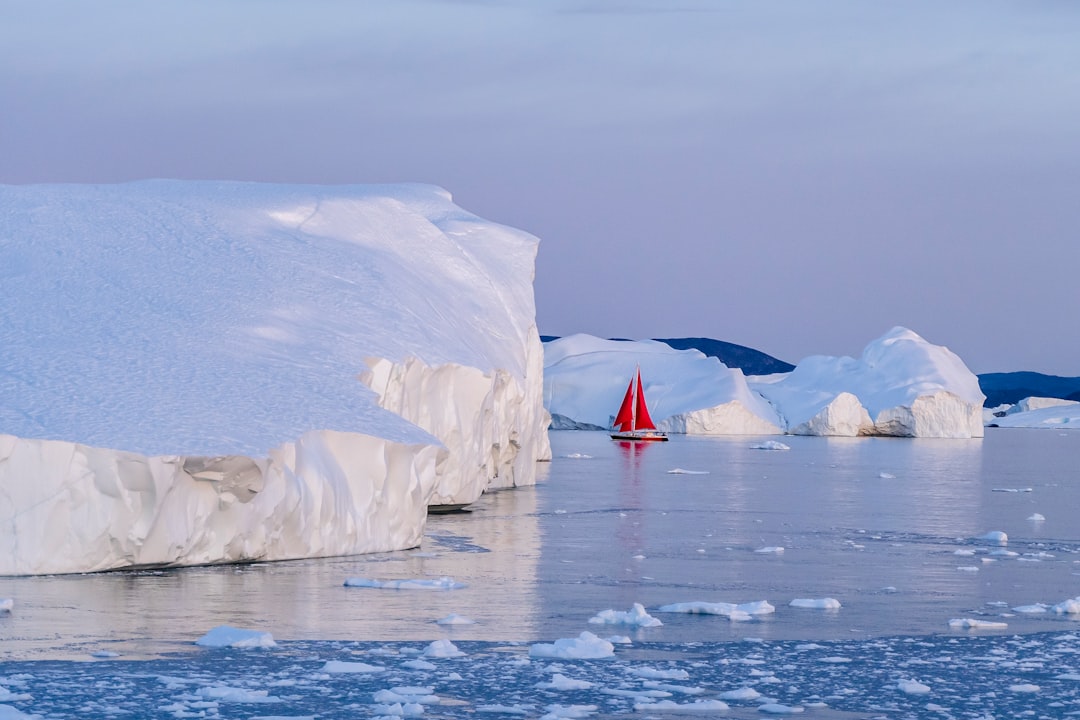
The Arctic, a region of stark beauty and formidable challenges, is increasingly becoming a theater for human activity. As the ice recedes, the lure of resource extraction, shipping routes, and tourism draws more attention and, consequently, more people to its vast and often unforgiving expanses. This burgeoning presence necessitates a robust and adaptable framework for search and rescue (SAR) operations, a framework that, by its very nature, harbors significant dual-use potential. The infrastructure developed to keep those venturing north safe can also serve a broader array of civilian and scientific purposes, creating a ripple effect of benefits that extend far beyond emergency response.
The Arctic presents a set of environmental and operational challenges that are distinct from those encountered in more temperate latitudes. The sheer scale of the region, coupled with its sparse population and extreme weather conditions, demands specialized capabilities and a high degree of preparedness. Understanding these specificities is the bedrock upon which effective SAR infrastructure is built.
The Perils of the Polar Frontier
The Arctic is not a passive landscape; it is an active and dynamic environment that can quickly turn hostile. The extreme cold, blizzards, whiteouts, and sea ice formation pose immediate and severe risks to anyone operating in the region. Beyond the direct environmental threats, the remoteness of the Arctic means that response times can be significantly extended, amplifying the consequences of any incident.
Limited Infrastructure and Prolonged Response Times
Unlike densely populated areas with well-established emergency services, the Arctic is characterized by a scarcity of permanent infrastructure. This absence of readily available resources, from advanced medical facilities to reliable communication networks, places an immense strain on SAR operations. Rescuers often face vast distances and challenging terrain, making rapid deployment and effective coordination paramount but incredibly difficult to achieve.
The Growing Human Presence and Increased Risk
Historically, human activity in the Arctic was limited to indigenous populations and a few hardy explorers or resource prospectors. However, this is changing. The thawing of permafrost and the opening of new shipping lanes are attracting a wider range of commercial interests, including oil and gas exploration, mining, and a growing tourism sector. Each new vessel or expedition is a potential point of failure, a potential call for help reaching across the frozen expanse.
The development of Arctic search and rescue infrastructure is increasingly recognized for its dual-use potential, serving both civilian and military purposes. An insightful article discussing this topic can be found at MyGeoQuest, where the implications of such infrastructure on international cooperation and security in the Arctic region are explored. This dual-use aspect highlights the importance of strategic planning and investment in facilities that can enhance safety while also addressing geopolitical concerns.
The Dual-Use Paradigm: More Than Just Rescue
The concept of dual-use in SAR infrastructure in the Arctic is not merely a convenient byproduct; it is a fundamental strategy for maximizing the value and efficiency of investments. By developing capabilities that serve multiple purposes, nations and organizations can achieve greater resilience and broader societal benefit from their SAR endeavors. This is akin to building a strong bridge that not only carries emergency vehicles but also facilitates everyday commerce and community connections.
Strategic Investments for Multiple Missions
The foresight applied to SAR infrastructure development considers its broader applications. A well-equipped icebreaker, indispensable for rescuing ships trapped in polar waters, can also be utilized for scientific research expeditions, ice charting, and supporting logistical operations for remote communities. Similarly, advanced communication systems deployed for SAR can enhance connectivity for scientific outposts and commercial vessels, fostering economic development and enabling vital data exchange.
The Synergy of Civilian and Military Assets
In many Arctic nations, military assets are often the most capable platforms available for SAR operations due to their ruggedness, advanced technology, and trained personnel. The dual-use approach recognizes this reality, designing and situating infrastructure – such as airfields, ports, and communication relays – that can be readily adapted by both military and civilian SAR agencies. This creates a versatile framework that can respond to a wider spectrum of emergencies, from a distressed fishing vessel to a downed aircraft.
Economic Spin-offs and Technological Advancement
The development of specialized SAR equipment and technologies for the Arctic often leads to innovations with broader commercial applications. For instance, advancements in all-weather drone technology for surveillance and reconnaissance in harsh conditions can find markets in civilian infrastructure inspection, environmental monitoring, and even precision agriculture in less extreme climates. This technological transfer fosters innovation and contributes to economic growth beyond the immediate SAR mission.
Key Infrastructure Components and Their Dual Benefits
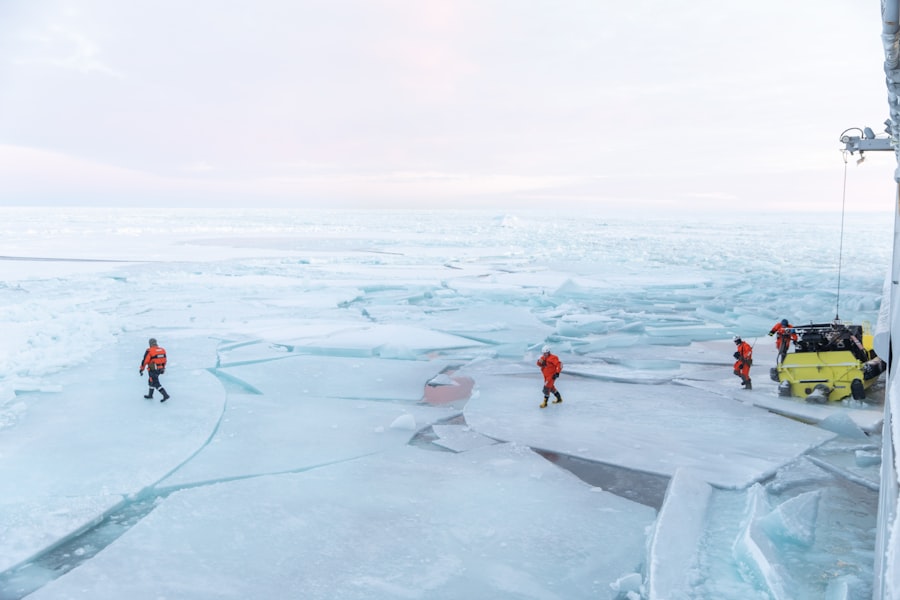
The physical and technological elements that constitute Arctic SAR infrastructure are, by their very design, amenable to multiple uses. Understanding these components reveals the interconnectedness of safety, science, and commerce in the region.
Advanced Maritime Capabilities: Beyond the Distress Call
The Arctic maritime environment presents unique challenges for navigation and rescue. Specialized vessels and navigational aids are crucial for SAR operations, but their utility extends far beyond emergency situations.
Icebreakers and Ice-Capable Vessels
The presence of sea ice is a defining characteristic of the Arctic. Icebreakers and other ice-capable vessels are essential for search operations in frozen or ice-congested waters, enabling access for rescue craft and providing safe havens for distressed vessels.
- Search and Rescue: Their primary role, navigating treacherous ice conditions to reach stranded mariners.
- Scientific Research: Providing platforms for oceanographic surveys, climate research, and marine mammal studies, often in previously inaccessible areas.
- Logistical Support: Facilitating the delivery of vital supplies and personnel to remote Arctic communities and research stations, especially during periods of ice.
- Commercial Shipping: Opening and maintaining shipping lanes, thereby supporting economic activity in the region.
Navigation and Communication Systems
Reliable navigation and communication are lifeblood for any maritime operation, but in the Arctic, they are exceptionally critical for SAR.
- Search and Rescue: Accurate positioning, distress signal transmission, and clear communication between rescue assets and the public are paramount.
- Maritime Domain Awareness: Advanced radar, satellite imagery, and tracking systems provide comprehensive oversight of maritime traffic, aiding in preventing incidents and monitoring vessel movements. This capability is vital for both safety and national security.
- Scientific Data Transmission: Enabling remote research stations to transmit valuable scientific data to global networks.
- Economic Development: Supporting the safe and efficient operation of commercial shipping by providing real-time navigational information and communication channels.
Aerial Assets: Eyes in the Northern Sky
Aircraft are indispensable in the vast Arctic, offering speed and reach necessary for effective SAR. Their capabilities, however, transcend emergency response.
Specialized Aircraft and Helicopters
Fixed-wing aircraft and helicopters equipped for long-range operations, cold-weather performance, and search equipment are vital for covering the immense distances of the Arctic.
- Search and Rescue: Rapid deployment to locate and reach stranded individuals, often in remote or difficult-to-access terrain.
- Surveillance and Reconnaissance: Monitoring ship traffic, detecting illegal activities (e.g., illegal fishing, unauthorized resource extraction), and assessing environmental conditions. This has significant implications for national security and environmental protection.
- Medical Evacuation (MEDEVAC): Transporting critically ill or injured individuals from remote locations to advanced medical facilities.
- Scientific Deployment and Support: Transporting researchers and equipment to remote field sites for scientific research and monitoring.
Unmanned Aerial Vehicles (UAVs) / Drones
The increasing sophistication of UAVs offers a cost-effective and agile solution for various Arctic operations, including SAR.
- Search and Rescue: Providing aerial surveillance over large areas, identifying potential survivors or hazards, and delivering essential supplies to stranded individuals. Their ability to operate in hazardous conditions without risking pilot safety is a significant advantage.
- Environmental Monitoring: Assessing ice conditions, tracking wildlife populations, and monitoring pollution events.
- Infrastructure Inspection: Surveying remote pipelines, power lines, and other critical infrastructure in challenging terrain.
- Mapping and Surveying: Creating detailed maps of remote areas for scientific or developmental purposes.
Ground and Coastal Infrastructure: Anchors of Support
While much of the Arctic is water or ice, there are landmasses and coastal areas where crucial support infrastructure can be established.
Cold-Weather Airfields and Bases
Well-maintained airfields and operational bases in Arctic regions are critical for launching and recovering SAR aircraft.
- Search and Rescue: Providing essential staging points for aircraft, allowing for refueling, maintenance, and the deployment of rescue teams.
- Scientific Expeditions: Serving as hubs for the logistical support of scientific research teams operating in the interior or along the coast.
- Logistical Hubs: Facilitating the transportation of goods and personnel to remote communities, supporting economic development and essential services.
- Military Operations: Providing strategic locations for national defense and security operations in the Arctic.
Communication and Navigation Beacons
A network of communication and navigation aids, including radio beacons and satellite ground stations, is vital for maintaining contact and providing positional information.
- Search and Rescue: Enabling distressed vessels and aircraft to broadcast their location and facilitating communication between rescue units.
- Navigation for Commercial Traffic: Providing crucial navigational aids for ships transiting Arctic waters, enhancing safety and predictability.
- Scientific Data Networks: Supporting the data flow from remote scientific monitoring stations.
- Emergency Alert Systems: Providing a vital link for broadcasting emergency alerts and public safety information to isolated communities.
The Economic and Scientific Dividends of SAR Investment

The infrastructure built to respond to emergencies in the Arctic often acts as a catalyst for broader economic and scientific progress. The challenges of the region necessitate innovative solutions that, once developed, find utility in numerous other sectors.
Fostering Scientific Understanding of a Changing Arctic
The Arctic is a bellwether for global climate change. The infrastructure developed for SAR operations directly supports scientific endeavors aimed at understanding these profound shifts.
Expeditions and Data Collection Platforms
The vessels, aircraft, and logistical support established for SAR can be readily adapted to serve as platforms for scientific expeditions.
- Climate Research: Facilitating the collection of crucial data on ocean temperatures, ice melt rates, atmospheric conditions, and permafrost thaw.
- Ecosystem Studies: Enabling researchers to study Arctic flora and fauna in their natural habitats, providing vital information for conservation efforts.
- Geological and Glaciological Research: Supporting the study of the Arctic’s geological structure and its rapidly changing ice sheets and glaciers.
Monitoring and Early Warning Systems
The technological capabilities deployed for SAR, such as advanced sensor networks and communication systems, are ideal for establishing long-term monitoring and early warning systems for environmental hazards.
- Ice Condition Monitoring: Providing real-time data on sea ice extent, thickness, and movement, which is critical for both safe navigation and scientific understanding of ice dynamics.
- Weather Forecasting: Enhancing the accuracy of meteorological models by providing crucial data from often-unmonitored regions.
- Pollution Detection: Enabling rapid detection and assessment of oil spills or other environmental contaminants.
Driving Innovation and Economic Opportunity
The unique demands of operating in the Arctic necessitate the development of cutting-edge technologies and specialized equipment. This innovation has a broad impact across industries.
Technological Advancements and Spin-offs
The need for robust, reliable, and high-performing equipment in the Arctic drives innovation in a variety of fields.
- Materials Science: Development of materials resistant to extreme cold, corrosion, and mechanical stress, applicable in aerospace, energy, and construction.
- Communication Technologies: Advancements in satellite communication and robust network solutions for remote areas, enabling broader connectivity.
- Robotics and Automation: Development of unmanned systems for surveillance, cargo transport, and remote sensing, with applications in various industries.
- Navigation and Sensing: Innovations in GPS, radar, sonar, and optical imaging adapted for challenging environments, benefiting autonomous systems and broader sensor applications.
Supporting a Growing Arctic Economy
A secure and navigable Arctic is essential for unlocking its economic potential. SAR infrastructure plays a foundational role in this.
- Resource Exploration and Extraction: Providing a safety net for increasingly complex offshore and onshore operations, fostering investor confidence.
- Shipping and Trade: Enabling safer and more predictable transit of goods through newly opened Arctic routes, reducing transit times and costs.
- Tourism: Supporting the safe operation of an emerging Arctic tourism industry, which can provide much-needed economic diversification for local communities.
- Infrastructure Development: Facilitating the construction and maintenance of ports, roads, and other essential infrastructure required for economic growth in remote regions.
The development of Arctic search and rescue infrastructure has gained significant attention due to its dual-use potential, serving both civilian and military purposes. A recent article explores the implications of this dual-use nature, highlighting how enhanced capabilities can improve safety for both local communities and national security. For further insights on this topic, you can read the article at MyGeoQuest, which delves into the strategic importance of these infrastructures in the rapidly changing Arctic environment.
Challenges and Future Considerations for Dual-Use SAR Infrastructure
| Metric | Description | Value/Status | Notes |
|---|---|---|---|
| Number of SAR Stations | Total search and rescue stations in the Arctic region | 15 | Includes both permanent and seasonal stations |
| Dual-Use Facilities | Facilities used for both civilian and military SAR operations | 8 | Shared infrastructure improves cost efficiency |
| Response Time | Average time to respond to SAR incidents in Arctic waters | 4-6 hours | Varies depending on weather and location |
| Satellite Coverage | Percentage of Arctic region covered by SAR communication satellites | 85% | Ongoing efforts to improve coverage |
| Icebreaker Support | Number of icebreaker vessels available for SAR missions | 5 | Supports access to remote areas |
| Training Exercises | Annual joint SAR training exercises conducted | 3 | Enhances coordination between agencies |
| Funding Allocation | Annual budget allocated for Arctic SAR infrastructure | Confidential | Includes investments in dual-use technology |
| Communication Systems | Types of communication systems used in dual-use SAR infrastructure | HF/VHF radios, satellite phones, AIS | Ensures reliable contact in harsh conditions |
While the benefits of dual-use SAR infrastructure are significant, realizing its full potential requires careful planning, international cooperation, and a continuous assessment of evolving needs and technologies. The Arctic remains a frontier, and its development must be approached with foresight and responsibility.
The Importance of International Cooperation
The Arctic is a shared environment, and effective SAR operations, as well as the broader utilization of infrastructure, necessitate collaboration among Arctic nations and other stakeholders.
Harmonizing Standards and Protocols
Establishing common standards for equipment, training, and operational procedures ensures interoperability and efficiency between different national and international SAR assets.
- Joint Exercises and Training: Conducting regular joint SAR exercises enhances coordination and familiarity between different agencies and nations.
- Information Sharing Agreements: Facilitating the open exchange of critical information, such as weather data, ice conditions, and vessel traffic, to improve situational awareness.
- Mutual Assistance Pacts: Formalizing agreements for mutual assistance in SAR operations, ensuring rapid deployment of resources across borders when needed.
Addressing Governance and Legal Frameworks
The increasing human activity in the Arctic raises complex legal and governance questions that impact the utilization of dual-use infrastructure.
- Search and Rescue Agreements: Ensuring clear legal frameworks for responding to incidents involving vessels of different nationalities in international waters.
- Environmental Protection Regulations: Balancing the need for economic development with the imperative to protect the fragile Arctic environment, which can influence the types of infrastructure permitted and their operational constraints.
- Resource Management: Developing frameworks for the sustainable management of Arctic resources, which can impact the infrastructure required to support these activities.
Adapting to a Warming Arctic and Evolving Threats
The Arctic is transforming at an unprecedented rate, necessitating a continuous evaluation and adaptation of SAR infrastructure to meet new challenges and opportunities.
Climate Change Impacts on SAR Needs
The thawing of permafrost, changes in sea ice patterns, and increased storm activity all have direct implications for SAR operations.
- Coastal Erosion and Infrastructure Stability: Increased coastal erosion due to permafrost thaw and rising sea levels can threaten the stability of existing SAR infrastructure.
- Shifting Ice Conditions: Changes in sea ice dynamics require constant reassessment of navigation routes and the capabilities of ice-capable vessels.
- Increased Extreme Weather Events: A potential increase in the frequency and intensity of extreme weather events necessitates more resilient and adaptable SAR assets.
The Evolving Landscape of Arctic Activities
As new industries emerge and existing ones expand, the nature of SAR incidents may also change.
- Increased Shipping Traffic: The growth of maritime traffic, particularly through the Northern Sea Route and the Northwest Passage, presents new SAR challenges, including increased risk of collisions and groundings.
- Offshore Resource Development: The expansion of offshore oil and gas exploration and extraction activities brings with it the potential for industrial accidents, requiring specialized SAR response capabilities.
- Growing Tourism Sector: While offering economic benefits, an expanding Arctic tourism industry also means a greater number of individuals venturing into potentially hazardous conditions, increasing the likelihood of SAR missions.
In conclusion, the development of Arctic search and rescue infrastructure is not merely an exercise in disaster preparedness. It is a strategic investment that offers a compelling array of dual-use benefits, underpinning scientific discovery, fostering economic opportunities, and enhancing the overall resilience of human activity in this vital and rapidly changing region. As the Arctic continues its transformation, a forward-thinking and cooperative approach to building and utilizing this infrastructure will be paramount for ensuring both safety and prosperity in the polar north.
FAQs
What is meant by “dual use” in Arctic search and rescue infrastructure?
Dual use refers to infrastructure and resources that serve both civilian search and rescue operations and military or other governmental purposes in the Arctic region. This approach maximizes efficiency and resource utilization in a challenging environment.
Why is search and rescue infrastructure important in the Arctic?
The Arctic is a remote and harsh environment with increasing human activity, including shipping, tourism, and resource exploration. Effective search and rescue infrastructure is crucial to respond quickly to emergencies, ensuring safety and saving lives in this difficult terrain.
What types of facilities are included in Arctic search and rescue infrastructure?
Facilities typically include rescue coordination centers, air and maritime bases, communication systems, emergency shelters, and specialized equipment such as icebreakers and helicopters adapted for Arctic conditions.
How does dual use infrastructure benefit Arctic nations?
Dual use infrastructure allows Arctic nations to share costs and improve operational readiness by supporting both civilian rescue missions and military or scientific activities. This collaboration enhances overall safety and security in the region.
What challenges exist in developing dual use search and rescue infrastructure in the Arctic?
Challenges include extreme weather conditions, vast distances, limited existing infrastructure, high costs, and the need for international cooperation among Arctic states to ensure effective and coordinated search and rescue capabilities.