
The Caspian Sea, a body of water that feels more like an inland sea given its immense scale, is currently navigating a period of unprecedented environmental stress. Recent winter data has revealed record low ice formation and critically low water levels, painting a stark picture of a vast ecosystem under duress. For observers and inhabitants alike, the implications of these shifts are profound, touching upon vital ecological balances, regional economies, and the very resilience of this unique hydrological system.
The winter cloak that traditionally adorns the Caspian Sea, typically a significant phenomenon in its northern reaches, was exceptionally thin and fleeting this past season. For the first time in recorded history, large areas of the northern Caspian experienced an almost complete absence of persistent ice cover. This deviation from the norm is not an isolated incident but part of a broader, concerning trend that has accelerated in recent years.
El Niño’s Unwelcomed Embrace
Scientists widely attribute the diminished ice formation to a confluence of factors, with the lingering influence of El Niño events playing a significant role. El Niño, a naturally occurring climate pattern characterized by warmer-than-average sea surface temperatures in the central and eastern tropical Pacific Ocean, has far-reaching global repercussions. One such ripple effect is a tendency towards warmer winters in many parts of Eurasia.
Reduced Precipitation and Warmer Air Temperatures
The lack of substantial ice is a direct consequence of a twofold climatic assault: reduced precipitation and significantly warmer air temperatures. The tributaries that feed the Caspian, particularly the mighty Volga River, have seen their upstream snowpack dwindle. This means less meltwater flowing into the sea during the crucial spring and summer months. Compounding this, atmospheric temperatures over the Caspian basin have been consistently higher than seasonal averages. This warmth inhibits the formation of thick, stable ice sheets and accelerates any ice that does form into melting away more rapidly. Imagine a baker trying to make a sturdy cake with ingredients that are too warm; the structure simply fails to hold.
Ecological Ramifications of Ice Scarcity
The absence of robust winter ice has immediate and cascading consequences for the Caspian’s unique biodiversity. Seals, for instance, rely on ice floes as crucial platforms for breeding, pupping, and resting. Without this stable foundation, newborn pups are more vulnerable to drowning, predation, and separation from their mothers. The disruption to the seal population is a bellwether for the wider ecological distress.
Impact on Shipping and Infrastructure
While the environmental concerns are paramount, the lack of ice also has a direct impact on human activities. Historically, the frozen northern Caspian has presented navigational challenges for shipping. However, the complete or near-complete absence of ice has eliminated these challenges for the most part, though it has also raised concerns about increased erosion and the potential for greater wave action impacting coastal infrastructure.
Recent studies have highlighted the concerning trend of low winter ice thickness in the Caspian Sea, which has significant implications for the region’s ecology and climate. For a deeper understanding of this phenomenon and its potential impacts, you can read a related article that discusses the environmental changes affecting the Caspian Sea at this link: Caspian Sea Winter Ice Thickness and Water Levels.
The Shrinking Blue: Record Low Water Levels and Their Drivers
Simultaneously with the vanishing ice, the Caspian Sea is experiencing a dramatic decline in its water levels. This phenomenon has been observed over the past few decades, but recent measurements have underscored its accelerating pace, pushing the sea towards historically low points. The Caspian Sea, like a giant bathtub with a slight leak that has now sprung a significant gush, is draining at an alarming rate.
The Volga’s Diminished Flow: A Lifeline Severed
The primary artery that sustains the Caspian Sea is the Volga River, which accounts for approximately 80% of its freshwater inflow. However, the Volga’s contributions have been significantly curtailed. Several factors contribute to this diminished flow, creating a critical bottleneck for the entire Caspian ecosystem.
Upstream Water Management and Diversion
Human intervention in the Volga basin has played a substantial role. Extensive dam construction for hydroelectric power generation and irrigation projects has led to the diversion of vast quantities of water, preventing it from reaching the Caspian. These diversions, while serving immediate human needs, create a profound imbalance in the natural water cycle of the region. This is akin to a farmer diverting a river’s water to irrigate their fields, leaving the downstream inhabitants parched.
Climate Change-Induced Droughts
The upstream regions that feed the Volga have also been experiencing prolonged periods of drought, exacerbated by global climate change. Reduced rainfall and longer, hotter summers lead to decreased snowpack in the mountains and faster evaporation from rivers and reservoirs, further reducing the volume of water available to flow south.
Evaporation Rates: A Silent Thief
Beyond the reduced inflow, the Caspian Sea is also losing water at an accelerated rate due to increased evaporation. Warmer air temperatures and potentially changes in wind patterns contribute to a higher rate of water turning into vapor and escaping into the atmosphere. This is a silent, inexorable drain on the sea’s volume.
Precipitation Patterns: A Shifting Balance
While the overall trend for the Caspian basin has been towards drier conditions in some key areas, precipitation patterns are complex and can vary. However, the observed reduction in freshwater inflow, coupled with increased evaporation, points to a net loss of water.
Saltier Seas: The Consequence of Concentration
As the Caspian Sea loses volume, its salinity is gradually increasing. This happens because the dissolved salts remain while the water evaporates. For many species adapted to specific salinity ranges, this gradual increase can be detrimental, altering their habitat and potentially leading to population declines or even localized extinctions.
Ecological Impacts: A Ripple Effect Through the Food Web
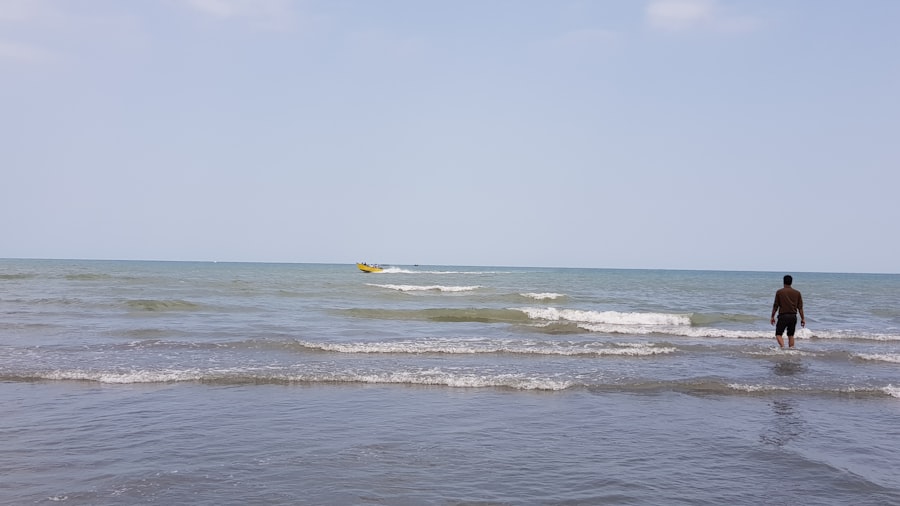
The twin pressures of reduced ice cover and falling water levels are creating a cascade of ecological disruptions throughout the Caspian Sea. The delicate balance of its unique food web is being severely tested, with profound consequences for its iconic species and overall biodiversity.
Threatened Habitats and Biodiversity Loss
The shrinking shoreline and altered salinity levels create new challenges for a wide range of organisms. Coastal wetlands are drying up, impacting migratory birds and fish spawning grounds. Species that are highly sensitive to changes in salinity or water depth may struggle to adapt, leading to a decline in their populations. The Caspian’s biodiversity, a treasure trove of unique adaptations, faces a significant threat of erosion.
The Caspian Seal: A Sentinel of Distress
The Caspian seal (Pusa caspica), an endemic species, is particularly vulnerable to these changes. As mentioned earlier, the lack of ice directly impacts their breeding success. Furthermore, changes in water levels can disrupt their foraging patterns, making it harder for them to access their food sources. The plight of the Caspian seal serves as a poignant visual indicator of the broader ecological crisis. They are like the canaries in a coal mine, their struggles signaling a more widespread danger.
Fish Stocks and Fisheries: An Economic and Ecological Blow
The Caspian Sea supports significant commercial fisheries, most notably for sturgeon, famed for their caviar. However, these fish species are highly dependent on specific environmental conditions for their life cycles, including access to freshwater inflows for spawning and stable salinity levels. Declining water levels and increased salinity can disrupt these critical processes, leading to a decline in fish stocks. This has direct economic consequences for the communities that rely on fishing for their livelihoods, as well as an ecological blow to the health of the marine ecosystem.
Invasive Species: Exploiting the Vulnerability
In times of environmental stress and habitat alteration, ecosystems can become more susceptible to the establishment of invasive species. As native populations weaken, invasive species, which may be more adaptable to changing conditions, can gain a foothold, further disrupting the natural balance and outcompeting native flora and fauna.
Economic Repercussions: From Oil Rigs to Coastal Tourism
The Caspian Sea is not merely an ecological reservoir; it is also a vital economic engine for the surrounding nations. The unprecedented environmental changes are casting long shadows over its economic importance, impacting industries from energy extraction to tourism and transportation.
Oil and Gas Infrastructure: Navigating Shifting Shores
The Caspian basin is rich in hydrocarbon resources, with numerous offshore oil and gas platforms. Falling water levels can expose previously submerged infrastructure, potentially leading to challenges in maintenance, operation, and an increased risk of corrosion or damage. The infrastructure, designed for a certain water depth, now finds itself in a landscape that is steadily receding.
Shipping and Transportation: A Changing Landscape
While the absence of ice has, in some ways, eased navigational challenges, the receding water levels present their own set of problems. Shallower waters can restrict the draft of vessels, limiting the types and sizes of ships that can operate in certain areas. This can impact trade routes and the overall efficiency of maritime transport within the Caspian.
Fisheries and Agriculture: Livelihoods at Risk
As discussed, the declining fish stocks directly impact the fishing industry, which is a critical source of income and food for many coastal communities. The availability of freshwater for irrigation in the surrounding agricultural regions is also indirectly affected by the overall water balance of the Caspian basin, potentially impacting crop yields and food security.
Tourism and Coastal Development: Adapting to a Shrinking Coastline
Coastal tourism, which relies on beaches and accessible shorelines, can also be affected by falling water levels. Beaches may recede, and previously submerged coastal areas may become exposed, altering the aesthetic and recreational appeal of these regions. Coastal infrastructure designed for a specific waterline may need to be reevaluated and potentially relocated.
Recent studies have highlighted the concerning trend of low winter ice thickness in the Caspian Sea, which has significant implications for the region’s ecosystem and climate. This phenomenon is linked to various factors, including rising temperatures and changing precipitation patterns. For a deeper understanding of these environmental changes and their potential impacts, you can read a related article that explores the broader implications of water levels in the Caspian Sea. To learn more, visit this article.
The Path Forward: Adaptation and Mitigation in a Changing Climate
| Year | Average Winter Ice Thickness (cm) | Lowest Water Level (m) | Notes |
|---|---|---|---|
| 2018 | 15 | -28.5 | Moderate ice coverage, water level below average |
| 2019 | 10 | -29.0 | Reduced ice thickness, continued low water levels |
| 2020 | 8 | -29.3 | Significant ice thinning, record low water level |
| 2021 | 12 | -28.8 | Partial recovery in ice thickness, slight water level rise |
| 2022 | 9 | -29.1 | Low ice thickness persists, water level remains low |
The record low Caspian Sea winter ice and water levels are not a localized anomaly but a stark illustration of broader global climate change impacts. Addressing this multifaceted challenge requires a comprehensive approach that encompasses both mitigation of climate change and adaptation to the inevitable environmental shifts.
Global Climate Action: Addressing the Root Cause
The most effective long-term solution lies in global efforts to mitigate climate change. Reducing greenhouse gas emissions, transitioning to sustainable energy sources, and promoting reforestation are crucial steps in slowing the warming trend that is driving these extreme changes in the Caspian Sea. The challenges faced by the Caspian are a symptom of a global illness, and a global cure is desperately needed.
Regional Cooperation and Water Management Reforms
Given that the Caspian Sea is bordered by five nations (Azerbaijan, Iran, Kazakhstan, Russia, and Turkmenistan), robust regional cooperation is essential. This includes coordinated efforts in water resource management, particularly concerning the major inflowing rivers. Agreements on sustainable water diversion, efficient irrigation techniques, and coordinated dam management are vital for preserving the remaining freshwater inflow.
Ecosystem Restoration and Conservation Efforts
Investing in the restoration and conservation of Caspian ecosystems is paramount. This could include efforts to protect remaining critical habitats, support the recovery of endangered species like the Caspian seal, and implement sustainable fishing practices. Understanding the complex interdependencies within the ecosystem is key to guiding these conservation efforts effectively.
Monitoring and Research: Understanding the Dynamics
Continued and enhanced monitoring of the Caspian Sea’s ice cover, water levels, salinity, and biodiversity is crucial. Robust scientific research is needed to better understand the complex interactions between climate change, hydrological cycles, and the Caspian ecosystem. This data will inform more effective policy decisions and adaptation strategies.
Building Resilience: Adapting to New Realities
Ultimately, the Caspian Sea and the communities that depend on it will need to adapt to a changing environment. This may involve developing new economic strategies that are less reliant on the historically stable conditions of the past, investing in climate-resilient infrastructure, and promoting public awareness and education about the challenges and solutions related to the Caspian’s environmental future. The Caspian’s story is a powerful reminder that the natural world is not static, and our ability to thrive depends on our capacity to understand and adapt to its evolving rhythms.
FAQs
What causes the winter ice thickness in the Caspian Sea to vary?
Winter ice thickness in the Caspian Sea varies due to factors such as air temperature, wind patterns, salinity levels, and water currents. Colder temperatures and calm conditions generally promote thicker ice formation.
How does low water level affect ice formation in the Caspian Sea?
Low water levels can influence ice formation by altering the sea’s surface area and depth. Shallower waters may freeze more quickly, but reduced volume can also affect salinity and temperature distribution, impacting overall ice thickness.
What are the typical winter ice thickness measurements in the Caspian Sea?
Winter ice thickness in the Caspian Sea typically ranges from a few centimeters to over 30 centimeters in colder regions. Thickness varies annually depending on climatic conditions and regional differences within the sea.
Why is monitoring Caspian Sea ice thickness important?
Monitoring ice thickness is crucial for navigation safety, environmental studies, and understanding climate change impacts. It helps predict ice hazards for shipping and supports ecological research related to marine life and habitat conditions.
Has the Caspian Sea experienced changes in winter ice thickness over recent years?
Yes, studies indicate fluctuations in winter ice thickness linked to climate variability. Some years show reduced ice coverage and thickness due to warmer winters, while others may experience more extensive ice formation depending on regional weather patterns.