
Baku-Tbilisi-Ceyhan Pipeline vs. Sea Lift: A Transportation Showdown
The transportation of crude oil is a critical artery in the global economy, and the choice of method can have profound geopolitical and economic implications. In the realm of oil transit from the Caspian Sea region to international markets, the Baku-Tbilisi-Ceyhan (BTC) pipeline and traditional sea lift operations represent two distinctly different philosophies, each with its own set of advantages and disadvantages. This article delves into a comparative analysis of these two behemoths of energy transportation, examining their respective strengths, weaknesses, and the factors that dictate their suitability.
The world’s insatiable appetite for energy has long dictated the need for robust and diversified transportation networks. For landlocked or geographically constrained oil-producing regions, the ability to efficiently and reliably move their resources to market is a matter of national security and economic prosperity. The Caspian Sea, a region rich in hydrocarbon reserves, faced precisely this challenge. For decades, its oil had been largely reliant on Soviet-era infrastructure or subject to the political vagaries of transit through its neighboring countries. The dawn of the post-Soviet era brought a renewed focus on independent export routes, a strategic imperative that directly led to the conception and construction of the BTC pipeline.
The Geopolitical Chessboard
The development of the BTC pipeline was not merely a logistical undertaking; it was a masterstroke of geopolitical engineering. By creating an independent corridor bypassing traditional choke points and politically sensitive regions, the pipeline offered a crucial diversification of supply for importing nations, primarily in Europe. This diminished reliance on single-source suppliers injected a degree of stability into the global oil market, acting as a counterweight to potential disruptions.
Economic Sovereignty and Investment Appeal
Beyond geopolitical considerations, the BTC pipeline fostered economic sovereignty for the producing nations of the Caspian region. It allowed them to directly control the flow of their most valuable commodity and capture a greater share of the value chain. This direct route also signaled to international investors a commitment to stable and predictable export infrastructure, thereby attracting further foreign direct investment in exploration and production.
The Baku-Tbilisi-Ceyhan pipeline has been a significant topic of discussion in the context of energy transportation, especially when compared to alternative methods such as sea lift. For a deeper understanding of the implications and comparisons between these two transportation methods, you can refer to a related article that explores the advantages and challenges of each approach. To read more about this, visit My Geo Quest.
The Baku-Tbilisi-Ceyhan Pipeline: A Land-Based Behemoth
The BTC pipeline, a marvel of modern engineering, stretches for over 1,770 kilometers, traversing three countries – Azerbaijan, Georgia, and Turkey – before emptying into the Mediterranean Sea at the port of Ceyhan. This colossal undertaking represents a commitment to a fixed, terrestrial infrastructure designed for high-volume, continuous throughput.
Engineering the Impossible: The Scale of the Project
The construction of the BTC pipeline was an undertaking of immense scale and complexity. It involved overcoming significant geographical challenges, including mountainous terrain, seismic activity, and a multitude of rivers and valleys. The sheer volume of pipe laid, the intricate network of pumping stations, and the advanced monitoring systems employed all underscore the engineering prowess required to bring this project to fruition. It was not simply a matter of digging a trench and laying pipe; it was about weaving a metallic serpent across diverse landscapes.
Operational Advantages: Reliability and Throughput
One of the primary advantages of a dedicated pipeline is its inherent reliability and capacity for continuous operation. Unlike sea-faring vessels, which are subject to weather, port congestion, and the vagaries of international shipping lanes, a pipeline offers a consistent and predictable flow of oil. This high throughput capacity is crucial for meeting large-scale demand and ensuring a steady supply to refineries. It acts as a tireless artery, pumping vital resources without interruption.
Environmental Considerations: A Mixed Bag
While pipelines offer significant advantages, they are not without their environmental implications. The construction phase can lead to habitat fragmentation and soil disturbance. However, once operational, a well-maintained pipeline can often be a more environmentally sound option compared to the cumulative emissions associated with numerous tanker voyages. Leak detection and emergency response systems are critical components of mitigating potential environmental risks.
Sea Lift: The Agile and Adaptable Navigator
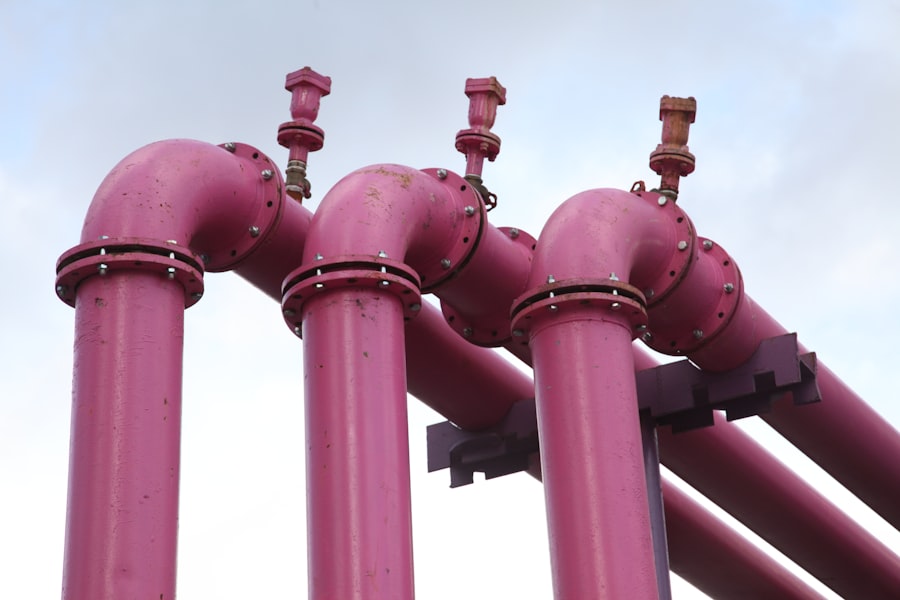
Sea lift, primarily through the use of oil tankers, represents the more traditional and inherently flexible approach to oil transportation. This method utilizes the vast interconnected network of the world’s oceans, allowing for a more adaptable and often lower-initial-cost solution for moving oil from various points of origin to diverse destinations.
The Ocean’s Highway: Unmatched Reach
The primary strength of sea lift lies in its unparalleled reach. Tankers can navigate the globe, connecting remote oil fields to virtually any port with the necessary infrastructure. This flexibility is particularly valuable for smaller producers or for transporting oil to markets that are not directly served by a dedicated pipeline. The ocean becomes a vast, interconnected highway, accommodating a multitude of routes and destinations.
Economic Fluidity: Cost-Effectiveness and Scalability
In many scenarios, sea lift can be the more economically viable option, especially for lower volumes or for routes where pipeline infrastructure is prohibitively expensive to build. The cost of chartering a tanker can be more scalable and responsive to market demand than the fixed capital investment of a pipeline. Furthermore, the ability to shift tanker routes based on market price fluctuations offers a degree of economic agility.
Vulnerability and Inefficiency: The Drawbacks of the Open Seas
However, the open seas also present their own set of vulnerabilities. Tankers are susceptible to piracy, geopolitical instability in key maritime arteries (such as the Strait of Hormuz or the Suez Canal), and the ever-present threat of severe weather conditions. Furthermore, the operational inefficiencies inherent in loading and unloading tankers at ports, coupled with the carbon footprint of extended sea voyages, can be significant. Congestion at ports can create bottlenecks, turning a seemingly fluid system into one prone to costly delays.
The Comparative Showdown: Pipeline vs. Sea Lift
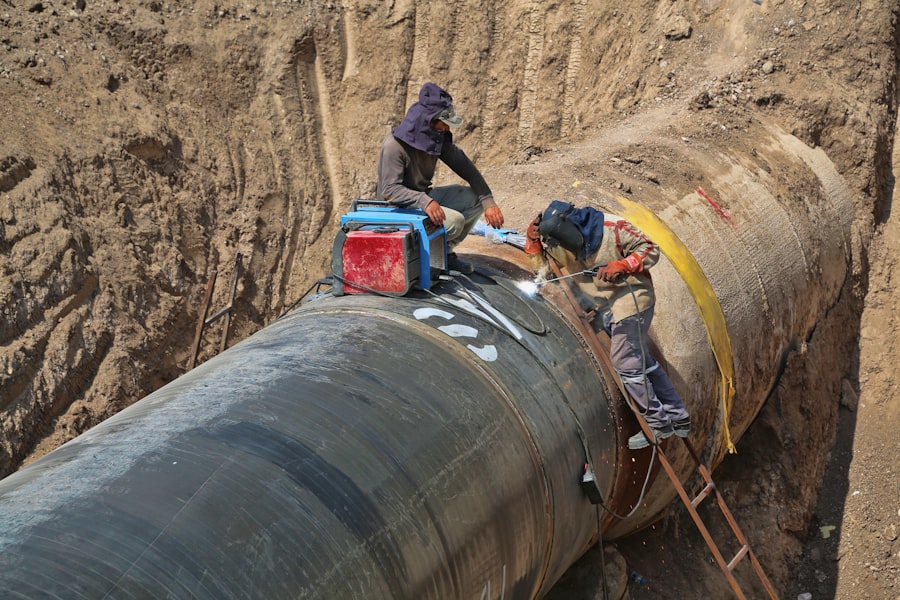
The choice between the BTC pipeline and sea lift is not a binary one, but rather a strategic decision dictated by a confluence of factors, including volume, destination, cost, geopolitical considerations, and environmental impact.
Volume and Throughput: The Arterial Flow
For high-volume, continuous supply of oil from a specific region to a well-defined market, a pipeline like BTC offers superior throughput and reliability. It acts as a dedicated, high-capacity artery, ensuring a consistent flow. Sea lift, while capable of moving large volumes, is inherently less continuous, relying on discrete voyages and subject to the scheduling and logistical constraints of port operations.
Destination and Market Access: Bridging Distances
The BTC pipeline was strategically designed to provide direct access to Western markets, bypassing the need for multiple transshipments through potentially unstable regions or across long sea routes. Sea lift offers more flexibility in reaching diverse markets but can involve longer transit times and increased costs for distant destinations. The pipeline is a direct tap, while sea lift is a fleet of mobile delivery trucks.
Cost Structures: Fixed vs. Variable Expenses
The capital expenditure for a pipeline is enormous, but its operational costs per barrel can be significantly lower once amortized. Sea lift, on the other hand, has lower initial capital requirements, with costs primarily being variable (charter rates, fuel, port fees). The long-term economics often favor pipelines for consistent, large-volume movements.
Security and Reliability: Navigating the Risks
The security and reliability of the BTC pipeline are generally considered higher for its specific route, as it offers a more controlled environment compared to the open sea. While pipelines can be subject to sabotage, the risks associated with maritime piracy, geopolitical disruptions in chokepoints, and the impact of extreme weather are significant considerations for sea-based transportation.
The Baku-Tbilisi-Ceyhan pipeline has been a significant topic of discussion in the context of energy transportation, especially when compared to alternative methods such as sea lift. A recent article explores the implications of these two transportation methods, highlighting the advantages and challenges each presents. For a deeper understanding of this comparison, you can read more in the article found here. This analysis sheds light on how the pipeline’s strategic importance contrasts with the flexibility offered by maritime transport.
The Evolving Landscape: Future Considerations
| Metric | Baku-Tbilisi-Ceyhan Pipeline | Sea Lift |
|---|---|---|
| Type | Pipeline | Maritime Transport |
| Length / Distance | 1,768 km (1,099 miles) | Varies by route; approx. 1,500-2,000 km sea routes |
| Capacity | 1 million barrels per day | Depends on tanker size; typical VLCC ~2 million barrels per shipment |
| Transit Time | Approx. 7-10 days (oil flow) | Typically 3-7 days depending on distance and port operations |
| Security Risks | Pipeline sabotage, geopolitical tensions | Piracy, weather conditions, maritime accidents |
| Environmental Impact | Risk of pipeline leaks, land disturbance | Risk of oil spills, marine pollution |
| Cost Efficiency | Lower per barrel transport cost over long term | Higher operational costs, fuel, and port fees |
| Flexibility | Fixed route, limited flexibility | High flexibility in routes and destinations |
| Ownership / Control | Consortium of multiple countries and companies | Varies by shipping company and charter agreements |
The debate between pipeline and sea lift is not static; it evolves with technological advancements, changing geopolitical dynamics, and increasing environmental awareness.
Technological Innovations: Enhancing Efficiency and Safety
Advancements in pipeline technology, such as smart pigging for internal inspection and advanced leak detection systems, continue to enhance the safety and efficiency of pipeline operations. Similarly, the development of more fuel-efficient tankers and alternative fuel sources (like LNG or methanol) is addressing some of the environmental concerns associated with sea lift.
The Rise of LNG and Emerging Markets
The growing importance of Liquefied Natural Gas (LNG) transport, which relies heavily on specialized vessels, highlights the continued dominance of sea-based solutions for certain energy commodities. Furthermore, as new oil and gas fields emerge in regions lacking extensive pipeline infrastructure, sea lift will continue to play a vital role in connecting these resources to global markets.
Environmental Stewardship: A Growing Imperative
Increasing global pressure for environmental sustainability is a significant factor in evaluating transportation methods. While pipelines can have localized environmental impacts, the cumulative emissions from extensive tanker voyages are a concern. Future investments in energy transportation will undoubtedly place greater emphasis on minimizing carbon footprints and developing more sustainable solutions. The choice between the two will increasingly be weighed against the backdrop of our planet’s well-being.
FAQs
What is the Baku-Tbilisi-Ceyhan (BTC) pipeline?
The Baku-Tbilisi-Ceyhan pipeline is a major crude oil pipeline that runs from Baku in Azerbaijan, through Tbilisi in Georgia, to Ceyhan on the Mediterranean coast of Turkey. It is designed to transport oil from the Caspian Sea region to international markets, bypassing Russia and Iran.
How does sea lift transportation work for oil shipments?
Sea lift transportation involves shipping crude oil or refined petroleum products using oil tankers across seas and oceans. This method relies on ports and maritime routes to move oil from production areas to refineries or markets worldwide.
What are the main advantages of the BTC pipeline compared to sea lift?
The BTC pipeline offers a continuous, secure, and relatively fast method of transporting oil overland, reducing dependency on maritime routes that can be affected by weather or geopolitical risks. It also lowers transportation costs per barrel compared to shipping by sea over long distances.
What are the limitations of the BTC pipeline versus sea lift?
The BTC pipeline is fixed in its route and capacity, limiting flexibility in destination and volume. It also requires significant upfront investment and maintenance. Sea lift, on the other hand, can serve multiple destinations and adjust volumes more easily but is subject to maritime risks and longer transit times.
Which method is considered more environmentally friendly, the BTC pipeline or sea lift?
Both methods have environmental impacts, but pipelines generally have a lower carbon footprint per barrel transported compared to sea lift, which involves fuel consumption by large tankers and risks of oil spills at sea. However, pipelines can pose risks of leaks on land, which require careful monitoring and management.