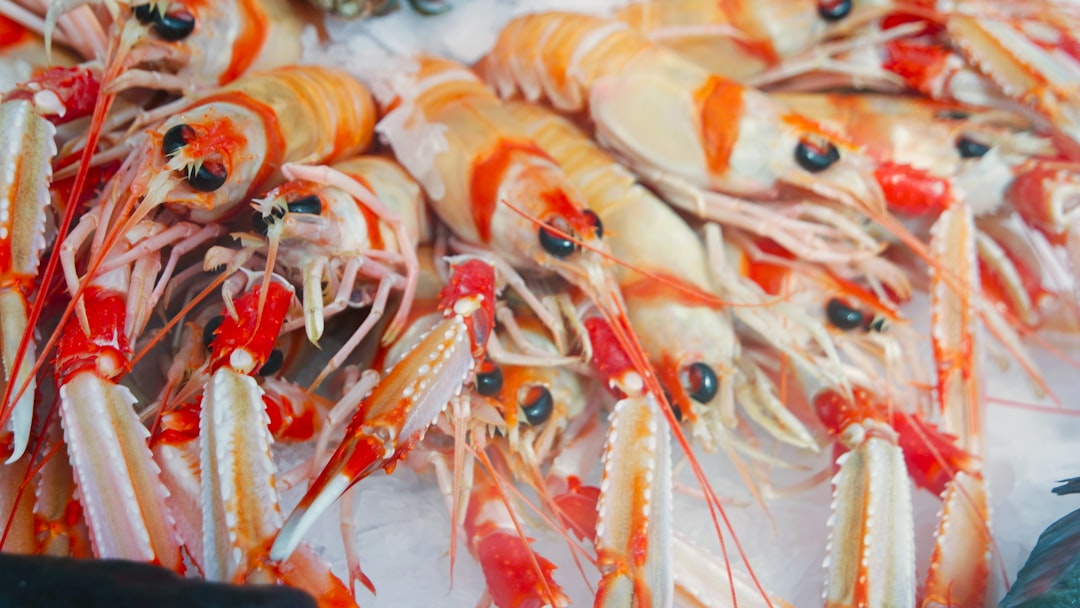
The precarious state of the Great Salt Lake, a vital freshwater ecosystem teetering on the brink of ecological collapse, has become a pressing concern. At the heart of this looming crisis lies the dramatic decline in the brine shrimp population, a seemingly small crustacean that plays an outsized role in the lake’s intricate web of life. The ripple effects of this collapse are far-reaching, threatening not only the lake’s ecological integrity but also the economic activities and local wildlife that depend on its existence.
Unsung Heroes of the Salty Depths
The brine shrimp, scientifically known as Artemia franciscana, are often overlooked creatures. These tiny crustaceans, resembling miniature shrimp, are remarkably adapted to the hypersaline conditions of the Great Salt Lake. They are not the glamorous beasts of the ocean, but rather the unassuming, yet indispensable, workhorses of this unique inland sea. Their survival is a testament to nature’s ingenuity, thriving in an environment that would be lethal to most other forms of life.
A Feast for the Feathered
Their primary ecological significance lies in their role as a primary food source for millions of migratory birds that rely on the Great Salt Lake as a critical stopover point along the Pacific Flyway. These birds, from sandpipers and avocets to pelicans and gulls, descend upon the lake in staggering numbers, transforming its shores into bustling avian metropolises. The brine shrimp, teeming in the lake’s waters, are the fuel that powers these incredible migrations. Without this abundant food supply, these feathered travelers are left to face perilous journeys on empty stomachs, risking starvation and impacting breeding success across vast distances. Imagine a gas station on a crucial highway closing down – the consequences for long-haul travelers would be dire. The brine shrimp are that vital refueling station for the avian world.
A Buffet for Other Inhabitants
Beyond the avian community, brine shrimp also serve as a food source for other organisms within the lake, albeit to a lesser extent. Their larvae, known as nauplii, are consumed by zooplankton and other small invertebrates, further contributing to the lake’s food web. While the direct consumption by larger fish is negligible due to the lake’s salinity, the health of the entire ecosystem is inextricably linked to the abundance of this one small species.
The collapse of the brine shrimp industry in the Great Salt Lake has raised significant concerns about the ecological and economic implications of this environmental crisis. For a deeper understanding of the factors contributing to this situation, you can read the article titled “The Decline of Brine Shrimp: Impacts on the Great Salt Lake Ecosystem” available at My Geo Quest. This article explores the intricate relationship between the lake’s changing conditions and the brine shrimp population, highlighting the urgent need for conservation efforts.
The Unfolding Crisis: Factors Driving the Collapse
The Relentless March of Drought
The most significant driver behind the brine shrimp collapse is the prolonged and intensifying drought that has gripped the Western United States. The Great Salt Lake, like many inland water bodies, is a sink, meaning it receives water from rivers and streams but has no outlet. Consequently, its water levels are directly dependent on precipitation and the amount of freshwater flowing into it. As the skies have remained stubbornly dry, the inflow has dwindled to a trickle, and evaporation has begun to outpace replenishment. This shrinking of the lake is not just a reduction in size; it represents a reduction in habitat for the brine shrimp.
Diminishing Water Levels: A Shrinking Sanctuary
With each passing year of insufficient precipitation, the lake’s surface area contracts. This directly translates to a loss of the shallow, productive zones where brine shrimp thrive. These areas are crucial for their breeding and feeding, and as they disappear, so too does the brine shrimp population. The lake is effectively shrinking its own capacity to support life.
Increasing Salinity: A Salty Doom
As the lake’s water volume decreases, the concentration of dissolved salts increases. While brine shrimp are adapted to high salinity, there is a limit to their tolerance. Beyond a certain point, the water becomes too saline, making it uninhabitable for them. This escalating salinity acts as a silent killer, gradually pushing the brine shrimp populations beyond their breaking point. It’s akin to slowly turning up the heat on a pot of water until it boils away – the conditions become unsurvivable.
The Insidious Drain: Freshwater Diversion
Compounding the impact of drought is the relentless diversion of freshwater from the rivers that feed the Great Salt Lake. Agriculture, urban development, and industrial uses all draw upon these vital waterways, leaving less water to reach the lake. This human intervention, while addressing immediate needs, creates a long-term deficit for the lake, exacerbating the effects of natural climate variability. These diversions are like leaky faucets in the system, constantly siphoning off precious resources that are desperately needed elsewhere.
Agricultural Demands: Thirsty Fields
Utah’s agricultural sector is a significant consumer of water, particularly in the spring and summer months. Irrigation for crops, while essential for food production, depletes the flow of rivers that would otherwise contribute to the Great Salt Lake. Finding a balance between agricultural needs and the health of the lake’s ecosystem is a complex challenge with no easy solutions.
Urban Growth: Expanding Needs
The population of the Wasatch Front, bordering the Great Salt Lake, continues to grow. This expansion necessitates increased water consumption for municipal and residential uses. As more taps are turned on and more lawns are watered, the pressure on the limited freshwater resources intensifies, further reducing the amount of water available for the lake.
The Unseen Hand of Human Impact
While drought is a natural phenomenon, the severity of its impact on the Great Salt Lake is amplified by human activities. The combination of reduced inflow and increased evaporation creates a perfect storm, pushing the lake towards an unprecedented low. Understanding these interconnected factors is crucial for developing effective mitigation strategies.
Consequences of the Collapse: A Domino Effect

Avian Exodus: The Silence of the Skies
The most immediate and visible consequence of the brine shrimp collapse is the potential exodus of migratory birds. As their primary food source dwindles, vast flocks that have historically depended on the Great Salt Lake face starvation or are forced to seek out less suitable habitats. This not only impacts the local ecosystem but also has broader implications for the health of avian populations across the continent. The lake’s shores, once alive with the chirping and calls of thousands of birds, risk falling silent, a stark testament to the ecological imbalance.
Reduced Breeding Success: A Future in Jeopardy
For birds that attempt to breed at the Great Salt Lake, the scarcity of brine shrimp can lead to significantly reduced breeding success. Chicks, unable to find enough food, may not survive to fledge. This has long-term consequences for the sustainability of various bird species, potentially impacting their populations for generations to come.
Altered Migration Patterns: A Risky Undertaking
Birds forced to depart the Great Salt Lake prematurely or in weakened condition may struggle to complete their arduous migrations. This can lead to increased mortality rates during their journeys and a higher risk of failing to reach their breeding or wintering grounds. The Great Salt Lake acts as a critical pit stop; without it, the entire journey becomes a gauntlet.
Economic Repercussions: More Than Just Birds
The Great Salt Lake is not merely an ecological wonder; it is also an economic engine for the surrounding region. The brine shrimp industry, focused on harvesting brine shrimp and their cysts (eggs) for aquaculture feed and research, generates millions of dollars annually. The collapse of the brine shrimp population decimates this industry, leading to job losses and economic hardship for those who depend on it.
The Future of a Lucrative Harvest: Empty Nets
Commercial brine shrimp harvesters face a bleak future as their primary commodity disappears. The economic fallout extends beyond the direct harvesters, impacting processing plants, transportation, and related businesses. The vibrant brine shrimp market, once a source of steady income, is slowly drying up along with the lake.
Tourism and Recreation: A Diminishing Appeal
While not as significant as the brine shrimp industry, tourism and recreational activities, such as birdwatching, also contribute to the local economy. A diminished bird population and a shrinking, increasingly saline lake can reduce the appeal of the region for visitors, further impacting economic livelihoods.
Dust Storms and Air Quality: A Hidden Threat
As the Great Salt Lake recedes, vast expanses of exposed lakebed are revealed. This dry, salty sediment becomes susceptible to wind erosion, leading to the formation of toxic dust storms. These dust storms can carry heavy metals and other harmful contaminants into populated areas, posing significant risks to public health, particularly for individuals with respiratory conditions. The lakebed, once a submerged cradle of life, can become a source of airborne pollution.
The Unveiling of Toxic Sediment: A Health Hazard
The exposed lakebed contains concentrations of arsenic, mercury, and other heavy metals that have accumulated over time. When these sediments are picked up by the wind, they become a potent health hazard, with particles that can penetrate deep into the lungs.
Impact on Local Communities: Breathing Difficulty
Communities surrounding the Great Salt Lake are increasingly experiencing the detrimental effects of these dust storms. Increased rates of asthma attacks, respiratory illnesses, and other health problems are being reported, placing a strain on healthcare systems and diminishing the quality of life for residents.
Scientific Understanding and Monitoring Efforts
Decoding the Brine Shrimp Lifecycle: A Delicate Balance
Scientists have been diligently studying the biology and ecology of brine shrimp for decades. They understand that these creatures have an intricate lifecycle, with distinct stages that are sensitive to environmental conditions. Reproduction relies on specific temperature ranges, salinity levels, and food availability, all of which are being disrupted by the lake’s decline. Understanding these nuances is crucial for predicting population dynamics and identifying potential intervention points.
Factors Influencing Reproduction: A Complex Equation
Brine shrimp reproduction is particularly sensitive to salinity. While they can tolerate a wide range, exceeding optimal levels can inhibit egg hatching and larval development. As the lake’s salinity rises, it pushes these conditions beyond what is conducive for successful reproduction.
The Role of Temperature and Food: Essential Ingredients
Beyond salinity, temperature also plays a critical role in the brine shrimp lifecycle. Warmer waters generally stimulate hatching and growth, but extreme temperatures, either too hot or too cold, can be detrimental. Similarly, the availability of phytoplankton, their primary food source, directly influences their ability to survive and reproduce.
Tracking the Trends: A Watchful Eye on the Lake
Numerous research institutions and government agencies are actively monitoring the Great Salt Lake and its brine shrimp populations. These monitoring efforts are crucial for tracking the severity of the decline, understanding the underlying causes, and informing policy decisions. Data collected through regular sampling of water quality, salinity, and brine shrimp abundance provides a critical baseline for assessing the lake’s health.
Population Surveys: Quantifying the Decline
Regular surveys are conducted to estimate the density and abundance of brine shrimp throughout the lake. These surveys involve collecting samples from various locations and using specialized equipment to count and identify the organisms. The data from these surveys paints a stark picture of the diminishing numbers.
Water Quality Analysis: The Chemical Fingerprint
Continuous monitoring of water quality parameters, including salinity, pH, dissolved oxygen, and nutrient levels, is essential. These measurements help scientists understand how environmental changes are impacting the lake and its inhabitants, providing a chemical fingerprint of the lake’s suffering.
Predictive Modeling: Forecasting the Future
Using the data collected from surveys and water quality analysis, scientists develop predictive models to forecast future trends in brine shrimp populations and lake conditions. These models are invaluable for anticipating potential tipping points and assessing the effectiveness of proposed mitigation strategies. They act as a crystal ball, offering glimpses into the lake’s possible future.
The recent collapse of the brine shrimp industry in the Great Salt Lake has raised significant concerns among environmentalists and local businesses alike. As the lake’s water levels continue to decline, the delicate ecosystem that supports these tiny crustaceans is at risk, leading to a potential economic downturn for those reliant on brine shrimp for their livelihoods. For further insights into the implications of this environmental crisis, you can read more in this related article on the topic. The situation highlights the urgent need for conservation efforts to protect this vital habitat and the industries that depend on it. To explore the details, visit this article.
Potential Solutions and Future Outlook
| Metric | Value | Year | Notes |
|---|---|---|---|
| Brine Shrimp Harvest (tons) | 1,200 | 2019 | Pre-collapse average annual harvest |
| Brine Shrimp Harvest (tons) | 300 | 2023 | Post-collapse harvest, significant decline |
| Lake Water Level (feet above sea level) | 4,200 | 2019 | Stable water level before drought |
| Lake Water Level (feet above sea level) | 4,190 | 2023 | Record low water level contributing to collapse |
| Brine Shrimp Egg Production (million eggs) | 500 | 2019 | Normal production levels |
| Brine Shrimp Egg Production (million eggs) | 120 | 2023 | Reduced egg production due to environmental stress |
| Industry Revenue (millions) | 45 | 2019 | Estimated revenue from brine shrimp harvesting |
| Industry Revenue (millions) | 12 | 2023 | Revenue decline following industry collapse |
| Annual Precipitation (inches) | 15 | 2019 | Average precipitation supporting lake levels |
| Annual Precipitation (inches) | 7 | 2023 | Drought conditions impacting lake ecosystem |
Water Conservation: A Collective Responsibility
Addressing the Great Salt Lake crisis requires a multi-faceted approach, with water conservation at its forefront. This involves a concerted effort from individuals, communities, agriculture, and industry to reduce water consumption. Small changes in daily habits, coupled with more significant policy shifts, can collectively make a substantial difference in the amount of water available to feed the lake.
Individual Actions: Small Drips, Big Impact
Encouraging water-wise practices at home, such as taking shorter showers, fixing leaks, and reducing lawn watering, can contribute to significant water savings. Public awareness campaigns play a crucial role in fostering a culture of conservation.
Agricultural Efficiency: Thirsty Fields, Smarter Practices
Improving irrigation efficiency in agriculture is paramount. Technologies like drip irrigation and precision farming can significantly reduce water usage while maintaining crop yields. Exploring drought-tolerant crops and water-wise landscaping can also lessen the strain on freshwater resources.
Industrial and Municipal Measures: Rethinking Reliances
Industries and municipalities can implement water-saving technologies, improve water infrastructure to reduce leaks, and explore water recycling and reuse programs. Rethinking water-intensive processes and promoting water efficiency in urban planning are vital steps.
Ecosystem Restoration and Management: A Thriving Future for All
Beyond water conservation, active ecosystem management and restoration efforts may be necessary to support the recovery of the brine shrimp population and the broader lake ecosystem. This could involve exploring innovative solutions to manage salinity levels or create more favorable habitats.
Innovative Salinity Management: Finding a Balance
Research into innovative technologies for managing salinity, such as targeted evaporation ponds or brine disposal strategies, could be explored. However, these solutions often come with their own set of environmental and economic considerations and require careful study.
Habitat Enhancement: Creating Verdant Niches
Identifying and enhancing critical brine shrimp habitats, such as shallow wetlands or areas with optimal salinity gradients, could provide vital refuges for the struggling populations. This might involve ecological engineering projects to restore or create suitable breeding grounds.
Policy and Governance: A Framework for Survival
Effective policy and governance are essential to implement and enforce water conservation measures and to provide the necessary resources for monitoring and restoration efforts. This requires collaboration among state and federal agencies, local governments, and stakeholder groups. Establishing clear water rights, setting ambitious conservation targets, and investing in research and infrastructure are crucial steps.
Intergovernmental Cooperation: A United Front
The Great Salt Lake spans multiple jurisdictions, necessitating strong intergovernmental cooperation. Collaborative agreements and shared strategies are vital for addressing the transboundary nature of the water resources that feed the lake.
Long-Term Vision: Securing the Lake’s Legacy
Ultimately, securing the future of the Great Salt Lake requires a long-term vision that prioritizes the health of this unique ecosystem. This means moving beyond short-term solutions and embracing sustainable water management practices that ensure the lake’s vitality for generations to come. The fate of this iconic salt lake and its humble brine shrimp hangs in the balance, a stark reminder of humanity’s interconnectedness with the natural world and the profound consequences of our choices.
FAQs
What caused the collapse of the brine shrimp industry in the Great Salt Lake?
The collapse of the brine shrimp industry in the Great Salt Lake was primarily caused by a combination of prolonged drought, water diversion for urban and agricultural use, and increasing salinity levels, which negatively impacted the shrimp’s habitat and reproduction.
Why is the Great Salt Lake important for the brine shrimp industry?
The Great Salt Lake provides a unique saline environment that is ideal for brine shrimp to thrive. These shrimp are harvested commercially for use as fish food in aquaculture and aquarium industries, making the lake a critical resource for this industry.
How does the decline of brine shrimp affect the local economy?
The decline of brine shrimp populations leads to reduced harvests, which directly impacts the livelihoods of those involved in the harvesting and processing industry. It also affects related businesses and can lead to job losses and decreased economic activity in the region.
What environmental factors are threatening the brine shrimp population in the Great Salt Lake?
Key environmental threats include reduced water inflow due to drought and water diversion, increased salinity from evaporation, habitat degradation, and potential pollution. These factors disrupt the delicate balance needed for brine shrimp survival.
Are there any efforts to restore or protect the brine shrimp industry in the Great Salt Lake?
Yes, there are ongoing efforts by environmental groups, government agencies, and local stakeholders to manage water resources more sustainably, restore inflows to the lake, and implement conservation measures aimed at stabilizing the brine shrimp population and preserving the ecosystem.