The Great Salt Lake, a vast inland sea of shimmering brine, has long been a defining geological and ecological feature of Utah. For decades, its receding shorelines and the surrounding arid landscape have presented a complex set of challenges. However, a nascent project, known as the Pacific Pipeline, is poised to dramatically alter this tableau, acting as a potential lifeline for the ailing lake. This initiative, still in its early stages of planning and securing approvals, represents a bold endeavor to introduce a substantial and consistent influx of freshwater to the Great Salt Lake, a move that could have profound implications for the regional environment, economy, and population.
The concept underpinning the Pacific Pipeline is straightforward: to tap into a source of abundant freshwater and transport it, over considerable distances, to replenish the Great Salt Lake. This undertaking is not without its significant engineering hurdles and considerable debate, but proponents believe it offers a tangible solution to the lake’s persistent decline. The story of the Great Salt Lake is one of natural fluctuations, amplified by modern demands, and the Pacific Pipeline aims to introduce a new chapter, one of sustained recovery and revitalization.
The Great Salt Lake, often perceived as a static natural wonder, is in reality a dynamic ecosystem incredibly sensitive to its hydrological balance. Its very existence is a testament to Utah’s arid climate, where evaporation consistently outpaces inflow. However, in recent decades, this natural imbalance has been exacerbated by human activity, leading to a critical decline in water levels. Understanding the magnitude of this problem is crucial to appreciating the potential impact of the Pacific Pipeline. When the lake shrinks, it’s not just a visual loss; it’s a cascade of ecological and economic consequences that ripple through the region.
Declining Water Levels: A Historical Perspective
The historical record reveals a long trend of fluctuating lake levels, influenced by multi-year precipitation cycles. However, the rate of decline witnessed over the past few decades is unprecedented in recent human memory. This shrinkage is not a sudden catastrophe but rather a creeping crisis, a slow drain on a vital resource. Decades of diverting water from the rivers that feed the lake for agriculture, municipal use, and industrial purposes have fundamentally altered the inflow equation. When the water level drops, the salt concentration increases, creating an environment hostile to much of the life that once thrived there.
Ecological Ramifications: A Fragile Balance Upset
The ecological impact of a shrinking Great Salt Lake is far-reaching. The lake serves as a critical stopover point for millions of migratory birds, providing crucial food sources and resting grounds. The brine shrimp and brine flies, unique to the lake’s hypersaline environment, form the base of its food web, supporting this avian abundance. As the lake shrinks, these habitats become concentrated, reducing the available food and nesting areas, and making the ecosystem more vulnerable to disturbances. The shrinking lake also exposes vast dust plains, the dried lakebed from which toxic dust can be blown across populated areas, posing significant health risks.
Economic Impact: From Salt Mining to Tourism
The economic significance of the Great Salt Lake, though often overlooked, is substantial. The lake supports a thriving mineral extraction industry, primarily for salt and magnesium. It also plays a role, albeit diminished, in tourism and recreation. A further decline in lake levels threatens these industries, potentially leading to job losses and reduced economic activity. The dust generated from the exposed lakebed can also impact air travel and industrial operations.
The recent discussions surrounding the Pacific pipeline to the Great Salt Lake have raised questions about the project’s financial implications and environmental impact. For a deeper understanding of the costs associated with such infrastructure projects, you can refer to a related article that explores the economic factors influencing large-scale pipeline developments. To read more, visit this article.
The Pacific Pipeline: A Vision of Freshwater Flow
Against this backdrop of ecological distress and economic concern, the Pacific Pipeline emerges as a bold proposal. The core idea is to establish a sophisticated infrastructure capable of transporting large volumes of freshwater from distant sources to the Great Salt Lake. This is not a simple pipe dream but a complex engineering undertaking that requires significant investment, environmental review, and public acceptance. The pipeline, in essence, is envisioned as an artificial river, a conduit designed to reverse the long-standing trend of desiccation.
Identifying Freshwater Sources: A Quest for Abundance
The primary challenge for any large-scale water transport project is identifying a sustainable and sufficient source of freshwater. Various options have been explored, each with its own set of advantages and disadvantages. The ongoing debate revolves around which source is most feasible, environmentally sound, and politically palatable. The water scarcity in the American West means that any large diversion will inevitably spark debate about water rights and regional impacts.
Potential Sources and Their Challenges
The most frequently discussed potential source of freshwater for the Pacific Pipeline is the abundant rainfall and river systems of the Pacific Northwest. However, this region also faces its own water management challenges and strong conservationist sentiments. Tapping into these sources would necessitate complex negotiations and potentially significant infrastructure development to access and divert the water. Other theoretical sources might include the Colorado River basin, but this is already a heavily allocated and over-tapped system, making it an unlikely candidate for significant new diversions. The political and legal hurdles of securing water rights across state lines are immense.
Engineering and Infrastructure: The Veins of the Project
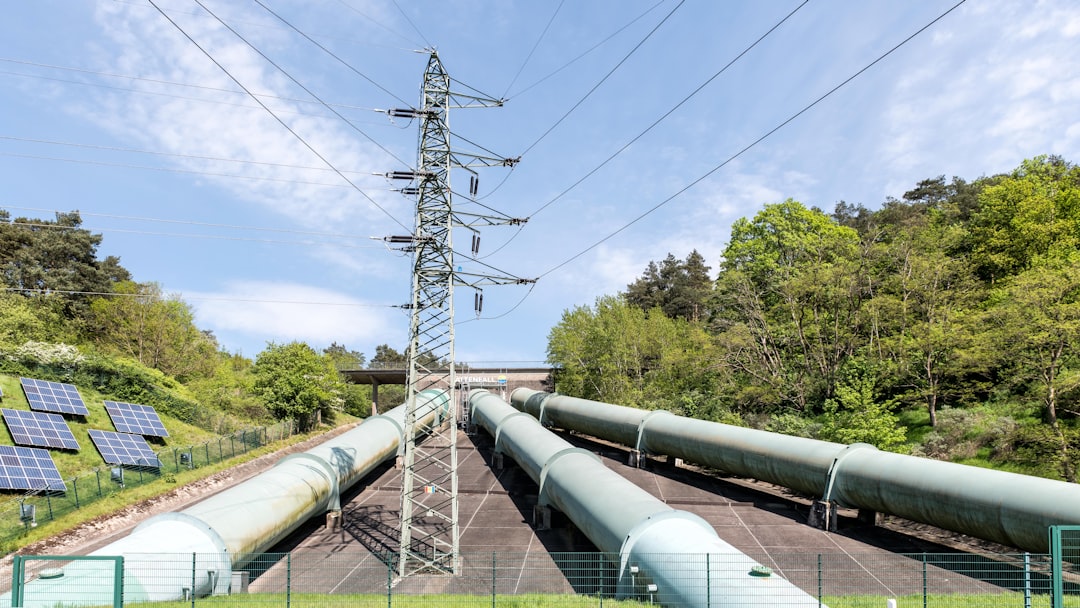
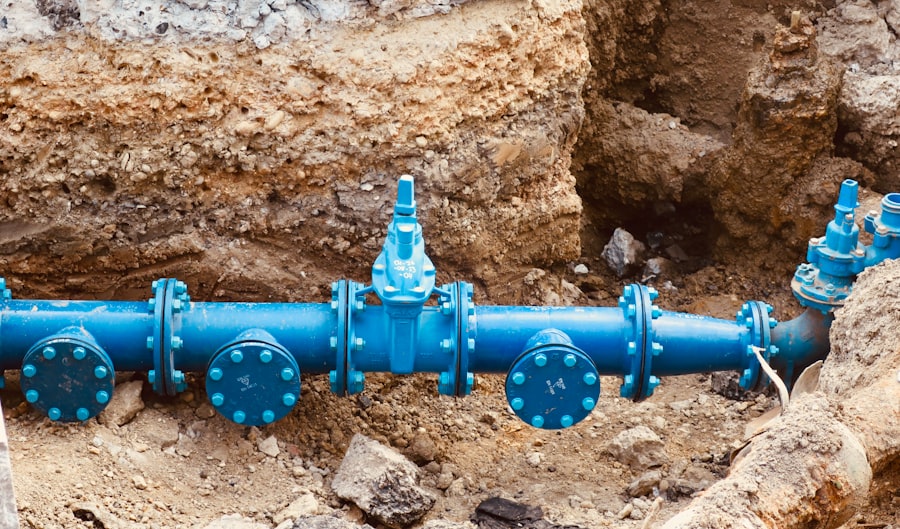
The physical realization of the Pacific Pipeline would involve an unprecedented feat of engineering. The sheer scale of transporting water across hundreds, if not thousands, of miles necessitates robust and efficient infrastructure. This includes the potential construction of massive aqueducts, pumping stations, and the pipeline itself, designed to withstand the rigorous conditions of the terrain and climate. The design and construction of such a system represent a significant technological undertaking, akin to building a new artery for the land.
Pumping and Gravity Flow Considerations
The elevation changes between potential water sources and the Great Salt Lake present a critical engineering consideration. Depending on the chosen source, a combination of gravity flow and powerful pumping stations would be required to move the water. The energy demands for such a pumping network would be substantial, requiring careful planning for power generation and transmission. The engineering challenges are not merely about pipes and pumps but about harnessing the forces of nature, gravity, and energy to achieve the desired outcome.
Environmental Impact Assessments
Before any shovels could break ground, the Pacific Pipeline would necessitate rigorous and comprehensive environmental impact assessments. These studies would evaluate the potential effects of water diversion on source ecosystems, downstream users, and the construction and operation of the pipeline itself. The long-term health of the source watersheds is a paramount concern, and any project must demonstrate a minimal negative impact. The sheer scale of the endeavor means that even minor environmental disturbances could have significant consequences.
Addressing Concerns and Controversies: Ripples of Doubt
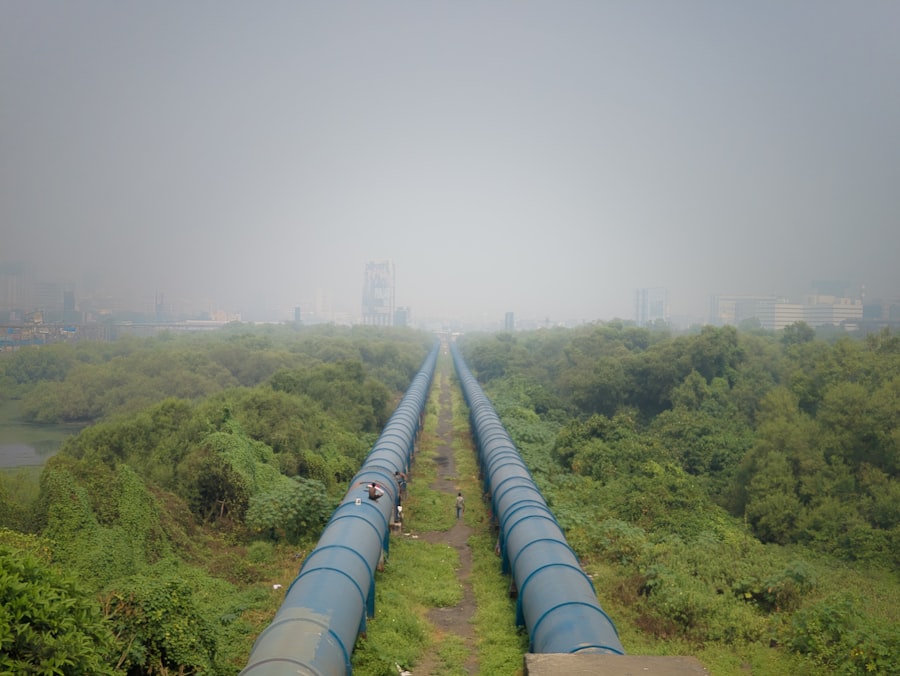
The Pacific Pipeline, while offering a potential solution, is not without its detractors and a plethora of concerns. The sheer scale of the project, the potential costs, and the environmental implications of diverting vast quantities of water have ignited a robust debate. Engaging with these concerns openly and transparently is crucial for the project’s eventual success or even its continued consideration. The pipeline, like any major undertaking, casts long shadows of both hope and apprehension.
Water Rights and Inter-State Agreements
The question of water rights is a formidable obstacle. Water in the arid West is a precious and often contentious commodity. Any proposal to divert water from an existing system, especially across state lines, would immediately trigger complex legal and political battles. Obtaining the necessary agreements and navigating the intricate web of water law would be a monumental task, requiring extensive negotiation and compromise. Securing the “right” to this water is as crucial as the engineering to transport it.
Economic Feasibility and Funding Models
The financial undertaking of the Pacific Pipeline is projected to be astronomical. The cost of land acquisition, engineering, construction, and ongoing maintenance would require massive investment. Identifying viable funding models, whether through public funding, private investment, or a combination of both, is a significant hurdle. The economic justification must be robust, demonstrating a clear return on investment, both tangible and intangible, to attract the necessary capital. The pipeline’s success hinges on its financial viability.
Environmental Ethics and Alternative Solutions
Beyond the logistical and financial challenges, the Pacific Pipeline also raises fundamental questions about environmental ethics and the prioritization of water resources. Critics argue that the project represents a complex and expensive technological fix for a problem that could be addressed through more sustainable and localized water conservation measures. The debate often centers on whether the resources required for such a massive undertaking could be better allocated to improving water efficiency, reducing demand, and protecting existing ecosystems. The ethical imperative to explore all avenues before embarking on such a transformative intervention is a significant aspect of the discourse.
The Future of the Great Salt Lake: A Watered Horizon or a Dust Bowl Demise
The ultimate fate of the Great Salt Lake hangs in a delicate balance, and the Pacific Pipeline represents one proposed pathway to its salvation. The decision of whether to pursue such an ambitious project will be shaped by scientific understanding, economic realities, political will, and public opinion. The alternative to such intervention is a continued decline, with profound implications for Utah and the broader Intermountain West. The lake’s future is, in many ways, a reflection of humanity’s capacity for large-scale problem-solving.
Potential Benefits of a Revitalized Lake
If successful, the Pacific Pipeline could usher in an era of revitalization for the Great Salt Lake. A more stable and higher lake level would have numerous benefits. Ecologically, it would restore habitats for migratory birds and the unique brine shrimp and fly populations, strengthening the food web. Economically, it could bolster the mineral extraction industries and potentially revive tourism. From a public health perspective, a higher lake level would reduce the airborne dust originating from the exposed lakebed, leading to improved air quality in surrounding communities. The revitalized lake could once again become a jewel of the landscape.
The Risk of Unintended Consequences
However, any large-scale intervention on this magnitude carries the inherent risk of unintended consequences. Diversion of water from distant sources could impact ecosystems and communities that rely on those waters. The construction of the pipeline itself could have localized environmental effects. Furthermore, the long-term ecological and chemical balance of the Great Salt Lake, once altered by a significant influx of freshwater, might present new and unforeseen challenges. The principle of “first, do no harm” is particularly relevant when contemplating such a profound alteration to a natural system.
The Role of Conservation and Water Management
While the Pacific Pipeline represents a grand vision, it is crucial to acknowledge that it is not a silver bullet. Sustainable water management practices and aggressive conservation efforts at the local and regional levels remain essential. Reducing water consumption across all sectors – agriculture, industry, and residential – is a critical component of any long-term solution for water scarcity in the West. These efforts, often viewed as the unglamorous but necessary foundation, must be pursued in parallel with any large-scale infrastructure projects. The pipeline, if it comes to fruition, should be seen as a part of a broader strategy, not the entirety of one.
The recent discussions surrounding the Pacific Pipeline project have raised questions about its potential costs and environmental impacts, particularly in relation to the Great Salt Lake. For those interested in exploring this topic further, a related article offers insights into the financial implications and logistical challenges of such infrastructure developments. You can read more about it in this informative piece here. Understanding these factors is crucial for assessing the viability of the pipeline and its long-term effects on the region.
Conclusion: A Decisive Crossroads for a Saltwater Legacy
| Metric | Value | Unit | Notes |
|---|---|---|---|
| Estimated Construction Cost | 1.2 billion | USD | Based on preliminary feasibility studies |
| Pipeline Length | 500 | miles | From Pacific coast to Great Salt Lake |
| Annual Maintenance Cost | 15 million | USD | Estimated yearly operational expenses |
| Projected Lifespan | 50 | years | Expected operational duration |
| Cost per Mile | 2.4 million | USD | Construction cost divided by pipeline length |
The Pacific Pipeline stands as a symbol of human ambition and our capacity to engineer solutions to complex environmental challenges. It represents a potential turning point for the Great Salt Lake, a chance to pull it back from the brink of ecological and economic distress. However, the path forward is fraught with significant obstacles, demanding careful consideration of financial feasibility, environmental stewardship, and the ethical implications of diverting vast water resources. The decision to proceed with such an undertaking will be a defining moment, a testament to Utah’s commitment to preserving this unique natural legacy for future generations. The lake, a mirror to its surroundings, awaits a decisive and informed choice.
FAQs
What is the Pacific Pipeline to Great Salt Lake project?
The Pacific Pipeline to Great Salt Lake project is an infrastructure initiative aimed at transporting water or other resources via a pipeline system from the Pacific region to the Great Salt Lake area in Utah.
What is the estimated cost of the Pacific Pipeline to Great Salt Lake?
The estimated cost of the Pacific Pipeline to Great Salt Lake varies depending on the project’s scope, materials, labor, and environmental considerations, but it is generally projected to be in the hundreds of millions to billions of dollars.
What factors influence the cost of the pipeline project?
Key factors influencing the cost include the pipeline length, terrain challenges, environmental impact mitigation, regulatory compliance, materials used, labor costs, and any necessary infrastructure upgrades.
Who is funding the Pacific Pipeline to Great Salt Lake project?
Funding typically comes from a combination of federal and state government sources, private investors, and possibly public-private partnerships, depending on the project’s structure and stakeholders involved.
What are the potential benefits of the pipeline to the Great Salt Lake region?
The pipeline could provide increased water supply, support economic development, improve environmental conditions, and help stabilize the Great Salt Lake’s water levels, benefiting local ecosystems and communities.