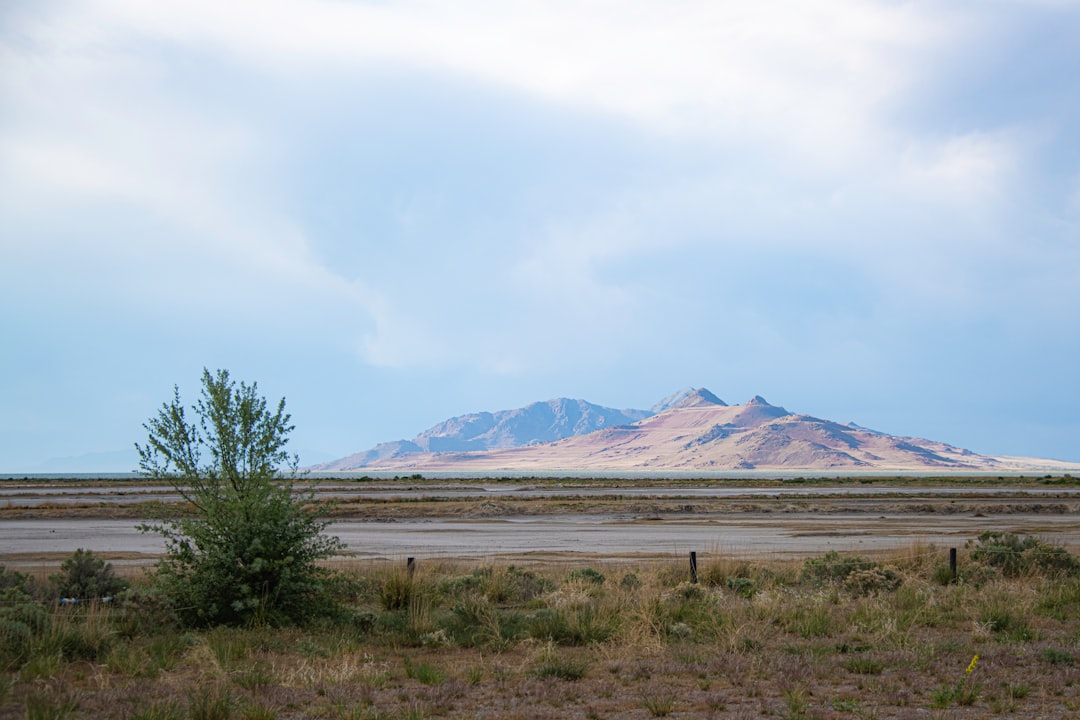
The Great Salt Lake: A Toxic Time Bomb
The vast, shimmering expanse of the Great Salt Lake, once a celebrated natural wonder and a vital hub for birds and industry, now stands as a stark warning. What appears as a serene blue jewel on the Utah landscape is, beneath its surface, a ticking time bomb of toxic dust, a consequence of decades of water diversion and unsustainable management. This article will explore the escalating crisis surrounding the Great Salt Lake, from its historical significance to the devastating environmental and health implications of its shrinking shores.
The Great Salt Lake is more than just a large body of water; it is a complex and delicate ecosystem, a living organism that has supported life for millennia. Its unique hypersaline environment, while challenging for most species, has provided a haven for a specialized, yet abundant, array of life. The vast numbers of brine shrimp and brine flies that call the lake home form the base of an intricate food web, sustaining millions of migratory birds that depend on this crucial staging ground.
A Crucial Migratory Flyway
The Saline Sanctuary: Home to Specialized Organisms
The Bird Buffet: A Feast for Feathered Visitors
The lake’s salinity, often many times that of the ocean, is the defining characteristic that shapes its ecological resilience. This extreme environment has fostered adaptations in its inhabitants, from the hardiness of brine shrimp larvae, which thrive in these conditions, to the specialized digestive systems of brine flies. This intricate balance, honed over geological timescales, is now being thrown into disarray.
The Great Salt Lake, once a vibrant ecosystem, is increasingly being described as a toxic time bomb due to the rising concentrations of harmful pollutants and the alarming decline in water levels. This situation poses significant environmental and health risks, as the exposed lakebed can release toxic dust into the air, impacting nearby communities. For a deeper understanding of the implications of this ecological crisis, you can read a related article on this topic at My Geo Quest.
The Vanishing Waters: A Man-Made Drought
The precipitation that feeds the Great Salt Lake originates in the surrounding mountains, flowing down through a network of rivers and streams. For decades, however, human development has placed an ever-increasing demand on these precious water resources. Agriculture, urban growth, and industrial needs have siphoned off an ever-larger proportion of the inflow, leaving the lake to languish. This deliberate diversion, akin to draining the blood from a living body, has led to a precipitous decline in the lake’s water levels.
Agriculture’s Thirst: A Major Contributor
Urban Sprawl and Industrial Demand
Climate Change: An Accelerating Factor
The notion of water as an infinite resource has proven to be a dangerous illusion. As communities expand and agricultural needs grow, the competition for every drop of water intensifies. The Great Salt Lake, being the terminal basin for these rivers, bears the ultimate brunt of this relentless demand. It is a stark illustration of how human actions, driven by short-term needs, can have long-term, devastating environmental consequences.
The Unveiling of a Toxic Legacy
As the water recedes, it leaves behind its accumulated burdens. The bed of the Great Salt Lake is not merely mud and salt; it is a repository of pollutants, a silent holding cell for the toxic detritus of the industrial age. For decades, industries along the lake’s shores, from mining and refining to manufacturing, have discharged their wastewater directly into its waters. This wastewater carried with it heavy metals, pesticides, and other hazardous substances.
Heavy Metal Hoard: Arsenic, Lead, and Cadmium
Pesticides and Industrial Chemicals: A Lingering Threat
The Lakebed’s Secret: A Hidden Cache of Contaminants
Imagine a well that has been slowly poisoned over many years. The Great Salt Lake is that well. As the water levels drop, these accumulated toxins are not washed away; they are exposed, drying out and transforming into fine, airborne particles. This is where the true danger begins to manifest, threatening not only the natural world but also the health of human populations.
The Toxic Dust Storms: A Breath of Death
The most alarming consequence of the Great Salt Lake’s shrinkage is the generation of toxic dust storms. As the lakebed dries, the wind picks up these fine, toxic particles and whips them across the surrounding landscapes, carrying them into populated areas. These are not your typical dust devils; they are carriers of a deadly cocktail of heavy metals and other pollutants, a toxic payload that poses a significant threat to public health.
Inhalation Risks: A Direct Pathway to the Lungs
Long-Term Health Consequences: Beyond Respiratory Issues
Vulnerable Populations: Children and the Elderly at Greatest Risk
When the wind howls and the dust plumes rise from the exposed lakebed, it is a chilling visual reminder of the environmental crisis unfolding. The dust, invisible to the naked eye, is a harbinger of illness. The heavy metals, like arsenic and lead, settle in the lungs, seep into the bloodstream, and can wreak havoc on virtually every system in the human body. The breath of the natural world, once life-giving, is becoming a vector of disease.
The Great Salt Lake, often regarded as a unique ecological wonder, is increasingly being recognized as a toxic time bomb due to rising salinity levels and the exposure of harmful dust from its receding shores. This alarming situation has prompted researchers to explore the potential health risks associated with the lake’s changing environment. For a deeper understanding of the implications of this ecological crisis, you can read more in this insightful article on the topic. The findings highlight the urgent need for action to mitigate the environmental and health impacts linked to the Great Salt Lake’s deterioration. To learn more about this pressing issue, visit this article.
The Urgent Call to Action: Averting Disaster
| Metric | Value | Explanation |
|---|---|---|
| Lake Surface Area | 1,700 sq mi (approx.) | Significant shrinkage from historical size increases concentration of toxins |
| Salinity Level | Up to 27% (varies by location) | High salinity supports toxic algae and harmful chemical reactions |
| Arsenic Concentration | Up to 100 ppb (parts per billion) | Elevated arsenic levels due to mineral deposits and evaporation |
| Dust Emission Rate | Up to 1,000 tons/day | Exposed lakebed releases toxic dust containing heavy metals and chemicals |
| Phosphorus Levels | Elevated (exact ppm varies) | Promotes harmful algal blooms that produce toxins |
| Water Level Decline | Over 50% reduction since 1980s | Exposes toxic lakebed sediments to wind erosion |
| Population at Risk | Over 2 million (Utah residents) | Communities downwind exposed to toxic dust and air pollution |
The Great Salt Lake is a canary in the coal mine, a vivid illustration of what happens when ecosystems are pushed beyond their breaking point. The current trajectory is unsustainable and poses an existential threat to the region. Addressing this crisis requires a multi-faceted approach, one that prioritizes water conservation, sustainable management practices, and proactive remediation efforts. The future of this iconic lake, and the health of its inhabitants, depends on the choices made today.
Rethinking Water Rights and Allocation
Investing in Water Conservation Technologies
Engaging in Regional and Inter-State Cooperation
The time for denial and incremental changes has passed. The Great Salt Lake is not a distant problem; its fate is intertwined with the well-being of millions of people. We are not merely observing an ecological decline; we are witnessing a slow-motion environmental catastrophe. The question is no longer if we need to act, but how decisively and how quickly we can orchestrate a rescue before the toxic legacy of the Great Salt Lake becomes an irreversible blight on our future. The lake’s desiccation is a mirror reflecting our own unsustainable practices, and its revival demands a fundamental shift in how we value and manage our most precious resource: water.
FAQs
What is the Great Salt Lake?
The Great Salt Lake is the largest saltwater lake in the Western Hemisphere, located in the northern part of Utah, USA. It is a terminal lake, meaning it has no outlet, and its water levels fluctuate based on inflow and evaporation.
Why is the Great Salt Lake considered a “toxic time bomb”?
The Great Salt Lake is considered a “toxic time bomb” because declining water levels expose lakebed sediments that contain harmful substances such as heavy metals, arsenic, and other pollutants. When these sediments dry, toxic dust can become airborne, posing health risks to nearby communities.
What causes the water levels in the Great Salt Lake to drop?
Water levels in the Great Salt Lake drop primarily due to prolonged drought, increased water diversion for agriculture and urban use, and climate change. These factors reduce the inflow of freshwater, leading to shrinking lake size and exposed lakebed.
What are the potential health impacts of the toxic dust from the Great Salt Lake?
The toxic dust from the exposed lakebed can contain harmful chemicals and heavy metals that, when inhaled, may cause respiratory problems, neurological issues, and other health complications for people living in surrounding areas.
What measures are being taken to address the environmental risks of the Great Salt Lake?
Efforts to address the risks include water conservation initiatives, policies to reduce water diversion, scientific monitoring of lake conditions, and public awareness campaigns. Some proposals also focus on restoring inflows and managing exposed sediments to minimize dust emissions.