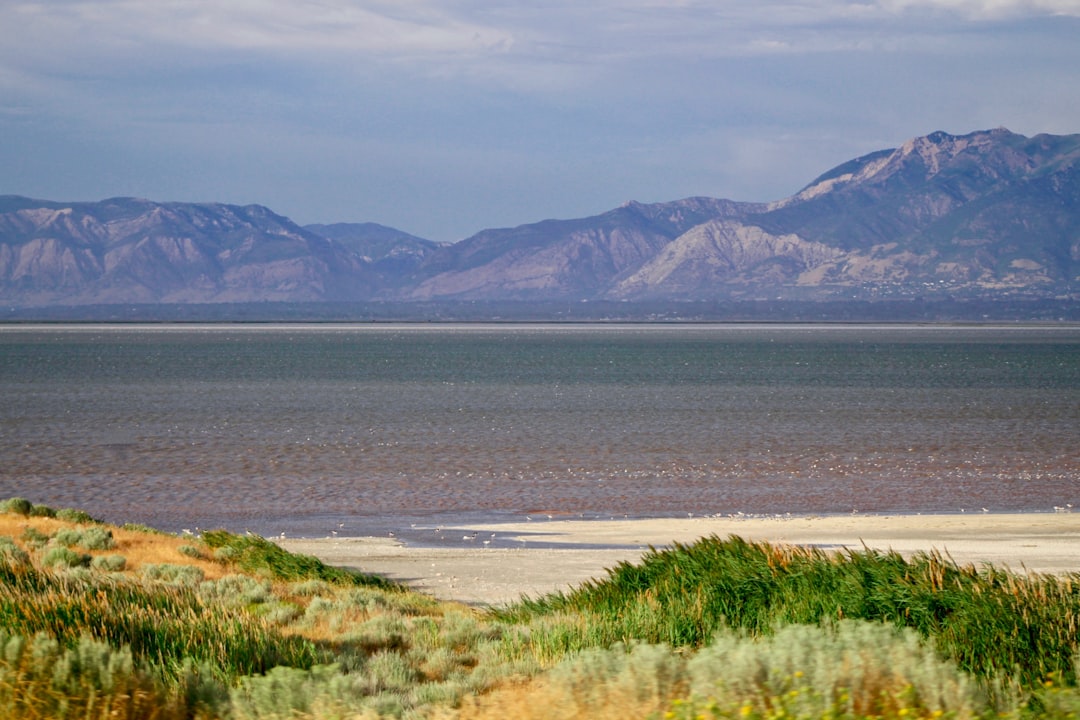
The Great Salt Lake, a shimmering expanse of brine and life, has long been a cornerstone of Utah’s identity. However, dwindling water levels have cast a long shadow over its future, threatening not only an ecosystem unique in its resilience but also the economic and environmental stability of the region. In response, a critical initiative has emerged: the Great Salt Lake Restoration Fund Bond. This bond represents a concerted effort to marshal resources effectively and decisively, acting as a lifeline thrown to an ailing giant.
The urgency of the situation cannot be overstated. For years, the lake has been shrinking, its once vast shores receding like a forgotten memory. This shrinkage is not merely an aesthetic concern; it carries profound implications for everything from the migratory birds that depend on its unique habitat to the air we breathe in the surrounding valleys. The dust plumes, once a mere inconvenience, now carry a potent cocktail of heavy metals, a stark reminder of what lies beneath the receding waters. The Restoration Fund Bond is designed to confront these multifaceted challenges head-on, offering a financial framework to implement long-overdue remedial actions.
Understanding the Great Salt Lake and Its Predicament
The Great Salt Lake is an endorheic lake, meaning it has no outlet to the sea. Its salinity is a direct result of its isolation and the evaporation of water, leaving dissolved minerals behind. This high salinity creates a specialized environment that supports a robust food web, crucial for millions of migratory birds that depend on the lake as a vital stopover point on their biannual journeys. The lake is also a source of valuable mineral extraction, contributing significantly to Utah’s economy.
The Ecological Significance: A Bird’s-Eye View
The lake’s ecosystem is a marvel of adaptation. Brine shrimp and brine flies are the primary producers, thriving in the hypersaline conditions. These tiny creatures form the base of the food chain, supporting vast populations of waterfowl, shorebirds, and other avian species. For many of these birds, the Great Salt Lake is not just a resting place but an essential refueling station, a critical oasis in their long migratory routes. The decline of the lake directly translates to a decline in these food sources, imperiling the survival of these species.
Economic Drivers: Beyond the Water
The economic importance of the Great Salt Lake extends far beyond its ecological value. Various industries rely on the lake’s resources. Mineral extraction, particularly of potash, magnesium, and lithium, is a significant economic contributor. The brine shrimp industry, harvesting eggs for aquaculture feed, is another vital sector. Furthermore, the lake supports recreational activities and tourism, though these are increasingly under threat as the lake diminishes.
The Root Causes of Decline: A Complex Web
The shrinking of the Great Salt Lake is not attributable to a single factor but rather a confluence of complex issues. Primary among these is reduced water inflow. Diversion of freshwater from the rivers and streams that feed the lake for agricultural, industrial, and municipal uses has significantly curtailed the amount of water reaching the Great Salt Lake. Climate change, exacerbating drought conditions and increasing evaporation rates, further compounds this problem.
The Great Salt Lake Restoration Fund Bond is a crucial initiative aimed at revitalizing the ecosystem of one of the largest saline lakes in the Western Hemisphere. For further insights into the ongoing efforts and challenges associated with the restoration of this vital natural resource, you can read a related article that discusses various environmental strategies and their implications. Check it out here: related article.
The Great Salt Lake Restoration Fund Bond: A Proposed Solution
The Great Salt Lake Restoration Fund Bond is a proposed mechanism to generate the substantial funding necessary to address the complex challenges facing the lake. It is envisioned as a long-term financial commitment, providing a stable and dedicated source of revenue for restoration projects. This bond represents a significant investment in Utah’s future, acknowledging that the health of the lake is intrinsically linked to the prosperity and well-being of its people.
Structure and Purpose: Laying the Foundation
The bond, typically issued by the state or a designated agency, would involve borrowing money from investors. This borrowed capital would then be channeled into a dedicated fund, earmarked for specific, science-based restoration initiatives. The repayment of the bond, along with interest, would be secured by dedicated revenue streams, the specifics of which are subject to legislative approval and market conditions. The primary purpose is to create a financial engine capable of powering a comprehensive, multi-pronged restoration strategy.
The recent discussions surrounding the Great Salt Lake restoration fund bond have sparked interest in various environmental initiatives aimed at preserving vital ecosystems. A related article that delves into the broader implications of such restoration efforts can be found at My Geo Quest, which explores the significance of wetlands and their role in maintaining biodiversity. As the Great Salt Lake faces challenges due to climate change and water diversion, understanding these interconnected issues becomes increasingly important for sustainable management.
Funding Allocation: Directing the Current
The successful implementation of any restoration effort hinges on the strategic allocation of funds. The bond’s proceeds are intended to support a range of activities, from direct water conservation efforts to research and monitoring programs. A key aspect of the allocation strategy will be to ensure that funds are directed towards projects with the greatest potential impact, prioritizing evidence-based solutions and adaptive management strategies.
Governance and Oversight: Ensuring Accountability
Robust governance and oversight mechanisms are crucial to ensure that the funds raised by the bond are used effectively and transparently. Independent bodies would likely be established to oversee the fund’s operations, manage project selection, and monitor progress. This ensures that taxpayer dollars, and the capital from investors, are managed responsibly and align with the overarching goals of lake restoration.
Key Restoration Strategies Enabled by the Bond
The financial capacity provided by the Great Salt Lake Restoration Fund Bond would unlock a suite of critical restoration strategies. These strategies are designed to address the multifaceted nature of the lake’s decline, targeting both its water deficit and the underlying environmental impacts. Without this dedicated funding, many of these essential interventions would remain aspirational.
Water Conservation and Efficiency Programs: Stemming the Flow
A cornerstone of any lake restoration effort is the urgent need to conserve and increase freshwater inflow. The bond would provide the means to significantly expand and enhance existing water conservation programs.
Agricultural Water Use Optimization: A Drop in the Bucket
Agriculture is a major consumer of freshwater in the region. Funding from the bond can support innovative agricultural practices that reduce water use without compromising crop yields. This could include the adoption of more efficient irrigation technologies, such as drip irrigation, and the implementation of water-wise crop rotations. Investing in research and development for drought-resistant crops would also be a crucial component.
Municipal and Industrial Water Conservation: Rethinking Our Footprint
Urban areas and industries also contribute to the demand for freshwater. The bond can finance initiatives that promote water conservation in these sectors, such as upgrading water infrastructure to reduce leaks, incentivizing water-efficient landscaping, and promoting industrial water recycling and reuse. Public education campaigns aimed at fostering a culture of water conservation would also be a priority.
Jordan River and Northern Utah Water Management: Redirecting the Lifeblood
The Jordan River and other tributary systems are vital arteries delivering water to the Great Salt Lake. The bond can support projects aimed at improving the management and flow of these water sources.
Ecosystem Restoration of Tributaries: Healing the Wounds
Restoring the ecological health of the rivers and streams that feed the lake is paramount. This can involve projects to improve stream health, remove barriers to fish passage, and restore riparian habitats. Healthy tributaries are more efficient at delivering water to the lake and contribute to its overall ecological integrity.
Water Reuse and Augmentation Projects: Finding New Sources
Exploring opportunities for water reuse and augmentation is another critical area. This could involve investing in advanced wastewater treatment technologies to allow for greater reuse of treated effluent for non-potable purposes, thereby freeing up freshwater for the lake. Innovative approaches to collecting and storing stormwater could also be explored.
Dust Suppression and Habitat Rehabilitation: Mitigating the Consequences
As the lake recedes, the exposed lakebed poses significant environmental risks, particularly through dust storms. The bond would fund initiatives to mitigate these impacts.
Vegetative Cover and Stabilization: Reclaiming the Shoreline
Re-establishing vegetation on the exposed lakebed is a critical strategy for dust suppression. Funding can be used for research into the most effective plant species for the saline conditions and for the implementation of large-scale planting and stabilization projects. This would help to bind the soil and prevent wind erosion.
Invasive Species Management: Protecting the Native Ecosystem
The changing conditions of the lake can create opportunities for invasive species to gain a foothold, further disrupting the delicate ecosystem. Funding would support programs to monitor and manage invasive species, protecting native flora and fauna.
Research, Monitoring, and Adaptive Management: Charting the Course
A scientific understanding of the lake is essential for effective restoration. The bond would bolster research and monitoring efforts.
Scientific Research into Lake Dynamics: Understanding the Pulse
Continued research into the complex hydrological, ecological, and chemical dynamics of the Great Salt Lake is vital. Funding would support studies aimed at improving our understanding of salinity levels, water chemistry, and the impact of various stressors on the ecosystem.
Advanced Monitoring Technologies: Keeping a Vigilant Eye
Investing in advanced monitoring technologies, such as remote sensing, sensor networks, and data analytics, would provide real-time insights into the lake’s condition. This data is crucial for informed decision-making and adaptive management.
Public Education and Engagement: Building a Collective Will
Effective restoration requires broad public understanding and support. The bond can fund public outreach and education programs to inform residents about the importance of the Great Salt Lake, the threats it faces, and the ongoing restoration efforts. Building a collective will and shared responsibility is a powerful catalyst for change.
The Role of the Restoration Fund Bond in Securing the Lake’s Future
The Great Salt Lake Restoration Fund Bond is not merely a financial instrument; it is a declaration of intent. It signifies a commitment by the people of Utah to actively participate in the rescue of a vital natural resource. It is an acknowledgment that the lake’s health is a shared responsibility, requiring dedicated resources and a long-term vision.
A Long-Term Investment: Cultivating Resilience
The Great Salt Lake has weathered environmental changes for millennia, but the current challenges are unprecedented in their scale and speed. The bond represents a long-term investment, a promise to nurture and restore the lake over time, fostering its resilience against future environmental pressures. It is akin to planting an orchard, understanding that the fruits of labor will be realized over years, not days.
Economic Benefits Reimagined: A Brighter Horizon
The economic benefits derived from a healthy Great Salt Lake will be revitalized and potentially expanded. The bond’s success in restoring the lake can lead to the resurgence of the mineral extraction and brine shrimp industries, the stabilization of recreational tourism, and the creation of green jobs in restoration and conservation efforts. It is about ensuring that the economic engine of Utah continues to hum, powered by a healthy environment.
Environmental Security: Breathing Room for the Ecosystem
The environmental security that the bond aims to achieve is multifaceted. It means cleaner air for the Wasatch Front, as dust plumes are reduced. It means providing a stable habitat for millions of migratory birds, ensuring the continuation of their incredible journeys. It means safeguarding a unique saline ecosystem for future generations to study and appreciate. It is about creating an environmental buffer, a sanctuary in a rapidly changing world.
The Interconnectedness of Water and Life: A Fundamental Truth
Ultimately, the success of the Great Salt Lake Restoration Fund Bond is tied to a fundamental truth: the interconnectedness of water and life. The lake is not an isolated entity; it is a critical node in a vast ecological and economic network. By investing in its restoration, we are investing in the health and vitality of the entire region. This bond offers a tangible path forward, a chance to turn the tide and ensure that the Great Salt Lake, a jewel of the Intermountain West, continues to shine for generations to come.
FAQs
What is the Great Salt Lake Restoration Fund Bond?
The Great Salt Lake Restoration Fund Bond is a financial measure designed to raise funds specifically for the restoration and preservation of the Great Salt Lake and its surrounding ecosystem. The bond provides capital for projects aimed at improving water quality, habitat restoration, and overall environmental health of the lake.
Why is the Great Salt Lake Restoration Fund Bond important?
The bond is important because the Great Salt Lake faces significant environmental challenges, including declining water levels, habitat loss, and pollution. Funding from the bond supports efforts to address these issues, helping to protect wildlife, support local economies, and maintain the lake’s ecological balance.
How are the funds from the Great Salt Lake Restoration Fund Bond used?
Funds from the bond are typically allocated to various restoration projects such as wetland rehabilitation, water quality improvement initiatives, infrastructure upgrades, and scientific research. The goal is to enhance the lake’s resilience and ensure its long-term sustainability.
Who oversees the management of the Great Salt Lake Restoration Fund Bond?
Management and oversight of the bond funds are usually handled by state agencies, environmental organizations, and local governments. These entities collaborate to prioritize projects, allocate resources, and monitor the progress and effectiveness of restoration efforts.
How can the public support or get involved with the Great Salt Lake Restoration Fund Bond initiatives?
The public can support the bond initiatives by voting in favor of bond measures during elections, participating in community meetings, volunteering for restoration projects, and staying informed about ongoing efforts. Public engagement helps ensure accountability and promotes successful restoration outcomes.