The Snow Engine: Powering the American West
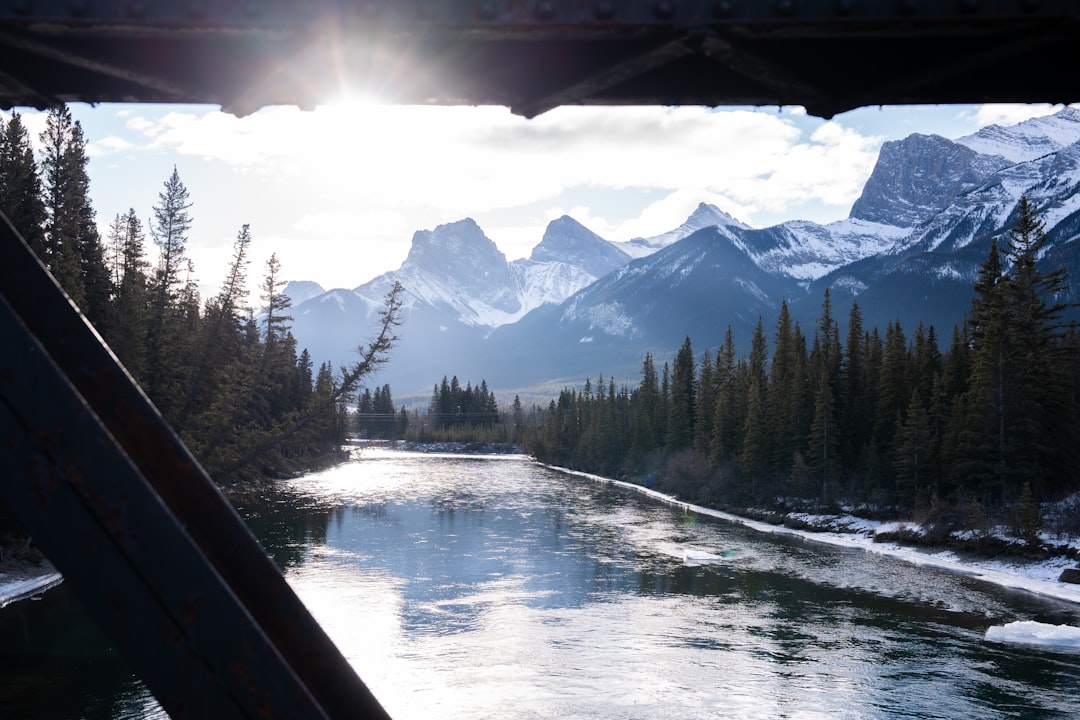
The American West, a vast expanse characterized by its arid landscapes and towering mountain ranges, has long been a territory of both immense opportunity and significant challenge. Among the most critical resources sustaining its development, and often a bottleneck to growth, is water. For decades, a singular, ingenious, and arguably underappreciated technology played a pivotal role in managing and distributing this lifeblood: the Snow Engine. This article will delve into the history, function, impact, and eventual decline of the Snow Engine, a system that, for a time, was the beating heart of irrigation and industrial progress across large swathes of the western United States.
The late 19th and early 20th centuries witnessed an unprecedented wave of migration and settlement in the American West. Settlers, drawn by the promise of land and opportunity, found themselves in a climate that, while beautiful, demanded an entirely different approach to agriculture and industry than that found in the rain-fed East. Rainfall was unpredictable, often concentrated in brief, intense periods, and the vast quantities of snow that accumulated in the high mountains during winter were, for the most part, lost to evaporation and early melting. This “wasted” snow represented a tremendous, untapped reservoir of water.
The Agricultural Imperative
The agrarian dream of the West was perpetually shadowed by the specter of drought. Farmers and ranchers quickly realized that survival, let alone prosperity, depended on a reliable water supply. While early irrigation methods relied on natural river flows and rudimentary diversions, these were often insufficient during the dry summer months. The vast majority of precipitation fell as snow in the mountains, a natural storage system waiting to be understood and harnessed. The need to capture this winter accumulation and release it incrementally during the growing season became a paramount concern for the burgeoning agricultural communities. Without a mechanism to control this potent force, the agricultural frontier would remain perilously fragile.
Industrial Demands and Urban Growth
Beyond agriculture, the growing industrial centers and burgeoning cities of the West also placed increasing demands on water resources. Mining operations, manufacturing plants, and the daily needs of a growing populace required a steady and predictable supply. Rivers, while important arteries, were often over-allocated or subject to seasonal fluctuations that could cripple economic activity. The Snow Engine offered a way to buffer these inconsistencies, providing a more stable foundation for industrial expansion and the growth of urban centers. It was the unseen hand that could keep the gears of progress turning, even when nature’s offerings were parsimonious.
The snow engine of the American West plays a crucial role in shaping the region’s water supply and ecosystem. For a deeper understanding of how snowpack influences agriculture and water management in this area, you can explore the related article found here: Understanding Snowpack and Its Impact on the American West. This article delves into the science behind snow accumulation and its significance for local communities and wildlife.
The Mechanics of the Snow Engine: Harnessing Winter’s Bounty
The term “Snow Engine” is a somewhat poetic and metaphorical designation for a complex system of infrastructure designed to manage snowpack as a reliable water resource. It was not a single mechanical device in the traditional sense, but rather a network of natural and engineered elements that worked synergistically to achieve its purpose. The core principle was to retain snow in its high-mountain location for as long as possible, maximizing its potential to melt gradually and feed downstream water systems.
Snow Fences and Wind Management
A crucial component of the Snow Engine system involved the strategic deployment of snow fences. These structures, often simple yet effective barriers made of wood or wire mesh, were erected in specific locations, typically along ridges and passes where prevailing winds were strongest. Their primary function was to disrupt wind patterns and encourage the accumulation of snow in defined drifts.
The Art of the Drift
Think of snow fences as architects of the winter landscape. By breaking the wind’s relentless force, they create areas of relative calm where snow particles, otherwise carried away, are deposited. This deliberate ‘drift’ was not random; it was carefully orchestrated. The height and spacing of the fences, the topography of the surrounding land, and the typical wind direction were all taken into account to create deep, stable snow accumulations in areas chosen for their ability to slowly release meltwater. These drifts acted as natural reservoirs, insulated by their own mass.
Preserving Montane Snowpack: A Delicate Balance
The fundamental goal was to delay the melting of the snowpack until it was beneficial for downstream users. This involved understanding the microclimates of the mountain environment and how various factors influenced melt rates. The Snow Engine system aimed to create optimal conditions for snow preservation.
Forest Cover and Shade
The presence of forests played an indispensable role. Dense tree cover provided shade, shielding the snowpack from direct sunlight. Furthermore, the forest canopy acted as a physical barrier, reducing the amount of solar radiation that reached the snow’s surface. The act of simply leaving mountain forests intact became, in essence, a vital part of the Snow Engine’s operation. These natural cathedrals of evergreen stood as guardians, preserving the winter’s gift.
Elevation and Aspect
The elevation at which snow accumulated and the aspect (the direction a slope faces) were also critical considerations. Higher elevations naturally retained snow for longer periods. Furthermore, north-facing slopes, receiving less direct sunlight, would hold their snowpack much later into the spring and summer than south-facing slopes. Understanding these nuances allowed for the selection of ideal locations for snow accumulation and management.
Gradual Release and Diversion
Once the snowpack had reached its peak and spring arrived, the process of controlled release began. This was not a sudden deluge, but a carefully managed transition.
Natural Tributaries and Springs
As the snow began to melt, it would naturally feed into the mountain streams and rivers, replenishing their flows. The Snow Engine system, by maximizing the volume of snow and extending its melt period, ensured that these natural tributaries remained strong and consistent for an extended duration. The snowpack essentially acted as a gigantic, slow-release water bottle, filling the veins of the mountain ecosystem.
Diversion Dams and Canals
Engineered structures played a vital role in capturing and directing this meltwater. Diversion dams, often small and unobtrusive, were built across mountain streams to impound water. From these points, a network of canals, flumes, and pipelines would carry the water to agricultural fields, reservoirs, and industrial sites. This engineered plumbing system was the final execution of the Snow Engine’s promise, delivering water precisely where it was needed.
Impact and Significance: The Lifeblood of the West
The Snow Engine, in its various manifestations, had a profound and transformative impact on the development of the American West. It was the silent partner in the agricultural boom, the supportive infrastructure for industrial innovation, and ultimately, a key factor in turning arid lands into habitable and prosperous territories.
Enabling the Agricultural Frontier
Without the predictable supply of water that the Snow Engine helped to secure, the vast prairies and fertile valleys of the West might have remained largely underdeveloped. Irrigation transformed marginal lands into productive farms, allowing for the cultivation of a wide range of crops that were previously impossible. This agricultural surplus not only sustained local populations but also contributed to the wider national economy. The romanticized image of the independent homestead farmer was, in many cases, underpinned by the unglamorous yet essential work of the Snow Engine.
From Dust Bowls to Abundance
The threat of drought and the devastating Dust Bowl phenomenon were significantly mitigated in areas where robust Snow Engine systems were in place. By providing a consistent water source during dry spells, these systems acted as a crucial buffer against ecological and economic disaster. They were a proactive defense against the capricious nature of western weather, allowing agriculture to thrive where it might otherwise have faltered.
Fueling Industrial and Urban Expansion
The reliable water supply was not just for farmers; it was also a critical component for the growing industries of the West. Mining operations, for instance, required significant water for ore processing. Manufacturing plants needed water for cooling and machinery. Furthermore, as cities grew, the demand for potable water, sanitation, and power generation increased. The Snow Engine helped meet these demands, providing the necessary resource to support a thriving industrial and urban ecosystem.
Water as Industrial Lubricant
In many ways, water acted as the essential lubricant for the wheels of western industry. Without it, the complex machinery of mining, milling, and manufacturing would grind to a halt. The Snow Engine provided this critical lubricant, ensuring that the economic engines of the West could continue to run smoothly and efficiently.
Transforming Arid Landscapes
Perhaps the most visible impact of the Snow Engine was its ability to transform previously arid or semi-arid landscapes into verdant and productive regions. Where once there was only scrub and sparse vegetation, the careful management of snowmelt allowed for the creation of vast agricultural plains and the establishment of thriving communities. The very definition of what was “habitable” in the West was, to a significant degree, shaped by the success of these water management systems.
The Green Veins of the Desert
The canals and aqueducts that carried water from the mountains to the plains were like arteries, bringing life to arid lands. These man-made rivers, fed by the meltwater of the Snow Engine, were the visible manifestation of its power, turning seemingly inhospitable deserts into fertile cradles of civilization.
Challenges and Limitations: Cracks in the Foundation
Despite its successes, the Snow Engine system was not without its challenges and inherent limitations. These factors, combined with evolving technologies and changing environmental perspectives, eventually led to its decline as the primary method of water management.
Predictability and Variability
While the Snow Engine aimed to enhance predictability, it was still ultimately dependent on the vagaries of winter snowfall. Years with significantly lower snowfall could still lead to water shortages, even with the most sophisticated systems in place. This inherent variability meant that the system could never guarantee complete immunity from drought.
The Whims of the Atmosphere
Unlike a manufactured dam with a predictable reservoir capacity, the Snow Engine relied on the atmosphere’s willingness to deliver its frosty bounty. A mild winter or unusual weather patterns could significantly diminish the water supply, highlighting the system’s dependence on natural conditions. It was a sophisticated puppet show, but the strings were ultimately held by the weather.
Environmental Considerations and Conflicts
As the West became more populated and industrial, environmental concerns began to surface. The alteration of natural water flows, the impact on riparian ecosystems, and the competition for water resources all presented challenges.
Competing Demands, Finite Resource
The Snow Engine’s success in making water available inevitably led to increased demand. Farmers, industries, cities, and eventually, environmental advocates all vied for a share of this precious resource. The system, designed to manage abundance, often found itself grappling with scarcity as demand outstripped supply. This created friction and conflict, as different stakeholders fought for their claim to the mountain’s meltwater.
The Rise of Modern Reservoirs and Hydroelectric Power
Advancements in engineering and construction technology provided alternative and often more controllable methods of water management. The development of large-scale dams and reservoirs offered the ability to store vast quantities of water and regulate releases with greater precision. Hydroelectric power generation also became a more significant factor, further shaping water resource management strategies.
Concrete Giants Replace Snowdrifts
The era of the Snow Engine began to wane as the era of the concrete dam dawned. These massive structures, capable of impounding much larger volumes of water and providing a more consistent and predictable supply, began to supplant the more subtle and diffuse methods of the Snow Engine. The construction of the Hoover Dam and the Tennessee Valley Authority dams, for example, represented a paradigm shift in water management philosophy, favoring large-scale, engineered solutions over distributed, natural ones.
The snow engine of the American West plays a crucial role in shaping the region’s ecology and economy, influencing everything from water supply to recreational activities. For those interested in exploring this topic further, a related article can be found at My Geo Quest, which delves into the intricate relationship between snowfall patterns and the sustainability of local communities. Understanding these dynamics is essential for addressing the challenges posed by climate change and ensuring the future resilience of the American West.
The Legacy of the Snow Engine: A Foundation for the Future
| Metric | Value | Unit | Description |
|---|---|---|---|
| Annual Snowfall | 300 | inches | Average annual snowfall in the Sierra Nevada region, known as the “Snow Engine” of the American West |
| Snowpack Water Equivalent | 40 | inches | Average water content stored in the snowpack, critical for water supply |
| Snowmelt Runoff | 15 | billion cubic meters | Annual volume of water generated from snowmelt feeding rivers and reservoirs |
| Elevation Range | 4,000 – 14,000 | feet | Elevation range where significant snow accumulation occurs in the Sierra Nevada |
| Contribution to Western US Water Supply | 60 | percent | Percentage of water supply in the American West sourced from snowpack melt |
| Average Snow Density | 0.3 | g/cm³ | Typical density of the snowpack in the region |
While the term “Snow Engine” may have faded from common parlance, its legacy is deeply embedded in the infrastructure and development of the American West. The understanding of hydrology, snowpack management, and the importance of water conservation that was honed during the era of the Snow Engine continues to inform modern practices.
A Blueprint for Water Management
The principles and techniques developed for the Snow Engine laid a crucial foundation for contemporary water resource management. The emphasis on understanding mountain hydrology, managing snowmelt, and strategically diverting water were all invaluable lessons learned during this period.
The Echoes of Ingenuity
Even as modern, more technologically advanced systems have taken center stage, the ingenuity of the early engineers and hydrologists who conceptualized and implemented the Snow Engine remains a testament to human adaptability and problem-solving. They were pioneers who looked at the seemingly unmanageable forces of nature and devised ways to harness them for the benefit of humanity.
Enduring Principles of Conservation
The challenges faced by the Snow Engine, particularly concerning variability and competing demands, underscored the fundamental importance of water conservation. The awareness that water is a finite and precious resource, a lesson learned through years of managing snowmelt, continues to be a critical tenet of western water policy.
The Waterwise Ethos
The legacy of the Snow Engine serves as a constant reminder that water is not an inexhaustible commodity. The careful stewardship and efficient utilization of this resource, an ethos partly forged by the exigencies of snowpack management, remain paramount for the continued prosperity and sustainability of the American West. The whisper of melting snow in the mountains continues to echo the vital lessons of resourcefulness and respect for nature’s gifts.
FAQs
What is the “Snow Engine” of the American West?
The “Snow Engine” refers to the natural and engineered systems that manage snowmelt in the American West, which is crucial for water supply, agriculture, and hydroelectric power in the region.
Why is snowpack important in the American West?
Snowpack acts as a natural reservoir, storing water during the winter and releasing it gradually in the spring and summer, which supports rivers, ecosystems, and human water needs.
How does snowmelt impact water resources in the American West?
Snowmelt provides a significant portion of the annual water supply for the American West, feeding rivers and reservoirs that supply drinking water, irrigation, and energy production.
What challenges does climate change pose to the snow engine of the American West?
Climate change is causing reduced snowpack, earlier snowmelt, and increased variability in precipitation, which threatens water availability, increases drought risk, and affects ecosystems and agriculture.
What measures are being taken to manage the snow engine in the American West?
Efforts include improved snowpack monitoring, water conservation strategies, infrastructure upgrades like reservoirs and dams, and policies aimed at sustainable water management to adapt to changing snow and water patterns.