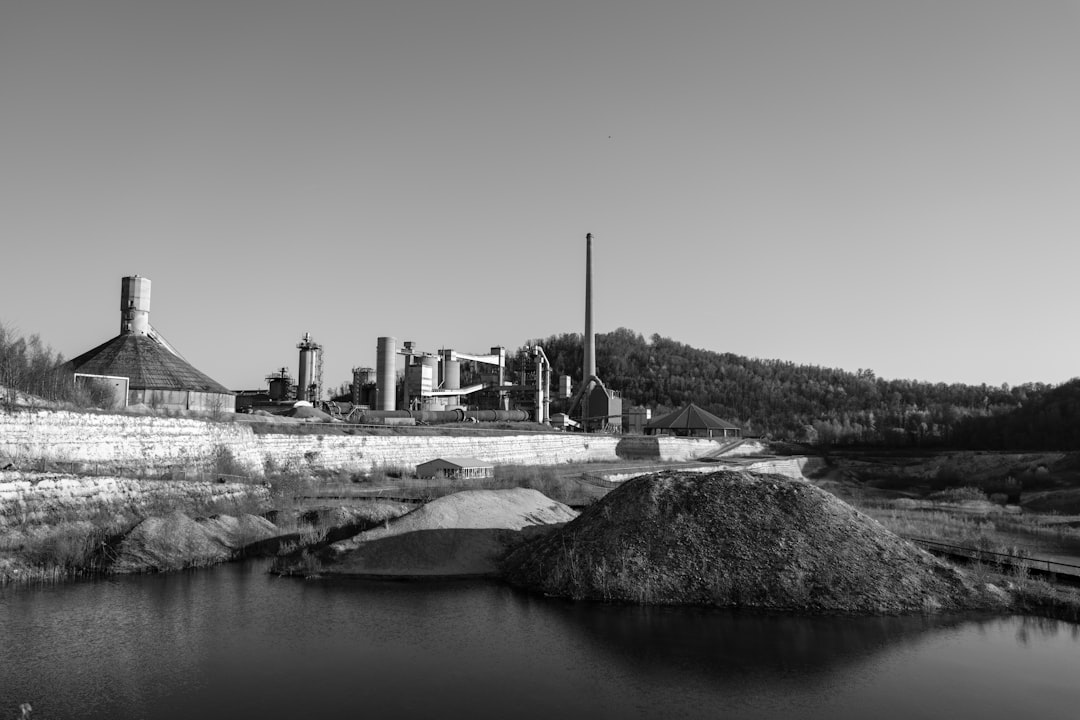
The Great Salt Lake, an iconic natural landmark and a vital ecosystem, is facing a growing environmental challenge. Recent scientific investigations have uncovered alarming evidence of toxic industrial runoff accumulating within its lakebed sediments. This discovery paints a grim picture of the lake’s health, threatening not only its delicate biological balance but also the broader environmental and economic fabric of Utah. Understanding the origin, composition, and potential consequences of these contaminants is crucial for developing effective mitigation strategies and safeguarding this irreplaceable natural resource.
Sources of Industrial Contamination
The Great Salt Lake is not an isolated body of water; it is the terminal point for a vast network of rivers and streams that drain a significant portion of Utah. This drainage basin encompasses a diverse landscape, including urban areas, agricultural lands, and, importantly, numerous industrial sites. For decades, these industries have operated, releasing effluents that, even after treatment, can contain a cocktail of chemical compounds. When these treated or untreated discharges enter the waterways that feed the Great Salt Lake, they become part of a larger flow, gradually depositing their less soluble components onto the lakebed.
Legacy Industrial Sites and Historical Discharges
Many of the industrial operations contributing to the lake’s contaminant burden are not new. Utah has a long history of industrial development, particularly in mining, smelting, and manufacturing. These legacy sites, some of which may no longer be operational, have often left a indelible mark on the surrounding environment. Historical practices, less stringent regulations, and a lack of immediate environmental awareness meant that waste products, including heavy metals and organic pollutants, were frequently discharged directly or indirectly into nearby water bodies. These pollutants, once released, can persist in the environment for decades, slowly migrating through the soil and groundwater systems to eventually reach the Great Salt Lake. The lakebed, in this context, acts as a slow-motion trap, accumulating these historical emissions over time.
Active Industrial Operations and Ongoing Effluent
While legacy sites represent a significant source of historical contamination, active industrial operations continue to contribute to the problem. Modern industrial processes, though often subject to more rigorous environmental controls, still generate wastewater. This wastewater can contain a range of substances, including but not limited to, heavy metals such as arsenic, lead, and mercury, as well as various organic chemicals, solvents, and petroleum products. Even with advanced treatment technologies, trace amounts of these contaminants can remain in the discharged water. Over time, the cumulative effect of these ongoing releases, particularly during periods of high water flow or rainfall events that can mobilize previously deposited pollutants, contributes to the steady accumulation of toxic substances in the lakebed. Understanding the specific types and quantities of contaminants released by each active industrial facility is a critical step in identifying and addressing the most significant ongoing sources.
Urban Runoff and Stormwater Management
Beyond direct industrial discharges, urban environments within the Great Salt Lake watershed also contribute to the contamination. Stormwater runoff from cities and towns carries a myriad of pollutants from a variety of sources. This includes oil and grease from roadways, pesticides and fertilizers from lawns and gardens, and litter and debris from streets. As rainwater flows across impervious surfaces like roads and parking lots, it picks up these substances and carries them into storm drains, which often eventually lead to rivers and streams that feed the Great Salt Lake. While some urban areas have implemented stormwater management systems, these are not always fully effective in removing all contaminants before the water reaches the natural waterways. This diffuse source of pollution, often overlooked in favor of point-source industrial pollution, represents a significant and ongoing challenge to water quality.
Industrial runoff has become a significant concern for the Great Salt Lake, particularly regarding its impact on the sediments that accumulate in the area. A related article discusses the various pollutants that enter the lake from industrial activities and their long-term effects on the ecosystem. For more detailed insights into this pressing environmental issue, you can read the article at My Geo Quest.
Types of Contaminants Identified
The analytical work conducted on the Great Salt Lake sediments has revealed a disturbing array of chemical compounds, each with its own set of environmental and health implications. These contaminants are not merely incidental additions; they represent a persistent chemical imprint of human industrial activity on a sensitive natural system.
Heavy Metals: A Persistent Threat
Heavy metals are among the most commonly identified toxic substances in the Great Salt Lake sediments. These include naturally occurring elements that, when present in elevated concentrations due to industrial activity, can become highly toxic.
Arsenic: Carcinogenic and Bioaccumulative
Arsenic is a metalloid that is frequently associated with mining and smelting activities, particularly those involving copper and gold. It can also be used in some industrial processes and historically in wood preservatives. Arsenic is a known carcinogen and can have a range of adverse health effects, including skin lesions, neurological problems, and cardiovascular disease. In aquatic environments, arsenic can bioaccumulate in the tissues of organisms, moving up the food chain and potentially posing a risk to human health through the consumption of contaminated fish or other aquatic life, although direct consumption of Great Salt Lake organisms is not a common practice.
Lead: Neurotoxin and Developmental Impairment
Lead, another ubiquitous heavy metal, has been used extensively in industrial processes, including battery manufacturing, paint production, and as an additive in gasoline (though largely phased out). Lead is a potent neurotoxin, particularly harmful to children, where it can cause developmental delays, learning disabilities, and behavioral problems. In adults, lead exposure can lead to neurological damage, kidney problems, and reproductive issues. Its presence in lakebed sediments means that disturbances, such as dredging or changes in water flow, could resuspend lead particles, making them more accessible to the environment.
Mercury: A Global Pollutant with Local Impact
Mercury, a naturally occurring element, becomes highly toxic when converted into its organic form, methylmercury. This conversion can occur in aquatic environments through the action of bacteria. Industrial sources of mercury include mercury mining, chlor-alkali plants, and some combustion processes. Mercury is a potent neurotoxin that can cause severe neurological damage, including memory loss, tremors, and vision problems, even at low levels of exposure. Like arsenic and lead, mercury bioaccumulates and biomagnifies in aquatic food webs.
Organic Pollutants: Persistent Chemical Signatures
Beyond inorganic heavy metals, the sediments also contain a variety of organic pollutants. These are carbon-based compounds, often synthetic, that can persist in the environment for long periods and pose various health and ecological risks.
Polycyclic Aromatic Hydrocarbons (PAHs): Products of Incomplete Combustion
Polycyclic Aromatic Hydrocarbons (PAHs) are a group of chemicals formed during the incomplete burning of carbon-containing materials, such as fossil fuels, wood, and garbage. Industrial sources include petroleum refining, coking operations, and emissions from vehicles. PAHs are known for their carcinogenic and mutagenic properties and can persist in sediments for a very long time, acting as a long-term source of exposure for benthic organisms.
Chlorinated Solvents and Industrial Chemicals
Various chlorinated solvents, used extensively in industrial cleaning, degreasing, and manufacturing processes, have also been detected. These chemicals, such as trichloroethylene (TCE) and perchloroethylene (PCE), are persistent in the environment and can be toxic to aquatic life and potentially harmful to human health through various exposure pathways. Their presence in sediments indicates historical or ongoing industrial contamination.
Ecological Impacts on the Great Salt Lake
The accumulation of toxic industrial runoff in the Great Salt Lake sediments poses a significant threat to the lake’s unique and fragile ecosystem. The lake, though saline, supports a surprising array of life, from microscopic organisms to brine shrimp and brine flies, which form the base of the food web, supporting migratory birds. The presence of heavy metals and persistent organic pollutants can disrupt these delicate biological balances in numerous ways.
Substrates for Life: The Lakebed as a Foundation
The lakebed sediments serve as the foundation for much of the lake’s biological activity. Benthic organisms, those that live in or on the bottom sediments, play a crucial role in nutrient cycling and as a food source for other animals. When these sediments become contaminated, they transform from a life-sustaining substrate into a toxic minefield. Organisms that burrow or live directly within the sediments are exposed to the highest concentrations of these pollutants, leading to developmental abnormalities, reduced reproductive success, and increased mortality. This contamination can effectively sterilize large sections of the lakebed, rendering them uninhabitable for many species.
Bioaccumulation and Biomagnification in the Food Web
Heavy metals and persistent organic pollutants have a insidious characteristic: they can accumulate within the tissues of living organisms. This process, known as bioaccumulation, means that as an organism is exposed to these contaminants over time, they build up in its body. When one organism consumes another that has accumulated these toxins, the concentration of the contaminants can increase at each trophic level. This is biomagnification. At the top of the food web, these accumulated toxins can reach levels that cause severe health problems. In the Great Salt Lake, this could impact species like fish (though fish are not common in the lake due to salinity), invertebrates, and ultimately the millions of migratory birds that rely on the lake as a critical stopover point for feeding and nesting.
Impacts on Migratory Birds: A Critical Habitat Under Threat
The Great Salt Lake is a globally significant Important Bird Area, attracting millions of migratory birds annually. These birds depend on the lake for food, particularly the abundant brine shrimp and brine flies. If the base of this food web is compromised by toxic contaminants, or if the birds themselves accumulate toxic substances from the organisms they consume, their health and reproductive success can be severely impacted. This can lead to reduced breeding success, increased susceptibility to disease, and even mortality. The ripple effect of contamination at the base of the food web can have far-reaching consequences for bird populations across continents.
Human Health and Economic Considerations
The contamination of the Great Salt Lake extends beyond ecological concerns; it also carries potential risks to human health and has significant economic implications for the region. While direct human consumption of lake water is not a primary concern due to its salinity, indirect pathways of exposure require careful consideration.
Indirect Exposure Pathways
The primary indirect exposure pathways relate to the potential for contaminated dust to become airborne and inhaled, or for contaminated groundwater to affect other water sources. As the Great Salt Lake shrinks, exposed lakebed sediments can dry out and become susceptible to wind erosion. This dust can then be transported into surrounding communities, potentially leading to inhalation exposure to heavy metals and other toxic substances. Furthermore, if contaminated groundwater plumes migrate from industrial sites or the lakebed itself towards freshwater aquifers, there is a risk of contamination of municipal water supplies, although this is a complex and site-specific concern.
Economic Ramifications: Tourism, Recreation, and Industry
The Great Salt Lake is a significant driver of tourism and recreation in Utah. Activities such as sailing, kayaking, and wildlife viewing attract visitors and generate revenue. If the lake’s ecological health deteriorates due to contamination, or if advisories are issued regarding potential health risks, these activities could be curtailed, leading to economic losses for businesses and communities that rely on them. Additionally, the mining and mineral extraction industries in and around the lake are economically vital. Concerns over contamination could lead to increased regulatory scrutiny, operational costs, and potentially impact the long-term viability of these industries if not managed responsibly.
Industrial runoff has become a significant concern for the Great Salt Lake, particularly regarding its impact on the sediments found in the area. The accumulation of pollutants from various industrial activities can lead to detrimental effects on the ecosystem and water quality. For a deeper understanding of this issue, you can explore a related article that discusses the implications of such runoff on the lake’s environment and health. This insightful piece can be found here.
Mitigation and Remediation Strategies
Addressing the issue of toxic industrial runoff in the Great Salt Lake sediments requires a multi-faceted and long-term approach. It necessitates a combination of stricter regulations, effective remediation techniques, and a commitment to ongoing research and monitoring.
Source Control and Regulatory Enforcement
The most effective long-term strategy is to prevent further contamination by controlling the sources of industrial runoff. This involves rigorous enforcement of environmental regulations for both active industrial facilities and legacy sites. Permits for industrial discharges must be comprehensive, with strict limits on the types and quantities of pollutants allowed. Regular monitoring and testing of industrial effluents are essential to ensure compliance. For legacy sites, responsible parties must be identified and held accountable for the cleanup of historical contamination. This might involve the implementation of containment measures, soil stabilization, and the diversion of contaminated groundwater.
Sediment Management and Remediation Technologies
Once contaminants have entered the lakebed sediments, their removal or containment becomes a significant challenge. Various remediation technologies are available, each with its own advantages and disadvantages.
Dredging and Capping
Dredging involves the physical removal of contaminated sediments. This material can then be treated, disposed of in regulated facilities, or potentially reused if the contaminants can be stabilized. Capping involves placing a layer of clean material, such as sand or gravel, over the contaminated sediments to isolate them from the environment. This can prevent the resuspension of toxins and reduce immediate exposure for benthic organisms. However, dredging can be costly and can temporarily disturb the aquatic environment. Capping is a containment method, not a removal, and the capped contaminants remain within the ecosystem.
In-Situ Treatment and Bioremediation
In-situ treatment methods aim to neutralize or stabilize contaminants within the sediments without removing them. This can involve chemical stabilization, where additives are mixed with the sediments to bind the contaminants in a less mobile and toxic form. Bioremediation, where specific microorganisms are used to break down organic pollutants, can also be employed for certain types of contaminants. These methods are often less disruptive to the aquatic environment than dredging but may not be effective for all types of pollutants, particularly heavy metals.
Ongoing Monitoring and Research
A critical component of any successful strategy is sustained monitoring and research. Continuous monitoring of water quality, sediment composition, and the health of the Great Salt Lake ecosystem is essential to track the effectiveness of mitigation efforts and to identify any emerging threats. Ongoing research is needed to better understand the long-term fate and transport of contaminants in the lake, the impact of these substances on various species, and the development of innovative remediation technologies. This commitment to scientific inquiry will provide the data necessary for informed decision-making and adaptive management strategies to protect this invaluable natural resource for future generations. The Great Salt Lake, a shimmering jewel of the West, is a delicate balance, and understanding and addressing the hidden threat within its depths is a monumental but necessary undertaking.
FAQs
What is industrial runoff in the context of the Great Salt Lake?
Industrial runoff refers to water that carries pollutants from industrial sites into the Great Salt Lake. This runoff can contain chemicals, heavy metals, and other contaminants that settle into the lake’s sediments.
How does industrial runoff affect the sediments of the Great Salt Lake?
Industrial runoff deposits pollutants into the lake’s sediments, which can alter the chemical composition and potentially harm the aquatic ecosystem. Contaminants may accumulate in sediment layers, impacting benthic organisms and water quality.
What are common pollutants found in industrial runoff entering the Great Salt Lake?
Common pollutants include heavy metals such as mercury, lead, and arsenic, as well as organic compounds, salts, and other industrial chemicals that originate from manufacturing, mining, and other industrial activities around the lake.
Why is monitoring industrial runoff important for the Great Salt Lake?
Monitoring is crucial to assess the extent of pollution, understand its impact on the lake’s ecosystem, and develop strategies to mitigate contamination. It helps protect wildlife, maintain water quality, and preserve the lake’s ecological balance.
What measures are taken to reduce industrial runoff into the Great Salt Lake?
Measures include implementing stricter regulations on industrial discharges, improving wastewater treatment processes, creating buffer zones, and promoting sustainable industrial practices to minimize pollutant release into the lake.