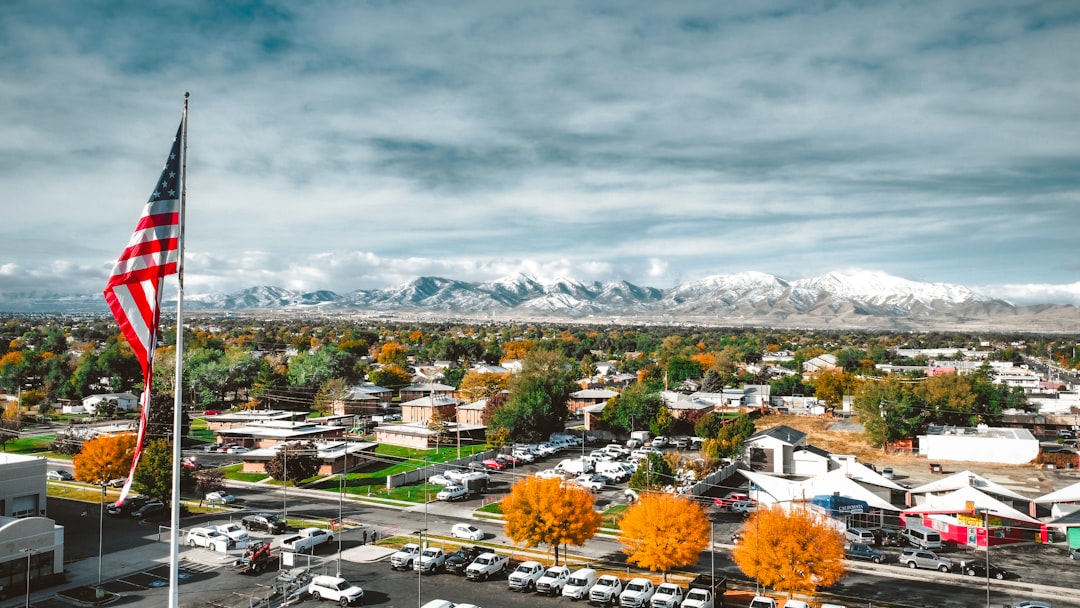
Salt Lake City has enacted a significant policy change, banning the installation of nonfunctional turf across the municipality. This ordinance, aimed at conserving water and bolstering environmental sustainability, directly addresses the substantial water consumption associated with ornamental grass that provides no tangible benefit. The decision reflects a growing awareness of the ecological pressures facing arid and semi-arid regions and positions Salt Lake City as a leader in water-wise urban planning.
The sheer volume of water required to maintain nonfunctional turf is a primary driver behind Salt Lake City’s ban. In a region like the Wasatch Front, where water resources are finite and subject to the vagaries of snowpack and drought, the continuous irrigation of decorative lawns represents a considerable drain. This water is often drawn from municipal supplies, which are carefully managed and increasingly strained.
Understanding “Nonfunctional Turf”
The ordinance specifically targets what is termed “nonfunctional turf.” This category encompasses grassy areas that are not used for recreation, sports, or other productive purposes. Think of the expansive, manicured lawns surrounding commercial buildings, median strips, and areas in front of homes that are primarily aesthetic and rarely trod upon. These patches of green, while visually appealing to some, are essentially water sinks with minimal ecological or practical return.
Quantifying Water Consumption
Estimates for the amount of water used by nonfunctional turf vary, but the figures are consistently alarmingly high. On average, a well-maintained lawn can require one to two inches of water per week during the growing season. For a substantial expanse of nonfunctional turf, this translates to hundreds of thousands, if not millions, of gallons of water annually. This is water that could otherwise be channeled for more essential uses, such as drinking water, agriculture which is the lifeblood of the state, or ecosystem support. In Salt Lake City’s context, where population growth is a persistent factor, water conservation is not merely an environmental ideal; it is a fundamental necessity for future viability.
The Evaporative Drain
Beyond direct irrigation, nonfunctional turf contributes to water loss through evaporation. Hot, arid conditions accelerate the rate at which water escapes from the soil and plant surfaces. This means a significant portion of the water applied to these lawns never even reaches the plant’s roots; it simply dissipates into the atmosphere. This is akin to pouring water into a sieve; the effort is immense, but the retention is minimal.
In light of the recent discussions surrounding the nonfunctional turf ban in Salt Lake City, it’s essential to explore the broader implications of such environmental policies. A related article that delves into the impact of water conservation measures and their effectiveness can be found at this link. This resource provides valuable insights into how cities are adapting to water scarcity and the role of landscaping in sustainable urban development.
Environmental Implications Beyond Water Usage
The impact of nonfunctional turf extends beyond its thirsty nature. The environmental consequences are multifaceted, touching upon biodiversity, chemical use, and urban heat island effects.
Biodiversity Desertification
While seemingly green, nonfunctional turf often represents a sterile monoculture. Vast expanses of a single grass species offer little to no habitat for native insects, birds, or other wildlife. This contributes to a phenomenon known as biodiversity desertification, where urban landscapes, despite their green appearance, become ecological deserts. Native flora, on the other hand, supports intricate food webs and provides crucial resources for local fauna.
Chemical Inputs and Runoff
The maintenance of nonfunctional turf frequently involves the application of fertilizers, pesticides, and herbicides. These chemicals, while intended to maintain an immaculate appearance, can have detrimental effects. Fertilizer runoff can pollute local waterways, contributing to eutrophication and harming aquatic ecosystems. Pesticides and herbicides can harm beneficial insects, birds, and even enter the food chain. The water that flows off these treated lawns, often through storm drains, carries these contaminants directly into rivers and lakes, impacting the health of these vital water bodies.
The Urban Heat Island Effect
Lawns, especially large ones, can contribute to the urban heat island effect. While trees and other vegetation provide shade and release water vapor through transpiration, cooling the surrounding environment, turfgrass, when mowed short and lacking shade, can absorb and retain solar radiation. This can exacerbate already high summer temperatures in urban areas, leading to increased demand for air conditioning, further straining energy resources and contributing to greenhouse gas emissions.
Economic Considerations
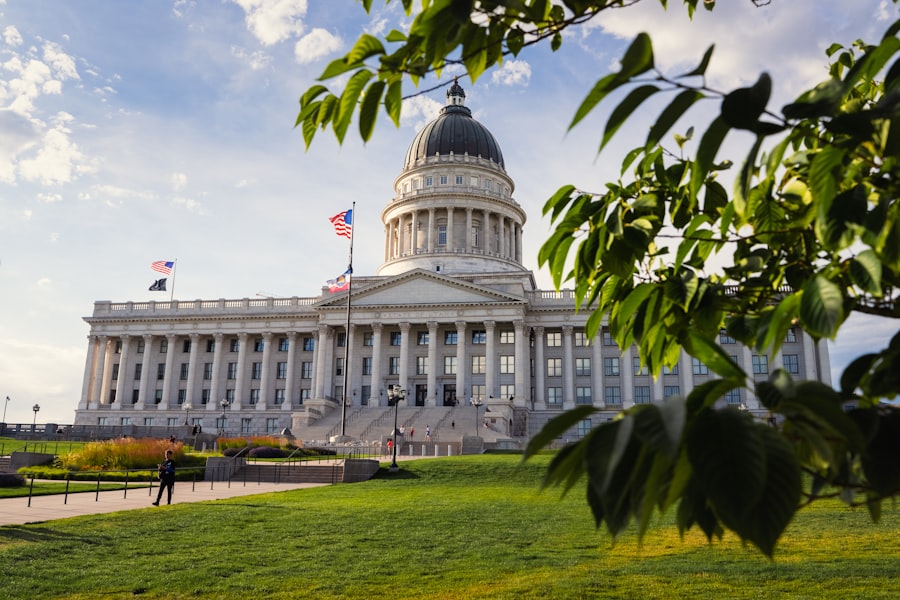
While the aesthetic appeal of nonfunctional turf might seem like a worthwhile investment to some, the economic realities are increasingly tilting against it. The costs associated with water, maintenance, and the lost opportunities for more beneficial land use are significant.
Direct Maintenance Costs
Beyond water, there are the costs of mowing, fertilizing, aerating, and pest control. These ongoing expenses can add up substantially over time, especially for large commercial or municipal properties. This is money that could be reinvested in community services, infrastructure, or other more productive ventures.
The Opportunity Cost of Land Use
The land occupied by nonfunctional turf could be utilized for a variety of more beneficial purposes. This could include drought-tolerant landscaping, community gardens, permeable surfaces that aid in stormwater management, or even development that generates tax revenue and employment. Keeping vast swathes of land dedicated to water-guzzling grass represents a missed opportunity for more sustainable and economically viable land use.
Potential for Cost Savings
Conversely, the ban on nonfunctional turf presents an opportunity for significant cost savings. Municipalities can redirect funds previously spent on irrigating these areas to more impactful initiatives. Property owners who transition to water-wise landscaping can see a dramatic reduction in their water bills and maintenance expenses. This shift is not just about environmental responsibility; it’s about fiscal prudence.
Alternatives to Nonfunctional Turf
With the ban in place, Salt Lake City residents and businesses are presented with a compelling array of alternatives that are both aesthetically pleasing and environmentally sound. The transition away from water-intensive lawns allows for the embrace of landscapes that are more in tune with the local climate and ecosystems.
Drought-Tolerant Landscaping (Xeriscaping)
Xeriscaping, a portmanteau of “xeros” (Greek for dry) and “landscaping,” is a cornerstone of water-wise design. This approach emphasizes the selection of plants that are naturally adapted to arid or semi-arid conditions, requiring minimal supplemental irrigation once established.
Native Plants
The most effective xeriscaping often features native plants. These species have evolved over millennia to thrive in Salt Lake City’s climate and soil conditions. They are not only water-efficient but also provide essential habitat for local wildlife, contributing to a vibrant urban ecosystem. Examples include various species of sagebrush, rabbitbrush, apache plume, and native grasses.
Drought-Resistant Non-Native Plants
A variety of non-native plants also possess excellent drought tolerance. Succulents, ornamental grasses, and certain shrubs from other arid regions can add texture, color, and interest to landscapes. However, careful consideration should be given to their potential invasiveness in the local environment.
Mulching as a Water-Saving Strategy
A critical component of xeriscaping is the use of mulch. A layer of organic or inorganic mulch around plants helps to suppress weeds, retain soil moisture by reducing evaporation, and moderate soil temperatures, protecting plant roots.
Permeable Surfaces and Water-Wise Hardscaping
Beyond plant choices, the ban also encourages the adoption of permeable surfaces and water-wise hardscaping that can help manage stormwater and reduce runoff.
Permeable Pavers and Gravel
Replacing impervious surfaces like concrete or asphalt with permeable pavers or gravel allows rainwater to infiltrate the soil, recharging groundwater and reducing the burden on storm drain systems. This can also help mitigate localized flooding.
Decorative Gravel and Rock Gardens
The use of decorative gravel, rocks, and boulders can create visually appealing and low-maintenance landscapes. These elements are well-suited to arid environments and can be integrated with drought-tolerant planting schemes.
Artificial Turf: A Nuanced Consideration
Artificial turf has emerged as a popular alternative for some, offering a perpetually green appearance with minimal water use. However, its environmental profile is subject to debate and warrants careful consideration.
The Water Savings Argument
The primary appeal of artificial turf is its substantial reduction in water consumption, as it requires no irrigation to maintain its aesthetic. This can represent a significant saving, particularly in high-demand areas.
Environmental Drawbacks of Artificial Turf
Despite the water savings, artificial turf has its own set of environmental considerations. The manufacturing process can be energy-intensive and may involve the use of petroleum-based plastics. Disposal can also be a challenge, as it is not readily biodegradable. Furthermore, artificial turf can absorb and retain heat, contributing to the urban heat island effect, and may not provide the same ecological benefits as living plants in terms of air purification and habitat provision. Its long-term impact on soil health and potential microplastic pollution are also areas of ongoing research and concern.
In recent discussions surrounding environmental sustainability, the nonfunctional turf ban in Salt Lake City has gained significant attention. This initiative aims to conserve water and promote more eco-friendly landscaping practices. For those interested in exploring the broader implications of such policies, a related article can be found at My Geo Quest, which delves into the impact of urban landscaping on local ecosystems and water conservation efforts. This ban not only addresses immediate water scarcity issues but also encourages residents to rethink their outdoor spaces in a more sustainable manner.
The Process of Transition and Community Impact
| Metric | Value | Details |
|---|---|---|
| Ban Implementation Date | January 2023 | Salt Lake City officially banned nonfunctional turf in public and commercial spaces |
| Area Covered by Ban | Approximately 500 acres | Nonfunctional turf areas affected within city limits |
| Water Savings Estimated | Up to 30 million gallons/year | Projected reduction in water usage due to turf removal |
| Enforcement Agency | Salt Lake City Public Utilities | Responsible for monitoring and enforcing the ban |
| Exemptions | Sports fields, playgrounds | Functional turf areas allowed to remain |
| Penalty for Non-Compliance | Fines up to 1,000 per violation | Monetary penalties for property owners not complying |
| Public Awareness Campaign | Launched Q4 2022 | Educational efforts to inform residents and businesses |
The implementation of the nonfunctional turf ban in Salt Lake City is more than just a policy; it represents a shift in the urban landscape and a call to action for its residents and businesses. The success of this initiative hinges on coordinated efforts and community engagement.
Educational Outreach Programs
For the ban to be effective, a robust educational outreach program is essential. The city needs to clearly communicate the reasons behind the ban, explain the definitions of nonfunctional turf, and provide accessible information on the available alternatives. Workshops, online resources, and public information campaigns can equip residents and businesses with the knowledge and inspiration to make the necessary changes.
Incentive Programs and Rebates
To encourage the adoption of water-wise landscaping, financial incentives can be a powerful tool. Rebates for removing turf and replacing it with drought-tolerant plants or permeable surfaces can offset some of the initial costs. These programs can make the transition more accessible and affordable for a wider range of property owners.
Municipal Leadership and Example Setting
The city itself has a crucial role to play by leading by example. Municipal properties, parks, and streetscapes that are converted to water-wise landscaping demonstrate the feasibility and beauty of these alternatives, serving as tangible inspiration for the community. This visual commitment reinforces the importance of the policy and encourages broader adoption.
Long-Term Vision for a Water-Wise City
The ban on nonfunctional turf is a significant step toward a more sustainable future for Salt Lake City. It is a recognition that in a region defined by its natural beauty and its precious water resources, thoughtful stewardship is paramount. As the city continues to grow and face the challenges of a changing climate, this policy lays the groundwork for a resilient and thriving urban environment, one where green spaces are not just decorative but ecologically functional and water-responsible. The transformation from expansive, thirsty lawns to diverse, drought-tolerant landscapes will not only conserve a vital resource but also foster a healthier, more biodiverse, and ultimately more livable city for generations to come.
FAQs
What is the nonfunctional turf ban in Salt Lake City?
The nonfunctional turf ban in Salt Lake City is a regulation that prohibits the installation of nonfunctional turf areas, which are lawns or grassy spaces that are not used for recreational or functional purposes. The goal is to reduce water consumption and promote sustainable landscaping.
When did the nonfunctional turf ban take effect in Salt Lake City?
The nonfunctional turf ban in Salt Lake City took effect on July 1, 2023. From this date forward, new developments and renovations are required to comply with the ban.
What areas are considered nonfunctional turf under the ban?
Nonfunctional turf refers to grass areas that are primarily decorative and do not serve a recreational or practical function, such as large expanses of lawn in front yards, medians, or other spaces that are not used for activities like sports, play, or community gatherings.
Are existing nonfunctional turf areas required to be removed?
The ban primarily applies to new installations and significant renovations. Existing nonfunctional turf areas are generally grandfathered in and do not need to be removed unless they undergo major landscaping changes or redevelopment.
What alternatives are encouraged instead of nonfunctional turf?
Salt Lake City encourages the use of drought-tolerant landscaping, native plants, xeriscaping, and other water-efficient landscaping practices as alternatives to nonfunctional turf. These alternatives help conserve water and support environmental sustainability.