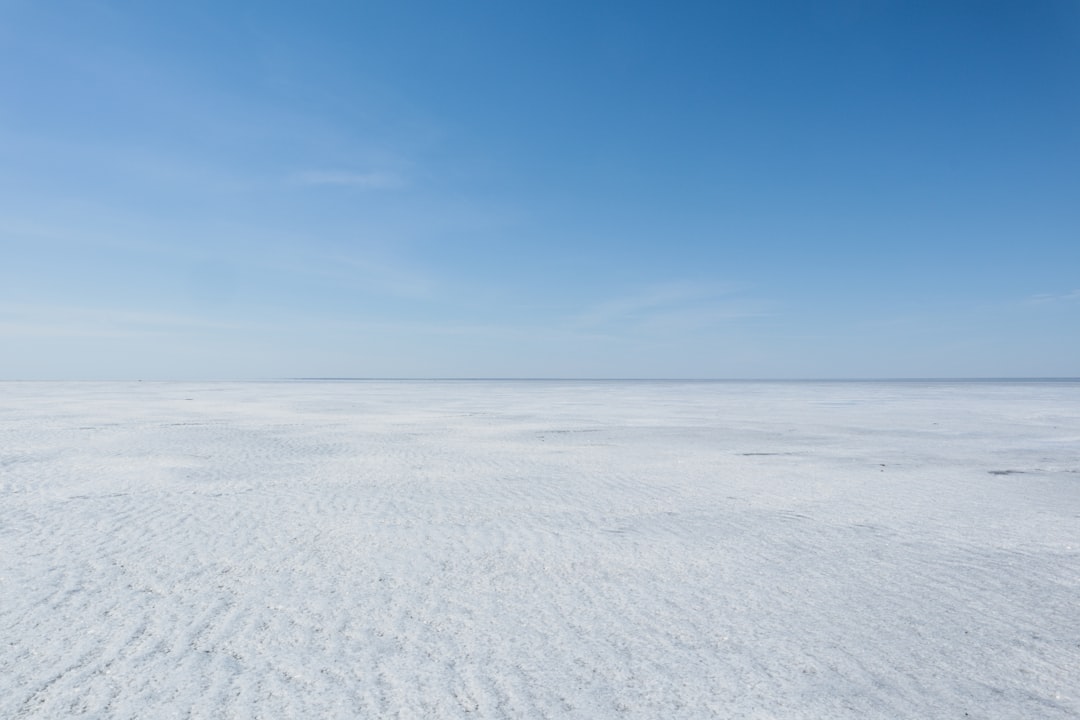
The Great Salt Lake, a majestic inland sea in Utah, has long been a prominent feature of the Western United States landscape. However, in recent years, a concerning phenomenon has emerged: the rising frequency of dust storms emanating from its exposed lakebed. This article will explore the causes, impacts, and potential solutions associated with this escalating environmental challenge.
The Great Salt Lake’s current predicament is not a sudden event but rather a slow, inexorable decline. Decades of human activity, coupled with changing climatic patterns, have placed immense pressure on its water resources. Understanding the root causes of this shrinkage is crucial to grasping the underlying reasons for the increased dust storms.
Decades of Diversion: Agriculture’s Thirst
The agricultural sector, a cornerstone of Utah’s economy, is a significant contributor to the Great Salt Lake’s dwindling water supply. A vast network of canals and pumps diverts water from the rivers that feed the lake, primarily for irrigation. While essential for food production and economic prosperity, these diversions have fundamentally altered the natural hydrological balance. Consider it akin to a massive sponge being squeezed relentlessly, leaving less and less of its original moisture.
Domestic Water Use: A Growing Demand
As Utah’s population has grown, so too has the demand for domestic water. Municipalities and households across the state rely on the same water sources that feed the Great Salt Lake. While individual household consumption may seem minor, the cumulative effect of millions of people drawing from the same limited pool is substantial. This increasing demand further exacerbates the water deficit, leaving the lake with less water to sustain its ecosystem and buffer its exposed shores.
Climate Change: A Powerful Unseen Hand
The overarching influence of climate change cannot be overstated. Rising global temperatures lead to increased evaporation from the lake’s surface, a direct loss of water. Furthermore, warmer winters often result in less snowfall in the surrounding mountains, the primary source of the lake’s inflow. This reduced snowpack means less meltwater trickling down to replenish the lake. Climate change acts as a relentless foe, accelerating the decline, much like a steady breeze fanning the embers of a fire.
Recent studies have highlighted the increasing frequency of dust storms originating from the Great Salt Lake, raising concerns about air quality and public health. An insightful article discussing the implications of these dust storms can be found at My Geo Quest, where researchers delve into the environmental factors contributing to this phenomenon and its potential impact on surrounding communities.
From Brine to Dust: The Mechanics of Dust Storm Generation
As the Great Salt Lake recedes, vast expanses of its saline lakebed are exposed to the elements. This exposed sediment, once submerged and held in place by the water, becomes vulnerable to wind erosion, leading to the formation of dust storms. Understanding the specific characteristics of this dust is vital for assessing its potential harm.
The Dry, Salty Seabed: A Fertile Ground for Dust
The exposed lakebed is composed of fine-grained sediments, often rich in salts and minerals. When these sediments dry out, they become easily dislodged by even moderate winds. The loose, powdery nature of this material makes it an ideal candidate for becoming airborne. Imagine a vast, dry sandbox waiting for a gust of wind to send its contents spiraling.
Wind Patterns: The Conveyor Belt of Dust
The prevailing wind patterns in the Great Salt Lake region play a critical role in the generation and propagation of dust storms. Winds originating from the west and southwest are particularly effective at sweeping across the exposed lakebed and carrying the fine particulate matter eastward over populated areas. These winds act as a powerful natural conveyor belt, transporting the problem to where it can have the most significant impact on human health and infrastructure.
Particle Size: The Invisible Threat
The dust generated from the Great Salt Lake is not uniform. It includes a range of particle sizes, with the smallest, known as fine particulate matter (PM2.5), posing the greatest health concern. These microscopic particles can penetrate deep into the lungs and even enter the bloodstream, leading to a variety of respiratory and cardiovascular issues. The invisibility of these particles belies their potent danger.
The Tangible Threats: Impacts of Great Salt Lake Dust Storms
The consequences of increased dust storms are far-reaching, affecting environmental health, human well-being, and economic activities. These storms are not merely an aesthetic nuisance; they represent a tangible threat to communities living in their path.
Public Health: A Respiratory Burden
The inhalation of dust, particularly the fine particulate matter, poses significant risks to public health. Individuals with pre-existing respiratory conditions, such as asthma and COPD, are especially vulnerable. Exposure can lead to increased hospitalizations, doctor visits, and a general decline in respiratory function. It is like breathing in a thousand tiny needles, each one causing irritation and damage.
Air Quality Degradation: A Diminished Skyline
Dust storms dramatically reduce air quality, often rendering it unhealthy for prolonged exposure. Visibility plummets, creating hazardous driving conditions and disrupting daily life. The iconic vistas of the Wasatch Front become obscured by a murky haze, a stark reminder of the environmental degradation at play. The sky, once a canvas of blue, is painted with a gritty brown.
Economic Repercussions: From Tourism to Infrastructure
The economic impacts are multifaceted. Degraded air quality can deter tourism, a vital industry for Utah. Furthermore, the fine dust can accumulate on solar panels, reducing their efficiency and increasing maintenance costs. Delicate infrastructure, including electronics and machinery, can also be damaged by the abrasive particles. The financial cost of this environmental challenge is substantial and growing.
Ecological Disruption: A Salty Interruption
The dust also carries salts and minerals that can disrupt delicate ecosystems. When deposited on vegetation or in agricultural lands, these salts can alter soil chemistry and hinder plant growth. The very brine that defines the lake is now, in its airborne form, a disruptive force to the surrounding environment.
Seeking Solutions: Mitigating Dust and Revitalizing the Lake
Addressing the rising frequency of Great Salt Lake dust storms requires a comprehensive approach that tackles both the immediate problem of dust mitigation and the long-term solution of restoring the lake’s water levels.
Dust Suppression Measures: A Band-Aid Solution
Various methods are being employed or considered to suppress dust on the exposed lakebed. These include:
Water Sprays: A Temporary Relief
The strategic application of water to the lakebed can temporarily dampen the surface and reduce dust generation. However, this is a labor-intensive and water-intensive solution that is only effective for short periods and in limited areas. It is akin to trying to hold back a flood with a sieve.
Vegetation and Ground Cover: Natural Barriers
Establishing vegetation or applying other ground cover materials can help bind the soil and prevent wind erosion. This is a more sustainable approach but requires significant time and resources to implement on a large scale. It involves coaxing nature to create its own defenses.
Wind Fences and Barriers: Physical Shields
The construction of physical barriers, such as wind fences, can help reduce wind speeds across the exposed lakebed and trap dust. While effective in localized areas, the sheer scale of the exposed lakebed makes this a challenging and potentially costly solution for widespread application. These act as physical shields, attempting to tame the unruly winds.
Water Conservation Efforts: A Fundamental Shift
The most critical long-term solution lies in increasing the water flowing into the Great Salt Lake. This requires a fundamental shift in water management practices across the region.
agricultural water efficiency: optimizing usage
Implementing more efficient irrigation techniques in agriculture, such as drip irrigation and precision watering, can significantly reduce water consumption without compromising crop yields. This is about making every drop count, ensuring that precious water is used wisely.
urban water conservation: reducing demand
Encouraging and incentivizing water conservation in urban areas through tiered pricing, public education campaigns, and water-wise landscaping can help reduce domestic water demand. Every household plays a role in this collective effort.
exploring alternative water sources: a multifaceted approach
Investigating and developing alternative water sources, such as treated wastewater reuse for appropriate purposes or advanced water purification technologies, could supplement existing supplies and reduce reliance on freshwater diversions. This involves looking beyond traditional sources for replenishment.
Policy and Legislation: A Framework for Action
Effective policies and legislation are essential to drive conservation efforts and ensure the long-term health of the Great Salt Lake.
regulatory frameworks for water use: establishing boundaries
Implementing stricter regulations on water diversions and promoting water conservation as a priority can help protect the lake’s water resources. This provides the necessary guardrails for responsible water management.
incentive programs for conservation: encouraging change
Establishing incentive programs that reward individuals, businesses, and agricultural operations for adopting water-saving practices can accelerate the transition to more sustainable water use. These programs act as catalysts for positive change.
inter-agency collaboration: a unified front
Fostering collaboration between state and federal agencies, local governments, and various stakeholders is crucial for developing and implementing effective, integrated solutions. A unified front is essential to tackle a problem of this magnitude.
Recent studies have highlighted the increasing frequency of dust storms originating from the Great Salt Lake, raising concerns about air quality and public health. A related article discusses the environmental factors contributing to this phenomenon and the potential impacts on local communities. For more insights, you can read the full article here. Understanding these dynamics is crucial for developing effective strategies to mitigate the adverse effects of these dust storms.
The Future of the Great Salt Lake: A Choice Between Action and Apathy
| Year | Number of Dust Storms | Average Duration (hours) | Peak Wind Speed (mph) | Visibility Reduction (miles) |
|---|---|---|---|---|
| 2018 | 12 | 3.5 | 45 | 1.2 |
| 2019 | 15 | 4.0 | 50 | 1.5 |
| 2020 | 18 | 3.8 | 48 | 1.3 |
| 2021 | 20 | 4.2 | 52 | 1.7 |
| 2022 | 22 | 4.5 | 55 | 1.8 |
The Great Salt Lake is at a crossroads. The rising frequency of dust storms is a stark warning, a siren call from a declining ecosystem. The choices made today will determine the future health of this iconic natural wonder and the well-being of the communities that depend on it.
The Urgency of the Situation: No Time for Complacency
The current trajectory is unsustainable. Ignoring the problem will only lead to more severe consequences in the future. The lake is a living entity, and its continued decline has ripple effects that touch every aspect of life in Utah. The time for decisive action is now.
A Shared Responsibility: Collective Action for a Collective Future
The health of the Great Salt Lake is a shared responsibility. It requires the commitment of individuals, communities, industries, and government at all levels. Each one of us has a role to play in reversing this trend and ensuring a future where the Great Salt Lake can thrive.
A Vision for Revival: A Resilient Ecosystem and Healthy Communities
The ultimate goal is to see the Great Salt Lake restored to healthier water levels, mitigating the dust storms and protecting the environment and public health. This is not merely an environmental aspiration; it is a vision for a more resilient and prosperous future for all who call Utah home. The promise of a revitalized landscape and healthier communities awaits our collective effort.
FAQs
What causes dust storms around the Great Salt Lake?
Dust storms near the Great Salt Lake are primarily caused by strong winds picking up loose, dry soil and sediment from the exposed lakebed and surrounding areas, especially during periods of drought or low water levels.
How often do dust storms occur in the Great Salt Lake region?
The frequency of dust storms varies depending on weather conditions, lake water levels, and seasonal factors. They tend to be more common during dry, windy periods, particularly in late spring through early fall.
Has the frequency of dust storms increased in recent years?
Yes, studies indicate that dust storm frequency around the Great Salt Lake has increased in recent decades, largely due to declining lake levels exposing more dry lakebed, which serves as a source of dust.
What are the environmental impacts of dust storms from the Great Salt Lake?
Dust storms can degrade air quality, pose health risks to nearby populations, and transport fine particulate matter over long distances, affecting ecosystems and visibility.
Are there any measures being taken to reduce dust storm frequency near the Great Salt Lake?
Efforts to manage dust storms include monitoring lake levels, implementing land management practices to stabilize exposed sediments, and researching ways to restore water inflows to the lake to reduce exposed dry areas.