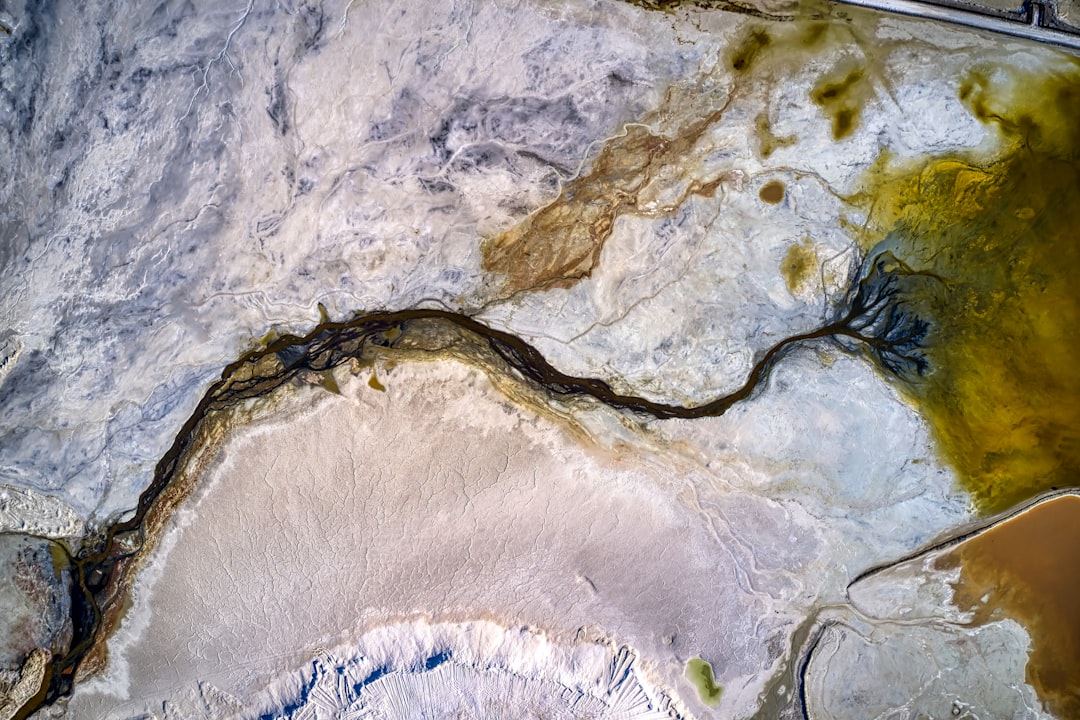
The Great Salt Lake, a vast and often ephemeral body of water in the arid Western United States, possesses a geological artistry that speaks of its restless rise and fall. Among its most compelling features are the “bathtub rings” – distinct bands of lighter-colored material staining the surrounding hillsides, marking ancient shorelines. These rings are not mere decoration; they are geological time capsules, each one a testament to the lake’s dynamic history and a silent witness to climatic shifts that have shaped the region for millennia. To understand the story etched into these saline markers is to understand a fundamental chapter in the hydrology and paleoclimatology of the American West.
The very existence of Great Salt Lake, and consequently its bathtub rings, is intrinsically linked to its geological setting. The lake lies within the Great Basin, a vast interior drainage basin where rivers and streams flow inward and, in the absence of an outlet to the sea, evaporate. This process concentrates the dissolved minerals carried by the inflowing waters, leading to the lake’s characteristic high salinity. The geology of the region, characterized by faulting and basin-and-range topography, has also played a crucial role in defining the lake’s boundaries and the formation of its shoreline features.
The Great Basin’s Arid Embrace
The Great Basin’s defining feature is its aridity, a condition that dictates the delicate balance between water supply and evaporation. Precipitation, often seasonal, feeds the rivers and streams that are the lifeblood of the Great Salt Lake. However, the arid climate ensures that evaporation is a constant and powerful force, relentlessly driving the lake’s water levels up and down. This evaporative pump is the engine that creates the dynamic environment where bathtub rings can form.
Mineral Makeup: The Palette of Salinity
The salinity of Great Salt Lake is not a uniform phenomenon. The dissolved minerals, primarily salts such as sodium chloride, magnesium sulfate, and potassium chloride, originate from the weathering of rocks in the surrounding mountain ranges. As these minerals are carried by water, they concentrate within the lake. When the water level drops, these minerals are left behind on the shore, precipitating out and forming crusts or stains. Different mineral compositions can lead to variations in the color and texture of the rings, adding layers of detail to their geological narrative.
The history of the Great Salt Lake’s bathtub rings is a fascinating topic that highlights the dramatic changes in water levels over the years. For those interested in exploring this subject further, a related article can be found at My Geo Quest, which delves into the geological and environmental factors contributing to the lake’s fluctuating shoreline and the implications for the surrounding ecosystem.
Unraveling the Depths: Lake Bonneville and its Legacy
The most prominent and widespread bathtub rings around the Great Salt Lake are the enduring legacy of prehistoric Lake Bonneville. This immense Pleistocene-era lake, a relic of a wetter climate, once occupied a vast expanse of what is now Utah, Idaho, and Wyoming. Its shoreline, in places, reached elevations of nearly 5,100 feet above sea level – a staggering contrast to the modern lake’s fluctuating levels, which rarely exceed 4,200 feet. The sheer scale of Lake Bonneville means its ancient shorelines are imprinted on the landscape in a way that dwarfs even the most impressive historical fluctuations of the current Great Salt Lake.
The Pleistocene Puddle: A Wetter Past
During the last glacial period, much of North America was covered by ice sheets. This glacial influence, coupled with increased precipitation within the Great Basin, transformed the region from an arid expanse into a realm of expansive freshwater lakes. Lake Bonneville was the undisputed monarch of this lacustrine era, a vast body of water that dwarfed its modern descendant. Its existence is a stark reminder that the arid climate of the West is not a constant, but rather a condition susceptible to dramatic shifts.
Shorelines Etched in Stone: The Bonneville Rings
The iconic Bonneville bathtub rings are a testament to the sustained high levels of this ancient lake. These broad, well-defined terraces, often hundreds of feet wide, are visible for miles, wrapping around mountains and mesas. They are composed of sediments, predominantly lacustrine silts and clays, often cemented by calcium carbonate precipitates or encrusted with salt. The most famous of these are the “Bonneville Shoreline” (the highest level) and the ” Provo Shoreline” (an intermediate level), each representing a period when the lake maintained a relatively stable and elevated position.
Bonneville’s Demise: The Red Rock Pass Catastrophe
Lake Bonneville did not simply recede; it dramatically breached its confines. Around 15,000 years ago, the lake rose to an elevation of over 5,100 feet, eventually spilling over the Red Rock Pass near modern-day Logan, Utah. This catastrophic overflow carved out a massive canyon and led to a rapid, dramatic drop in the lake’s water level. The remnants of this event are still visible in the landscape. This catastrophic drainage event is a visceral reminder of how quickly hydrological regimes can change, even in the most seemingly stable of geological contexts.
The Modern Manifestation: Rings of Our Own Time
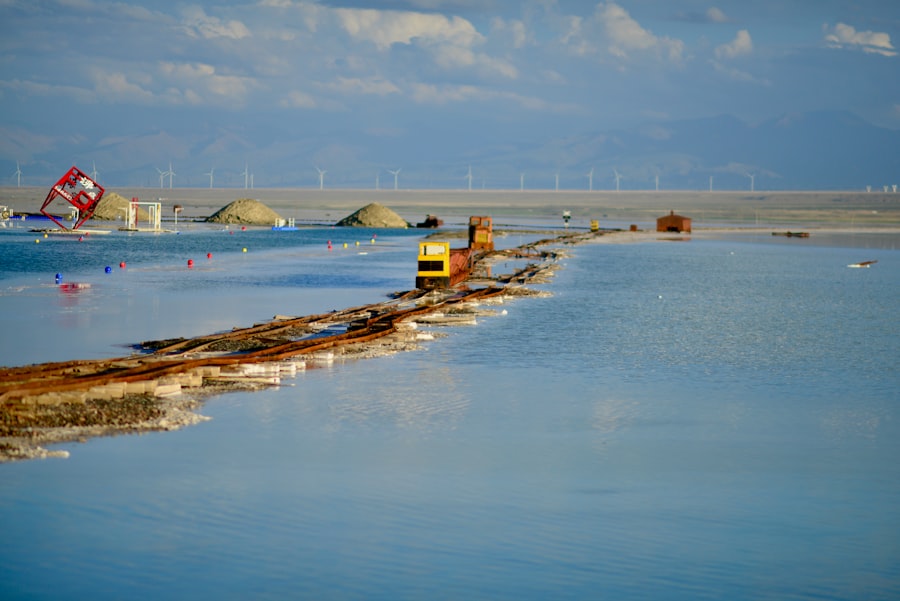
While the Bonneville rings command attention for their scale and antiquity, the Great Salt Lake itself has produced its own series of bathtub rings. These more recent features are a direct reflection of the lake’s dramatic fluctuations over the past century and a half, driven by the interplay of precipitation, evaporation, and human water usage. These rings are a more immediate and relatable barometer of change, offering insights into recent climatic variability.
The Rise and Fall: A Century of Volatility
Throughout the 20th and 21st centuries, Great Salt Lake has experienced periods of significant rise and fall. The early 20th century saw generally lower lake levels, followed by a period of significant rise in the 1980s, culminating in the devastating Great Salt Lake flood of 1983, when the lake reached its highest recorded level. Subsequent decades have seen periods of decline, largely attributed to drought and increased water diversion for agriculture and municipal use. Each of these shifts leaves its mark.
The Intermountain Alkali Rings: Subtle Signatures
The bathtub rings formed by the modern Great Salt Lake are often less dramatic and more diffuse than their prehistoric Bonneville counterparts. They can appear as subtler bands of lighter-colored sediment, salt crusts, or even vegetation changes along the shoreline. These “Intermountain Alkali Rings,” as they are sometimes called, are a direct record of the lake’s fluctuating water levels. They are often characterized by the presence of evaporite minerals, indicating the direct impact of evaporation on shore deposition.
The Impact of Human Hands: A New Factor
Unlike the ancient rings, which were solely sculpted by natural forces, the more recent bathtub rings are also influenced by human activity. Extensive water diversion from rivers that feed the Great Salt Lake, primarily for irrigation and urban development, reduces the inflow of water. This means that even in years with adequate precipitation, the lake level may not rise as it once would have, leading to more frequent and pronounced periods of decline and the formation of new ring formations. This human intervention adds a layer of complexity to the interpretation of these modern rings.
Decoding the Bands: What the Rings Tell Us
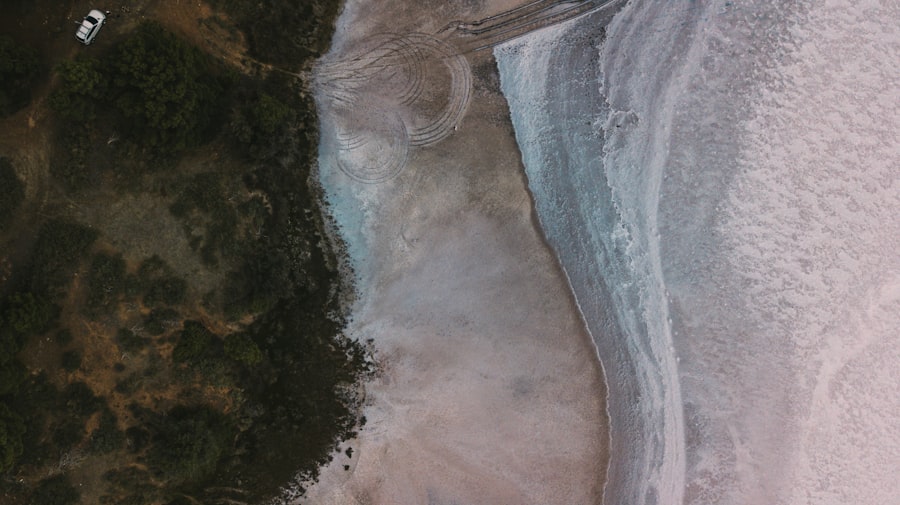
The bathtub rings of Great Salt Lake are far more than mere visual markers; they are invaluable archives of past climate and hydrology. By studying their composition, elevation, and the sediments they contain, scientists can reconstruct the lake’s history and, by extension, the climatic history of the region. These rings act as geological historians, diligently recording the whispers of past precipitation patterns and the roar of ancient floods.
Paleoclimatic Proxies: Windows to the Past
The geological record preserved in the bathtub rings provides crucial data for paleoclimatic research. The thickness and extent of the rings can indicate periods of prolonged wet or dry conditions. The chemical composition of the lake sediments and evaporite deposits within the rings can reveal changes in salinity, water temperature, and even the types of flora and fauna that inhabited the lake at different times. These chemical fingerprints are like ancient DNA, allowing scientists to piece together a narrative of past environments.
Geochronological Dating: Pinpointing the Past
Radiocarbon dating and other geochronological techniques are employed to determine the age of the sediments and organic materials found within the bathtub rings. This allows scientists to precisely date the periods of high and low lake levels, creating a timeline of climatic events. For example, dating organic matter found at specific elevations can reveal when Lake Bonneville reached its highest point or when the modern Great Salt Lake experienced a significant rise. This precise dating transforms mere geological features into a calibrated historical record.
Understanding Future Trends: Lessons from the Rings
The study of Great Salt Lake’s bathtub rings offers critical insights into the potential future behavior of the lake and the broader impacts of climate change on arid and semi-arid regions. By understanding the historical patterns of fluctuation and the factors that influenced them, scientists can develop more accurate models for predicting future lake levels and the associated consequences for ecosystems, water resources, and human settlements in the Great Basin. These past records are, in essence, a rehearsal for future climatic scenarios.
The history of the Great Salt Lake’s bathtub rings offers a fascinating glimpse into the environmental changes that have occurred over the years. These distinct mineral deposits serve as a visual reminder of the lake’s fluctuating water levels, which have been influenced by factors such as climate change and water diversion. For a deeper understanding of this phenomenon, you can explore a related article that delves into the geological and ecological implications of these bathtub rings. To learn more, visit this insightful resource.
Threats and Preservation: The Fading Bands
| Year | Lake Level (feet above sea level) | Notable Bathtub Ring Formation | Historical Context |
|---|---|---|---|
| Pre-1600s | ~4,200 ft (Lake Bonneville highstand) | Ancient bathtub rings from Lake Bonneville | Lake Bonneville was a massive prehistoric lake covering much of Utah |
| ~1600s | ~4,190 ft | Formation of early Great Salt Lake bathtub rings | Lake Bonneville receded, leaving behind Great Salt Lake |
| 1900 | 4,200 ft (approx.) | Visible bathtub rings along shorelines | Lake levels relatively stable, supporting local ecosystems |
| 1980s | 4,190 ft | Expansion of bathtub rings due to lower lake levels | Drought periods caused lake shrinkage |
| 2000s | 4,190 – 4,195 ft | Fluctuating bathtub ring visibility | Variable precipitation and water diversion affected lake size |
| 2020 | 4,190 ft | Prominent bathtub rings due to drought | Extended drought and water use reduced lake levels |
| 2023 | 4,192 ft | Bathtub rings remain visible but lake level slightly increased | Some recovery from drought with increased precipitation |
The very existence of Great Salt Lake, and by extension its bathtub rings, faces significant threats in the modern era. Declining lake levels, driven by a combination of climate change and human water use, pose an existential challenge to this unique ecosystem and its geological heritage. The fading of these rings is a silent alarm bell, signaling a broader environmental crisis.
The Water Crisis: A Shrinking Resource
The most significant threat to Great Salt Lake and its bathtub rings is the ongoing water crisis in the Western United States. Increased demand for water from agriculture, industry, and a growing population, coupled with prolonged periods of drought, has led to substantial reductions in the inflow of water to the lake. This reduction is the primary driver behind the lake’s declining levels. It’s akin to a slow-motion drain on a precious resource, with visible consequences.
Salt Dust and Air Quality: A Lingering Concern
As Great Salt Lake shrinks, vast areas of its exposed lakebed are left dry. This dry, salty playa becomes a source of toxic dust that can be carried by the wind for miles, impacting air quality and posing health risks to surrounding communities. The bathtub rings, once markers of life-giving water, now represent areas of potential environmental hazard. The once beautiful saline deposits can become airborne pollutants.
Conservation Efforts: A Race Against Time
Various efforts are underway to address the declining health of Great Salt Lake, including water conservation initiatives, agricultural efficiency improvements, and legislative actions aimed at protecting the lake. The preservation of the lake is not just about maintaining an ecological wonder; it is also about safeguarding a profound geological record etched into its surrounding landscape. These efforts are a crucial attempt to ensure that the narrative written in the bathtub rings does not fade entirely into oblivion. The future of these rings, and the lake they represent, hangs precariously in the balance.
FAQs
What are the Great Salt Lake bathtub rings?
The Great Salt Lake bathtub rings are natural mineral deposits that form along the shoreline of the lake. These rings are created by the accumulation of salts and minerals left behind as the water level fluctuates over time.
How did the bathtub rings at the Great Salt Lake form?
The bathtub rings formed as a result of the lake’s changing water levels. When the lake’s water recedes, it leaves behind layers of salt and minerals that crystallize and create visible white rings along the shore, resembling the rings found in a bathtub.
What is the historical significance of the Great Salt Lake bathtub rings?
The bathtub rings provide a historical record of the lake’s water levels and climate changes over thousands of years. By studying these mineral deposits, scientists can learn about past environmental conditions and how the lake has evolved.
Are the bathtub rings unique to the Great Salt Lake?
While similar mineral deposits can be found in other saline lakes around the world, the Great Salt Lake’s bathtub rings are particularly prominent and well-studied due to the lake’s high salinity and fluctuating water levels.
Can visitors see the bathtub rings at the Great Salt Lake?
Yes, visitors to the Great Salt Lake can observe the bathtub rings along certain parts of the shoreline. These natural formations are a popular attraction and provide insight into the lake’s geological and environmental history.