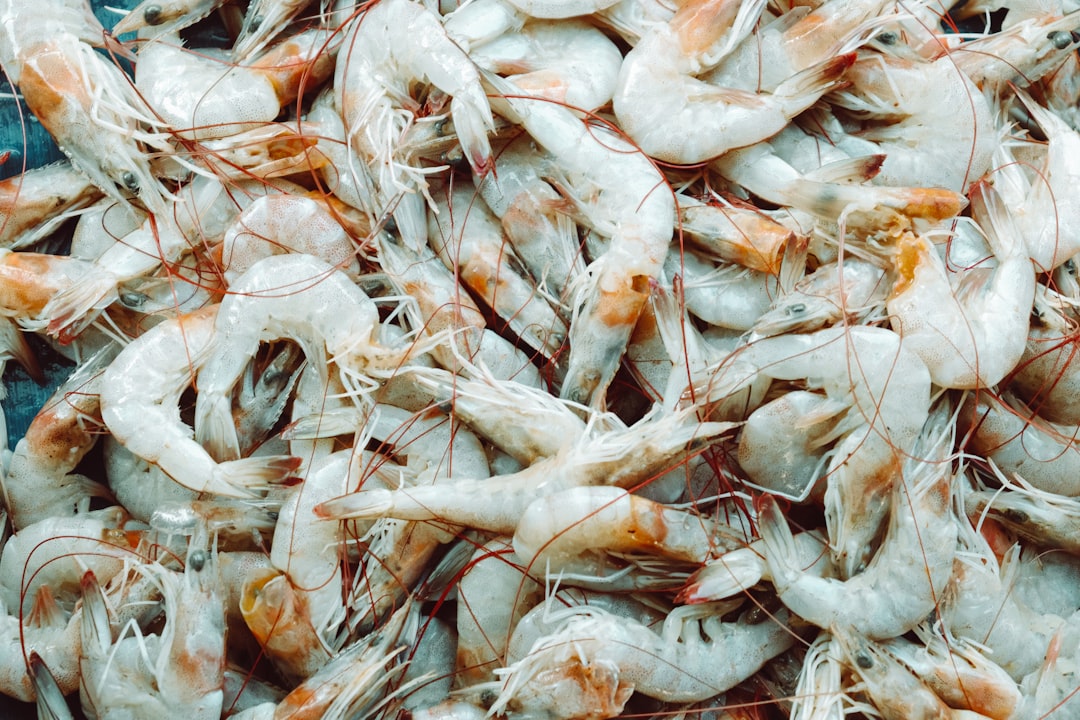
The Great Salt Lake, a starkly beautiful expanse in the American West, is far more than just a saline body of water. It is a vibrant ecosystem, a crucial waypoint for migratory birds, and a surprising economic engine. Central to this ecosystem and economy is the brine shrimp, Artemia franciscana, a tiny crustacean that forms the base of a significant food web and fuels a global industry. Recent data reveals the details of the latest Great Salt Lake brine shrimp harvest, offering a critical look at the health of this unique resource.
What are Great Salt Lake Brine Shrimp?
The brine shrimp of the Great Salt Lake are often called “sea monkeys” in popular culture, a moniker that hints at their small size and resilience. However, to dismiss them as mere novelties would be a grave error. These unassuming crustaceans are a cornerstone of the Great Salt Lake’s ecological structure. Their ability to thrive in hypersaline conditions, where most other life forms perish, allows them to dominate the lake’s planktonic community. They feed on algae, and in turn, become a vital food source for countless migratory birds that rely on the lake’s bounty during their arduous journeys. Without the brine shrimp, the feathered highways of the sky would be significantly emptier.
The Life Cycle of Artemia franciscana
Understanding the brine shrimp’s life cycle is key to appreciating the dynamics of the harvest. Brine shrimp have a remarkable reproductive strategy that allows them to adapt to fluctuating environmental conditions. Under favorable circumstances, they reproduce sexually, releasing live nauplii (larval shrimp). However, when conditions become unfavorable – such as during droughts, extreme temperatures, or overcrowding – they can switch to parthenogenesis, producing dormant cysts. These cysts are incredibly hardy, capable of surviving desiccation and extreme temperatures for years, only to hatch when conditions improve. This remarkable adaptability is what makes the brine shrimp a persistent presence in the Great Salt Lake, and it’s these cysts that are the primary target of the commercial harvest. The harvest, therefore, is not just of living organisms, but of a promise of future life, stored in waiting.
Ecological Significance Beyond the Harvest
While the commercial harvest is a prominent aspect of brine shrimp management, their ecological role extends far beyond economic value. They are the primary food source for a staggering number of avian species. The Great Salt Lake is a critical stopover point on the Pacific Flyway, and the brine shrimp provide the caloric energy necessary for birds to complete their migrations. A decline in brine shrimp populations could have cascading negative effects throughout the entire food web, impacting bird reproduction, survival rates, and ultimately, the health of ecosystems across continents. The harvest, therefore, must be balanced against the imperative of sustaining this vital ecological link, ensuring it doesn’t become a gaping hole in the birds’ sustenance.
The Great Salt Lake brine shrimp harvest has been a topic of interest due to its ecological and economic significance. For those looking to delve deeper into the data surrounding this unique industry, a related article can be found at this link. This article provides insights into the harvesting practices, environmental impacts, and the overall health of the brine shrimp population in the Great Salt Lake.
Data Revelation: The 2023-2024 Harvest Statistics
Annual Harvest Totals Revealed
The Utah Division of Wildlife Resources (DWR) recently released the official statistics for the Great Salt Lake brine shrimp harvest for the 2023-2024 season. This data provides a quantitative snapshot of the industry’s activity and offers insights into the lake’s productivity. The total weight of brine shrimp cysts harvested, the primary commodity for international markets, has been a subject of keen interest, reflecting both market demand and the availability of the resource. Accurate reporting is crucial for effective management, acting as a compass to navigate the sometimes-turbulent waters of resource extraction.
Tonnage and Trends: A Deep Dive into the Numbers
The reported tonnage for the 2023-2024 harvest provides a historical context for this year’s yield. Analysts will be poring over these figures, comparing them to previous years to identify any significant trends. Are we seeing an increase, a decrease, or a plateau in the harvestable biomass? Understanding these fluctuations is like reading the pulse of the lake itself. Factors such as precipitation levels, algal blooms, and water temperature all play a role in brine shrimp population dynamics, and the harvest data can serve as a proxy for these underlying environmental conditions. A steady hand on the tiller of data analysis is required to discern meaningful patterns.
Economic Impact and Market Value
The brine shrimp industry is a significant economic driver for Utah, particularly for communities along the shores of the Great Salt Lake. The harvest and subsequent processing of brine shrimp cysts generate revenue through sales, employment opportunities, and related businesses. The data released by the DWR offers a glimpse into the financial health of this sector. The market value of brine shrimp, driven by demand from aquaculture industries worldwide, plays a crucial role in determining the economic viability of the harvest. While the focus is often on the ecological aspects, it is essential to acknowledge the economic currents that flow from this unique resource, supporting livelihoods and contributing to the regional economy.
Factors Influencing the Brine Shrimp Population
The Role of Algal Blooms
The foundation of the brine shrimp’s existence is the phytoplankton, primarily algae, that bloom within the Great Salt Lake. The abundance and type of algae directly influence the brine shrimp population. A robust algal bloom provides ample food, leading to higher brine shrimp reproduction rates and, subsequently, a potentially larger harvestable population. Conversely, a scarcity of algae can limit population growth. Monitoring algal blooms is akin to observing the pantry of the brine shrimp, understanding how well-stocked it is for the season ahead.
Hydrological Conditions: The Lake’s Water Levels
The Great Salt Lake is intrinsically linked to its hydrological conditions, and these deeply impact the brine shrimp. Recent years have seen historic declines in the lake’s water levels due to prolonged drought and increased water consumption. Lower water levels concentrate salinity, which can stress brine shrimp populations. Furthermore, a shrinking lake surface area reduces the overall habitat available for both brine shrimp and the migratory birds that depend on them. The data on the 2023-2024 harvest must therefore be viewed through the lens of the lake’s diminished stature, a stark reminder of the delicate balance at play. The water level acts as the very definition of the brine shrimp’s swimming pool; if it shrinks too much, the party ends.
Temperature and Salinity: The Brine Shrimp’s Comfort Zone
Brine shrimp are remarkably tolerant of a wide range of temperatures and salinities, but extremes can still impact their survival and reproduction. Optimal conditions are crucial for robust population growth. Prolonged periods of extreme heat or exceptionally high salinity, often exacerbated by low water levels, can lead to reduced cyst production and hatching success. Understanding these environmental parameters is like knowing the precise thermostat and pressure gauge that keep the brine shrimp ecosystem humming.
Management and Sustainability: Safeguarding the Resource
Regulatory Frameworks and Harvest Quotas
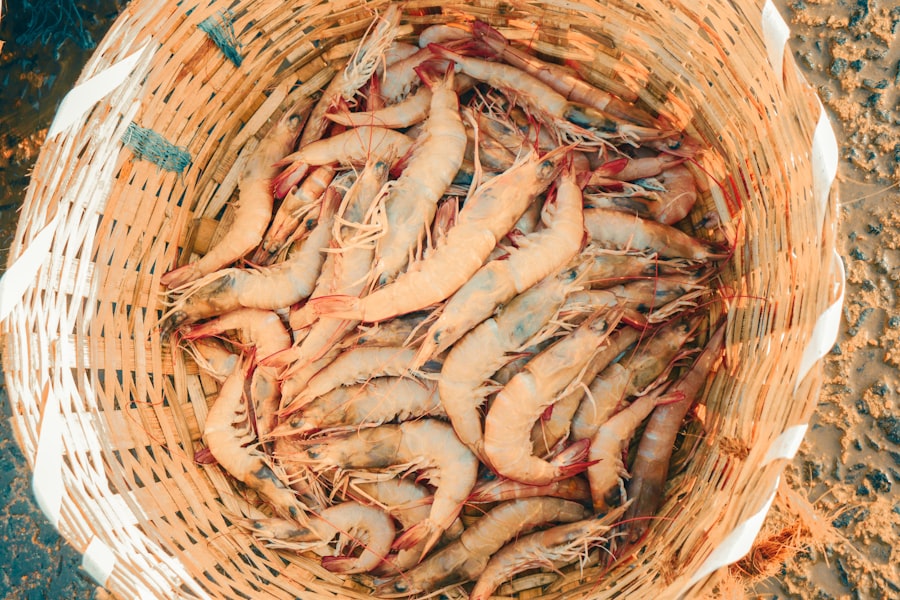
The harvest of Great Salt Lake brine shrimp is a carefully regulated activity. The Utah DWR implements a comprehensive management plan designed to ensure the long-term sustainability of the resource. This includes setting annual harvest quotas, which are scientifically determined based on population estimates and ecological considerations. These quotas serve as guardrails, preventing overharvesting and ensuring that a sufficient breeding population remains to sustain future generations of brine shrimp and the ecosystems they support. The regulations are the blueprints for a well-managed construction project, ensuring the foundation remains strong.
Scientific Monitoring and Research Initiatives
Continuous scientific monitoring and research are the bedrock of effective brine shrimp management. Biologists regularly collect data on brine shrimp populations, cyst viability, and habitat conditions. These research initiatives provide the vital information needed to adjust management strategies as environmental conditions change. Investing in scientific understanding is akin to investing in the future intelligence of the ecosystem, allowing for proactive rather than reactive measures.
The Role of Industry Stakeholders
The brine shrimp harvesting industry comprises several companies that operate on the Great Salt Lake. These stakeholders play a critical role in the management process. Collaboration between the DWR and industry is essential for data collection, compliance with regulations, and the implementation of best practices. Responsible harvesting is not just a regulatory requirement; it is a shared commitment to the long-term health of this invaluable natural resource. They are the skilled navigators, guided by the charts provided by science and regulation.
Recent studies on the Great Salt Lake have highlighted the significance of brine shrimp harvest data, which plays a crucial role in understanding the ecological balance of the region. For those interested in exploring this topic further, an insightful article can be found at My Geo Quest, where you can discover more about the impact of these harvests on local ecosystems and economies. This information is essential for anyone looking to grasp the complexities surrounding the Great Salt Lake’s unique environment.
Future Outlook and Challenges
| Year | Harvest Volume (tons) | Average Cyst Size (microns) | Harvest Duration (days) | Brine Shrimp Density (shrimp/L) | Harvest Location |
|---|---|---|---|---|---|
| 2020 | 1,200 | 230 | 45 | 1500 | North Arm |
| 2021 | 1,350 | 235 | 50 | 1600 | North Arm |
| 2022 | 1,100 | 225 | 40 | 1400 | South Arm |
| 2023 | 1,400 | 240 | 48 | 1550 | North Arm |
Adapting to a Changing Climate
The Great Salt Lake is a bellwether for the impacts of a changing climate. Declining precipitation, rising temperatures, and altered weather patterns pose significant challenges to the brine shrimp and the entire ecosystem. The data from the 2023-2024 harvest provides a snapshot of the present, but the future demands a forward-looking approach. Adapting management strategies to account for these climatic shifts will be crucial for the continued health of the brine shrimp population. The future requires a weather-resistant vessel.
Balancing Economic Demand with Ecological Preservation
The global demand for brine shrimp, primarily for aquaculture feed, continues to grow. This presents a perpetual challenge: how to meet this economic demand without compromising the ecological integrity of the Great Salt Lake. The data revealed from the latest harvest serves as a critical reminder that this balance is a tightrope walk over a vital ecological chasm. Sustainable harvesting practices, coupled with continued research and adaptive management, are essential to ensure that both human needs and ecological necessities are met. The future is a tapestry woven with threads of economic prosperity and ecological stewardship, and the brine shrimp are a crucial color in that design.
FAQs
What are brine shrimp and why are they important in the Great Salt Lake?
Brine shrimp are small aquatic crustaceans that thrive in the hypersaline waters of the Great Salt Lake. They are a crucial part of the lake’s ecosystem, serving as a primary food source for migratory birds and supporting commercial industries such as aquaculture feed production.
How is brine shrimp harvest data collected in the Great Salt Lake?
Harvest data is typically collected through monitoring the quantity of cysts (brine shrimp eggs) harvested by commercial operators. This involves sampling, weighing, and recording the cysts collected during the harvesting season to assess population health and yield.
What factors influence the brine shrimp population in the Great Salt Lake?
Several factors affect brine shrimp populations, including water salinity, temperature, lake water levels, and food availability. Environmental changes and human activities can also impact their numbers and the overall health of the lake ecosystem.
Why is tracking brine shrimp harvest data important?
Tracking harvest data helps manage sustainable harvesting practices, ensures the health of the brine shrimp population, and supports the economic viability of industries relying on brine shrimp cysts. It also aids in ecological research and conservation efforts for the Great Salt Lake.
When is the typical brine shrimp harvesting season in the Great Salt Lake?
The brine shrimp harvesting season usually occurs from late spring through early fall, depending on environmental conditions. Harvesting is timed to coincide with peak cyst production to maximize yield while maintaining population sustainability.