
This article explores the critical nexus of energy financing and governance in Africa, examining the challenges and opportunities that shape the continent’s energy future. The quest for universal energy access, sustainable development, and economic growth on the African continent is intrinsically linked to its ability to attract and deploy capital for energy projects effectively and to establish robust governance frameworks that ensure transparency, accountability, and equitable distribution of benefits.
Africa possesses an immense and largely untapped reservoir of energy resources, ranging from fossil fuels like oil, gas, and coal to a significant abundance of renewable energy potential. Solar irradiance across the continent is among the highest globally, wind resources are substantial in coastal and highland regions, and geothermal potential is significant in the East African Rift Valley. Hydropower, though often facing environmental and social considerations, also represents a considerable resource. However, this vast potential remains largely dormant, a sleeping giant whose awakening is hampered by a complex interplay of factors. The sheer scale of the need is immense; millions still live without access to electricity, impacting everything from education and healthcare to economic productivity and personal safety. The irony of a continent so rich in energy resources confronting such widespread energy poverty is a stark reality that demands focused attention.
Renewable Energy Abundance: A Sleeping Titan
Across the Sahara Desert, the sun shines with an intensity that could power entire cities, yet much of this potential remains untapped. The continent’s vast solar resources represent a significant opportunity for decentralized energy solutions, particularly in rural and remote areas where grid extension is economically unfeasible. Similarly, coastal regions and elevated plateaus offer prime locations for wind energy generation. The development of these renewable resources is not merely an environmental imperative; it is an economic opportunity that can foster local industries, create jobs, and reduce reliance on volatile global fossil fuel markets.
Fossil Fuel Reserves: A Double-Edged Sword
Africa’s substantial reserves of oil, gas, and coal present a complex dilemma. While these resources have the potential to generate significant revenue, fund development, and provide immediate energy solutions, their exploitation often comes with environmental costs, potential for corruption, and the risk of locking the continent into fossil fuel-dependent infrastructure in an era of global decarbonization. The prudent management and strategic deployment of these resources, considering long-term sustainability and economic diversification, are paramount.
The Stark Reality of Energy Poverty
Despite the wealth of resources, a significant portion of the African population, particularly in sub-Saharan Africa, lacks access to reliable and affordable electricity and clean cooking solutions. This energy deficit acts as a brake on socio-economic progress, hindering business operations, limiting access to education and healthcare, and perpetuating cycles of poverty. The absence of basic energy services means that many households rely on expensive, polluting, and often dangerous alternatives like kerosene or biomass, with significant health and environmental consequences.
In the context of Africa’s energy financing and governance, a relevant article can be found on MyGeoQuest, which explores innovative financing mechanisms and their impact on sustainable energy projects across the continent. This article delves into the challenges and opportunities that African nations face in securing investments for renewable energy initiatives, highlighting the importance of effective governance in attracting foreign capital. For more insights, you can read the article here: MyGeoQuest.
The Hurdle of Financing: Mobilizing Capital for Energy Projects
The most significant impediment to unlocking Africa’s energy potential is the formidable challenge of financing. The scale of investment required for energy infrastructure development – from large-scale power plants and transmission grids to distributed renewable energy systems and off-grid solutions – is astronomical. Bridging this financing gap requires a multi-pronged approach, involving both domestic resource mobilization and substantial international capital inflows. The cost of capital in many African countries remains high, a reflection of perceived risks, weak financial markets, and currency volatility.
High Capital Intensity and Long Payback Periods
Energy projects, by their very nature, are capital-intensive. Building power plants, transmission lines, and distribution networks requires significant upfront investment. Furthermore, these are long-gestation projects with lengthy payback periods, making them attractive to investors with a long-term perspective. However, the appetite for such long-term commitments can be limited in markets characterized by economic and political uncertainty. The sheer scale of the task means that piecemeal financing, while important, is insufficient to meet the continent’s energy needs.
Perceived Risks: A Stumbling Block for Investors
A constellation of perceived risks deters private sector investment in African energy projects. These include:
Political and Regulatory Instability
Frequent changes in government, policy shifts, and inconsistent regulatory frameworks can create an unpredictable operating environment. Investors require a stable and predictable policy landscape to commit significant capital. Uncertainty about future regulations, tariffs, or government support can significantly increase the perceived risk.
Currency Volatility and Exchange Rate Fluctuations
Many African currencies are susceptible to significant fluctuations. For international investors, this poses a risk of returns being eroded by adverse exchange rate movements when repatriating profits. This often necessitates complex hedging strategies, which further add to the cost of investment.
Infrastructure Deficiencies
Beyond the energy sector itself, inadequate transportation networks, limited port facilities, and unreliable communication systems can increase the logistical costs and complexity of project development and operation, adding to overall project risk.
Limited Access to Long-Term Debt Financing
Domestic financial markets in many African countries are not sufficiently developed to provide the long-term debt financing required for large-scale energy projects. This reliance on international capital markets exposes projects to global financial conditions and exchange rate risks.
The Role of Development Finance Institutions (DFIs) and Multilateral Banks
Development Finance Institutions (DFIs) and multilateral development banks play a crucial role in de-risking investments and catalyzing private sector participation. These institutions can:
- Provide Blended Finance: Combining concessional finance with commercial loans to improve project economics and reduce risk for private investors.
- Offer Guarantees and Insurance: Mitigating political, commercial, and currency risks, thereby making investments more palatable.
- Provide Technical Assistance and Capacity Building: Supporting governments in developing sound policies, regulatory frameworks, and project preparation.
- Mobilize Concessional Capital: Attracting donor funding that can be deployed for early-stage project development or to support less commercially viable but socially important initiatives.
Innovative Financing Mechanisms: Lighting the Path Forward
Beyond traditional debt and equity, innovative financing mechanisms are emerging as vital tools for unlocking African energy finance. These include:
- Green Bonds: Issuing bonds specifically to finance environmentally sustainable projects, tapping into the growing global demand for sustainable investments.
- Crowdfunding and Digital Finance: Leveraging technology to mobilize smaller investments from a wider pool of individuals and institutions, particularly relevant for distributed energy solutions and off-grid projects.
- Public-Private Partnerships (PPPs): Structuring partnerships where public entities leverage private sector capital, expertise, and efficiency for project development and operation.
- Energy-as-a-Service (EaaS) Models: Shifting the focus from asset ownership to service delivery, where energy users pay for reliable energy services rather than owning and maintaining generation assets, making energy access more affordable and predictable.
Governance: The Bedrock of Sustainable Energy Development

Effective governance is the bedrock upon which sustainable energy development must be built. Without robust governance structures, even abundant resources and significant financing can be squandered. Good governance in the energy sector ensures that investments are directed towards projects that benefit the wider population, that revenues are managed transparently, and that environmental and social safeguards are upheld. Weak governance, conversely, can lead to corruption, mismanagement, and a lack of public trust, deterring investment and perpetuating inequality.
Transparency and Accountability: Illuminating the Shadow of Corruption
Transparency in energy sector decision-making, procurement processes, and revenue management is essential. This includes:
- Open Contracting: Making tender documents, award decisions, and contract details publicly accessible for energy projects.
- Extractive Industries Transparency Initiative (EITI) Standards: Implementing and adhering to international standards for transparency in the oil, gas, and mining sectors.
- Independent Oversight Bodies: Establishing and empowering regulatory authorities, anti-corruption agencies, and ombudsman offices with the mandate and resources to hold government and private sector actors accountable.
Regulatory Frameworks: Charting a Predictable Course
Clear, predictable, and stable regulatory frameworks are crucial for attracting and retaining investment. This involves:
- Independent Regulators: Ensuring that energy sector regulators operate independently from political interference and have the technical expertise to set fair tariffs, enforce standards, and resolve disputes.
- Clear Licensing and Permitting Processes: Streamlining and simplifying the processes for obtaining licenses and permits for energy projects to reduce delays and uncertainty.
- Fair Tariff Setting Mechanisms: Establishing transparent and predictable mechanisms for setting electricity tariffs that balance the need for cost recovery with affordability for consumers and the promotion of energy access.
Policy Coherence and Long-Term Planning: Avoiding Policy Drift
Energy sector development requires long-term strategic planning and policy coherence across different government ministries and agencies. This involves:
- Integrated Energy Planning: Developing national energy plans that consider the interplay between energy supply, demand, economic development, environmental sustainability, and social equity.
- Cross-Ministerial Coordination: Ensuring that ministries responsible for energy, finance, environment, land use, and economic planning work collaboratively to avoid conflicting policies.
- Stakeholder Engagement: Regularly consulting with a wide range of stakeholders, including industry, civil society, academia, and local communities, in the development and review of energy policies and regulations.
Addressing Corruption and Mismanagement: Sealing the Leaks
Corruption and mismanagement are significant drains on the energy sector, diverting resources, increasing costs, and undermining public trust. Addressing these issues requires:
- Strong Legal and Judicial Systems: Ensuring that laws are effectively enforced and that corrupt individuals and entities are held accountable through a robust and independent judiciary.
- Whistleblower Protection: Implementing mechanisms to protect individuals who report corrupt practices.
- Capacity Building: Investing in training and development for public officials involved in the energy sector to enhance their ethical standards and technical competence.
Social Safeguards and Community Engagement: Ensuring Equitable Development
Sustainable energy development must prioritize the well-being of communities and ensure that the benefits are equitably shared. This entails:
- Environmental and Social Impact Assessments (ESIAs): Conducting thorough ESIAs for all energy projects and ensuring that mitigation measures are implemented effectively.
- Meaningful Community Consultation: Engaging with affected communities throughout the project lifecycle, from planning and design to implementation and operation, to address their concerns and ensure their participation.
- Benefit Sharing Mechanisms: Establishing clear and transparent mechanisms for sharing the benefits of energy projects with local communities, such as employment opportunities, local procurement, and community development funds.
The Transformative Power of Decentralized Energy: Reaching the Unreached
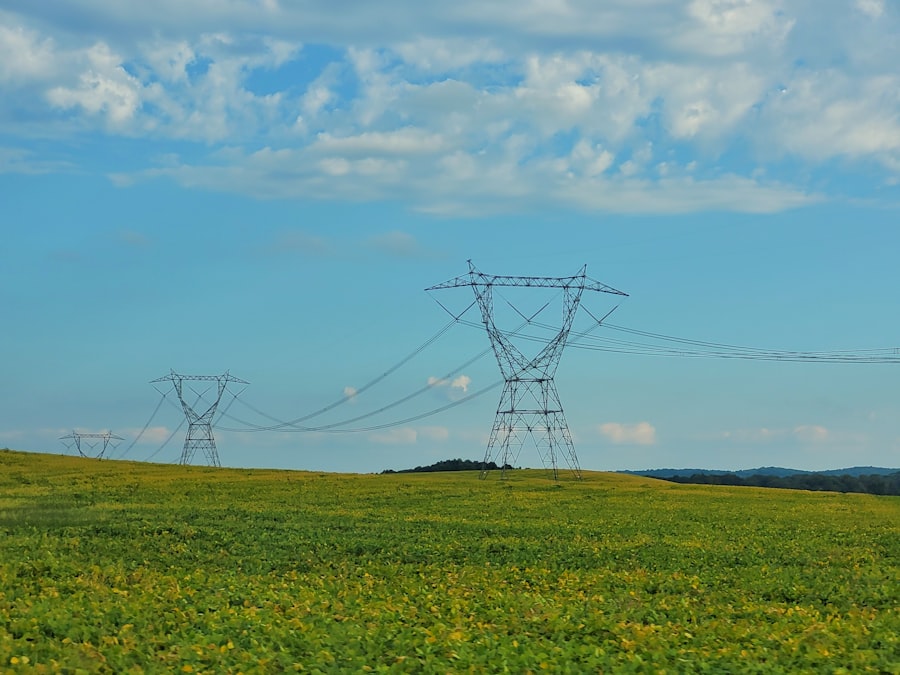
The traditional centralized model of energy infrastructure, while important, often struggles to reach dispersed populations in rural and remote areas. Decentralized energy systems, particularly solar home systems and mini-grids, offer a powerful solution to bridge the energy access gap. These solutions are often more cost-effective and quicker to deploy than extending the national grid. However, their scaling requires specific financing mechanisms and supportive governance frameworks.
Off-Grid Solar Solutions: Bringing Light to Remote Villages
Solar home systems provide individual households with basic electricity for lighting, mobile phone charging, and small appliances. The pay-as-you-go (PAYG) model, enabled by mobile money, has revolutionized the affordability and accessibility of these systems, transforming them from luxury items to essential utilities for millions. The success of these systems hinges on robust supply chains, reliable after-sales service, and consumer protection.
Mini-Grids: Powering Communities and Local Economies
Mini-grids, powered by renewables, diesel, or hybrid systems, can electrify entire villages or clusters of households, enabling more significant economic activities like small businesses, agricultural processing, and productive use of energy. Financing mini-grids requires a different approach than individual solar home systems, often involving larger upfront investments and requiring supportive regulatory frameworks that allow for viable tariff structures and power purchase agreements.
The Nexus of Technology and Finance: Accelerating Adoption
The ongoing advancements in renewable energy technology, coupled with the proliferation of mobile technology and digital payment systems, are creating a fertile ground for the rapid expansion of decentralized energy solutions. The financing models that underpin these technologies – from digital platforms for managing PAYG payments to blended finance for mini-grid development – are crucial for unlocking their full potential.
In exploring the complexities of energy financing and governance in Africa, it is essential to consider the insights presented in a related article that delves into the challenges and opportunities within this sector. The article provides a comprehensive analysis of how effective governance can enhance investment in renewable energy projects across the continent. For a deeper understanding, you can read more about these critical issues in the full article available here.
Regional Cooperation and Integration: A Collective Surge of Energy
| Metric | Value | Year | Notes |
|---|---|---|---|
| Total Energy Investment in Africa | 30 billion | 2023 | Includes public and private sector investments |
| Renewable Energy Financing Share | 45% | 2023 | Proportion of total energy financing allocated to renewables |
| Access to Electricity | 48% | 2023 | Percentage of population with access to electricity |
| Governance Index Score (Energy Sector) | 62/100 | 2023 | Based on transparency, regulatory quality, and accountability |
| Private Sector Participation | 35% | 2023 | Share of energy projects financed or operated by private entities |
| Average Project Approval Time | 18 months | 2023 | Time from proposal to approval for energy projects |
| Energy Sector Corruption Perception | Moderate | 2023 | Based on regional surveys and reports |
Africa’s energy challenges and opportunities transcend national borders. Enhanced regional cooperation and integration can unlock economies of scale, facilitate cross-border power transmission, and create larger, more attractive markets for investment. This approach can also lead to more efficient resource utilization and a more resilient energy system for the entire continent.
Cross-Border Power Pools: Sharing the Load and the Benefits
The development of interconnected power grids and regional power pools allows countries to share electricity generation capacity and balance supply and demand across larger areas. This can lead to lower generation costs, improved reliability, and greater utilization of diverse energy resources. Examples include the West African Power Pool (WAPP) and the Southern African Power Pool (SAPP).
Harmonization of Policies and Regulations: Creating a Level Playing Field
For regional energy integration to be effective, there needs to be a degree of harmonization of policies and regulations across participating countries. This includes aligning standards, licensing frameworks, and tariff methodologies to facilitate cross-border trade and investment in energy infrastructure.
Joint Resource Development: Maximizing Shared Opportunities
Regional cooperation can also extend to the joint development of shared energy resources, such as transboundary hydropower projects or regional renewable energy hubs. This approach can unlock synergies, reduce individual country risks, and ensure a more equitable distribution of benefits.
The Future is Electrified: Navigating the Path to Energy Security
The journey towards universal and sustainable energy access in Africa is a marathon, not a sprint. It demands sustained commitment, innovative thinking, and a collaborative spirit from governments, the private sector, development partners, and civil society. The success of this endeavor will not only transform the lives of millions but will also position Africa as a key player in the global transition to clean energy, unlocking its vast economic potential and securing a brighter, more prosperous future for its people. The convergence of smart financing strategies and robust governance frameworks is the key that will unlock this potential, allowing the continent to harness its abundant energy resources for the benefit of all.
FAQs
What are the main sources of energy financing in Africa?
Energy financing in Africa primarily comes from a mix of public funding, private investments, international development banks, and multilateral organizations. Key contributors include the African Development Bank, World Bank, International Finance Corporation, and various bilateral aid agencies.
What challenges does Africa face in energy financing?
Africa faces several challenges in energy financing, including limited access to capital, high perceived investment risks, inadequate regulatory frameworks, currency volatility, and insufficient infrastructure. These factors often deter private investors and slow down project implementation.
How does governance impact energy projects in Africa?
Good governance is critical for the success of energy projects in Africa. Transparent policies, strong regulatory institutions, and effective management reduce risks and increase investor confidence. Poor governance can lead to project delays, corruption, and inefficient use of resources.
What role do renewable energy sources play in Africa’s energy financing?
Renewable energy sources such as solar, wind, and hydro are increasingly attracting financing in Africa due to their sustainability and declining costs. Many international donors and investors prioritize renewables to support Africa’s transition to cleaner energy and to improve energy access.
How is the African Union involved in energy financing and governance?
The African Union plays a coordinating role by promoting regional energy policies, facilitating cross-border energy projects, and encouraging harmonized regulatory frameworks. Initiatives like the African Renewable Energy Initiative aim to mobilize financing and improve governance across member states.