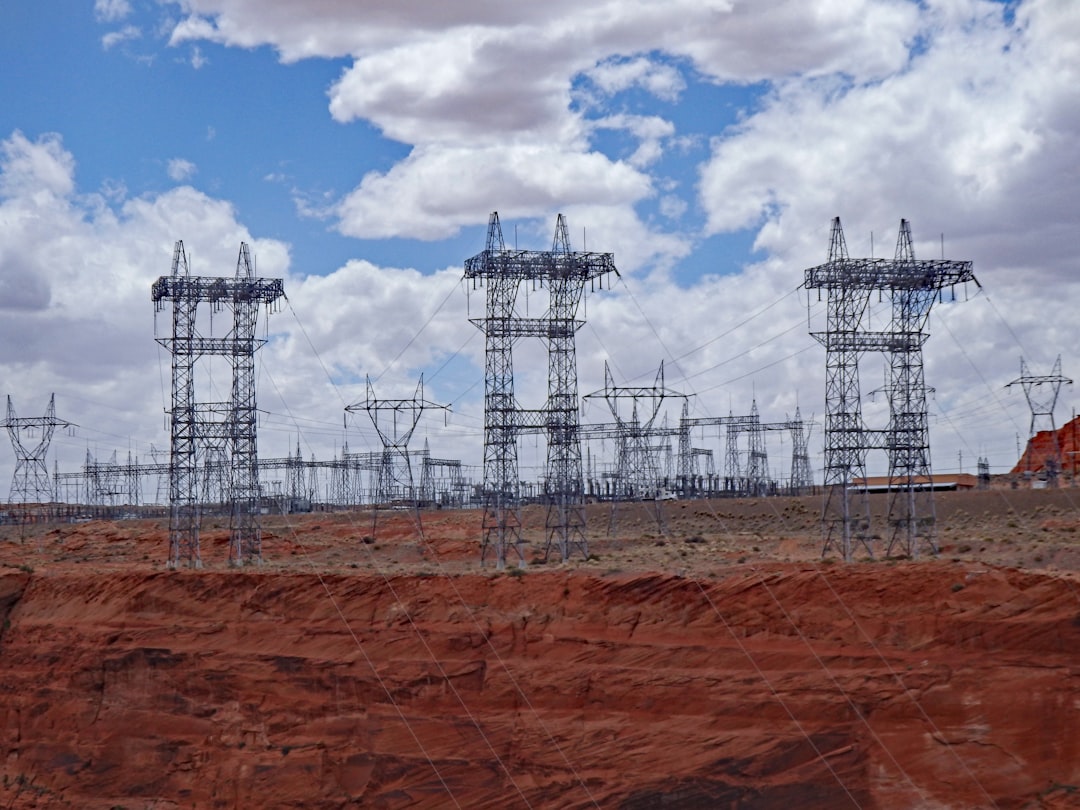
The mineral wealth of Africa is a wellspring of global resources, yet its extraction often dances with the specter of unreliable electricity. For many mining operations scattered across the continent, the national grid is not a steady hand guiding illumination, but a flickering candle susceptible to drought, political instability, and aging infrastructure. This is where captive power plants—dedicated electricity generation facilities built and operated by or for a specific industrial consumer—emerge not as a luxury, but an essential tool for unlocking the true potential of African mining. These self-sufficient powerhouses offer a crucial lifeline, transforming the volatility of external supply into a predictable engine driving productivity, safety, and economic growth.
The extraction of minerals is an energy-intensive endeavor. From the colossal machinery that tears ore from the earth to the intricate processing plants that refine raw materials, electricity is the lifeblood. However, for many mines in Africa, particularly those located in remote areas or regions with underdeveloped power grids, the availability and reliability of electricity are persistent challenges.
Underdeveloped Grid Infrastructure
Across large swathes of sub-Saharan Africa, the national electricity grids are significantly less developed than those found in more industrialized continents. This underdevelopment is a multifaceted problem.
Limited Reach and Capacity
The physical reach of national grids often fails to extend to remote mining locations. Even where lines exist, their capacity may be insufficient to meet the substantial and often fluctuating demands of a large-scale mining operation. This means that relying on the grid is often not even an option for many new or expanded mining projects.
Aging and Inefficient Systems
Existing grid infrastructure can be outdated and prone to frequent breakdowns. Transmission losses are often high, meaning a significant portion of the electricity generated never reaches its intended destination. This inefficiency further strains an already overstretched system and translates to higher costs for consumers.
Intermittency and Unreliability
Perhaps the most critical issue is the inherent unreliability of many African grids. Power outages, scheduled and unscheduled, can cripple operations. A sudden loss of power can halt complex processes, damage sensitive equipment, and lead to significant financial losses due to downtime. This unreliability forces mines to operate with a constant undercurrent of anxiety, like a tightrope walker perpetually aware of the abyss below.
Economic Implications of Unreliable Power
The economic repercussions of unreliable electricity are profound for African mining.
Increased Operational Costs
Mines often resort to expensive, less efficient temporary power solutions, such as diesel generators, to bridge the gaps in grid supply. These generators come with high fuel costs, maintenance expenses, and contribute to air pollution. The unpredictability necessitates maintaining costly backup power solutions, essentially paying for power that may not always be needed but is kept on standby.
Reduced Productivity and Output
Downtime caused by power outages directly impacts productivity. Equipment may need to be restarted, processes recalibrated, and schedules adjusted, all of which eat into valuable operational time. Consistent power allows for uninterrupted production cycles, maximizing the extraction and processing of ore.
Hindered Investment and Expansion
The uncertainty surrounding power supply acts as a significant deterrent to investment. International mining companies, when evaluating potential projects, weigh the risks associated with infrastructure limitations. A reliable power source is a fundamental prerequisite for long-term project viability, and its absence can relegate promising resource deposits to the realm of unfulfilled potential. Expansion plans are also frequently stifled, as the lack of guaranteed power capacity makes scaling up operations a logistical and financial gamble.
Safety Concerns
Beyond economic considerations, unreliable power poses significant safety risks. Emergency lighting, ventilation systems, and critical safety equipment are all dependent on a stable electricity supply. Power failures in underground mines, for instance, can trap workers, compromise breathable air, and create chaotic and dangerous situations.
In recent discussions about the energy landscape in Africa, the role of mining captive power plants has gained significant attention due to their potential to enhance energy security and reduce operational costs for mining companies. A related article that delves into this topic can be found at MyGeoQuest, where it explores the benefits and challenges of implementing captive power solutions in the mining sector across the continent. This resource provides valuable insights into how these power plants can contribute to sustainable development and energy independence in Africa.
The Captive Power Solution: A Tailored Energy Engine
Captive power plants offer a direct antidote to these systemic challenges, providing mining operations with a degree of energy independence and control. By generating their own electricity, mines can circumvent the limitations of national grids and tailor their power supply to their specific needs.
Defining the Captive Power Model
A captive power plant is, in essence, a mine’s own personal power station. Unlike a utility company that serves a broad customer base, a captive plant is designed and operated with the sole purpose of powering a specific mine or a cluster of mining operations.
Ownership and Operation Structures
Captive power plants can be owned and operated in various ways:
- Full Ownership by the Mining Company: The mining company finances, builds, and operates the power plant itself. This provides the highest level of control over operations and decision-making.
- Build-Own-Operate (BOO) Model: A third-party developer builds, owns, and operates the plant, selling the electricity generated under a long-term power purchase agreement (PPA) to the mining company. This model allows the mine to avoid the upfront capital expenditure while still securing a dedicated power supply.
- Build-Operate-Transfer (BOT) Model: Similar to BOO, but the ownership of the plant is transferred to the mining company after a specified period. This offers an interim solution for companies seeking to manage capital expenditure initially.
Scale and Technology Diversity
The scale and technology employed in captive power plants can vary widely, depending on the mine’s energy requirements and the available resources.
- Small-scale Operations: Smaller mines might utilize diesel generators or small-scale renewable energy systems, such as solar or wind, to supplement existing grid power or provide full autonomy.
- Medium to Large-scale Operations: Larger mines often require substantial baseload power. This can be met through medium to large-scale diesel or gas turbines, or increasingly, through hybrid systems that integrate renewable energy sources with traditional generators.
- Industrial Scale: Some very large mining complexes might even consider co-generation plants, where waste heat from industrial processes is used to generate electricity, further enhancing efficiency.
Distinct Advantages Over Grid Dependence
The benefits of a captive power plant become strikingly clear when contrasted with the inherent uncertainties of grid reliance.
Guaranteed Energy Availability
The most significant advantage is the guaranteed availability of power. When a mine controls its own generation, it is no longer beholden to the vaguest promises of the national grid. This unwavering supply is like a steady heartbeat, a reliable rhythm that underpins every aspect of extraction and processing.
Improved Power Quality and Stability
Captive plants can be designed to deliver consistent voltage and frequency, which is crucial for the smooth operation of sensitive mining equipment. This stability prevents costly damage to machinery and ensures the integrity of production processes. Unstable power can be like a painter trying to create a masterpiece with a brush that constantly splatters; the intended outcome is compromised before it can even be realized.
Cost Predictability and Control
While initial investment can be substantial, captive power can offer long-term cost predictability. By controlling fuel sourcing, operational efficiency, and maintenance, mines can better manage their energy expenditure. This predictability allows for more accurate financial planning and budgeting, shielding the operation from the sudden, inexplicable price hikes that can plague grid-supplied power.
Enhanced Operational Efficiency and Productivity
With a reliable and high-quality power supply, mining operations can achieve higher levels of efficiency. Production schedules can be maintained without fear of interruption, and equipment can operate at optimal performance levels. This translates directly into increased output and profitability.
Strategic Autonomy and Security
Beyond the technical and economic, captive power grants a mine strategic autonomy. It reduces its vulnerability to external disruptions, whether they are economic, political, or environmental. This self-reliance is a crucial factor in ensuring the long-term sustainability and security of operations.
Fueling the Engine: Diverse Power Generation Technologies for Mines
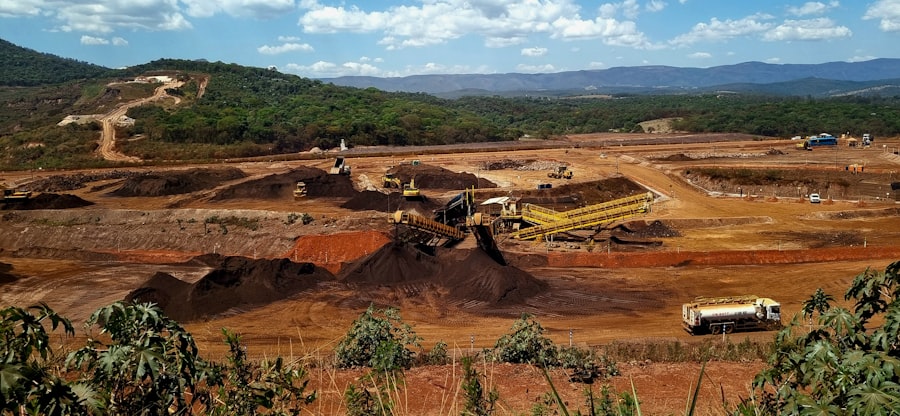
The choice of fuel for a captive power plant is a critical decision, influenced by factors such as availability, cost, environmental considerations, and the specific energy demands of the mine. Africa’s diverse energy landscape offers a range of options, each with its own set of pros and cons.
Thermal Power Generation
Fossil fuels have historically been the backbone of industrial power generation, and captive power plants in mining are no exception.
Diesel Generators
Diesel generators are often the most readily available and quickest to deploy solution, particularly for smaller or remote operations.
- Advantages: High energy density, relatively low initial cost, and ease of integration. They are like the trusty workhorse of the power generation world – reliable for immediate needs.
- Disadvantages: High operational costs due to fuel consumption, significant greenhouse gas emissions, and noise pollution. Their reliance on imported fuel can also introduce price volatility and supply chain risks.
Natural Gas Turbines
Natural gas offers a cleaner and more efficient alternative to diesel, where gas infrastructure or local gas reserves are available.
- Advantages: Lower emissions compared to diesel, higher efficiency, and potentially lower fuel costs with stable gas supply. Natural gas turbines are akin to a more refined and powerful engine, offering better performance with fewer environmental drawbacks.
- Disadvantages: Requires access to natural gas pipelines or significant investment in gas storage and transportation infrastructure. Gas price fluctuations can still be a concern.
Renewable Energy Integration
The growing emphasis on sustainability and the declining costs of renewable technologies have made them increasingly attractive components of captive power strategies.
Solar Photovoltaic (PV) Systems
Solar power harnesses the abundant sunshine across much of Africa to generate electricity.
- Advantages: Abundant and free fuel source (sunlight), zero emissions during operation, and declining capital costs. Solar is like a free energy dividend from the sky, a renewable source that needs no extraction.
- Disadvantages: Intermittent power generation dependent on sunlight and weather conditions. Requires significant land area for large-scale installations and energy storage solutions (batteries) to ensure continuous supply.
Wind Turbines
Wind power can be a viable option in areas with consistent and strong wind resources.
- Advantages: Clean energy generation with no operational emissions and a potentially low cost of electricity over the lifespan of the turbines. Wind turbines are like giant windmills, capturing the invisible power of the atmosphere.
- Disadvantages: Site-specific dependence on wind availability, visual impact, and potential noise concerns. Like solar, wind power also requires energy storage to overcome its intermittency.
Hydropower
While often associated with large national grids, small-scale or micro-hydropower solutions can be viable for mines located near suitable water sources.
- Advantages: Reliable and consistent power generation if water flow is stable, low operational costs, and minimal environmental impact if sited and managed properly. Hydropower is a consistent flow of energy, like a river that never ceases to run.
- Disadvantages: Site-specific limitations and potential environmental and social impacts associated with water diversion.
Hybrid Power Solutions
The most robust and often most efficient approach involves combining different energy sources in a hybrid system.
- Synergistic Combinations: Hybrid systems typically integrate renewable sources (solar, wind) with dispatchable generation (diesel, gas turbines) and energy storage. This model aims to maximize the use of renewable energy while ensuring the reliability of baseload power. A hybrid system is like a well-orchestrated symphony, where different instruments play their part to create a harmonious and reliable output.
- Optimized Performance: Advanced control systems manage the interplay between different energy sources, ensuring that renewable energy is utilized whenever possible, and conventional generators are brought online only when necessary, thus minimizing fuel consumption and emissions.
Overcoming the Horizon: Challenges and Considerations for Captive Power
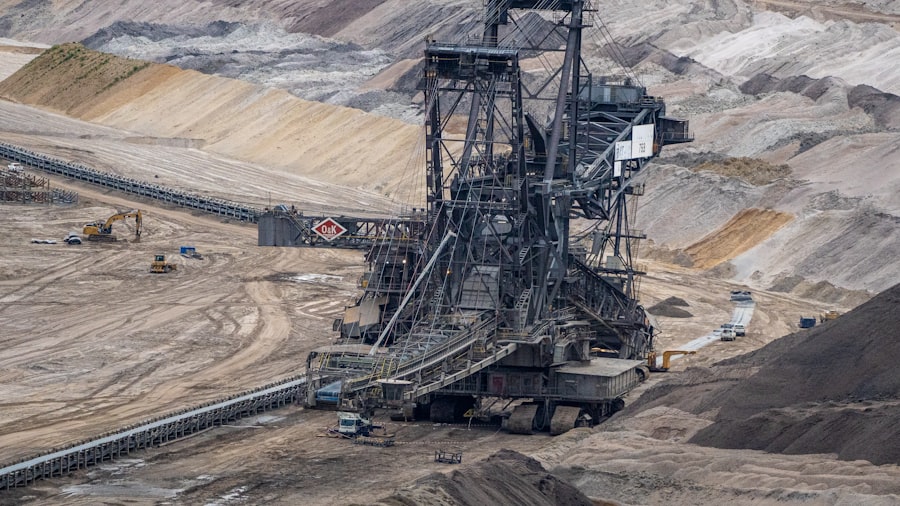
Despite the clear advantages, the implementation of captive power plants in African mining is not without its hurdles. Navigating these challenges effectively is crucial for successful deployment.
Financial Investment and Capital Expenditure
The upfront capital required to build and commission a captive power plant can be substantial, presenting a significant barrier for some mining operations.
High Initial Costs
Land acquisition, equipment procurement, construction, and associated infrastructure development necessitate considerable financial outlay. This can be a formidable obstacle, especially for junior mining companies or those operating in challenging economic environments.
Securing financing
Access to affordable financing can be difficult. Lenders may perceive mining projects and captive power investments as high-risk, leading to higher interest rates or a reluctance to provide capital. Innovative financing models and partnerships are often required.
Technical Expertise and Maintenance
Operating and maintaining complex power generation equipment requires specialized skills and a robust maintenance framework.
Skilled Workforce Shortages
There can be a scarcity of locally available skilled engineers, technicians, and maintenance personnel with expertise in managing sophisticated power generation systems.
Logistics for Spare Parts and Servicing
Remote mining locations can pose significant logistical challenges for obtaining spare parts and arranging for specialized servicing from original equipment manufacturers. This can lead to extended downtime if not managed proactively.
Regulatory and Permitting Landscapes
Navigating the regulatory environment and obtaining the necessary permits for power generation can be a complex and time-consuming process.
Bureaucratic Hurdles
The process of obtaining licenses, environmental permits, and other regulatory approvals can be protracted and subject to bureaucratic delays. This can significantly impact project timelines and budgets.
Evolving Regulations
The regulatory frameworks surrounding energy generation and distribution are constantly evolving in many African countries. Mining companies need to stay abreast of these changes to ensure compliance.
Environmental and Social Impact Mitigation
The construction and operation of any power plant, including captive ones, have environmental and social implications that must be carefully managed.
Land Use and Biodiversity
Large-scale power plants, particularly solar farms, can require significant land area, potentially impacting local ecosystems and biodiversity. Careful site selection and environmental impact assessments are crucial.
Community Engagement and Benefits
Ensuring that local communities benefit from the development and operation of captive power plants is essential. This can involve local employment opportunities, skills development programs, and community infrastructure projects.
Emission Control and Waste Management
While renewable sources offer cleaner alternatives, thermal power plants must adhere to strict emission control standards and have proper waste management protocols in place.
In recent discussions about the energy landscape in Africa, the role of mining captive power plants has gained significant attention due to their potential to enhance energy security and reduce costs for mining operations. A related article that delves deeper into this topic can be found at MyGeoQuest, which explores how these power plants can contribute to sustainable mining practices across the continent. As the demand for reliable energy sources grows, understanding the implications of such developments becomes increasingly important for stakeholders in the mining sector.
The Future’s Bright Spark: Innovations and Trends
| Country | Mining Sector | Captive Power Plant Capacity (MW) | Primary Energy Source | Year Established | Estimated Annual Generation (GWh) | Key Operator |
|---|---|---|---|---|---|---|
| South Africa | Gold and Platinum Mining | 500 | Coal | 2015 | 4,200 | Anglo American |
| Ghana | Gold Mining | 120 | Diesel | 2018 | 1,000 | Newmont |
| Zambia | Copper Mining | 300 | Hydropower | 2012 | 2,400 | Konkola Copper Mines |
| Democratic Republic of Congo | Cobalt and Copper Mining | 250 | Diesel and Hydro | 2016 | 2,100 | Glencore |
| Mozambique | Coal Mining | 150 | Coal | 2019 | 1,200 | Vale |
The captive power landscape in African mining is dynamic, with ongoing innovation and evolving trends shaping its future.
The Dawn of Hybrid and Smart Grids
The integration of advanced technologies is leading to more efficient and responsive power solutions.
Smart Control Systems
The deployment of sophisticated energy management systems allows for real-time monitoring and optimization of power generation, storage, and consumption. These systems act like the brain of the operation, making intelligent decisions to maximize efficiency.
Microgrids and Islanding Capabilities
Captive power plants are increasingly designed as microgrids, capable of operating independently or seamlessly connecting to the national grid when available. This “islanding” capability ensures uninterrupted power during grid outages.
The Growing Influence of Renewables
The push for sustainability and cost-effectiveness is accelerating the adoption of renewable energy.
Increasing Scale of Renewable Integrations
As the cost of solar and wind technology continues to fall, larger-scale renewable energy installations are becoming economically viable for mining operations. This trend is like a rising tide, lifting all energy aspirations.
Energy Storage Solutions
Advances in battery technology are crucial for overcoming the intermittency of renewables. Improved energy storage allows captured solar or wind energy to be deployed when needed, providing a consistent power supply.
Digitalization and Remote Operation
The embrace of digital technologies is revolutionizing the way power plants are monitored and managed.
Remote Monitoring and Diagnostics
IoT sensors and advanced software enable remote monitoring of plant performance, proactive identification of potential issues, and even remote troubleshooting, reducing the need for on-site personnel and minimizing downtime.
Data Analytics for Optimization
The vast amounts of data generated by modern power plants can be analyzed to identify trends, optimize operational parameters, and predict maintenance needs, leading to greater efficiency and cost savings.
Conclusion: Powering Progress, Unlocking Wealth
The unreliable electricity infrastructure in many parts of Africa remains a significant impediment to the full realization of the continent’s vast mining potential. Captive power plants, far from being a mere supplement, are transforming into an indispensable cornerstone for the sector. They offer a beacon of reliability in a often unpredictable energy landscape, acting as the robust engine that drives not only the extraction of minerals but also the economic development and prosperity of the regions in which they operate.
The journey towards robust energy independence for African mining is ongoing. By embracing innovative technologies, fostering collaborative partnerships, and diligently addressing the inherent challenges, the continent can ensure that its rich mineral wealth is not left buried by the limitations of power supply, but instead, is brought to the surface, powered by dedicated, reliable, and increasingly sustainable energy solutions. The potential is undeniable; unlocking it requires a steady, unwavering flow of electricity, and captive power plants are proving to be the key to that vital conduit.
FAQs
What are captive power plants in the context of mining in Africa?
Captive power plants are private power generation facilities owned and operated by mining companies to supply electricity exclusively for their mining operations. These plants help ensure a reliable and cost-effective power supply, independent of the public grid.
Why are captive power plants important for mining operations in Africa?
Many mining sites in Africa are located in remote areas with limited or unreliable access to national electricity grids. Captive power plants provide consistent and stable power, which is critical for continuous mining activities and reducing operational downtime.
What types of energy sources are commonly used for captive power plants in African mining?
Captive power plants in African mining often use diesel generators, natural gas, coal, or renewable energy sources such as solar and hydroelectric power, depending on resource availability, cost, and environmental considerations.
What are the challenges associated with operating captive power plants in African mines?
Challenges include high capital and operational costs, fuel supply logistics, environmental regulations, technical expertise requirements, and the need to balance power generation with fluctuating mining demands.
How do captive power plants impact the sustainability of mining operations in Africa?
By enabling reliable power supply, captive plants improve operational efficiency and reduce dependence on unstable grids. Incorporating renewable energy sources can also lower carbon emissions, contributing to more sustainable mining practices.