Africa’s energy landscape is a complex tapestry, woven with threads of immense potential and persistent challenges. The continent, brimming with natural resources and a rapidly growing population, faces a critical juncture in its development, with energy access serving as a fundamental determinant of its future trajectory. Within this intricate system, certain actors emerge as pivotal figures, shaping the flow of power and influencing economic progress. These are the individuals and entities that operate at the nexus of energy supply and demand, acting as both gatekeepers and traders in the vital commodity that fuels modern life. Understanding their roles, motivations, and impact is crucial to grasping the dynamics of empowering a continent.
Africa is not merely a recipient of energy solutions; it is becoming a vibrant hub of innovation and adoption, particularly in the realm of renewable energy. The continent’s abundant solar, wind, and geothermal resources present a compelling opportunity to leapfrog traditional, fossil fuel-dependent development models. This transition, however, is not a monolithic wave but rather a mosaic of localized initiatives, driven by a confluence of factors.
Solar’s Ubiquitous Reach: From Rooftops to Vast Deserts
Solar energy, perhaps the most readily accessible and deployable renewable resource across Africa, is witnessing an exponential surge. The intensity of the African sun, a consistent and powerful force, is being harnessed in increasingly sophisticated ways.
Off-Grid Solutions and the Democratization of Power
For vast swathes of the continent where grid infrastructure is either absent or unreliable, off-grid solar solutions have become a lifeline. These range from small, portable solar lanterns that illuminate homes and enable evening study, to more substantial home systems providing electricity for essential appliances. This democratization of power bypasses the need for massive, centralized grid expansion, empowering individual households and small businesses directly. It’s akin to giving each village its own personal sun, available on demand.
Mini-Grids: Bridging the Infrastructure Gap
Beyond individual homes, the development of solar-powered mini-grids is transforming communities and enabling economic activity that was previously impossible. These localized energy networks, often powered by solar arrays, batteries, and sometimes a hybrid of other sources, provide reliable electricity to clusters of homes and businesses within a specific geographic area. They act as miniature power arteries, pumping lifeblood into previously underdeveloped regions.
Large-Scale Solar Farms: Tapping into Continental Potential
On a grander scale, significant investments are being made in utility-scale solar farms. These projects, often situated in the vast arid regions of the continent, are designed to feed power into national grids or even across borders. They represent a commitment to harnessing the sun’s energy on an industrial level, capable of powering cities and industries. These solar farms are the continent’s collective embrace of a boundless energy source, planting the seeds for future prosperity.
Wind’s Untamed Potential: Harnessing the Continent’s Breezes
While perhaps less universally distributed than solar, Africa’s coastal regions and other wind corridors offer immense potential for wind energy generation. The consistent winds that sweep across these landscapes represent another powerful, clean energy resource waiting to be tapped.
Onshore and Offshore Wind Projects: A Growing Frontier
The development of onshore wind farms is steadily increasing, with projects taking root in countries like Egypt, Morocco, and South Africa. These turbines, like silent sentinels on the horizon, capture the kinetic energy of the wind and convert it into electricity. The exploration of offshore wind potential, while still nascent, also presents a significant opportunity, leveraging stronger and more consistent wind speeds.
The Integration Challenge: Balancing Wind’s Intermittency
A key challenge in wind energy, as with solar, is its intermittent nature. Wind does not blow constantly, and fluctuations in its speed can impact the reliability of electricity supply. This necessitates the development of sophisticated grid management systems and energy storage solutions to ensure a stable and consistent power flow.
In the context of Africa’s evolving energy landscape, the role of energy gatekeepers and diesel traders is increasingly significant. A related article that delves into the dynamics of energy distribution and the challenges faced by these stakeholders can be found at MyGeoQuest. This resource provides valuable insights into the current trends and future prospects for energy access across the continent, highlighting the critical importance of effective management and trade in diesel and other energy resources.
The Lingering Shadow: Diesel Traders and the Imperative of Transition
Despite the burgeoning embrace of renewables, diesel remains a significant, and often indispensable, component of Africa’s energy mix. The diesel trade, therefore, continues to hold considerable sway, acting as a bridge between current needs and the aspirations for a cleaner future, while also presenting its own set of economic and environmental complexities.
The Ubiquitous Generator: A Symbol of Necessity and Limitation
In many African urban centers and remote areas, the hum of diesel generators is a familiar sound. For businesses and households, these machines represent a crucial backup power source, a shield against the unpredictable nature of national electricity grids. They are the unsung heroes of continuity in the face of outages, but also come with a significant cost.
Fueling Economic Activity, But at What Price?
Diesel generators are essential for keeping markets alive, powering small businesses, and ensuring that essential services continue to operate during blackouts. The diesel traders, therefore, are facilitating this fundamental economic activity. However, the reliance on diesel comes with substantial financial burdens for consumers due to fluctuating fuel prices and the relatively high cost of diesel itself. Furthermore, the environmental toll of burning diesel, in terms of air pollution and greenhouse gas emissions, is a growing concern for public health and climate resilience.
The Import Dependence: A Vulnerability in the System
Many African nations are net importers of refined petroleum products, including diesel. This dependence creates a vulnerability in the energy supply chain, exposing countries to global price volatility and potential supply disruptions. The ebb and flow of international oil markets directly impact the cost of doing business and the affordability of energy for millions.
The Diesel Trading Ecosystem: Networks and Influence
The diesel trading landscape in Africa is a sophisticated network involving a variety of players, from international oil companies to local distributors and informal vendors. These actors play a critical role in ensuring the availability of diesel where and when it is needed.
Importing Giants and Local Distributors: The Supply Chain Backbone
The journey of diesel begins with large international companies that import refined fuels into the continent. These are then distributed through a complex network of local companies, wholesalers, and retailers, reaching the end-users. The efficiency and integrity of this supply chain are paramount to preventing shortages and price gouging.
The Informal Sector: Filling the Gaps
In many areas, an informal sector of diesel traders plays a crucial role in reaching remote communities or areas underserved by formal distribution channels. While these traders may provide essential access, they also operate with less regulatory oversight, which can sometimes lead to issues of quality control and accurate pricing. They are a testament to the entrepreneurial spirit in Africa, adapting to meet demand where formal systems falter.
Energy Gatekeepers: Navigating the Labyrinth of Access and Opportunity
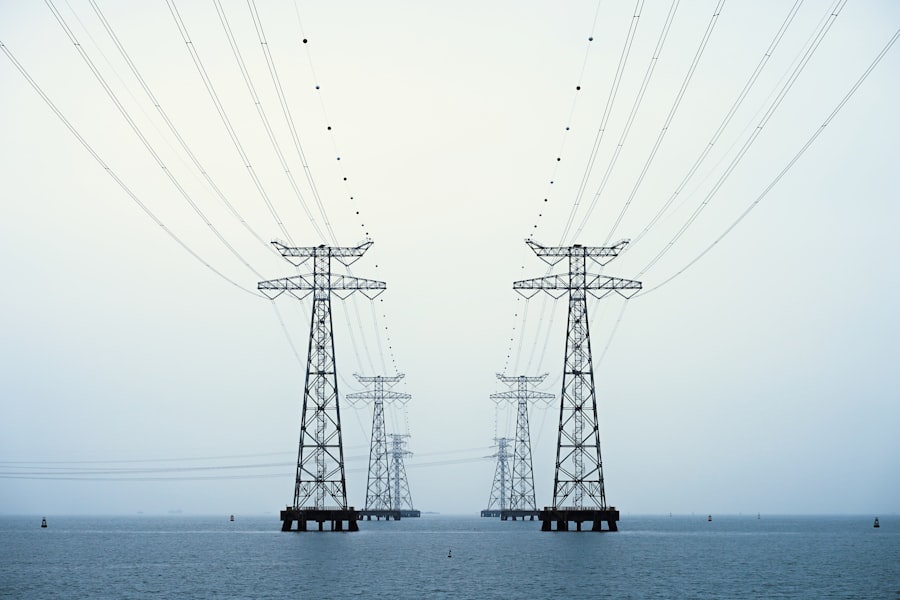
The term “energy gatekeeper” encompasses a diverse range of individuals and entities who, intentionally or unintentionally, control access to energy resources and infrastructure. Their influence can either facilitate progress or act as a bottleneck, determining who benefits from the energy revolution and who is left behind.
Government Agencies and Regulatory Bodies: Setting the Rules of the Game
At the highest level, government ministries and regulatory bodies hold significant power in shaping the energy sector. They are responsible for policy formulation, licensing, setting tariffs, and ensuring adherence to environmental and safety standards.
Policy Frameworks and Investment Attraction: The Foundation of Growth
Effective and transparent policy frameworks are essential for attracting domestic and foreign investment in the energy sector. When governments create an enabling environment, it opens the floodgates for the development of new power generation projects, transmission infrastructure, and innovative energy solutions. Conversely, opaque or inconsistent policies can deter investment and slow down progress.
Licensing and Concession Management: Who Gets the Keys?
The process of licensing and granting concessions for energy projects, whether for exploration, generation, or distribution, places significant power in the hands of regulatory bodies. The fairness and transparency of these processes are critical to preventing corruption and ensuring that projects are awarded to entities best equipped to deliver reliable and affordable energy.
Utility Companies: The Traditional Gatekeepers of the Grid
National utility companies, often state-owned, have historically been the primary gatekeepers of electricity access. They control the existing grid infrastructure and are responsible for its maintenance, expansion, and the provision of electricity to consumers.
Grid Infrastructure Ownership and Control: The Power Grid’s Arteries
The ownership and control of the physical transmission and distribution networks give utility companies immense leverage. Decisions about where to extend the grid, how to upgrade infrastructure, and how to manage load shedding directly impact the accessibility and reliability of electricity for millions. They are the custodians of the continent’s existing power arteries.
Tariff Setting and Consumer Access: The Price of Power
Utility companies, in conjunction with regulatory bodies, play a critical role in determining electricity tariffs. These prices directly influence the affordability of energy for households and businesses. Ensuring that tariffs are fair and equitable, while also allowing utilities to remain financially sustainable, is a constant balancing act.
Financial Institutions and Investors: The Architects of Capital Flow
The flow of capital is a de facto gating mechanism for energy development. Financial institutions, from development banks to private equity firms, wield considerable power in deciding which projects receive funding and which remain on the drawing board.
Project Finance and Investment Decisions: Fueling Ambition
The availability of affordable and accessible finance is a prerequisite for undertaking large-scale energy projects. Investment decisions made by banks, funds, and other financial institutions can, therefore, determine the pace and direction of energy development across the continent. They are the architects who decide which ambitious energy blueprints get the necessary capital to become reality.
Risk Assessment and Investment Climate: Navigating Uncertainty
Investors are inherently risk-averse. Countries and projects that demonstrate political stability, clear regulatory environments, and a track record of reliable contract enforcement are more likely to attract investment. Financial institutions play a crucial role in assessing these risks and channeling capital accordingly.
The Diesel Traders’ Dilemma: Profitability vs. Sustainability
The business of trading diesel is inherently driven by profit margins and market demand. However, as the global imperative for decarbonization intensifies, these traders are facing a fundamental dilemma: how to remain profitable in an era of rising environmental consciousness and the increasing viability of cleaner energy alternatives.
Navigating Shifting Market Dynamics: The Winds of Change
The global energy market is undergoing a seismic shift. The increasing focus on climate change, coupled with technological advancements in renewable energy, is creating new market dynamics that can impact the long-term viability of fossil fuel trading.
The Rise of Electric Vehicles and Alternative Fuels: A Looming Disruption
The growing adoption of electric vehicles (EVs) in developed markets, and the increasing interest in alternative fuels, presents a potential disruption to the demand for diesel in the transportation sector. While the immediate impact on Africa may be gradual, it signals a long-term trend that diesel traders must acknowledge and adapt to.
Carbon Pricing and Environmental Regulations: Adding to the Cost
Many jurisdictions are implementing carbon pricing mechanisms and stricter environmental regulations that increase the cost of using fossil fuels. While these are not yet universally widespread across Africa, the global trend suggests a future where the environmental externalities of diesel are more directly factored into its price.
Adaptation and Diversification: The Path Forward for Traders
For diesel traders to thrive in the evolving energy landscape, adaptation and diversification are key. This involves exploring new business models and investing in emerging opportunities within the broader energy sector.
Investing in Renewable Energy Infrastructure: A Strategic Pivot
Some forward-thinking diesel traders are already beginning to pivot their investments towards renewable energy infrastructure. This could include developing solar farms, wind projects, or investing in energy storage solutions. This strategic diversification allows them to leverage their existing expertise in logistics and market access while embracing the transition to cleaner energy. They are essentially shifting their focus from the old guard of energy to the new vanguard.
Exploring Biofuels and Lower-Carbon Diesel Alternatives: A Gradual Transition
Another avenue for adaptation is the exploration of biofuels and other lower-carbon diesel alternatives. These can offer a bridge between traditional diesel and fully renewable solutions, allowing for a more gradual transition for consumers and industries. This pragmatic approach acknowledges the existing infrastructure and the need for immediate, if not perfect, solutions.
In the evolving landscape of Africa’s energy sector, the role of energy gatekeepers and diesel traders is becoming increasingly significant. These key players are essential in navigating the complexities of energy distribution and ensuring access to reliable power sources across the continent. For a deeper understanding of the challenges and opportunities faced by these stakeholders, you can explore a related article that delves into the dynamics of energy trade in Africa. This insightful piece can be found here, providing valuable context to the ongoing developments in the region’s energy market.
Empowering Africa: The Interplay of Gatekeepers and Traders in a Continent’s Ascent
| Country | Key Energy Gatekeepers | Diesel Traders | Diesel Consumption (Million Liters/Year) | Energy Access Rate (%) | Diesel Price (per Liter) |
|---|---|---|---|---|---|
| Nigeria | Nigerian National Petroleum Corporation (NNPC), Nigerian Electricity Regulatory Commission (NERC) | Oando, Conoil, Forte Oil | 4,500 | 55 | 0.65 |
| Kenya | Kenya Power and Lighting Company (KPLC), Energy and Petroleum Regulatory Authority (EPRA) | KenolKobil, Gulf Energy, Total Kenya | 1,200 | 75 | 0.90 |
| South Africa | Department of Energy, National Energy Regulator of South Africa (NERSA) | PetroSA, Engen, Sasol | 3,800 | 85 | 0.80 |
| Egypt | Egyptian General Petroleum Corporation (EGPC), Egyptian Electric Utility and Consumer Protection Regulatory Agency | EGPC, Shell Egypt, Total Egypt | 2,700 | 99 | 0.70 |
| Ghana | Energy Commission, Ghana National Petroleum Corporation (GNPC) | GOIL, Total Ghana, Vivo Energy | 900 | 80 | 0.85 |
The journey of empowering Africa through improved energy access is intrinsically linked to the roles played by both energy gatekeepers and diesel traders. Their actions, decisions, and evolving strategies will significantly shape the continent’s developmental trajectory.
The Symbiotic Relationship: Bridging the Present and the Future
There exists a complex, often symbiotic, relationship between the gatekeepers and the traders. Gatekeepers, in their capacity to regulate and facilitate, can either create an environment conducive to the adoption of cleaner energy and the diversification of the energy mix, or they can inadvertently perpetuate reliance on existing, albeit unsustainable, models. Diesel traders, on the other hand, are the vital conduits that currently meet the immediate energy demands, but their long-term viability is contingent on their ability to adapt to the emerging energy future.
The Call for Transformation: A Shared Responsibility
Ultimately, empowering Africa’s energy future is a shared responsibility. Governments, as gatekeepers, must enact progressive policies that incentivize renewable energy development and disincentivize unsustainable fossil fuel reliance. Financial institutions, as capital gatekeepers, must direct investment towards innovative and sustainable energy solutions. And diesel traders, as critical nodes in the current supply chain, must embrace adaptation and explore diversification into cleaner energy markets. The continent’s ascent depends on this collective transformation, moving from a reliance on past solutions to the robust embrace of future possibilities. The power to ignite this transformation lies in the hands of these key actors, and their strategic choices will be the true indicators of Africa’s energy empowerment.
FAQs
What role do energy gatekeepers play in Africa’s energy sector?
Energy gatekeepers in Africa act as intermediaries who control access to energy resources and infrastructure. They influence the distribution, pricing, and availability of energy, often impacting the efficiency and equity of energy supply across the continent.
Who are diesel traders in the context of Africa’s energy market?
Diesel traders are individuals or companies involved in the buying, selling, and distribution of diesel fuel. In Africa, they play a crucial role in supplying diesel for transportation, power generation, and industrial use, especially in areas with limited access to alternative energy sources.
Why is diesel important for Africa’s energy needs?
Diesel is a vital energy source in Africa due to its use in generators for electricity, transportation, and machinery. Many regions rely on diesel-powered generators because of unreliable or unavailable grid electricity, making diesel a key component in meeting immediate energy demands.
What challenges are associated with diesel trading in Africa?
Challenges include price volatility, supply chain disruptions, regulatory hurdles, and environmental concerns. Additionally, diesel trading can be affected by corruption and inefficiencies, which may lead to higher costs and limited access for end-users.
How do energy gatekeepers and diesel traders impact energy access in Africa?
Energy gatekeepers and diesel traders influence who gets access to energy and at what cost. Their control over supply chains and pricing can either facilitate or hinder energy availability, affecting economic development and the quality of life for communities across Africa.