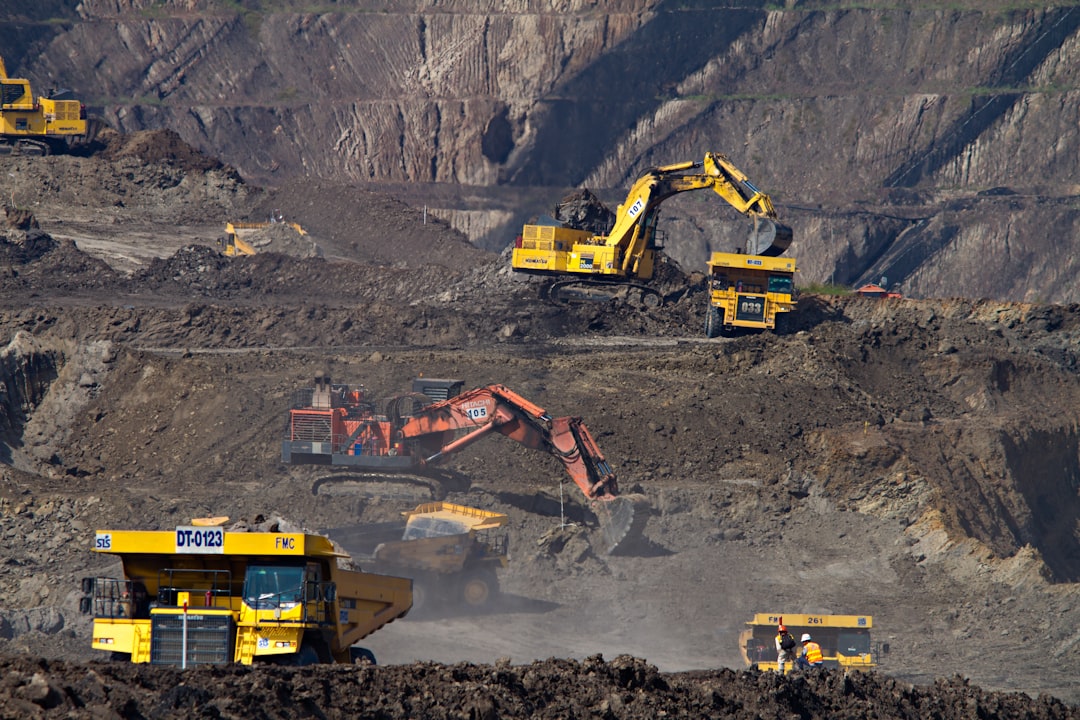
South America, a continent teeming with natural wonders and rich geological deposits, finds itself at a nexus of opportunity and peril with the escalating global demand for lithium. This white, alkali metal, often dubbed “white gold,” has become the linchpin of the modern technological revolution, powering electric vehicles, smartphones, and an ever-expanding array of renewable energy storage solutions. For several South American nations, particularly those within the “Lithium Triangle” shared by Argentina, Bolivia, and Chile, this surge in demand presents a potent economic prospect. However, an examination of the continent’s history with resource extraction reveals a darker undercurrent – the specter of the “resource curse.” This phenomenon, where nations heavily reliant on abundant natural resources often suffer from stagnant economic growth, corruption, and conflict, looms large over the burgeoning lithium industry, posing a significant challenge to sustainable development and equitable prosperity.
The high-altitude salt flats, or salares, of the Andes are a geochemical lottery, yielding the vast majority of the world’s known lithium reserves. These arid, windswept landscapes, dotted with stark beauty and extreme weather, are the primary source of brine-hosted lithium, a method that, while seemingly less destructive than hard-rock mining, carries its own set of environmental and social considerations.
The Geography of Abundance
The Altiplano region, a vast plateau spanning parts of Argentina, Bolivia, and Chile, is the epicentre of this lithium bonanza. The unique geological conditions, characterized by volcanic activity and arid climates, have created vast subsurface reservoirs of mineral-rich brines. These brines, essentially salty underground water, are rich in dissolved lithium salts, making them a prime target for extraction.
Brine Extraction: A Water-Intensive Process
The process of extracting lithium from these brines is an intricate dance with nature, heavily reliant on solar evaporation. Massive evaporation ponds, glistening under the intense Andean sun, are constructed to concentrate the lithium salts. Water, a precious commodity in these hyper-arid regions, is pumped from underground aquifers and surface sources to flood these ponds. Over months, the sun’s relentless gaze bakes away the water, leaving behind increasingly concentrated lithium chloride solutions. This slurry is then subjected to further chemical processing to isolate the lithium carbonate or hydroxide, the key ingredients for battery manufacturing.
Bolivia’s Untapped Potential
Bolivia, home to the Salar de Uyuni, the world’s largest salt flat, holds an estimated 50% of the global lithium reserves. However, its extraction efforts have been significantly slower and less developed compared to its neighbors. This can be attributed to a combination of factors, including less developed infrastructure, a nationalistic approach to resource management, and a lack of sufficient technological expertise and investment. While the government has expressed aspirations to become a major lithium producer, the practicalities of large-scale extraction and processing remain a significant hurdle.
Chile’s Established Industry
Chile, a long-standing player in the global copper market, has also carved out a significant niche in lithium production. The Salar de Atacama, one of the driest places on Earth, is the source of Chile’s lithium output, and the country has developed a robust industry over decades. However, this established presence has also brought its own set of challenges, including environmental concerns related to water usage and the impact on fragile ecosystems.
Lithium mining in South America has become a focal point of discussion, particularly in relation to the resource curse that often affects countries rich in natural resources. As nations like Bolivia, Argentina, and Chile tap into their lithium reserves to meet the growing global demand for electric vehicle batteries, they face challenges that can hinder sustainable development. For a deeper understanding of these dynamics, you can explore a related article that delves into the complexities of lithium extraction and its socio-economic impacts by visiting this link. The implications of lithium mining extend beyond economic benefits, raising questions about environmental sustainability and social equity in the region.
Argentina’s Growing Ambitions
Argentina, with its significant lithium reserves in the northwestern provinces, is actively seeking to boost its production. The country has a more fragmented ownership structure compared to Chile, with numerous projects at various stages of development. This offers potential for rapid growth, but also presents complexities in terms of regulation and ensuring equitable benefit distribution.
Lithium mining in South America has become a focal point of discussion, particularly in relation to the resource curse that affects many countries rich in natural resources. An insightful article that delves into this topic can be found at MyGeoQuest, where it explores the socio-economic challenges and environmental impacts associated with lithium extraction in the region. As countries like Bolivia, Argentina, and Chile seek to capitalize on their lithium reserves, the article highlights the potential pitfalls of relying heavily on a single resource, which can lead to economic instability and social unrest.
The Double-Edged Sword of Economic Growth
The promise of substantial revenue streams from lithium exports is undeniable. For countries that have long struggled with economic diversification and dependence on volatile commodity markets, lithium represents a potential lifeline. However, history has shown that the sheer abundance of a natural resource can paradoxically hinder rather than foster sustainable and inclusive economic development.
Foreign Investment and Skill Drain
The lithium industry is capital-intensive and often relies heavily on foreign direct investment. While this can bring much-needed capital and technological expertise, it can also lead to a concentration of wealth and power in the hands of multinational corporations. Critics warn of the potential for “capital flight” and a lack of meaningful technology transfer, leaving local economies with limited long-term benefits. Furthermore, the demand for specialized skills in the mining and processing sectors can create a “skill drain” from other nascent industries, further hindering diversification efforts.
The Volatility of Commodity Prices
The global price of lithium, like many other commodities, is subject to significant fluctuations influenced by supply and demand dynamics, geopolitical events, and technological advancements. A country that becomes overly reliant on lithium exports can find its economic stability highly vulnerable to these price swings. A sudden downturn in the market can cripple government budgets and plunge economies into recession, leaving them adrift like a ship caught in a tempest with no other ports in sight.
Diversification Challenges
The historical pattern of resource-rich nations struggling to diversify their economies is a grim foreshadowing. The allure of quick profits from resource extraction can create disincentives for investing in and developing other sectors such as manufacturing, agriculture, or service industries. This over-reliance on a single commodity makes the economy brittle, susceptible to external shocks, and ill-equipped to create a broad base of employment and opportunity. The “Dutch disease,” a phenomenon where a surge in natural resource exports leads to an appreciation of the national currency, making other exports less competitive, is a constant threat.
Environmental Sacrifices in the Pursuit of Progress
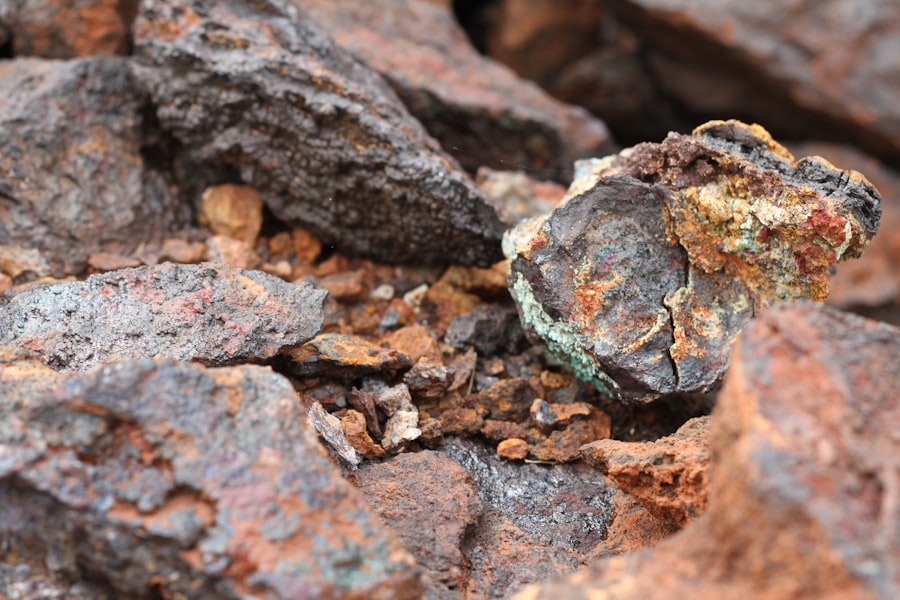
The extraction of lithium, particularly from brine operations, is not without its environmental costs. The very landscapes that cradle these riches are fragile ecosystems, and the intensive use of water, coupled with chemical processing, raises significant concerns.
Water Scarcity and Ecosystem Impact
The salares are not just mineral deposits; they are also vital ecosystems supporting unique biodiversity. The extensive pumping of water from underground aquifers for evaporation ponds can lead to a depletion of these precious water resources, impacting not only the salares themselves but also the downstream communities and agricultural activities that depend on them. The delicate balance of these arid environments can be easily disrupted, leading to desertification and loss of habitat for endemic species. The shimmering expanse of the salt flats can mask a hidden thirst, a crucial resource being siphoned away.
Contamination Risks
The chemical processes involved in lithium extraction can also pose contamination risks. While companies adhere to environmental regulations, accidents or improper waste disposal can lead to the release of harmful chemicals into the soil and water, with potentially devastating long-term consequences for both human and environmental health. The very elements used to purify the desired
FAQs
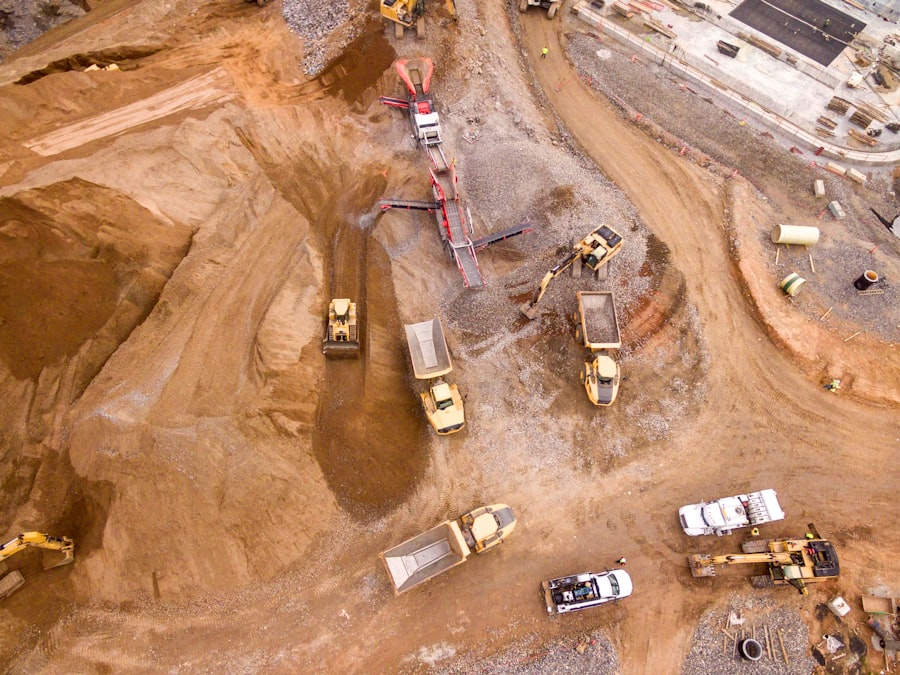
What is lithium mining and why is it important in South America?
Lithium mining involves extracting lithium, a key mineral used primarily in batteries for electric vehicles and electronic devices. South America, particularly the “Lithium Triangle” encompassing parts of Bolivia, Argentina, and Chile, holds some of the world’s largest lithium reserves, making it a critical region for global lithium supply.
What is the resource curse and how does it relate to lithium mining in South America?
The resource curse refers to the paradox where countries rich in natural resources often experience less economic growth, weaker governance, and more conflict than countries with fewer natural resources. In South America, some lithium-rich countries face challenges such as economic dependency on lithium exports, environmental degradation, and social conflicts, which are aspects of the resource curse.
What environmental impacts are associated with lithium mining in South America?
Lithium mining in South America can lead to significant environmental impacts, including water depletion in arid regions, soil contamination, and disruption of local ecosystems. The extraction process often requires large amounts of water, which can affect local communities and biodiversity.
How does lithium mining affect local communities in South America?
Local communities near lithium mining sites may experience both positive and negative effects. While mining can create jobs and economic opportunities, it can also lead to displacement, loss of traditional livelihoods, and social tensions due to environmental concerns and unequal distribution of mining benefits.
What measures are being taken to address the challenges of lithium mining in South America?
Governments and organizations are working to implement more sustainable mining practices, improve regulatory frameworks, and promote community engagement. Efforts include environmental impact assessments, water management strategies, and initiatives to ensure that local populations benefit economically and socially from lithium mining activities.