Lithium, a light and reactive alkali metal, has emerged as a cornerstone in the transition towards a decarbonized global economy. Its unique electrochemical properties make it an indispensable component for energy storage, most notably in the rechargeable lithium-ion batteries that power everything from smartphones and laptops to electric vehicles (EVs) and grid-scale energy storage systems. As nations around the world commit to ambitious net-zero emissions targets, the demand for lithium is projected to surge, positioning global lithium mining as a critical, albeit complex, enabler of this monumental shift. This article delves into the multifaceted landscape of global lithium mining, examining its current state, future prospects, inherent challenges, and its undeniable role in shaping a sustainable energy future.
The impetus for increased lithium production is directly linked to the global imperative to reduce greenhouse gas emissions. The Paris Agreement, signed by 196 countries, aims to limit global warming to well below 2, preferable to 1.5 degrees Celsius compared to pre-industrial levels. Achieving this goal necessitates a rapid and widespread transition away from fossil fuels and towards renewable energy sources. This energy transition, however, is not a simple flick of a switch; it requires a robust and reliable infrastructure for energy storage.
Electric Vehicles: The Primary Demand Driver
Perhaps the most significant contributor to the burgeoning demand for lithium is the exponential growth of the electric vehicle market. Governments worldwide are implementing policies to phase out internal combustion engine (ICE) vehicles, offering incentives for EV adoption and setting ambitious sales targets. For example, the European Union has proposed banning the sale of new petrol and diesel cars by 2035. China, the world’s largest auto market, has also aggressively promoted EVs through subsidies and infrastructure development. This surge in EV production translates directly into a massive demand for lithium-ion batteries, and consequently, for the lithium that underpins them. Each electric vehicle can contain anywhere from 8 to over 100 kilograms of lithium, depending on its battery size and chemistry. This growing fleet of EVs is not just a trend; it is a fundamental reshaping of personal and commercial transportation, with lithium as its fuel.
Grid-Scale Energy Storage: Stabilizing the Renewable Grid
Beyond transportation, lithium-ion batteries are becoming increasingly vital for grid-scale energy storage. The intermittency of renewable energy sources such as solar and wind power presents a significant challenge for grid stability. Batteries can store excess energy generated during peak production times and discharge it when demand is high or renewable generation is low, effectively smoothing out the fluctuations and ensuring a consistent power supply. This function is crucial for integrating higher proportions of renewables into the grid, a necessary step for achieving net-zero emissions. As renewable energy portfolios expand, the need for large-scale battery storage solutions will only intensify, further amplifying the demand for lithium.
Consumer Electronics and Other Applications
While EVs and grid storage represent the lion’s share of future demand, consumer electronics, including smartphones, laptops, and tablets, continue to be significant consumers of lithium-ion batteries. Although the per-device lithium content is relatively small compared to an EV, the sheer volume of these devices manufactured globally contributes to the overall demand. Emerging applications for lithium batteries, such as in aerospace and industrial machinery, also contribute to a diversified demand profile.
As the world accelerates its efforts to transition to net zero emissions, the demand for lithium, a crucial component in electric vehicle batteries and renewable energy storage, continues to rise. A related article on this topic can be found at MyGeoQuest, which explores the environmental implications of lithium mining and its role in supporting sustainable energy solutions. This resource provides valuable insights into the balance between resource extraction and ecological preservation in the pursuit of a greener future.
The Global Landscape of Lithium Extraction
The Earth’s crust contains lithium, but its extraction is not a uniform process. Geographically, lithium deposits are concentrated in specific regions, creating a distinct global supply chain. The methods employed for extraction are primarily divided into two categories: hard-rock mining and brine extraction.
Brine Extraction: The Saline Seas of Lithium
The dominant method of lithium extraction, accounting for a significant portion of global supply, is from salt lakes, or salars, which are rich in dissolved lithium salts. These brines are typically found in arid, high-altitude environments. The process involves pumping the brines into large evaporation ponds, where solar energy drives the evaporation of water over many months, concentrating the lithium salts.
The “Lithium Triangle”: A Geographical Powerhouse
The so-called “Lithium Triangle,” encompassing parts of Argentina, Bolivia, and Chile, holds an estimated 50% to 70% of the world’s known lithium reserves. The dry, sunny climate and vast salt flats of this region make it ideal for solar evaporation. Chile is currently the second-largest producer of lithium globally, and Argentina holds substantial reserves and is increasing its production capacity. Bolivia possesses the largest estimated reserves, but its extraction operations are less developed due to various economic and political factors. This geographical concentration inherently creates supply chain vulnerabilities and influences global pricing.
Other Significant Brine Regions
While the Lithium Triangle is paramount, other regions also utilize brine extraction, albeit on a smaller scale. Australia, the world’s largest lithium producer, utilizes a combination of hard-rock mining and also explores potential brine resources. The United States, particularly Nevada, has vast untapped brine resources, but extraction faces significant environmental review and challenges. China also has brine reserves and has been investing heavily in developing its extraction capabilities.
Hard-Rock Mining: Unearthing the Ore
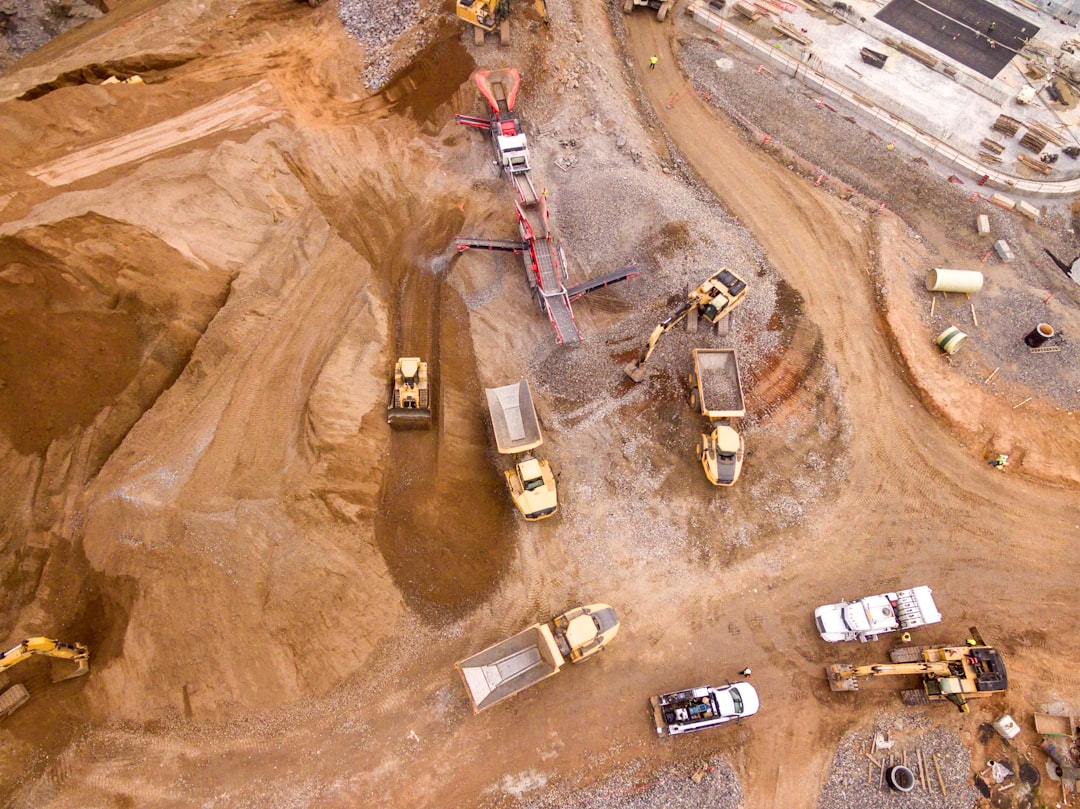
Hard-rock mining involves extracting lithium-bearing minerals, most commonly spodumene, from underground or open-pit mines. This method is prevalent in regions with geological formations suitable for such deposits.
Australia’s Dominance in Spodumene Production
Australia is the undisputed leader in hard-rock lithium mining, particularly for spodumene. Mines like Greenbushes in Western Australia are among the world’s largest hard-rock lithium mines. Spodumene is then crushed, milled, and processed to extract lithium. This method typically involves higher upfront capital costs and can be more energy-intensive than brine extraction.
Emerging Hard-Rock Operations
Other countries are actively developing hard-rock mining operations. Canada, with its significant mineral wealth, has seen a resurgence in lithium exploration and development, with projects focused on spodumene. Brazil also has known lithium-bearing pegmatite deposits. Zimbabwe has also emerged as a player in hard-rock lithium production. The development of these new mines is crucial for diversifying the global supply and reducing reliance on existing monopolized or oligopolized regions.
The Complexities and Challenges of Lithium Mining
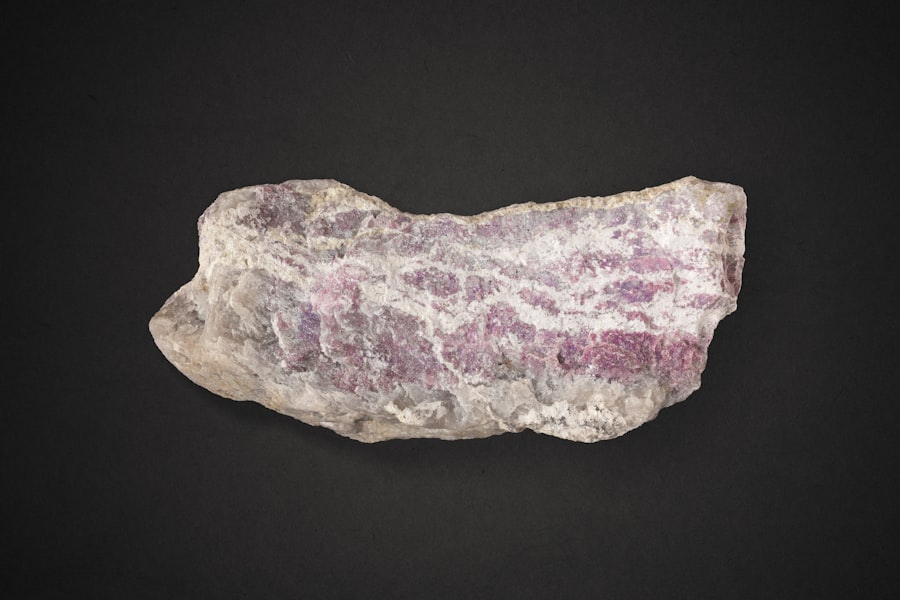
While the demand for lithium is undeniable, its extraction is not without significant hurdles. These challenges span environmental, social, economic, and geopolitical dimensions, requiring careful consideration and innovative solutions.
Environmental Footprint: Water Scarcity and Ecosystem Impact
The environmental impact of lithium mining is a primary concern, particularly in arid regions where brine extraction is practiced.
Water Consumption in Arid Climates
Lithium brine extraction is an extremely water-intensive process. In regions already facing water scarcity, the large-scale pumping of groundwater for brine processing can exacerbate existing shortages, impacting local communities, agriculture, and delicate ecosystems. This is a particularly acute problem in parts of the Lithium Triangle, which are some of the driest regions on Earth. The competition for water resources can create significant social and political friction.
Land Use and Biodiversity Disruption
Both brine evaporation ponds and hard-rock mining operations require significant land footprints. The construction of large evaporation ponds can alter landscapes, potentially affecting local biodiversity and habitats. Hard-rock mining, whether open-pit or underground, involves substantial land disturbance, including deforestation, waste rock disposal, and potential impacts on groundwater systems. Rehabilitation and restoration efforts are crucial but often long-term and costly.
Chemical Use and Waste Management
The processing of lithium ores and brines can involve the use of various chemicals. Proper management and disposal of these chemicals and the resulting waste products are essential to prevent soil and water contamination. Tailings from hard-rock mines can contain heavy metals and other contaminants that require secure containment.
Social License and Community Relations
Securing a “social license to operate” is paramount for any mining project, and lithium is no exception. Community engagement, benefit sharing, and respect for indigenous rights are critical for the long-term success and sustainability of lithium extraction operations.
Engagement with Local and Indigenous Communities
Many significant lithium deposits are located in areas inhabited by indigenous or local communities. These communities often have deep cultural and historical ties to the land, and their rights and perspectives must be respected. Consultation processes need to be thorough, transparent, and offer tangible benefits to ensure buy-in and prevent conflict. Failure to adequately engage can lead to project delays, protests, and reputational damage.
Economic Benefits and Equity
While mining projects can bring economic opportunities, ensuring that these benefits are equitably distributed within local communities is vital. This includes job creation, local procurement, infrastructure development, and investment in social programs. Ensuring that mining revenue contributes to sustainable development beyond the life of the mine is a key consideration for long-term community well-being.
Geopolitical Vulnerabilities and Supply Chain Concentration
The uneven geographical distribution of lithium resources creates inherent geopolitical risks and highlights the potential for supply chain vulnerabilities.
Reliance on a Few Key Producers
A significant portion of the world’s lithium supply is concentrated in a limited number of countries, primarily Australia (hard rock) and the “Lithium Triangle” (brines). This concentration can make the global supply chain susceptible to disruptions caused by political instability, trade disputes, or natural disasters in these key producing nations. The concentration of power in a few hands can also lead to price volatility.
Strategic Competition and Resource Nationalism
As lithium becomes increasingly vital for the global energy transition, there is a growing awareness and strategic interest in securing access to these resources. This can lead to “resource nationalism,” where governments prioritize domestic control and benefit from their lithium reserves, potentially impacting international trade and investment. Nations are increasingly looking to diversify their sources of critical minerals.
Technological Advancements and Economic Viability
The economic viability of lithium extraction is heavily influenced by technological advancements and the volatile nature of commodity prices.
Innovation in Extraction Techniques
Ongoing research and development are focused on improving the efficiency and reducing the environmental impact of lithium extraction. This includes exploring direct lithium extraction (DLE) technologies, which aim to extract lithium from brines more efficiently and with less water usage. Innovations in processing and refining lithium materials are also crucial for meeting battery-grade purity standards.
Price Volatility of Lithium Commodities
The price of lithium, like other commodities, is subject to market forces and can experience significant fluctuations. This volatility can impact the profitability of mining operations and investment decisions. Ensuring stable and predictable pricing is essential for the long-term planning and development of the lithium industry.
Innovations and the Future of Lithium Mining
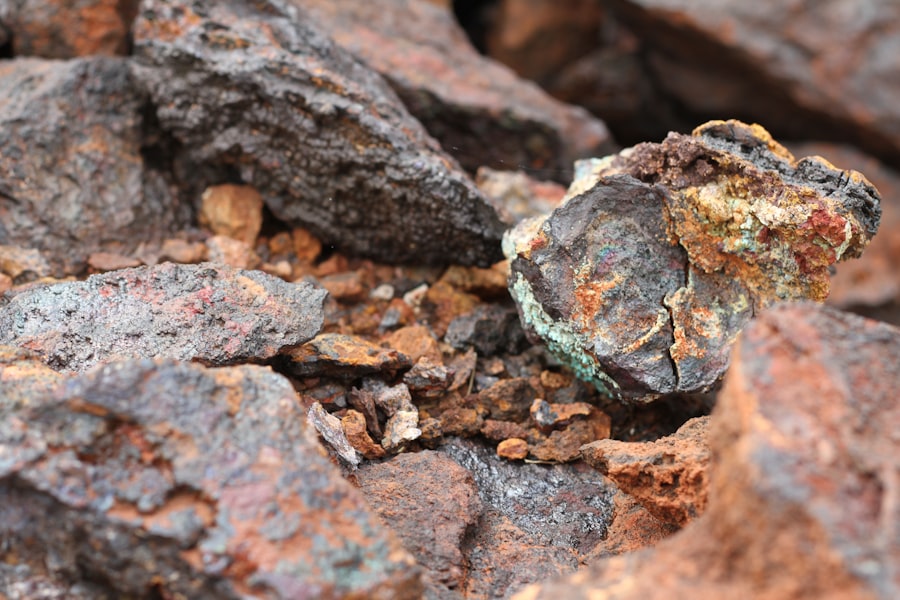
The inherent challenges and growing demand are driving significant innovation across the lithium mining and processing sectors. These advancements aim to improve efficiency, reduce environmental impact, and diversify supply.
Direct Lithium Extraction (DLE) Technologies
DLE technologies represent a potential paradigm shift in brine extraction. Instead of relying solely on solar evaporation’s slow and water-intensive process, DLE methods aim to selectively extract lithium from brines using various chemical or physical processes.
Adsorption and Ion Exchange
Some DLE technologies utilize adsorbent materials or ion exchange resins that bind specifically to lithium ions. Once the lithium is captured, it can be eluted and processed into a more concentrated and purer form, reducing the amount of water that needs to be evaporated. This can significantly decrease the footprint and water consumption of brine operations.
Membrane Separation and Electrochemical Methods
Other DLE approaches involve membrane filtration to separate lithium ions or electrochemical processes to precipitate lithium compounds. These technologies hold the promise of faster extraction times and greater control over the purity of the final product. While many DLE technologies are still in their pilot or early commercialization stages, they represent a significant area of investment and development for the future of lithium production.
Recycling and the Circular Economy
As the volume of lithium-ion batteries in circulation grows, so too does the potential for recycling. A robust battery recycling industry is crucial for a truly sustainable lithium lifecycle.
Recovering Lithium from Spent Batteries
Recycling processes aim to recover valuable materials, including lithium, cobalt, nickel, and manganese, from end-of-life batteries. This not only reduces the need for virgin mining but also mitigates the environmental impact of battery disposal. However, current battery recycling technologies are still evolving, and improving the efficiency and economic viability of lithium recovery is a key focus.
Closing the Loop for a Sustainable Future
The concept of a circular economy for lithium envisions a system where batteries are designed for disassembly and recycling, and recovered materials are fed back into new battery production. This closed-loop approach is essential for managing the long-term supply of critical minerals and reducing the overall environmental burden of the energy transition.
Exploring New and Untapped Resources
Geologists and mining companies are continuously exploring for new lithium deposits to meet future demand and diversify supply.
Unconventional Sources
Beyond traditional brines and hard-rock deposits, researchers are investigating unconventional sources of lithium, such as geothermal brines, oil and gas field brines, and even lithium found in certain types of clay. While these sources may present unique extraction challenges, they offer the potential for unlocking significant new reserves.
Developing Technologies for Lower-Grade Ores
Advancements in processing technologies are also making it economically viable to extract lithium from lower-grade ores that were previously considered uneconomical. This expands the potential resource base and reduces the selectivity pressure on the highest-grade deposits.
As the world accelerates its efforts towards achieving net zero emissions, the demand for lithium has surged, driven by its crucial role in the production of batteries for electric vehicles and renewable energy storage. A recent article highlights the challenges and opportunities associated with lithium mining in this context, emphasizing the need for sustainable practices to mitigate environmental impacts. For more insights on this topic, you can read the full article here. The transition to a greener economy hinges not only on technological advancements but also on responsible resource management.
The Critical Role of Lithium in Achieving Net Zero
| Metric | Value | Unit | Notes |
|---|---|---|---|
| Global Lithium Production (2023) | 100,000 | Metric Tons | Estimated total lithium extracted worldwide |
| Projected Lithium Demand by 2030 | 1,000,000 | Metric Tons | Driven by electric vehicle and battery storage growth |
| Electric Vehicles (EV) Lithium Usage | 60 | kg per vehicle | Average lithium content in EV batteries |
| Percentage of Lithium from Brine Sources | 60 | % | Majority of lithium comes from salt flats |
| Percentage of Lithium from Hard Rock Mining | 40 | % | Extraction from spodumene and other minerals |
| CO2 Emissions from Lithium Mining | 15 | kg CO2 per kg lithium | Average emissions intensity |
| Global Lithium Reserves | 22,000,000 | Metric Tons | Known economically recoverable lithium |
| Recycling Rate of Lithium Batteries | 5 | % | Current global recycling rate |
| Target Net Zero Year | 2050 | Year | Global goal for carbon neutrality |
| Contribution of Lithium to Net Zero Transition | Critical | Qualitative | Essential for energy storage and EVs |
The connection between global lithium mining and the achievement of net-zero emissions is not an overstatement; it is a fundamental dependency. Without a reliable and scalable supply of lithium, the widespread adoption of electric vehicles and large-scale energy storage solutions would be severely hampered, significantly slowing down decarbonization efforts.
Powering the Green Revolution: A Symbiotic Relationship
Think of lithium as the lifeblood of the green revolution. Just as a circulatory system is vital for a living organism’s survival and function, lithium is essential for the continued operation and expansion of the renewable energy ecosystem. The transition to EVs is like the engine of this revolution, and the batteries are its fuel. Grid-scale storage acts as the regulatory system, ensuring a stable and consistent flow of energy. Without adequate lithium production, the
FAQs
What is lithium mining and why is it important for the global transition to net zero?
Lithium mining involves extracting lithium, a key element used in batteries for electric vehicles and renewable energy storage. It is crucial for the global transition to net zero because lithium-ion batteries enable the shift away from fossil fuels by powering clean energy technologies.
Where are the main lithium mining regions in the world?
The primary lithium mining regions include the Lithium Triangle in South America (Chile, Argentina, and Bolivia), Australia, and China. These areas hold the largest known lithium reserves and currently supply most of the global lithium demand.
What environmental impacts are associated with lithium mining?
Lithium mining can lead to water depletion, habitat disruption, and pollution if not managed responsibly. Extracting lithium from brine or hard rock requires significant water use and can affect local ecosystems, making sustainable mining practices essential.
How does lithium mining support the production of electric vehicles and renewable energy?
Lithium is a critical component of lithium-ion batteries, which power electric vehicles and store energy from renewable sources like solar and wind. Increasing lithium supply helps meet the growing demand for clean energy technologies necessary for reducing carbon emissions.
What challenges exist in scaling up lithium mining to meet net zero goals?
Challenges include environmental concerns, regulatory hurdles, supply chain constraints, and the need for technological advancements in extraction and recycling. Balancing increased lithium production with sustainability and social responsibility is key to supporting the net zero transition.