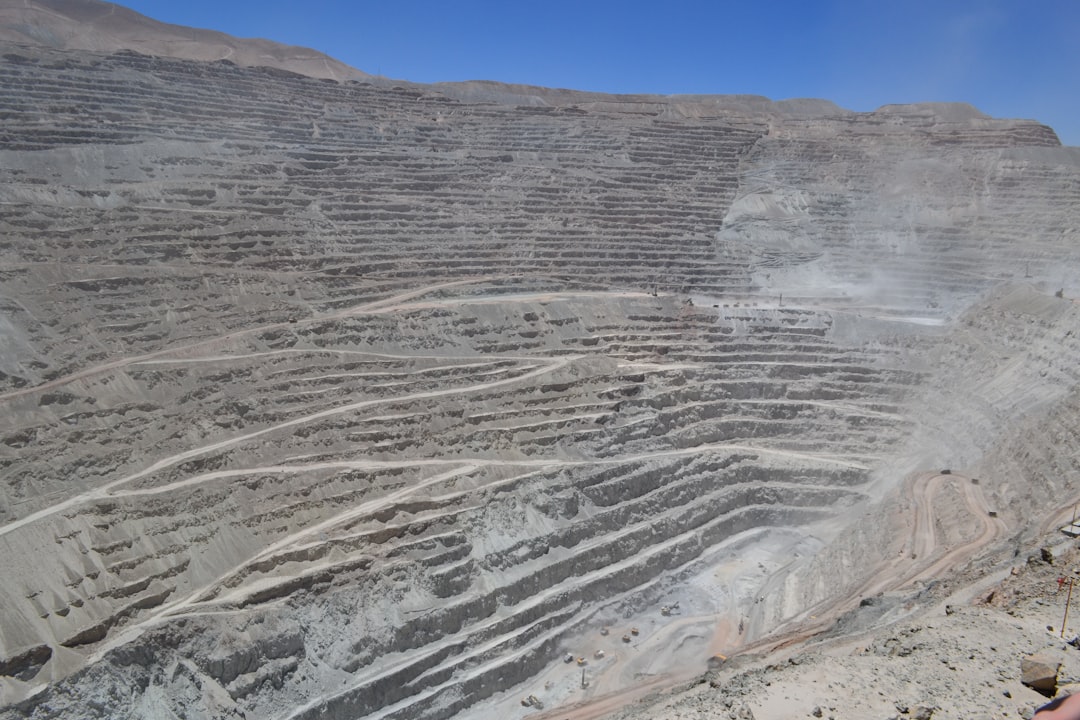
The increasing global demand for lithium, a critical component in batteries for electric vehicles and renewable energy storage, has brought its extraction into sharp focus. While the transition to cleaner energy solutions is a vital undertaking, the mining of this silvery-white metal is not without its environmental consequences. Among the most significant is the impact on local air quality, a matter that warrants careful examination. This article will delve into the multifaceted ways in which lithium mining can affect the air we breathe in the vicinity of extraction operations.
Lithium extraction, whether through conventional hard-rock mining or the more widespread brine evaporation method, involves a series of processes that can release various airborne contaminants. Understanding these sources is the first step in grasping the potential for air quality degradation.
Dust and Particulate Matter Generation
One of the most ubiquitous forms of air pollution associated with any large-scale mining operation, including lithium, is the generation of dust and particulate matter (PM). This can be broadly categorized into several subtypes, each with its own characteristics and origins.
Excavation and Blasting in Hard-Rock Mining
In hard-rock lithium mining, the initial stages of ore extraction involve significant earthmoving. Techniques like blasting, excavation, and crushing of rock liberate fine mineral particles into the atmosphere. These particles, often referred to as fugitive dust, can remain suspended in the air for extended periods, traveling considerable distances from the mine site. The composition of this dust will vary depending on the specific geological formations being mined, but can include silicates, metal oxides, and other minerals.
Transportation and Material Handling
The movement of extracted ore, waste rock, and processed materials is another major contributor to dust generation. Heavy-duty trucks, conveyor belts, and loading/unloading operations all create turbulence that lifts fine particles from exposed surfaces. Even the dry, dusty roads leading to and from mine sites act as significant sources of PM, especially during windy conditions. Imagine a perpetual dust storm, albeit on a smaller scale, that settles over surrounding communities.
Brine Pumping and Evaporation Ponds
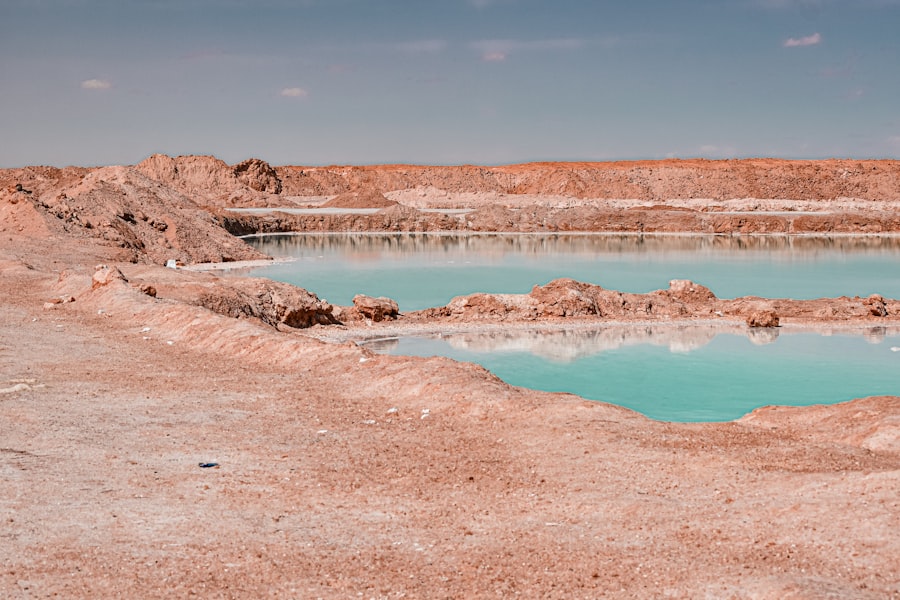
While brine evaporation methods for lithium extraction in arid regions might seem less disruptive than hard-rock mining, they still contribute to air pollution, primarily through dust. The vast salt flats and evaporation ponds, while designed to concentrate lithium salts, are subject to wind erosion. As wind sweeps across these dry, disturbed surfaces, it picks up fine salt particles and other mineral dust, carrying them into the atmosphere. The scale of these evaporation ponds can be immense, creating large areas prone to wind-blown dust.
Gaseous Emissions from Mining Operations
Beyond particulate matter, various processes within lithium mining can release gaseous pollutants into the air. These emissions, though often invisible, can have significant short-term and long-term health and environmental impacts.
Vehicle and Equipment Exhaust
The constant operation of heavy machinery, trucks, and other vehicles at mine sites relies on internal combustion engines. These engines, especially older models or those not equipped with advanced emission control systems, release a cocktail of pollutants, including nitrogen oxides (NOx), sulfur dioxide (SO2), carbon monoxide (CO), and volatile organic compounds (VOCs). These gases are known contributors to respiratory problems, acid rain, and the formation of ground-level ozone.
Processing Chemicals and Solvents
The extraction and refining of lithium often involve chemical processes that can release VOCs and other airborne compounds. For instance, the use of solvents in some extraction methods can lead to their evaporation into the atmosphere. While efforts are made to contain and recycle these chemicals, leaks, spills, or incomplete containment can result in their release. The specific chemicals used will vary depending on the chosen extraction technology and the mineralogy of the ore.
Potential for Other Specialized Emissions
Depending on the specific geological context and processing techniques employed, there is a potential for other specialized gaseous emissions. For example, if the ore contains naturally occurring radioactive materials (NORMs), mining activities could disturb these materials and potentially release radon gas, though this is a less common concern compared to particulate and exhaust emissions. Similarly, if sulfur-bearing minerals are present, activities like smelting (though less common for primary lithium extraction) could release sulfur dioxide.
The impact of lithium mining on local air quality has become a pressing concern as the demand for electric vehicles and renewable energy storage continues to rise. For a deeper understanding of this issue, you can explore a related article that discusses the environmental implications of lithium extraction and its effects on surrounding communities. This article provides valuable insights into how mining operations can contribute to air pollution and the measures being taken to mitigate these impacts. To read more, visit this link.
Health Impacts of Air Pollution from Lithium Mining
The air pollutants generated by lithium mining are not merely an aesthetic nuisance; they pose tangible risks to human health. The direct correlation between breathing contaminated air and adverse health outcomes is a well-established scientific fact.
Respiratory System Effects
Particulate matter, particularly fine dust (PM2.5 and PM10), is a primary concern for respiratory health. When inhaled, these particles can penetrate deep into the lungs, causing inflammation and exacerbating existing respiratory conditions.
Asthma and Bronchitis Exacerbation
Individuals suffering from asthma, chronic bronchitis, or emphysema are particularly vulnerable. The increased presence of airborne irritants can trigger acute episodes, leading to increased hospitalizations, medication use, and reduced quality of life. The microscopic invaders can act like sparks on an already smoldering fire in the airways.
Long-Term Lung Damage
Chronic exposure to particulate matter can lead to long-term lung damage. This includes a decline in lung function, an increased risk of developing chronic obstructive pulmonary disease (COPD), and potentially a higher risk of lung cancer for prolonged and significant exposures. The lungs, like a finely tuned engine, can be gradually caked with soot, hindering their efficiency.
Cardiovascular System Impacts
The impact of air pollution extends beyond the lungs, significantly affecting the cardiovascular system. Airborne particles can enter the bloodstream, leading to broader physiological responses.
Increased Risk of Heart Attacks and Strokes
Studies have shown a correlation between exposure to air pollution, including PM from mining, and an increased risk of heart attacks, strokes, and other cardiovascular events. The inflammation and oxidative stress induced by inhaled particles can contribute to the development and progression of atherosclerosis (hardening of the arteries).
Blood Pressure and Arrhythmia Issues
Air pollutants can also affect blood pressure and heart rhythm. Short-term exposure can lead to transient elevations in blood pressure, while chronic exposure may contribute to sustained hypertension. Irregular heartbeats can also be triggered or worsened by exposure to these airborne contaminants.
Other Potential Health Concerns
Beyond the direct impacts on the respiratory and cardiovascular systems, exposure to air pollutants from lithium mining can have other adverse health consequences.
Potential Neurological Effects
Emerging research suggests that fine particulate matter may be able to reach the brain, potentially contributing to neuroinflammation and cognitive decline over time. While this is an area of ongoing investigation, the implications for long-term neurological health are a growing concern.
Impacts on Vulnerable Populations
Certain populations are more susceptible to the harmful effects of air pollution. This includes children, whose developing lungs are more vulnerable; the elderly, who may have pre-existing health conditions; and individuals with specific genetic predispositions. These groups can experience more severe and immediate health consequences.
Environmental Repercussions Beyond Air Quality
While the focus of this article is on local air quality, it is important to acknowledge that the environmental impacts of lithium mining are interconnected. Degradation of air quality is often a symptom of broader environmental disturbances.
Water Contamination
The processes involved in lithium extraction, particularly brine evaporation, can lead to the contamination of local water sources. Spills, leaks, or improper disposal of process water can release saline solutions, heavy metals, and other chemicals into rivers, lakes, and groundwater. This can impact aquatic ecosystems and render water unfit for human consumption or agricultural use. The interconnectedness of air and water means that airborne dust settling on water bodies can also contribute to contamination.
Soil Degradation and Landscape Alteration
Large-scale mining operations, whether for hard rock or brines, inherently involve significant disturbance of the land. Soil erosion, habitat destruction, and the alteration of natural landscapes are common consequences. This can lead to a loss of biodiversity and a reduction in the land’s capacity to support ecosystems. The exposed earth, stripped of its vegetative cover, becomes a ready source for wind and water erosion, further perpetuating air and water pollution.
Greenhouse Gas Emissions from Lifecycle
While lithium is a key component in technologies that reduce greenhouse gas emissions (like electric vehicles), the lifecycle of lithium mining itself is not emissions-free. The significant energy required for extraction, processing, and transportation, often powered by fossil fuels, contributes to the overall carbon footprint of lithium-ion batteries. This is a complex interplay, where the solution to one problem (climate change) can, in its creation, contribute to another while also having localized environmental impacts.
Mitigation Strategies and Regulatory Frameworks
Addressing the air quality impacts of lithium mining requires a multi-pronged approach involving technological advancements, stringent regulations, and proactive community engagement.
Best Practices in Mining and Processing
The mining industry is constantly evolving, and incorporating best practices can significantly reduce emissions.
Dust Suppression Techniques
For particulate matter, effective dust suppression is paramount. This includes techniques such as watering haul roads and active mining areas, using chemical suppressants, covering conveyor belts, and implementing enclosed processing facilities. Imagine a constant, measured misting of water keeping the dust at bay, like a gentle rain on a summer’s day, but controlled.
Advanced Vehicle and Equipment Technology
Encouraging or mandating the use of vehicles and equipment with advanced emission control systems, such as diesel particulate filters and selective catalytic reduction (SCR) technology, can significantly reduce NOx, SO2, and PM emissions from combustion. The investment in cleaner engines is an investment in cleaner air.
Closed-Loop Processing Systems
Where feasible, the adoption of closed-loop systems for chemical processing can minimize the release of VOCs and other hazardous air pollutants. This involves capturing, recycling, and reusing processing chemicals rather than allowing them to become fugitive emissions.
The Role of Environmental Regulations
Government regulations play a crucial role in setting standards and ensuring compliance.
Air Quality Standards and Monitoring
Establishing and enforcing strict air quality standards for particulate matter and gaseous pollutants in and around mining sites is essential. Regular monitoring of air quality by independent bodies ensures that these standards are being met and provides data for assessing the effectiveness of mitigation measures. It’s like having a vigilant guardian overseeing the health of the local atmosphere.
Environmental Impact Assessments (EIAs)
Comprehensive EIAs should be conducted for all new lithium mining projects, identifying potential air quality impacts and outlining specific mitigation plans. These assessments should involve public consultation to ensure that local communities’ concerns are addressed. The EIA is the blueprint for responsible development, forecasting potential problems and prescribing solutions.
Permitting and Compliance Enforcement
Robust permitting processes that incorporate emission control requirements and regular, unannounced inspections are necessary to ensure that mining operations adhere to environmental regulations. Penalties for non-compliance should be sufficient to act as a deterrent.
Community Engagement and Public Health
The well-being of local communities should be a central consideration in all aspects of lithium mining.
Public Awareness and Education
Educating local residents about the potential health risks associated with air pollution from mining and the measures being taken to mitigate these risks is crucial for fostering trust and informed decision-making. Transparency is the bedrock of good community relations.
Health Surveillance Programs
Implementing health surveillance programs for communities living near mining operations can help monitor for potential health impacts and allow for early intervention. This proactive approach can identify trends and inform public health strategies.
Grievance Mechanisms and Compensation
Establishing clear and accessible grievance mechanisms for community members to report concerns and providing fair compensation for any proven damages caused by mining operations are important components of responsible resource development.
The growing demand for lithium, essential for electric vehicle batteries, has raised concerns about its mining practices and their environmental impact. A recent article highlights how lithium mining can significantly affect local air quality, leading to health issues for nearby communities. For more insights on this critical issue, you can read the full article here. Understanding these implications is vital as we transition to greener technologies while ensuring the well-being of affected populations.
The Global Context and the Path Forward
| Metric | Measurement | Impact Description | Source/Study |
|---|---|---|---|
| Particulate Matter (PM10) | 45 µg/m³ (average near mining site) | Elevated PM10 levels contribute to respiratory issues in local populations. | Environmental Monitoring Report, 2023 |
| Particulate Matter (PM2.5) | 30 µg/m³ (peak levels during mining operations) | Fine particles penetrate deep into lungs, increasing health risks. | Air Quality Study, University of Chile, 2022 |
| Volatile Organic Compounds (VOCs) | 0.15 ppm (near processing plants) | VOCs contribute to smog formation and respiratory irritation. | Local Environmental Agency, 2023 |
| Dust Deposition Rate | 120 mg/m²/day | High dust deposition affects soil and vegetation health. | Mining Impact Assessment, 2021 |
| Airborne Lithium Concentration | 0.05 µg/m³ | Trace lithium particles detected, potential long-term exposure concerns. | Environmental Health Journal, 2022 |
| Incidence of Respiratory Illness | 15% increase in local community | Correlated with increased dust and pollutant exposure from mining. | Public Health Report, 2023 |
The impact of lithium mining on local air quality is not an isolated issue; it is inextricably linked to the global transition to sustainable energy. The demand for lithium is a byproduct of our collective desire to decarbonize our economies and combat climate change.
Balancing Energy Transition with Local Environmental Concerns
The challenge lies in finding a sustainable balance between the urgent need for renewable energy technologies, which rely on materials like lithium, and the imperative to protect the environment and public health in the regions where these materials are extracted. This is akin to navigating a tightrope, where a misstep on either side can have dire consequences.
The Future of Lithium Extraction Technologies
Continuous research and development into less environmentally impactful lithium extraction technologies are vital. Innovations in direct lithium extraction (DLE) from brines, which aim to reduce water usage and minimize evaporation pond footprints, hold promise. Similarly, advancements in recycling lithium-ion batteries can reduce the reliance on primary extraction altogether, creating a more circular economy for this critical metal.
Conclusion: A Shared Responsibility
The impact of lithium mining on local air quality is a complex issue with significant implications for both human health and the environment. While lithium is essential for a cleaner future, its extraction must be approached with diligence, transparency, and a commitment to environmental stewardship. As consumers, policymakers, and industry stakeholders, we all share a responsibility to ensure that the pursuit of a sustainable planet does not come at the expense of the air that communities near mining operations breathe. The decisions made today will shape the legacy of our energy transition for generations to come.
FAQs
What is lithium mining?
Lithium mining is the process of extracting lithium, a key component used in batteries for electric vehicles and electronic devices, from mineral deposits or brine pools.
How does lithium mining affect local air quality?
Lithium mining can impact local air quality by releasing dust and particulate matter during excavation and processing, as well as emissions from machinery and transportation activities.
What pollutants are commonly associated with lithium mining?
Common pollutants include particulate matter (PM10 and PM2.5), silica dust, and sometimes chemical emissions from processing plants, which can contribute to respiratory issues in nearby communities.
Are there regulations to control air pollution from lithium mining?
Yes, many countries have environmental regulations and standards that require mining companies to implement dust control measures and monitor air quality to minimize pollution.
What measures can reduce the impact of lithium mining on air quality?
Measures include using water sprays to suppress dust, covering transport vehicles, implementing air filtration systems, and adopting cleaner technologies to reduce emissions from mining operations.