Lithium, often lauded as the “white gold” of the 21st century, fuels the modern energy revolution, powering electric vehicles and stabilizing renewable energy grids. However, the insatiable global demand for this critical element has cast a new light on its extraction. As the world digs deeper for lithium, a growing concern has emerged: the potential for mining operations to trigger or exacerbate seismic activity. This article delves into the complex relationship between lithium mining and seismicity, examining the geological mechanisms at play, the methods of assessment, and the mitigation strategies employed to navigate this inherent risk.
The Earth’s crust is not a monolithic block; it is a dynamic tapestry of interconnected tectonic plates constantly in motion. These plates interact through gradual movements or sudden slips, releasing stored energy in the form of earthquakes. Lithium extraction, particularly through methods involving the subsurface manipulation of rock and fluid, can introduce novel stresses into this delicate equilibrium. Understanding these stresses is the key to assessing potential seismic risks.
Brine Extraction: The Silent Giant’s Breath
A significant portion of the world’s lithium is extracted from underground brine deposits, commonly found in salt flats and arid regions like South America’s “Lithium Triangle.” This method involves pumping vast quantities of groundwater, rich in dissolved lithium salts, to the surface. The process, while seemingly benign, can have profound subsurface consequences.
The Pumping Effect: Creating Vacuums Below
The extraction of brine creates a substantial void within the aquifer. Imagine a sponge that has been squeezed dry; the empty spaces left behind are susceptible to collapse or shifting. This removal of fluid pressure can lead to a reduction in the pore pressure within the surrounding rock formations. Pore pressure is the pressure exerted by the fluid within the microscopic pores of the rock. It acts as a sort of internal support, holding the rock grains apart. When this pressure is reduced, the effective stress on the rock matrix increases, making it more prone to fracturing and movement.
Subsidence: The Earth’s Gentle Sink
A direct consequence of brine extraction is ground subsidence. As the subsurface fluid is removed, the overlying rock and soil can compact and settle. While often a gradual and observable phenomenon on the surface, this compaction signifies deformation occurring kilometers below. This deformation, especially if uneven, can transfer stress to adjacent geological structures.
Induced Stresses: The Subtle Shake
The reduction in pore pressure due to brine extraction is not the only way stresses are introduced. The injection of fluids during some processing stages, or even unintentional leaks, can also alter the pressure regime. Furthermore, the physical presence of infrastructure – wells, pipes, and pumping stations – can alter the local stress field. These induced stresses, though often subtle, can nudge pre-existing faults towards failure.
Hard-Rock Mining: The Hammer and the Tectonic Drum
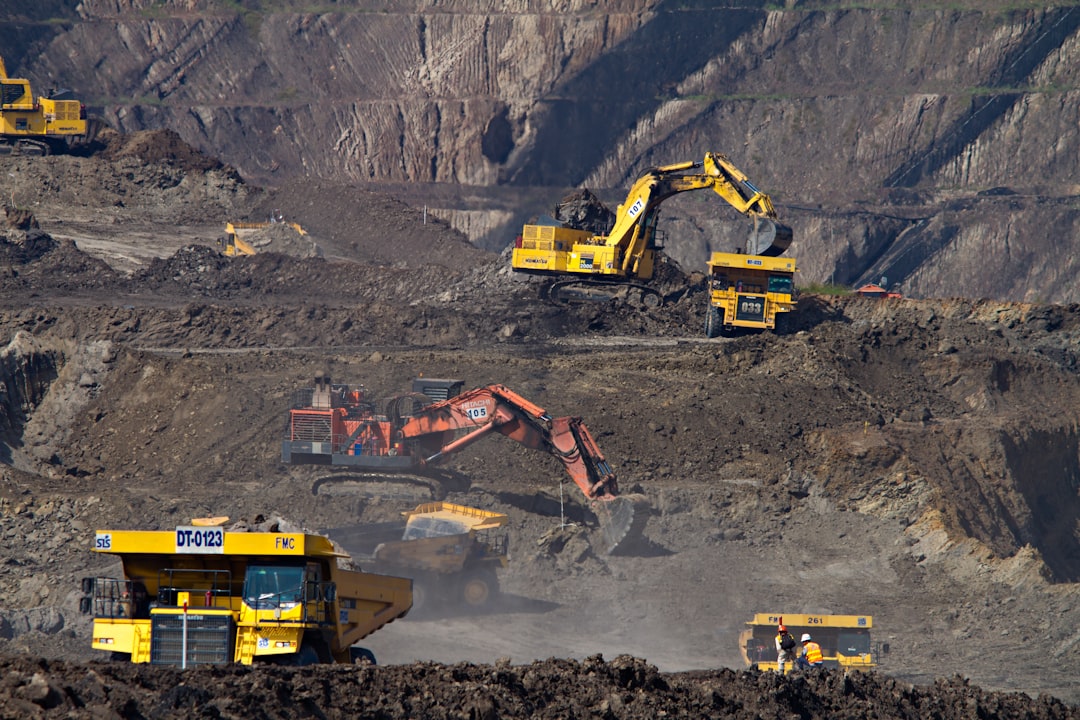
Lithium is also extracted from hard-rock deposits, such as spodumene, within traditional open-pit or underground mines. This method involves the physical excavation of rock, employing explosives and heavy machinery. While the mechanisms differ from brine extraction, the potential for seismic impact remains.
Blasting Operations: The Resonant Rumble
The use of explosives to break and remove rock is a fundamental aspect of hard-rock mining. While carefully controlled, these blasts generate significant acoustic and seismic waves. These waves propagate through the earth, interacting with existing geological structures. In areas with pre-existing faults, the energy from these blasts can act as a trigger, causing minor seismic events, often referred to as mining-induced seismicity or tremors.
Recent discussions around lithium mining have highlighted the potential risks associated with seismic activity in regions where these operations are conducted. A related article explores how the extraction processes can inadvertently trigger earthquakes, raising concerns among environmentalists and local communities. For more in-depth insights on this topic, you can read the full article on My Geo Quest, which delves into the intersection of resource extraction and geological stability.
Excavation and Load Redistribution: The Shifting Weight
The removal of massive quantities of rock fundamentally alters the stress distribution within the earth. Imagine a meticulously balanced stack of blocks; removing a few from the bottom can cause the entire structure to shift and potentially tumble. Open-pit mines create vast voids, leading to stress redistribution around the excavation. Underground mines, particularly those that involve extensive tunneling, similarly change the load-bearing capacity of the rock mass. This redistribution of stress can reactivate dormant faults or create new zones of weakness.
Fluid Injection and Dewatering: The Unseen Currents
Even in hard-rock mining, water management is crucial. Dewatering operations, where groundwater is pumped out of the mine, can alter pore pressures in a similar fashion to brine extraction, albeit typically on a more localized scale. Conversely, some processing techniques might involve the injection of fluids, which can also influence the stress regime.
Recent studies have highlighted the potential risks associated with lithium mining, particularly in relation to seismic activity. An informative article discussing these concerns can be found at My Geo Quest, where researchers examine how the extraction processes may influence geological stability and increase the likelihood of earthquakes in mining regions. This intersection of resource extraction and environmental safety is becoming increasingly critical as the demand for lithium continues to rise.
Assessing the Seismic Risk: Listening to the Earth’s Whispers
Understanding the potential for lithium mining to cause seismic activity requires continuous monitoring and sophisticated analysis. Scientists employ a battery
FAQs
What is lithium mining?
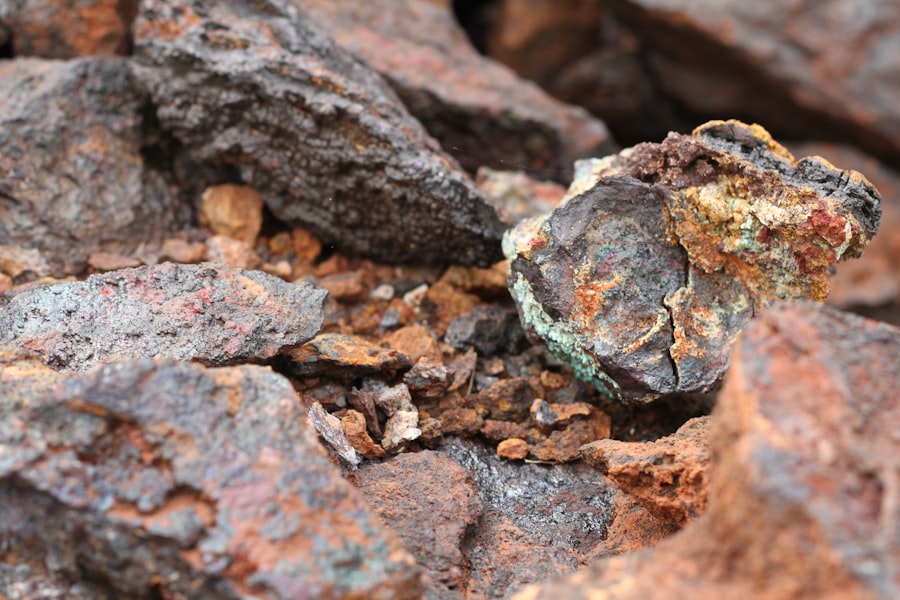
Lithium mining is the process of extracting lithium, a key element used in batteries and other technologies, from mineral deposits or brine pools. It involves various methods such as hard rock mining and evaporation from salt flats.
How can lithium mining affect seismic activity?
Lithium mining can potentially influence seismic activity through processes like fluid injection or extraction, which may alter underground pressure and stress. These changes can sometimes induce minor earthquakes or tremors in the surrounding area.
Are there documented cases of seismic events linked to lithium mining?
While large-scale seismic events directly caused by lithium mining are rare, some studies have reported small induced seismicity associated with mining operations, particularly where fluid extraction or injection is involved.
What measures are taken to mitigate seismic risks in lithium mining?
Mining companies often conduct geological assessments and monitor seismic activity to manage risks. Techniques include controlled extraction rates, pressure management, and continuous seismic monitoring to minimize the likelihood of induced earthquakes.
Is lithium mining considered safe in terms of seismic hazards?
When properly managed and regulated, lithium mining is generally considered safe with respect to seismic hazards. However, ongoing research and monitoring are essential to ensure that any potential risks are identified and mitigated promptly.