The Great Green Wall initiative, a colossal undertaking spanning the Sahel region of Africa, is increasingly being examined through the lens of its potential contributions to lithium extraction and, by extension, the global transition to renewable energy. While the primary objective of the Wall remains the restoration of degraded land and the combating of desertification, emerging discussions and nascent projects suggest a complex interplay between ecological restoration and the sourcing of critical minerals essential for green technologies. This article will explore the role the Great Green Wall could play in the responsible harvesting of lithium, acknowledging both the opportunities and the inherent challenges involved in integrating mineral extraction within a vast, multi-faceted environmental project.
The Great Green Wall (GGW) is an ambitious pan-African project conceived to combat desertification and land degradation across the Sahel, a vast semi-arid region south of the Sahara Desert. Launched in 2007, the initiative envisions a mosaic of land management practices, including reforestation, sustainable agriculture, and water conservation, stretching over 8,000 kilometers across the continent. Its overarching goal is to restore ecological balance, enhance food security, create economic opportunities, and build resilience against climate change for millions of people living in the region.
The Ecological Imperative of the Sahel
The Sahel has historically been a region of ecological fragility, characterized by low rainfall, high temperatures, and vulnerable soils. Centuries of intensive land use, coupled with the intensifying effects of climate change, have exacerbated desertification. This process, akin to a slow-moving glacier of sand and barren earth, erodes fertile topsoil, diminishes groundwater reserves, and leads to widespread land abandonment. The consequences are profound, impacting agricultural productivity, human health, and regional stability.
Pillars of the Great Green Wall Initiative
The GGW is not a monolithic wall of trees, but rather a collection of interconnected projects and strategies tailored to local contexts. Its core components include:
Reforestation and Afforestation Programs
These programs aim to re-establish tree cover in degraded areas, providing shade, improving soil fertility, and acting as windbreaks to prevent further erosion. Native species are prioritized to ensure ecological compatibility and long-term sustainability.
Sustainable Land and Water Management
This involves implementing techniques such as terracing, stone bunds, and water harvesting structures to capture precious rainfall, reduce runoff, and conserve soil moisture, creating microclimates conducive to plant growth.
Agricultural Intensification and Diversification
Promoting drought-resistant crops, agroforestry practices, and improved farming techniques helps to enhance yields and diversify livelihoods, reducing pressure on natural resources.
Community Engagement and Governance
Active participation of local communities is paramount. Empowering these communities with ownership and decision-making authority ensures that the projects are relevant to their needs and are managed effectively over the long term.
Economic Development and Livelihoods
Creating sustainable economic opportunities, such as ecotourism, non-timber forest products, and value-added processing of agricultural goods, is crucial for the success and longevity of the GGW.
The intersection of lithium mining and the Great Green Wall initiative highlights the complex relationship between renewable energy resources and environmental conservation efforts. As countries strive to transition to greener technologies, the demand for lithium, a key component in batteries for electric vehicles and renewable energy storage, has surged. This has raised concerns about the ecological impact of lithium mining, particularly in regions like Africa, where the Great Green Wall aims to combat desertification and promote sustainable land use. For more insights on this topic, you can read the related article at MyGeoQuest.
Lithium: The Spark for a Green Revolution and the Sahel’s Potential
Lithium, often referred to as “white gold,” is a foundational element for the modern green revolution. Its unique electrochemical properties make it indispensable for the production of rechargeable batteries, powering everything from electric vehicles (EVs) to portable electronic devices and grid-scale energy storage systems. As the world pivots away from fossil fuels, the demand for lithium is projected to skyrocket.
The Growing Demand for Lithium
The transition from internal combustion engines to electric vehicles is a primary driver of lithium demand. Governments worldwide are setting ambitious targets for EV adoption, necessitating a massive increase in battery production. Furthermore, the need to stabilize electricity grids with intermittent renewable energy sources like solar and wind power also relies heavily on large-scale battery storage solutions, further amplifying the demand for lithium.
Global Lithium Supply Chains: Challenges and Opportunities
Currently, the majority of global lithium production is concentrated in a few countries, creating potential supply chain vulnerabilities. Geopolitical factors, environmental concerns associated with extraction, and the social impact on local communities are all critical considerations in the current lithium landscape. This concentration of supply also presents an opportunity for regions with untapped lithium reserves to diversify global production and potentially secure more stable and ethically sourced supplies.
The Sahel’s Geological Promise
Emerging geological surveys and exploratory activities in parts of the Sahel region have indicated the presence of significant lithium deposits. While these deposits are largely unexploited, their potential extraction could offer substantial economic benefits to the countries involved. The crucial question then becomes: how can this potential be realized in a manner that aligns with, rather than undermines, the environmental and social objectives of the Great Green Wall?
Integrating Lithium Extraction with the Great Green Wall: A Complex Equation
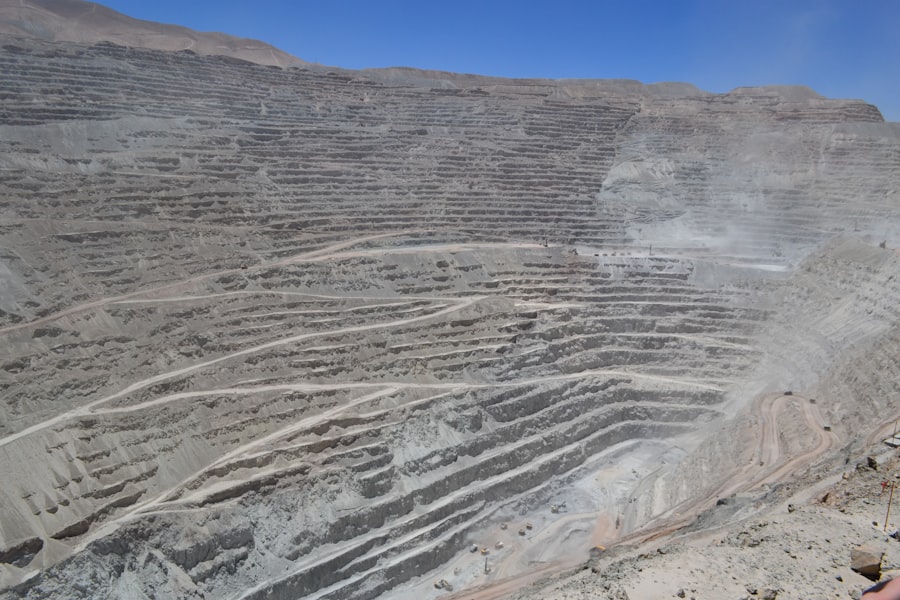
The prospect of lithium extraction within or adjacent to the Great Green Wall’s operational areas presents a nuanced challenge. The GGW is fundamentally about ecological restoration and sustainable development, while mining operations, by their nature, involve significant land disturbance and resource consumption. However, proponents argue that a carefully managed and integrated approach could offer a path towards achieving both environmental sustainability and economic prosperity.
Environmental Impact Assessments and Mitigation Strategies
Any lithium extraction project within the GGW’s sphere of influence would necessitate rigorous and independent environmental impact assessments (EIAs). These assessments would need to meticulously examine potential effects on water resources, soil integrity, biodiversity, and air quality. Crucially, comprehensive mitigation strategies, incorporating best available technologies and practices, would need to be developed and strictly enforced to minimize negative impacts.
Water Management and Conservation in Arid Environments
Lithium extraction, particularly through brine evaporation methods common in some arid regions, can be water-intensive. In the Sahel, where water scarcity is a defining characteristic, this poses a significant challenge. Integrated water management plans, focusing on water recycling, efficient extraction techniques, and careful site selection to avoid impacting critical groundwater sources, would be non-negotiable.
Land Rehabilitation and Biodiversity Protection
The footprint of mining operations, even with advanced techniques, can be substantial. Restoration plans that go beyond simply backfilling pits are essential. This would involve actively rehabilitating disturbed land, reintroducing native vegetation in consultation with GGW experts, and establishing biodiversity corridors to facilitate wildlife movement. The aim would be to ensure that the land, once mining is complete, can be integrated back into the broader ecological restoration efforts of the GGW.
Waste Management and Pollution Control
Mining generates waste rock and tailings, which can contain hazardous materials. Robust waste management protocols, including secure tailings storage and measures to prevent acid mine drainage, are critical to avoid long-term environmental contamination that could undo the gains of the GGW.
Social License to Operate and Community Benefit Sharing
The success of any GGW-related development, including potential lithium extraction, hinges on the genuine social license to operate. This means ensuring that local communities are not merely passive bystanders but active participants in the process.
Free, Prior, and Informed Consent (FPIC)
Before any exploration or extraction activities commence, the principles of Free, Prior, and Informed Consent must be upheld. Communities in areas identified for potential lithium deposits must be fully informed about the proposed activities, their potential impacts (both positive and negative), and have the right to grant or withhold their consent without coercion.
Equitable Benefit Sharing Mechanisms
For lithium extraction to be a true partner in the GGW’s vision, the economic benefits must be shared equitably with the local populations. This could involve direct financial contributions, investments in local infrastructure (education, healthcare, water access), skills development programs, and preferential employment opportunities for community members. The aim is to ensure that the extraction of a finite resource acts as a catalyst for the long-term, sustainable development of the region.
Capacity Building and Local Employment
Investing in training and education for local populations is vital. This ensures that communities can participate meaningfully in the mining sector, from skilled labor to management positions, thus fostering a more sustainable and less externally dependent economic model.
Governance Frameworks: Ensuring Accountability and Transparency
The integration of lithium extraction with a vast, multi-country initiative like the Great Green Wall demands robust governance frameworks that prioritize accountability, transparency, and adherence to international best practices. This is not a Wild West scenario where resources are plundered; rather, it requires a carefully constructed system of oversight.
Intergovernmental Cooperation and Harmonization of Policies
Given the transboundary nature of the Great Green Wall and the potential for lithium deposits to span multiple national jurisdictions, strong intergovernmental cooperation is essential. This includes harmonizing mining regulations, environmental standards, and benefit-sharing agreements across participating countries. A unified approach prevents a race to the bottom regarding environmental and social safeguards.
Establishing a Multi-Stakeholder Oversight Body
A dedicated oversight body, involving representatives from national governments, regional organizations, GGW implementing agencies, environmental experts, and civil society groups, could be established. This body would be responsible for monitoring mining activities, ensuring compliance with agreed-upon standards, and mediating any disputes.
Independent Monitoring and Auditing
Regular, independent monitoring and auditing of all mining operations are crucial. This would involve third-party verification of environmental performance, social impact mitigation, and financial transparency. The findings of these audits should be publicly accessible to foster accountability.
Ethical Sourcing Standards and Traceability
In the global marketplace, there is a growing demand for ethically sourced minerals. Applying rigorous ethical sourcing standards to any lithium extracted in the GGW context would not only enhance its marketability but also reinforce the project’s commitment to responsible resource development.
Adherence to International Standards
This includes aligning with initiatives like the Extractive Industries Transparency Initiative (EITI), which promotes transparency in revenue management, and adhering to UN Guiding Principles on Business and Human Rights.
Blockchain and Traceability Solutions
Exploring the use of blockchain technology and other traceability solutions could provide an auditable trail from mine to battery, assuring consumers and manufacturers of the origin and ethical production of the lithium. This is akin to a ‘chain of custody’ for an environmental promise.
Lithium mining has become increasingly important in the context of global efforts to combat climate change, particularly with initiatives like the Great Green Wall, which aims to restore 100 million hectares of land across Africa. As countries seek sustainable energy solutions, the demand for lithium for batteries in electric vehicles and renewable energy storage continues to rise. This intersection of environmental restoration and resource extraction raises important questions about sustainability and ecological balance. For a deeper understanding of these dynamics, you can read more in this insightful article on lithium mining and its implications for green initiatives here.
The Future Landscape: Synergy or Conflict?
| Metric | Lithium Mining | The Great Green Wall |
|---|---|---|
| Primary Purpose | Extraction of lithium for batteries and electronics | Combating desertification and restoring degraded lands |
| Geographical Focus | South America (Chile, Argentina, Bolivia), Australia, Africa | Sahel region across 11 African countries |
| Environmental Impact | Water depletion, habitat disruption, soil contamination | Improved soil quality, increased biodiversity, carbon sequestration |
| Area Covered | Varies by mine; typically several square kilometers per site | Approximately 8,000 km long and 15 km wide |
| Carbon Sequestration Potential | Indirect via lithium use in clean energy tech | Estimated 250 million tons of CO2 over 20 years |
| Water Usage | High; up to 500,000 liters per ton of lithium | Moderate; focused on sustainable water management |
| Economic Impact | Supports global battery and electric vehicle markets | Enhances local agriculture and livelihoods |
| Challenges | Environmental degradation, social conflicts, resource depletion | Funding, political instability, climate variability |
The potential synergy between lithium extraction and the Great Green Wall presents a tantalizing, albeit complex, vision for the future. The question is whether this integration can genuinely enhance the GGW’s mission or if it risks becoming a predatory force, draining resources and undermining ecological goals. The answer lies in intentional design and unwavering commitment to a set of principles.
The GGW as a Model for Sustainable Resource Management
If approached correctly, the Great Green Wall could serve as a groundbreaking model for how resource extraction, particularly of critical minerals for green technologies, can be integrated into broader ecological restoration and sustainable development frameworks. It would demonstrate that wealth creation and environmental stewardship are not mutually exclusive.
Moving Beyond Extraction to Value Addition
The vision should extend beyond simply extracting raw lithium. Investing in downstream processing and battery manufacturing within the Sahel itself would create more jobs, capture greater economic value, and reduce reliance on external supply chains. This would be a significant leap from the traditional model of exporting raw materials.
Replicating the Model in Other Regions
Success in the Sahel under such an integrated model could provide a blueprint for other resource-rich developing nations seeking to balance economic development with environmental protection. It could redefine how the world sources the materials it needs for a sustainable future.
Potential Pitfalls and the Need for Vigilance
The risks associated with integrating extractive industries into an environmental project of this scale are undeniable. Without stringent oversight, strong governance, and genuine community involvement, lithium extraction could indeed become a destructive force.
The ‘Resource Curse’ Dilemma
Africa has historically grappled with the ‘resource curse,’ where abundant natural wealth leads to corruption, conflict, and underdevelopment. Strict anti-corruption measures and robust governance frameworks are essential to prevent this from befalling the GGW and its potential lithium resources.
Maintaining Focus on Ecological Restoration
There is a perpetual risk that the allure of mineral wealth could overshadow the primary objectives of the Great Green Wall – combating desertification and restoring ecosystems. Continuous vigilance and a clear prioritization of ecological goals are paramount. The GGW should not become a shadow for the pursuit of mineral wealth; rather, the pursuit of mineral wealth should serve the GGW’s goals.
A Call to Action: Towards Responsible Pragmatism
The Great Green Wall is a testament to human ambition and a response to the urgent environmental challenges of our time. The potential for lithium extraction within its vicinity offers a complex proposition. It is not an inherent good or an inherent evil, but rather a tool whose impact will be determined by how it is wielded. A future where lithium harvesting and earth healing are intertwined requires a commitment to responsible pragmatism, a willingness to confront challenges head-on, and an unwavering focus on ensuring that progress in one area does not come at the devastating expense of another. The success of this ambitious integration will be a bellwether for the global pursuit of a truly sustainable future, one where both our planet and its people can thrive.
FAQs
What is lithium mining?
Lithium mining is the process of extracting lithium, a soft, silvery-white metal, from mineral deposits or brine pools. Lithium is a key component in rechargeable batteries used in electric vehicles, smartphones, and other electronic devices.
What is the Great Green Wall initiative?
The Great Green Wall is an African-led project aimed at combating desertification and land degradation by planting a mosaic of trees, vegetation, and sustainable land management practices across the Sahel region, stretching from Senegal to Djibouti.
How are lithium mining and the Great Green Wall connected?
Lithium mining activities in the Sahel region can impact the environment and local communities, potentially conflicting with the goals of the Great Green Wall. Sustainable mining practices are essential to ensure that lithium extraction does not undermine reforestation and land restoration efforts.
What environmental concerns are associated with lithium mining?
Lithium mining can lead to water depletion, soil degradation, and habitat disruption. In arid regions like the Sahel, excessive water use for lithium extraction may exacerbate desertification, posing challenges to initiatives like the Great Green Wall.
How can lithium mining be made more sustainable in the context of the Great Green Wall?
Sustainable lithium mining involves minimizing water use, reducing chemical pollution, rehabilitating mining sites, and engaging local communities. Integrating these practices helps balance the demand for lithium with the environmental restoration goals of the Great Green Wall.