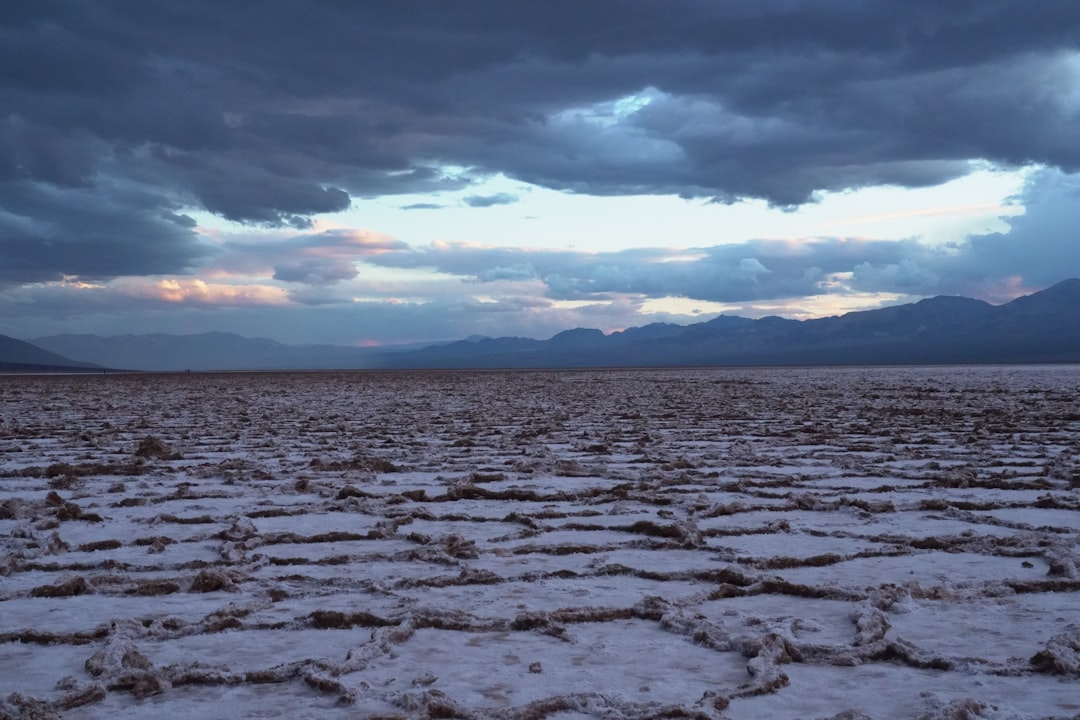
Droughts represent a significant and intensifying challenge for global lithium brine production, impacting an industry crucial to the energy transition. Lithium, often dubbed “white gold,” is a cornerstone of battery technology, powering everything from smartphones to electric vehicles. The extraction of lithium from brine, a process particularly prevalent in arid regions like the Atacama Desert in Chile, the Salar de Uyuni in Bolivia, and the Puna region of Argentina, relies on a delicate hydrological balance that is increasingly disrupted by prolonged periods of low rainfall. As water scarcity intensifies, the entire lifecycle of lithium brine extraction, from reservoir replenishment to operational efficiency, faces considerable strain.
Understanding the mechanisms of lithium brine extraction is essential to appreciating the impact of drought. These brines are highly concentrated aqueous solutions of lithium salts trapped in porous rock formations beneath the Earth’s surface. Extracting them typically involves pumping the brine to large evaporation ponds, where solar energy drives off water, concentrating the lithium chloride. This concentrated brine then undergoes further processing to isolate and purify the lithium. This method, while cost-effective in water-rich environments, is inherently water-intensive in its dependence on the naturally occurring brine and susceptible to external environmental factors.
The viability of lithium brine extraction is fundamentally tied to the availability of a substantial and renewable supply of brine. These underground reservoirs, often referred to as aquifers, accumulate over geological timescales, replenished by slow seepage of rainwater, snowmelt, and underground hydrological systems. The quality and quantity of the lithium stored within these brines are influenced by a complex interplay of geological factors, including the mineral composition of surrounding rocks and the degree of subsurface fracturing.
Aquifer Recharge Mechanisms
The primary mechanism for maintaining and replenishing lithium brine aquifers is the slow infiltration of surface water into the subsurface. In regions where lithium brines are found, such as the high-altitude salt flats of South America, this recharge often originates from infrequent but intense rainfall events, snowmelt from distant mountain ranges, or the gradual movement of groundwater from less saline sources. The rate of recharge is a critical factor; in arid and semi-arid environments, this process can be exceedingly slow, meaning that extraction rates can easily outpace natural replenishment. If the rate of extraction exceeds the rate of recharge, the brine levels within the aquifer will inevitably decline, much like draining a bathtub faster than the tap can fill it.
The impact of drought on lithium brine production has become an increasingly pressing issue as the demand for lithium continues to rise with the growth of electric vehicle markets. A related article discusses how prolonged dry conditions can significantly affect the evaporation rates in lithium extraction processes, ultimately leading to reduced yields and increased production costs. For more insights on this topic, you can read the full article here: Impact of Drought on Lithium Brine Production.
Brine Salinity and Concentration Dynamics
The concentration of lithium within the brine is a key economic driver for extraction. Higher concentrations translate to more efficient processing and lower per-unit production costs. This concentration is not static; it is influenced by the balance between water ingress (recharge) and water egress (evaporation and extraction). During wetter periods, the influx of fresh water can dilute the brine, temporarily lowering lithium concentrations. Conversely, during dry spells, evaporation concentrates the brine, a beneficial effect for extraction if not pushed to extremes. Drought conditions, however, disrupt this natural equilibrium significantly. Prolonged absence of recharge, coupled with ongoing evaporation, can lead to a scenario where the brine becomes so concentrated that it begins to precipitate other salts, such as halite (table salt), which can foul equipment and hinder the extraction process. Furthermore, extreme concentration
FAQs
What is lithium brine production?
Lithium brine production involves extracting lithium from underground saltwater reservoirs, known as brine, typically found in arid regions. The brine is pumped to the surface and evaporated in large ponds to concentrate the lithium before further processing.
How does drought affect lithium brine production?
Drought reduces the availability of water needed to pump and evaporate lithium-rich brine. Lower water levels in salt flats and aquifers can decrease brine concentration and volume, leading to reduced lithium extraction efficiency and output.
Why is water important in the lithium brine extraction process?
Water is essential for pumping brine to the surface and for the evaporation process that concentrates lithium. Adequate water supply ensures consistent brine flow and effective evaporation, which are critical for maintaining production levels.
What regions are most impacted by drought in lithium brine production?
Regions such as the Lithium Triangle in South America—comprising parts of Chile, Argentina, and Bolivia—are most affected. These areas rely heavily on natural water sources that are vulnerable to drought, impacting lithium brine extraction.
What measures can be taken to mitigate drought impacts on lithium brine production?
Mitigation strategies include improving water management practices, investing in water recycling technologies, exploring alternative lithium extraction methods that use less water, and monitoring environmental conditions to adapt operations accordingly.