
The delicate balance between resource extraction and environmental stewardship is a tightrope walk, and in the arid heart of the Atacama and Andes, this walk is currently centered on lithium. Chile and Argentina, nestled side-by-side along the backbone of South America, hold the keys to some of the world’s largest lithium reserves, primarily found in vast salt flats known as salares. As the global demand for lithium, the indispensable ingredient in rechargeable batteries powering everything from smartphones to electric vehicles, continues its stratospheric ascent, the regulatory frameworks governing its extraction in these two nations have become a focal point of intense scrutiny. This article delves into the complex landscapes of lithium mining regulation in Chile and Argentina, examining the challenges, successes, and the ongoing evolution of policies designed to harness this vital resource responsibly.
Spanning significant portions of northern Chile and northwestern Argentina, the Lithium Triangle is a geological marvel. These high-altitude desert regions are characterized by vast, arid basins filled with hypersaline brines, a potent cocktail of dissolved minerals. Beneath the cracked, crystalline surfaces of salares like the Salar de Atacama in Chile and the Salar de Arizaro and Hombre Muerto in Argentina, lies the liquid gold – lithium.
Formation and Concentration
The Salar Ecosystem: A Delicate Balance
Global Demand: The Battery Revolution
The meteoric rise of electric vehicles (EVs) and the increasing ubiquity of portable electronics have transformed lithium from a niche industrial chemical into a cornerstone of the modern technological economy. Analysts project a consistent, sharp upward trend in lithium demand for the foreseeable future, driven by global decarbonization efforts and the pursuit of sustainable energy solutions. These projections cast a long shadow, prompting governments and industry players to grapple with how best to meet this demand while mitigating potential negative impacts.
As the demand for lithium continues to surge due to its critical role in battery production, both Chile and Argentina are reassessing their mining regulations to ensure sustainable practices. A related article discusses the evolving landscape of lithium mining regulations in these countries, highlighting the balance between economic growth and environmental protection. For more insights, you can read the article here: Lithium Mining Regulations in Chile and Argentina.
Chile: Navigating the Salar’s Complexities
Chile has historically been a major player in the global lithium market, particularly from its Salar de Atacama. The country’s regulatory approach has undergone significant shifts, reflecting a growing awareness of the environmental and social implications of this resource-intensive industry.
The Historical Context of Lithium Extraction
For decades, lithium extraction in Chile, primarily through solar evaporation ponds, operated under a legal framework that some critics argue was too permissive, allowing for extensive water use and potential environmental degradation. The economic benefits were undeniable, but the long-term sustainability of this model began to be questioned with the intensifying global focus on climate change and water scarcity.
The 2018 National Lithium Policy and its Evolution
In 2018, the Chilean government introduced a National Lithium Policy intended to assert greater state control and promote more sustainable extraction practices. This policy aimed to foster collaboration between the state and private companies, with the state retaining a majority stake in new lithium projects in partnership with private entities. The policy also emphasized the importance of value-added processing and the development of lithium-related industries within Chile, moving beyond mere raw material extraction.
State-Owned Enterprises and Joint Ventures
A key tenet of the 2018 policy was the potential for increased state participation through entities like CORFO (Corporación de Fomento de la Producción) and the nascent idea of a state-owned lithium company. This approach sought to ensure that a larger share of the economic benefits from lithium remained within Chile and to exert more direct influence over operational practices. However, the path towards implementing these aspirations has been a winding one, marked by political transitions and evolving economic realities.
Environmental Regulations and Water Management
Water usage is a particularly sensitive issue in the arid Atacama region. Lithium extraction via brine evaporation relies heavily on the evaporation of water from the salares and associated groundwater. Critics have raised concerns about the potential impact of this water consumption on local ecosystems and the freshwater resources available to indigenous communities. Consequently, environmental regulations surrounding water rights, monitoring, and impact assessments have become increasingly stringent, although their enforcement and effectiveness remain subjects of ongoing debate.
Challenges and Criticisms in Chile
Despite policy ambitions, challenges persist. The perceived slowness in implementing fully state-controlled or collaborative ventures, coupled with the continuous high demand, has led to ongoing debates about the optimal path forward. Critics argue that environmental safeguards, while present on paper, need more robust enforcement and independent oversight. Furthermore, ensuring that the benefits of lithium extraction truly trickle down to local communities, particularly indigenous populations whose ancestral lands often encompass salares, requires consistent and meaningful engagement.
The regulatory framework in Chile can be likened to a garden that is being meticulously tended. For a long time, it was allowed to grow somewhat wild, reaping abundant harvests. Now, the gardeners are actively pruning, weeding, and carefully planning where new beds will be laid, hoping for a more sustainable and bountiful yield, but the unpredictable weather of global markets and the fragility of the soil (the ecosystem) demand constant vigilance.
Argentina: A Mosaic of Provincial and National Interests
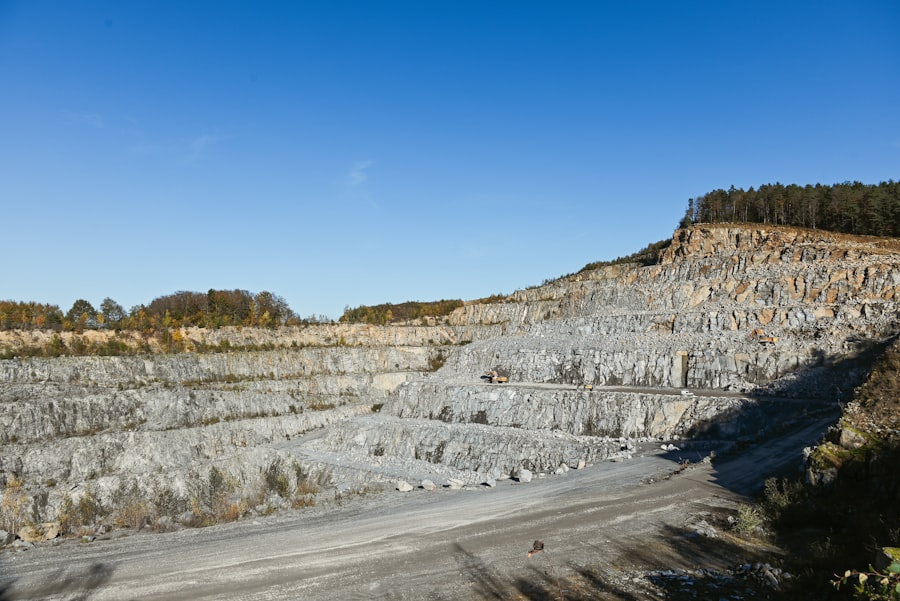
Argentina’s lithium landscape is characterized by a complex interplay of national policies and strong provincial autonomy. The country’s vast lithium potential, particularly in the provinces of Jujuy, Salta, and Catamarca, is being gradually unlocked, but its regulatory framework reflects a different historical trajectory and political structure compared to Chile.
The Provincial Dominance in Resource Governance
In Argentina, provinces hold significant power over the exploitation of natural resources within their territories, including lithium. This means that while national laws provide an overarching framework, provincial governments have considerable leeway in setting royalties, environmental standards, and licensing terms. This leads to a mosaic of regulations across different lithium-rich regions.
Royalties and Fiscal Contributions
Provinces have leveraged their autonomy to secure substantial royalties from lithium mining operations. These revenues are crucial for provincial development and are often a key bargaining chip in negotiations with mining companies. The specifics of royalty rates, tax breaks, and other fiscal incentives can vary significantly from one province to another, creating a somewhat fragmented investment landscape.
Environmental Impact Assessments and Permitting
Similar to Chile, environmental impact assessments (EIAs) are a mandatory component of the permitting process. However, the rigor and enforcement of these assessments can differ based on provincial capacity and political priorities. Concerns have been raised about the potential for inadequate oversight in some cases, particularly in newly developing mining areas.
National Frameworks and Recent Developments
While provinces hold sway, the national government plays a role in setting broader policy directions, attracting investment, and negotiating international agreements. Argentina’s approach has generally been more market-oriented than Chile’s, with a focus on creating an attractive investment climate for private companies.
The National Mining Secretariat and its Role
The National Mining Secretariat acts as a central point for mining policy administration and oversight. It facilitates dialogue between provinces, companies, and other stakeholders, and plays a role in developing national mining strategies. Its influence, however, is often mediated by provincial interests.
Incentives for Value Addition and Local Content
In recent years, there has been a growing emphasis at both national and provincial levels to incentivize lithium processing beyond the extraction of raw brine. This includes encouraging the local production of lithium carbonate, lithium hydroxide, and potentially even battery components. Initiatives aimed at promoting local content in the supply chain and fostering technological development are increasingly part of the policy discourse.
Challenges and Criticisms in Argentina
The decentralized nature of Argentina’s regulatory system can lead to inconsistencies and potential regulatory arbitrage. Companies may find it easier to navigate through provinces with more lenient regulations. Furthermore, ensuring transparent and equitable distribution of the economic benefits from lithium mining, particularly to local and indigenous communities, remains a persistent challenge. The rapid pace of development in some areas has also fueled concerns about the adequacy of environmental monitoring and the long-term sustainability of water usage.
The regulatory environment in Argentina is akin to a vast, fertile plain dotted with numerous independent ranches. Each ranch owner (province) has autonomy over their land, setting their own rules for livestock management (mining). While national directives provide general guidelines about herd health (environmental standards), the specific fences and watering schedules (royalties and permits) can vary significantly from one ranch to another, creating a complex web of agreements for anyone looking to herd their cattle across the entire plain.
Indigenous Rights and Community Engagement: A Crucial Frontier
Across both Chile and Argentina, the salares and their surrounding territories are often ancestral lands for indigenous communities, most notably the Atacameño people. Recognizing and respecting their rights, ensuring meaningful consultation, and enabling their participation in the benefits derived from lithium extraction are paramount to achieving truly sustainable and equitable resource development.
Free, Prior, and Informed Consent (FPIC)
The principle of Free, Prior, and Informed Consent (FPIC) is central to international human rights law concerning indigenous peoples and their lands. In the context of lithium mining, FPIC signifies that indigenous communities have the right to give or withhold their consent to projects affecting their territories, based on full and transparent information provided in advance.
Application and Challenges in Practice
While FPIC is recognized in principle, its practical implementation in the context of large-scale mining projects in the Lithium Triangle presents significant challenges. These include ensuring that information is genuinely accessible and understandable to all community members, that consultation processes are genuinely participatory and not merely a formality, and that communities have the power to influence project decisions, not just be informed about them.
Benefit Sharing and Economic Empowerment
Beyond consent, ensuring that indigenous communities genuinely benefit from lithium extraction is a critical aspect of responsible development. This can take various forms, including direct revenue sharing agreements, employment opportunities, infrastructure development, and investment in community-led sustainable development initiatives.
Pathways to Sustainable Livelihoods
For many indigenous communities, traditional livelihoods are intrinsically linked to the salar ecosystems. Regulatory frameworks that actively seek to integrate traditional knowledge, protect water resources vital for agriculture and cultural practices, and support the development of alternative, sustainable economic activities alongside mining are crucial for long-term well-being.
As the demand for lithium continues to surge, both Chile and Argentina are reevaluating their mining regulations to ensure sustainable practices and environmental protection. A recent article discusses how these countries are balancing economic growth with ecological concerns, highlighting the complexities involved in lithium extraction. For more insights on this topic, you can read the full article here.
Environmental Concerns: Water, Biodiversity, and Waste
| Aspect | Chile | Argentina |
|---|---|---|
| Regulatory Authority | National Mining Service (SERNAGEOMIN), Ministry of Mining | Secretariat of Mining, Ministry of Economy |
| Ownership of Lithium Resources | State-owned; lithium is considered a strategic resource | Private and state-owned; lithium is considered a strategic mineral |
| Mining Concessions | Granted by the government with strict environmental and social impact assessments | Granted by provincial governments with environmental regulations |
| Environmental Regulations | Strict environmental impact assessments required; water use is heavily regulated | Environmental impact assessments required; water use regulated but less stringent than Chile |
| Royalty Rates | Proposed lithium royalty of 3% on sales (subject to legislative approval) | Provincial royalties vary, generally between 3% to 5% on production value |
| Local Community Engagement | Mandatory consultation with indigenous and local communities | Consultation encouraged but less formalized than Chile |
| Export Restrictions | Exports allowed but government promotes domestic lithium processing | Exports allowed; government encourages value-added processing |
| Recent Regulatory Changes | 2023 draft bill to increase state control and royalties on lithium mining | Ongoing reforms to increase transparency and environmental standards |
The extraction of lithium, particularly through brine evaporation, is inherently resource-intensive, raising significant environmental concerns that regulatory frameworks must address.
Water Consumption and Scarcity
The arid environments of the Lithium Triangle mean that water is a precious and finite resource. Lithium extraction by evaporation can consume substantial quantities of water, raising questions about its impact on local hydrology, freshwater availability for human consumption and agriculture, and the delicate ecosystems that depend on these water sources.
Monitoring and Sustainable Use
Effective regulation requires robust monitoring of water usage by mining companies, transparent reporting of consumption rates, and the implementation of strategies to minimize water footprint. This includes exploring and incentivizing alternative extraction technologies that are less water-intensive.
Impact on Biodiversity and Ecosystems
The salares are not barren expanses; they are unique and fragile ecosystems supporting a variety of specialized flora and fauna, including flamingos, brine shrimp, and unique microbial communities. Mining activities, including the construction of evaporation ponds, the use of heavy machinery, and potential chemical runoff, can disrupt these sensitive habitats and negatively impact biodiversity.
Habitat Protection and Restoration
Regulatory frameworks must include measures to protect critical habitats, minimize the physical footprint of mining operations, and, where feasible, implement restoration plans for disturbed areas.
Waste Management and Chemical Use
The extraction process also generates waste, including residual brines and potentially hazardous chemicals used in processing. Safe and responsible management of these waste streams is essential to prevent soil and water contamination.
Lifecycle Assessment and Circular Economy Principles
A forward-thinking regulatory approach would encourage mining companies to adopt lifecycle assessment principles, considering the environmental impact of their operations from extraction to disposal. Furthermore, exploring opportunities for recycling and reusing materials within a circular economy framework could further mitigate environmental burdens.
The Future of Lithium Regulation: Innovation and Adaptation
The dynamic nature of the lithium market and the evolving understanding of environmental and social impacts necessitate continuous adaptation of regulatory frameworks.
Technological Innovations and Alternative Extraction Methods
Ongoing research and development are yielding new technologies for lithium extraction, such as Direct Lithium Extraction (DLE). These methods hold the promise of significantly reducing water consumption and environmental footprint compared to traditional evaporation ponds. Regulatory frameworks need to be flexible enough to incorporate and incentivize the adoption of these cleaner technologies.
International Cooperation and Best Practices
As lithium becomes a globally strategic resource, international cooperation and the sharing of best practices in regulation can be invaluable. Collaborating on standards for environmental protection, social responsibility, and transparent governance can help elevate the quality of regulation across producing nations.
The Role of Transparency and Accountability
Ultimately, effective regulation hinges on transparency and accountability. Open access to data on water usage, environmental impacts, and revenue streams, coupled with robust enforcement mechanisms and independent oversight, are crucial for building trust and ensuring that lithium extraction benefits all stakeholders, not just the mining companies. The journey of regulating lithium in Chile and Argentina is a continuous narrative, one that requires a steady hand on the tiller, navigating changing currents of technology, economics, and environmental imperatives. The goal is not simply to extract a precious metal, but to do so in a way that honors the land, respects its people, and fuels a more sustainable future for all.
FAQs
What are the main regulations governing lithium mining in Chile?
Chile regulates lithium mining primarily through the Chilean Mining Code and specific environmental laws. The government controls lithium extraction via state-owned company SQM and enforces strict environmental standards to protect water resources and indigenous lands.
How does Argentina regulate lithium mining activities?
Argentina’s lithium mining is regulated by provincial laws, as mining is a provincial jurisdiction. Key provinces like Jujuy, Salta, and Catamarca have their own regulations focusing on environmental protection, community consultation, and sustainable resource management.
Are there environmental restrictions for lithium mining in both countries?
Yes, both Chile and Argentina impose environmental restrictions on lithium mining. These include requirements for environmental impact assessments, water usage limits, waste management protocols, and measures to minimize ecological disruption.
Do indigenous communities have a role in lithium mining regulations in Chile and Argentina?
Indigenous communities in both countries have legal rights that require mining companies to consult and obtain consent before starting projects on their lands. This is part of broader efforts to respect indigenous rights and ensure social license for mining operations.
How do Chile and Argentina’s lithium mining regulations impact foreign investment?
Both countries encourage foreign investment but maintain regulatory frameworks to ensure responsible mining. Investors must comply with local laws, environmental standards, and community engagement requirements, which can affect project timelines and costs.