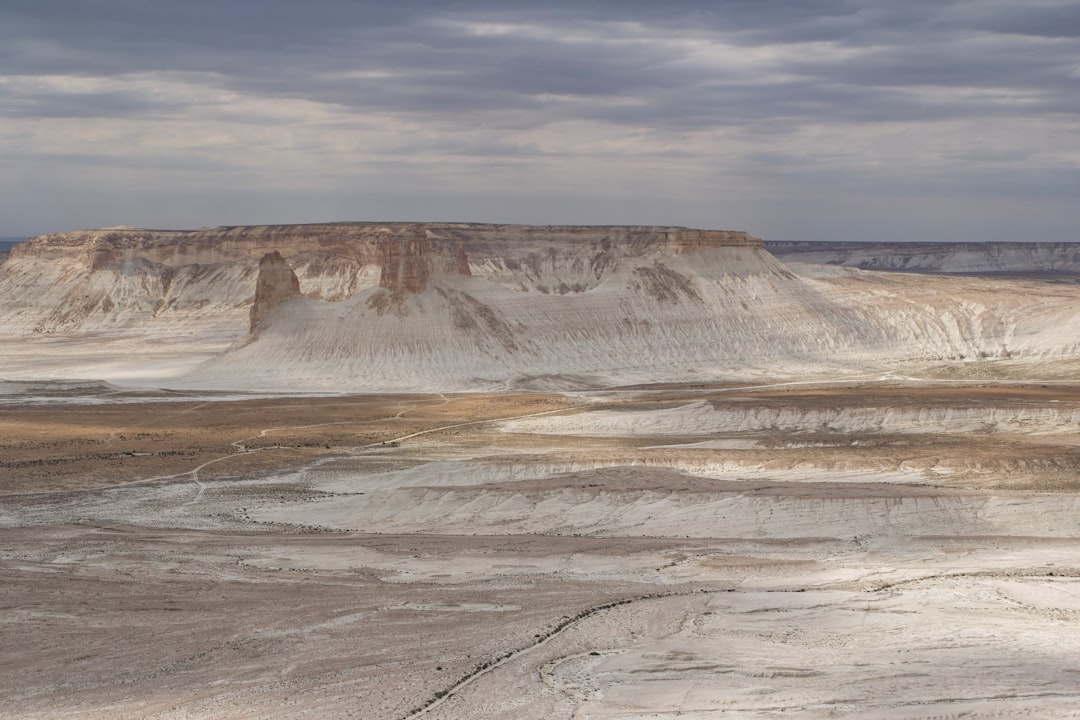
The vast, stark beauty of the Andean highlands, a realm of wind-scoured peaks and ancient traditions, is currently facing a profound environmental challenge. As the global demand for lithium, the “white gold” powering our portable electronics and electric vehicles, surges, its extraction in the high-altitude deserts of the Andes is casting a long shadow over this fragile ecosystem. This article delves into the complex relationship between lithium mining and the intensifying desertification in this region, exploring the multifaceted impacts and the precarious future that lies ahead.
The ubiquitous nature of modern technology has placed unprecedented strain on the Earth’s resources. Lithium, a key component in rechargeable batteries, has emerged as a critical element in the transition towards a greener energy future. Its lightweight property and high energy density make it indispensable for everything from smartphones to electric cars, leading to an exponential increase in its global demand. This demand has, in turn, spurred a significant expansion of lithium extraction operations, particularly in regions rich in this vital mineral. The Andes, with its vast salt flats, known as salares, holding some of the world’s largest lithium reserves, has become a focal point of this global rush. Countries like Chile, Argentina, and Bolivia, forming the “Lithium Triangle,” are now at the forefront of lithium production, attracting substantial foreign investment and promising economic development.
The Economic Allure of Lithium
For many Andean nations, the prospect of lithium wealth represents a significant economic opportunity. The potential for job creation, increased export revenues, and improved infrastructure development holds considerable appeal. This economic imperative often drives governmental policies that prioritize extraction, sometimes at the expense of thorough environmental impact assessments or community consultation. The promise of a brighter economic future, powered by lithium earnings, can be a potent siren song, drawing nations towards a path of rapid resource exploitation.
Global Demand as a Driving Force
The insatiable appetite of the global market for lithium-ion batteries is the primary engine behind this mining boom. Developed nations, seeking to reduce their carbon footprint through electrification, are the primary consumers of this resource. This consumer demand, often disconnected from the realities of extraction, creates a perpetual cycle of need, pushing producers to extract more, faster. The intricate web of global supply chains means that the convenience of a smartphone or the perceived environmental benefit of an electric car in one part of the world can have profound and often detrimental consequences thousands of miles away.
Lithium mining in the Andes has raised significant concerns regarding its impact on desertification in the region. As demand for lithium increases due to its critical role in battery production, the extraction processes can lead to the depletion of vital water resources, exacerbating the already fragile ecosystems of the Andes. For a deeper understanding of the environmental implications of lithium mining and its connection to desertification, you can read a related article at this link.
The Andean Salar: A Delicate Water Balance
The salares of the Atacama Desert and other Andean regions are not merely barren wastelands; they are complex hydrological systems where water plays a crucial, albeit often unseen, role. These vast salt flats are essentially underground reservoirs, holding brines rich in dissolved minerals, including lithium. The extraction process typically involves pumping these brines to the surface, where they are then channeled into a series of shallow evaporation ponds. Over months, or even years, the sun and wind work their magic, evaporating the water and concentrating the lithium salts. This method, while seemingly passive, has a significant thirst, placing immense pressure on the already scarce water resources of these arid environments.
Pumping the Lifeblood: Brine Extraction
The core of the lithium extraction process in the Andes relies on pumping vast quantities of brine from beneath the salt flats. These brines are brought to the surface and then spread across extensive networks of artificial ponds. The sheer volume of water being extracted for this process is a primary concern. In regions where rainfall is minimal and water sources are already overstretched, this large-scale diversion can have a cascading effect on the local hydrology. Imagine a meticulously crafted water clock, its delicate mechanisms disrupted by the removal of essential fluid; the salar’s equilibrium is similarly disturbed.
Evaporation Ponds: Acres of Thirst
The evaporation ponds are the visual manifestation of the mining operation’s water consumption. These expansive, shallow pools, often stretching for thousands of acres, are where the magic of concentration occurs. While essential for the industrial process, these ponds represent a massive surface area exposed to the elements, facilitating water loss. The scale of these operations means that significant amounts of water are converted into vapor, contributing to the overall water deficit in the region.
Desertification: The Creeping Scourge
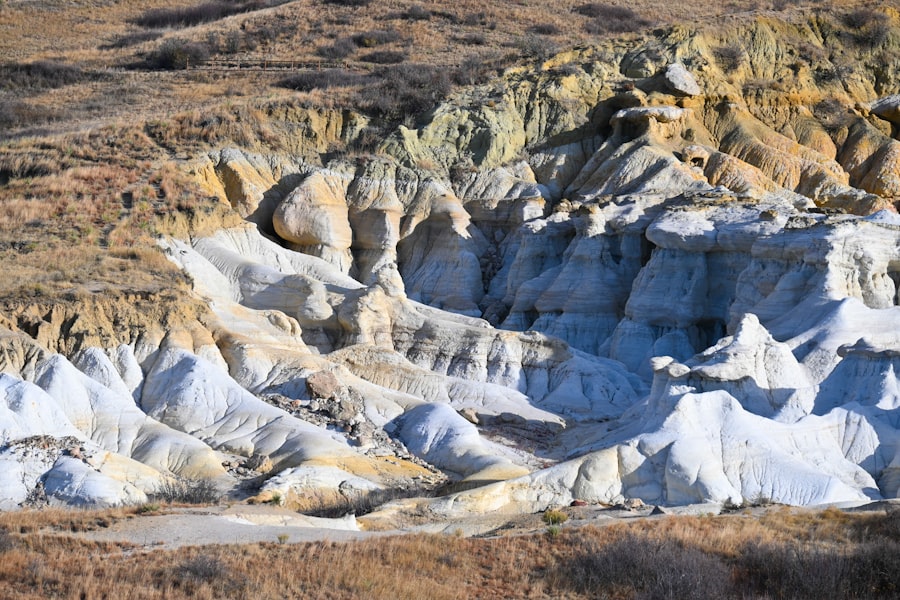
Desertification is the process by which fertile land becomes desert, typically as a result of drought, deforestation, or inappropriate agriculture. In the context of lithium mining in the Andes, it is a complex phenomenon driven by both the direct impacts of extraction and the wider environmental pressures it exacerbates. The delicate balance of these high-altitude arid and semi-arid ecosystems makes them particularly vulnerable to disturbance.
Water Scarcity: A Thirsty Ecosystem
The Andes, even without the added strain of mining, are characterized by extreme aridity. The water tables that sustain the sparse vegetation and the unique flora and fauna of these regions are already under pressure. The massive water requirements of lithium extraction, as described above, directly compete with these existing needs. This intensified water scarcity acts as a potent catalyst for desertification, pushing the land closer to irreversible degradation. When the lifeblood of an ecosystem is drained faster than it can be replenished, the land begins to wither.
Impact on Local Flora and Fauna
The reduction in available freshwater directly impacts the plant life and animal species that call the Andean highlands home. Many of these species are highly adapted to specific microclimates and water availability. As water sources diminish, vegetation dries out, leading to habitat loss and reduced food sources for wildlife. This can disrupt the intricate food webs and biodiversity that characterize these unique environments, pushing endemic species towards the brink of extinction.
Soil Degradation and Salinization
The process of brine extraction and evaporation can also contribute to soil degradation. Alterations in soil moisture, increased salinity from leaked brines, and the physical disturbance of land for pond construction can all degrade soil quality. As soils become more saline and less fertile, they are less able to support plant life, further accelerating the process of desertification. This is akin to a gardener whose soil is slowly being poisoned, rendering it incapable of sustaining growth.
Social and Cultural Repercussions
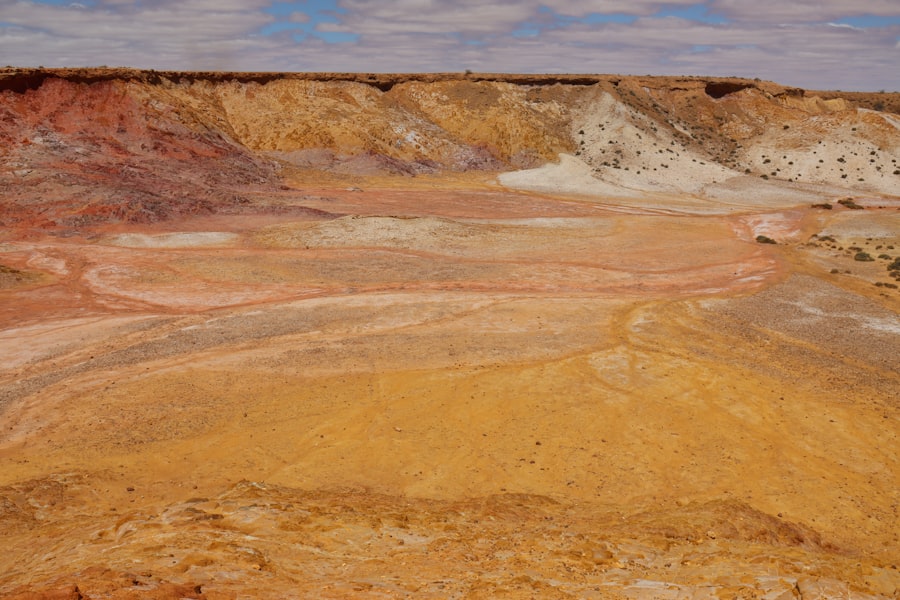
The environmental impacts of lithium mining are intrinsically linked to the social and cultural fabric of the Andean communities. Indigenous populations, who have inhabited these lands for millennia, often bear the brunt of these changes. Their traditional livelihoods, deeply connected to the land and its resources, are directly threatened by resource extraction and environmental degradation.
Indigenous Rights and Land Use Conflicts
Many of the areas designated for lithium extraction are ancestral lands of indigenous communities. These communities often have a different understanding of land stewardship, emphasizing sustainability and respect for natural resources. The imposition of large-scale mining operations, without adequate consultation or consent, can lead to significant land use conflicts and a disregard for indigenous rights. The clash between industrial development and traditional custodianship is a recurring theme in this unfolding drama.
Displacement and Livelihood Disruption
As mining operations expand and environmental conditions deteriorate, some communities may face displacement. Furthermore, the depletion of water resources and the degradation of the land can undermine traditional livelihoods such as subsistence farming, herding, and resource gathering. This can force individuals to migrate to urban centers in search of work, leading to cultural disruption and the loss of ancestral knowledge and traditions.
Health Implications
The environmental changes brought about by mining can also have direct health implications for local populations. Contamination of water sources with heavy metals or other chemicals associated with mining activities can pose risks to human health. Changes in diet due to the loss of traditional food sources and increased stress from environmental and social disruption can also impact well-being.
Lithium mining in the Andes has raised significant concerns regarding its impact on desertification in the region. As demand for lithium continues to surge, particularly for electric vehicle batteries, the extraction processes can lead to the depletion of vital water resources, exacerbating the already fragile ecosystems. A related article discusses these environmental challenges and the delicate balance between resource extraction and sustainability. For more insights on this pressing issue, you can read the article here.
Towards a Sustainable Future: Challenges and Solutions
| Metric | Value | Unit | Notes |
|---|---|---|---|
| Lithium Reserves in Andes | 21,000,000 | Metric Tons | Estimated lithium reserves in the Lithium Triangle (Argentina, Bolivia, Chile) |
| Annual Lithium Extraction | 80,000 | Metric Tons | Approximate annual lithium production from Andean salt flats |
| Water Usage per Ton of Lithium | 500,000 | Liters | Water consumed in lithium brine extraction process |
| Desertification Rate Increase | 15 | Percent | Increase in desertification in mining areas over last decade |
| Area Affected by Desertification | 1,200 | Square Kilometers | Land area impacted by mining-related desertification in Andes |
| Local Community Water Access Reduction | 30 | Percent | Reduction in water availability for indigenous communities near mining sites |
The troubling trend of lithium mining and desertification in the Andes demands urgent attention and a shift towards more sustainable practices. While the global demand for lithium is unlikely to abate in the short term, there are strategies that can be implemented to mitigate the environmental and social damages. This is not about halting progress, but about ensuring that progress does not come at the cost of irreparable harm.
Innovative Extraction Technologies
The industry is beginning to explore and develop more sustainable lithium extraction technologies that aim to reduce water consumption and minimize environmental impact. Direct lithium extraction (DLE) technologies, for example, are being researched and implemented to extract lithium more efficiently from brines, potentially reducing the need for vast evaporation ponds. The development of these “less thirsty” technologies is like finding a more efficient irrigation system for a parched land.
Water Management and Conservation Strategies
Implementing robust water management policies and conservation strategies is paramount. This includes exploring alternative water sources where feasible, improving the efficiency of water use in existing operations, and investing in water recycling and reuse initiatives. Strict regulations and continuous monitoring are essential to ensure that water resources are not over-exploited.
Community Engagement and Benefit Sharing
Genuine and meaningful engagement with local communities, particularly indigenous groups, is crucial. This involves respecting their rights, ensuring free, prior, and informed consent, and establishing fair benefit-sharing mechanisms that allow communities to participate in and profit from the economic opportunities presented by mining, rather than bearing its negative consequences. True partnership, not just consultation, is key.
Regulatory Frameworks and Enforcement
Stronger regulatory frameworks and effective enforcement mechanisms are needed to hold mining companies accountable for their environmental and social responsibilities. This includes rigorous environmental impact assessments, clear guidelines for water usage and waste disposal, and penalties for non-compliance. Governments must act as responsible stewards, ensuring that the pursuit of mineral wealth does not lead to ecological ruin.
The path forward for lithium mining in the Andes is fraught with challenges, but also holds the potential for a more responsible and sustainable future. The world’s appetite for the energy of tomorrow must not be satisfied by sacrificing the ecological integrity and cultural heritage of today. The stark beauty of the Andes, with its ancient mountains and resilient people, deserves a future that is not defined by the creeping shadow of desertification, but by a balanced coexistence between human progress and the preservation of its vital ecosystems. The choices made today will echo across these majestic landscapes for generations to come.
FAQs
What is lithium mining and why is it important in the Andes?
Lithium mining involves extracting lithium, a key component in batteries for electric vehicles and renewable energy storage. The Andes region, particularly countries like Chile, Argentina, and Bolivia, holds some of the world’s largest lithium reserves, making it a critical area for global lithium supply.
How does lithium mining contribute to desertification in the Andes?
Lithium mining in the Andes often requires large amounts of water to extract lithium from salt flats. This intensive water use can deplete local water sources, leading to soil degradation and reduced vegetation, which contributes to desertification in the fragile high-altitude ecosystems.
What environmental impacts are associated with lithium mining in the Andes?
Environmental impacts include water scarcity, habitat disruption, soil erosion, and contamination from chemicals used in the extraction process. These effects can harm local biodiversity and disrupt the livelihoods of indigenous communities dependent on the land.
Are there any measures being taken to reduce the environmental impact of lithium mining in the Andes?
Yes, some companies and governments are exploring more sustainable mining practices, such as using less water-intensive extraction methods, recycling lithium, and implementing stricter environmental regulations to minimize damage to ecosystems and local communities.
How does desertification caused by lithium mining affect local communities in the Andes?
Desertification reduces the availability of water and arable land, impacting agriculture and livestock, which are vital for local livelihoods. It can also lead to food insecurity, displacement, and loss of cultural heritage for indigenous populations living in the region.