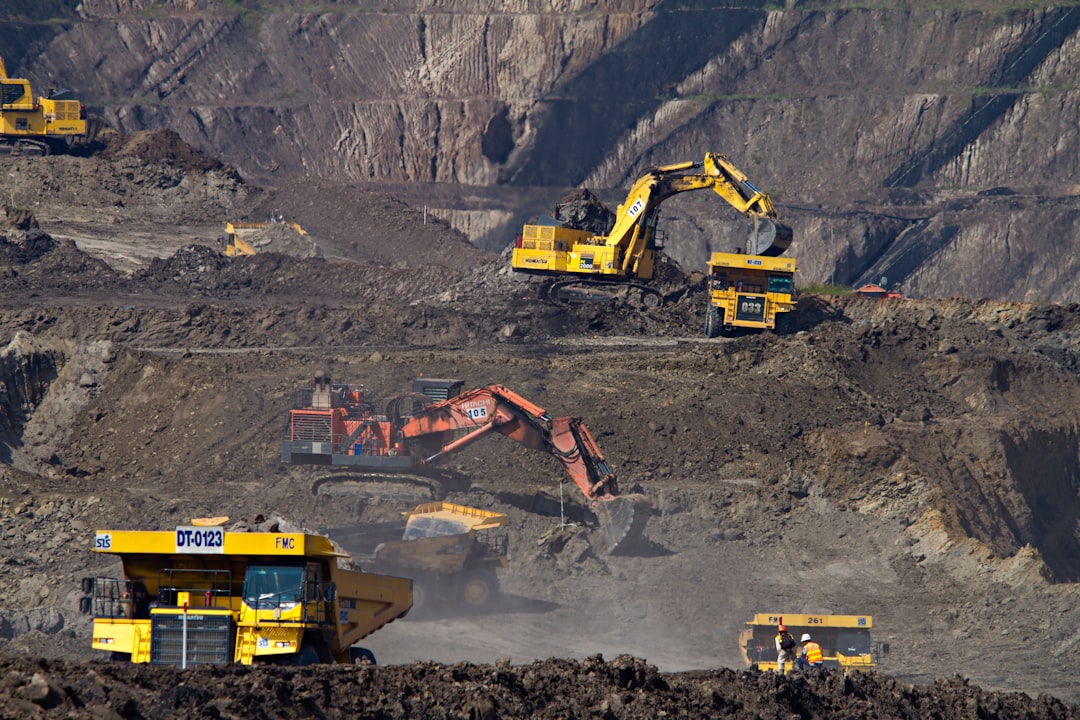
Lithium, a foundational element of modern battery technology, has become a cornerstone of the transition to a green economy. However, the insatiable demand for this “white gold” casts a long shadow, particularly on the delicate ecosystems where it is extracted. One of the significant environmental consequences of lithium mining, especially from brines and hard rock deposits, is the potential impact on soil salinity. This article will delve into the multifaceted ways lithium mining can alter soil chemistry, the mechanisms behind these changes, and the broader implications for land health and agricultural productivity. Consider how the earth, much like a finely tuned instrument, can be rendered out of harmony by disruptive forces.
Lithium extraction from brine deposits, prevalent in arid regions like the Atacama Desert in Chile and the Uyuni Salt Flat in Bolivia, involves pumping vast quantities of saline groundwater to the surface. This water, naturally rich in dissolved salts, including lithium, sodium, potassium, and magnesium, is then channeled into evaporation ponds. Here, solar energy facilitates the gradual evaporation of water, concentrating the lithium salts for subsequent processing. The sheer scale of this operation, however, is where the environmental concerns begin to take root.
The Sheer Volume of Water Extraction
The most immediate and impactful aspect of brine extraction is the enormous volume of groundwater that is drawn from subterranean reservoirs. While these reservoirs are often naturally saline, their removal on an industrial scale can have profound hydrological consequences. Imagine a vast underground sponge, saturated with a salty solution. Lithium mining essentially squeezes this sponge relentlessly, depleting its moisture content and, in the process, altering the delicate balance of the surrounding soil.
The Evaporation Pond Paradox
The evaporation ponds, the silent workhorses of brine processing, are themselves vectors for salinity increase. As water evaporates, it leaves behind not only the desired lithium salts but also a concentrated brine that can overflow or seep into surrounding areas. This expelled brine, a potent cocktail of dissolved salts, poses a direct threat to the integrity of the soil, particularly in an arid environment where water is already a precious commodity. The process can be likened to leaving a salty residue on a dry plate; with repeated applications, the plate becomes coated and changed.
Accidental Spills and Leakages
Despite stringent protocols, the possibility of accidental spills or leakages from the vast network of pipelines and evaporation ponds cannot be entirely discounted. These events, even if infrequent, can introduce highly concentrated brines directly into the surrounding soil and surface water, leading to localized but intense increases in salinity. The impact of such an event is akin to a sudden, concentrated dose of salt to a delicate organism – disruptive and potentially devastating.
Lithium mining has become a critical topic of discussion due to its environmental impacts, particularly concerning soil salinity. A related article that delves into this issue is available at MyGeoQuest, where the effects of lithium extraction on local ecosystems are explored in detail. The article highlights how the process of mining lithium can lead to increased salinity in surrounding soils, which can adversely affect agricultural productivity and local biodiversity. Understanding these implications is essential for developing sustainable mining practices that balance the demand for lithium with environmental preservation.
Hard Rock Mining and its Salinity Ramifications
While brine extraction is a primary source of lithium, hard rock mining, where lithium is extracted from minerals like spodumene and petalite, also presents challenges related to soil salinity. Although the processes differ, the end result can still be an alteration of the soil’s salt content, albeit through different pathways.
The Role of Tailings and Waste Rock
Hard rock mining generates substantial quantities of tailings and waste rock. These materials, often containing residual salts and minerals, are typically stored in large piles or impoundments. Over time, precipitation can leach soluble salts from these materials, which then percolate into the surrounding soil. This is a slow but persistent assault on soil health, similar to a gentle but continuous rain of salt upon the land.
Chemical Processing and Reagents
The processing of lithium-bearing hard rocks often involves the use of various chemical reagents, some of which may contain salts or contribute to the formation of saline solutions during the extraction and refining stages. While efforts are made to manage these chemicals responsibly, potential for environmental release and subsequent soil salinization exists. This adds another layer of complexity, where not only naturally occurring salts but also industrially introduced saline compounds can affect the soil.
Altered Hydrology and Water Table Changes
Large-scale hard rock mining operations can significantly alter local hydrology by excavating vast pits and disrupting natural drainage patterns. This can lead to changes in groundwater flow and the potential for increased salinization of surrounding soils if saline groundwater sources are exposed or if surface water with a higher salt content is diverted into new areas. The very act of carving into the earth can redirect the underground streams of water, sometimes bringing saltier waters closer to the surface.
Mechanisms of Salinity Increase in Soils

The introduction of excess salts into the soil environment, whether from brines or the byproducts of hard rock mining, disrupts the delicate osmotic balance essential for plant life and soil microbial activity. Several key mechanisms are at play:
Osmotic Stress on Plant Roots
Plants obtain water from the soil through osmosis, a process where water moves from an area of lower solute concentration (inside the root cells) to an area of higher solute concentration (the soil solution). When soil salinity increases, the concentration of dissolved salts in the soil water becomes higher than that within plant root cells. This reverses the osmotic gradient, making it difficult or impossible for plants to absorb water. Instead, water is drawn out of the plant roots, leading to dehydration, wilting, and ultimately, plant death. Think of it as trying to drink from a saltwater puddle when your body is desperately in need of fresh water.
Direct Ion Toxicity
Many salts contain ions that, in high concentrations, are directly toxic to plants and soil organisms. Sodium (Na+), chloride (Cl-), and sulfate (SO4^2-) ions are common culprits. Excessive amounts of these ions can interfere with essential metabolic processes within plant cells, damage cell membranes, and disrupt nutrient uptake. This is akin to a poison being introduced into the very food chain of the soil.
Soil Structure Degradation (Sodicity)
While salinity refers to the total concentration of dissolved salts, sodicity specifically refers to the high concentration of sodium ions relative to other cations like calcium (Ca^2+) and magnesium (Mg^2+). Sodium ions, being monovalent, are less effective at binding soil particles together compared to divalent cations. When sodium dominates the soil cation exchange complex, it can cause soil particles to disperse. This dispersion leads to a loss of soil structure, resulting in a compacted, impermeable soil with poor aeration and drainage. This is like the individual grains of sand in a beach being forced apart and losing their ability to form a cohesive structure. This degraded soil can become a barren wasteland, incapable of supporting life.
Impact on Soil Microorganisms
Soil microorganisms, the unseen architects of soil health, are also highly sensitive to salinity changes. They play crucial roles in nutrient cycling, organic matter decomposition, and maintaining soil structure. Elevated salt levels can disrupt microbial communities, reduce their activity, and alter their composition, leading to a decline in overall soil fertility and ecosystem function. The microorganisms, like tiny workers in a factory, can be incapacitated or driven away by the extreme conditions.
Consequences for the Local Environment and Agriculture

The impact of increased soil salinity due to lithium mining extends far beyond the immediate mining sites, rippling outwards to affect the wider environment and the livelihoods of local communities.
Loss of Biodiversity
As soil salinity rises, the range of plant species that can survive in the affected areas shrinks dramatically. Many native plants, adapted to specific soil conditions, are unable to tolerate the increased salt levels and succumb to osmotic stress and ion toxicity. This loss of vegetation can lead to a decline in habitat for various animal species, ultimately resulting in a reduction of local biodiversity. The vibrant tapestry of life begins to unravel, leaving behind a monochrome landscape.
Desertification and Land Degradation
In arid and semi-arid regions, where water scarcity is already a critical issue, increased soil salinity can exacerbate desertification processes. Degraded soils become less productive, leading to reduced agricultural yields and making the land increasingly unsuitable for farming and pasture. This can force communities to abandon traditional lands and contribute to social and economic instability. The land, once a generous provider, can become a parched and unforgiving desert.
Agricultural Productivity Decline
For communities that rely on agriculture for their sustenance and economy, the impact of soil salinization can be devastating. Crop yields plummet as plants struggle to grow and survive in saline conditions. Traditional crops may become unviable, requiring farmers to adapt to more salt-tolerant species, which may have lower economic returns or require significant investment in new agricultural practices and infrastructure. The farmer’s toil, once rewarded by bountiful harvests, can be met with meager returns, a bitter consequence of the environmental changes.
Impact on Water Resources
The increased salinity of soil can also affect the quality of surface and groundwater resources. As salts leach from saline soils, they can contaminate rivers, lakes, and aquifers, making them less suitable for drinking water, irrigation, and supporting aquatic ecosystems. This creates a vicious cycle where the mining activity that draws water can also contaminate the remaining water sources.
Lithium mining has garnered significant attention due to its impact on various environmental factors, particularly soil salinity. As the demand for lithium increases, the extraction processes can lead to elevated salt concentrations in surrounding soils, which may adversely affect local ecosystems and agricultural productivity. For a deeper understanding of this issue, you can explore a related article that discusses the environmental implications of lithium extraction and its effects on soil quality. This insightful piece can be found here.
Mitigation and Future Considerations
| Metric | Impact on Soil Salinity | Measurement Method | Reported Values | Source/Study |
|---|---|---|---|---|
| Soil Electrical Conductivity (EC) | Increased salinity due to lithium brine extraction | EC meter (dS/m) | 2.5 – 8.0 dS/m (post-mining sites) | Environmental Impact Assessment, Salar de Atacama |
| Soil Sodium Concentration | Elevated sodium levels from brine leakage | Atomic Absorption Spectroscopy (mg/kg) | 150 – 400 mg/kg (affected soils) | Journal of Soil Science, 2022 |
| Soil Chloride Content | Increased chloride ions contributing to salinity | Ion Chromatography (mg/kg) | 200 – 600 mg/kg (near mining sites) | Environmental Monitoring Report, 2021 |
| Soil pH | Minor changes, slight alkalization observed | pH meter | 7.8 – 8.5 (post-mining) | Soil Chemistry Study, 2023 |
| Soil Moisture Content | Reduced moisture due to altered hydrology | Gravimetric method (%) | 5% – 12% (decreased from baseline 15%) | Hydrological Impact Assessment, 2020 |
Addressing the impact of lithium mining on soil salinity requires a proactive and multi-faceted approach that prioritizes sustainable practices and responsible resource management.
Innovative Extraction Technologies
Researchers and industry stakeholders are actively exploring and developing less water-intensive and more environmentally friendly lithium extraction technologies. These include direct lithium extraction (DLE) methods that aim to selectively remove lithium from brines without extensive evaporation, thus minimizing water consumption and brine disposal. The pursuit of these cleaner technologies is akin to finding a more gentle way to extract the precious ingredient without damaging the vessel from which it is drawn.
Improved Water Management and Conservation
For existing brine extraction operations, implementing robust water management strategies is crucial. This includes leak detection and repair systems, efficient pond management to minimize seepage, and the exploration of water recycling and reuse initiatives. Conservation of existing water resources is paramount in these water-scarce regions.
Tailings Management and Rehabilitation
In hard rock mining, effective management of tailings and waste rock is essential. This involves adopting technologies that encapsulate or neutralize potentially saline materials and implementing robust rehabilitation plans for mined-out areas, including revegetation with salt-tolerant species to help stabilize soils and reduce salt leaching.
Policy and Regulatory Frameworks
Clear and enforceable regulatory frameworks are necessary to guide mining operations
FAQs
What is soil salinity and why is it important?
Soil salinity refers to the concentration of soluble salts in the soil. High soil salinity can negatively affect plant growth, reduce agricultural productivity, and degrade soil health by disrupting water uptake and nutrient availability.
How does lithium mining contribute to changes in soil salinity?
Lithium mining, especially in arid regions, often involves the extraction of lithium from brine or mineral deposits. The process can lead to the accumulation of salts on the soil surface due to evaporation of water used in extraction, increasing soil salinity levels.
Which mining methods have the greatest impact on soil salinity?
Evaporation pond methods used in lithium brine extraction tend to have the greatest impact on soil salinity. These ponds concentrate salts as water evaporates, which can lead to salt runoff or infiltration into surrounding soils, raising salinity levels.
What are the environmental consequences of increased soil salinity from lithium mining?
Increased soil salinity can lead to reduced soil fertility, loss of vegetation, disruption of local ecosystems, and decreased agricultural productivity. It can also affect water quality and biodiversity in the surrounding areas.
Are there measures to mitigate soil salinity impacts from lithium mining?
Yes, mitigation measures include careful management of water use, containment of saline waste, rehabilitation of mining sites, use of salt-tolerant plant species for revegetation, and monitoring soil and water salinity levels to prevent long-term damage.