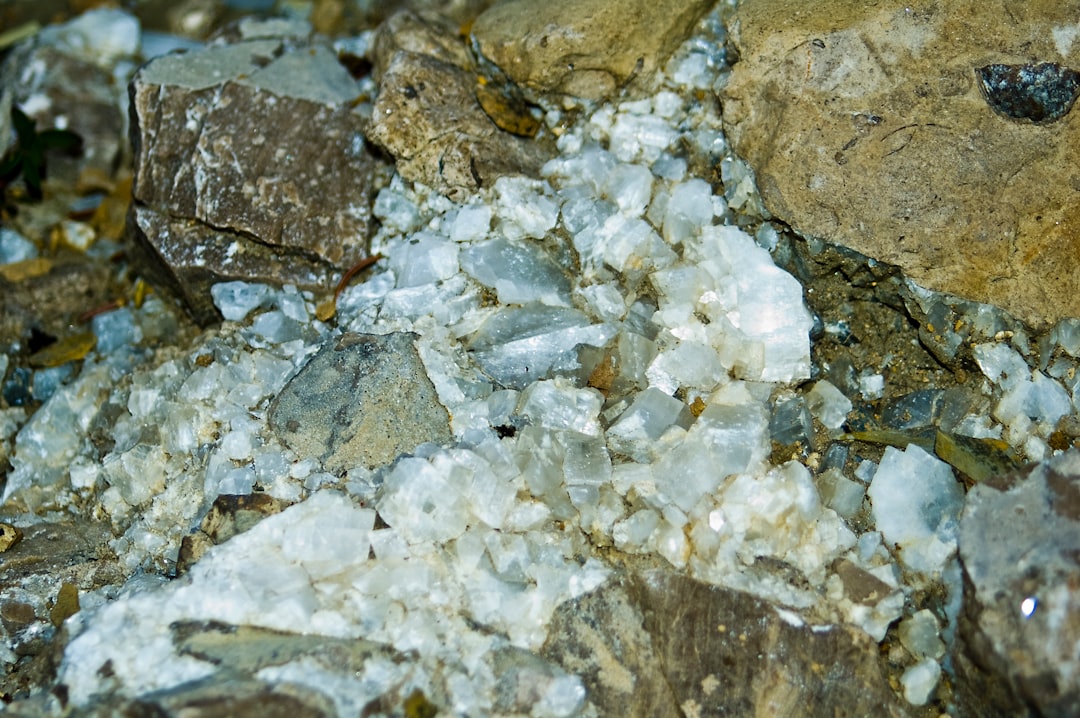
Lithium carbonate and lithium hydroxide are essential lithium compounds, forming the bedrock of many modern technologies, most notably in the realm of energy storage. While both serve as vital precursors for lithium-ion battery cathodes, their production pathways, inherent properties, and suitability for specific applications diverge significantly. Understanding these differences is akin to examining two different blueprints for building the same type of house; while the end goal might be similar, the construction process and the resulting structural integrity can vary. This article delves into the production processes, key characteristics, and comparative aspects of lithium carbonate and lithium hydroxide, offering a factual overview for those seeking to understand the nuances of these critical materials.
The journey of both lithium carbonate and lithium hydroxide begins with extracting lithium from its primary sources. These sources are predominantly brines and hard rock minerals, each presenting unique challenges and requiring distinct initial processing steps. Think of these as the foundational layers upon which the entire lithium chemical edifice is built. The efficiency and cost-effectiveness of these initial extraction methods significantly influence the subsequent production routes of both carbonate and hydroxide.
Brine Extraction Methods
The vast majority of the world’s lithium reserves are found in the underground saline waters of salt flats, particularly in the “Lithium Triangle” of South America (Argentina, Bolivia, and Chile). Brine extraction is a process that relies heavily on natural evaporation, a method that is both environmentally appealing in its reliance on solar energy and yet can be geographically constrained and time-consuming.
Solar Evaporation Ponds
The most common technique involves pumping the lithium-rich brine into large, shallow evaporation ponds. Over months, and sometimes years, the sun and wind work their magic, gradually evaporating water, thereby concentrating the lithium salts. As the brine concentrates, various impurities, such as sodium, potassium, magnesium, and calcium salts, precipitate out at different stages and are systematically drained away. This leaves a highly concentrated lithium chloride brine. The efficiency of this process is a delicate dance with nature, dictated by rainfall, humidity, wind speed, and temperature. In regions with consistent sunshine and low rainfall, this method proves to be economical, but it can be a slow and unpredictable endeavor.
Direct Lithium Extraction (DLE) Technologies
While solar evaporation has been the traditional workhorse, newer Direct Lithium Extraction (DLE) technologies are emerging as a way to overcome some of its limitations. DLE encompasses a range of methods designed to selectively remove lithium from brines more rapidly and with less water usage. These technologies can be broadly categorized by the sorbent they employ.
Adsorption Technologies
Adsorption-based DLE uses materials with a high affinity for lithium ions. These sorbents, often based on manganese oxides or titanium oxides, are exposed to the brine, selectively binding to lithium. Once saturated, the sorbent is washed with an eluent, releasing a concentrated lithium solution. This method offers faster processing times and greater water efficiency compared to evaporative ponds, and it can be deployed in a wider range of geographical locations, even those with less arid climates or more complex brine chemistry. The development and widespread adoption of DLE are akin to refining an old recipe with modern kitchen gadgets; the core ingredients remain the same, but the process becomes more efficient and versatile.
Ion Exchange Technologies
Ion exchange resins, similar to those used in water purification, can also be employed for DLE. These resins have functional groups that can selectively exchange other ions for lithium ions from the brine. Elution with a chemical solution then releases the lithium. Ion exchange can be highly efficient and offers good selectivity, but the cost and lifespan of the resins can be factors in the economic viability of this approach.
Membrane Technologies
Certain membrane technologies, such as nanofiltration or electrodialysis, are also being explored for DLE. These methods physically separate ions based on size and charge, with specific membrane designs capable of concentrating lithium. Membrane technologies can offer continuous processing and high purity, but they often require significant energy input and can be susceptible to fouling from other dissolved solids in the brine.
Hard Rock Mining and Processing
In contrast to brines, lithium is also extracted from hard rock minerals, primarily spodumene (LiAlSi₂O₆), a lithium aluminum silicate. This method involves traditional mining techniques.
Open-Pit or Underground Mining
Spodumene-bearing pegmatites are mined using conventional open-pit or underground methods, depending on the geological structure and depth of the ore body. This is a more energy-intensive and infrastructure-dependent process than brine extraction, requiring heavy machinery and significant upfront capital investment for mining operations.
Crushing, Grinding, and Beneficiation
Once extracted, the ore undergoes a series of physical processing steps. It is crushed and ground into fine particles to liberate the spodumene crystals. Beneficiation processes, such as froth flotation, are then used to separate the lithium-bearing mineral from other gangue minerals. This results in a spodumene concentrate, typically around 5-7% lithium oxide (Li₂O). This concentrate is the raw material for further chemical processing. Compared to the subtle evaporation of brines, hard rock extraction is a more robust, physically demanding operation.
In the ongoing debate about the most efficient production methods for lithium compounds, a related article discusses the comparative advantages of lithium carbonate versus lithium hydroxide production processes. This article provides insights into the economic and environmental implications of each method, highlighting the growing demand for lithium in battery technology. For more detailed information, you can read the article here: Lithium Production Methods.
Conversion of Lithium Sources to Lithium Carbonate
The creation of lithium carbonate from its raw sources involves a series of chemical transformations. The pathway taken often depends on whether the starting material is brine or spodumene concentrate. This stage is where the raw ingredients begin to take a more refined form, getting closer to their final application.
From Brine to Lithium Carbonate: The Soda Ash Precipitation Method
This is the most prevalent method for producing lithium carbonate from lithium chloride brines, particularly those obtained from solar evaporation or DLE. This process is essentially a double displacement reaction.
Reaction with Sodium Carbonate
The concentrated lithium chloride brine is reacted with sodium carbonate (Na₂CO₃), commonly known as soda ash. The chemical reaction is:
2 LiCl(aq) + Na₂CO₃(aq) → Li₂CO₃(s) + 2 NaCl(aq)
This reaction causes lithium carbonate, which is sparingly soluble in water, to precipitate out as a solid. The resulting precipitate is then filtered, washed to remove residual sodium chloride and other impurities, and dried. The efficiency of this precipitation step is influenced by temperature, pH, and the concentration of reactants. Careful control of these parameters is crucial to maximize yield and purity.
Purification and Granulation
The crude lithium carbonate precipitate may undergo further purification steps, such as re-dissolution and re-precipitation with carefully controlled conditions, to remove any remaining soluble impurities. It is then dried and can be granulated or milled to meet specific particle size requirements for different applications. The production of battery-grade lithium carbonate necessitates extremely high purity levels, often exceeding 99.5%.
From Spodumene Concentrate to Lithium Carbonate: The Sulfuric Acid Roasting Method
Producing lithium carbonate from spodumene concentrate involves a more energy-intensive hydrometallurgical process. The finely ground spodumene concentrate first needs to be converted into a more reactive form.
Calcination (Roasting)
The spodumene concentrate is first heated to high temperatures in a rotary kiln, a process known as calcination. This heat treatment, typically around 1000-1100 °C, converts the relatively inert alpha-spodumene into a more reactive beta-spodumene crystalline structure. This structural change is critical for subsequent leaching.
Acid Leaching
The calcined spodumene is then leached with sulfuric acid (H₂SO₄) at elevated temperatures. This reaction converts the lithium-silicate mineral into lithium sulfate and aluminum sulfate.
LiAlSi₂O₆ (spodumene) + H₂SO₄ → Li₂SO₄ + Al₂(SO₄)₃ + SiO₂
This step requires careful control of temperature and acid concentration to ensure efficient extraction of lithium. The solid residue, primarily silica, is separated from the pregnant leach solution containing lithium sulfate.
Reaction with Sodium Carbonate
The lithium sulfate solution is then reacted with sodium carbonate, similar to the brine process, to precipitate lithium carbonate:
Li₂SO₄(aq) + Na₂CO₃(aq) → Li₂CO₃(s) + Na₂SO₄(aq)
The precipitated lithium carbonate is then filtered, washed, and dried. This process is more complex and energy-demanding than the direct precipitation from brine, reflecting the inherent stability of the silicate mineral structure.
Conversion of Lithium Carbonate to Lithium Hydroxide

Lithium hydroxide (LiOH) is often produced from lithium carbonate through a chemical conversion process. This is a crucial step for producing battery-grade lithium hydroxide, as it offers certain advantages for high-nickel cathode materials. Think of this as taking a basic building block and refining it further for specialized construction.
The Causticization Process
The most common method for producing lithium hydroxide from lithium carbonate is the causticization process, which involves reacting lithium carbonate with calcium hydroxide (Ca(OH)₂).
Reaction with Calcium Hydroxide
Lithium carbonate is first slurried in water and then reacted with a solution of calcium hydroxide. The reaction proceeds as follows:
Li₂CO₃(aq) + Ca(OH)₂(aq) → 2 LiOH(aq) + CaCO₃(s)
This reaction takes place in stirred reactors, and the temperature and concentration of reactants are carefully controlled to optimize the conversion rate and purity.
Separation of Calcium Carbonate
Calcium carbonate (CaCO₃) is relatively insoluble and precipitates out of the solution. A key aspect of this process is the efficient separation of the solid calcium carbonate from the lithium hydroxide solution. This is typically achieved through filtration. The precipitated calcium carbonate is a byproduct and can be a potential environmental concern if not managed properly.
Evaporation and Crystallization
The lithium hydroxide solution is then concentrated through evaporation. As the solution becomes more concentrated, lithium hydroxide crystallizes out. Depending on the desired product form (anhydrous or monohydrate), the crystallization conditions are carefully controlled. The resulting lithium hydroxide crystals are then separated, washed, and dried.
Alternative Routes and Emerging Technologies
While causticization is the dominant route, other methods for producing lithium hydroxide are explored, particularly for specialized applications or to improve process efficiency.
Direct Crystallization from Brine (Less Common)
In some instances, highly concentrated lithium chloride brines might be directly converted to lithium hydroxide, but this is less common due to challenges in achieving high purity and yield.
Electrochemical Methods
Research is ongoing into electrochemical methods for lithium hydroxide production, aiming for more energy-efficient and environmentally friendly processes. These technologies are still in their nascent stages of development for large-scale industrial application.
Properties and Applications

The differing production pathways imbue lithium carbonate and lithium hydroxide with distinct properties, dictating their suitability for various applications, especially in the booming battery sector. While both are lithium sources, they are not interchangeable marbles in the same bag.
Lithium Carbonate Properties
Lithium carbonate is a white, crystalline solid that is sparingly soluble in water. Its relatively low solubility in water is what makes it suitable for precipitation during production.
Storage Stability and Ease of Handling
Lithium carbonate is generally stable under normal storage conditions and is relatively easy to handle. This makes it a convenient form for transportation and storage for many industrial users.
Primary Applications
- Lithium-ion Battery Cathodes (NCM and LCO): Lithium carbonate is a direct precursor for the production of ternary cathode materials like Nickel-Cobalt-Manganese oxide (NCM) and Lithium Cobalt Oxide (LCO). These materials are widely used in electric vehicle batteries and consumer electronics. The carbonate is calcined and reacted with other metal oxides to form the final cathode material. Lithium carbonate is often considered a more cost-effective option for these applications.
- Glass and Ceramics: It is used as a flux in the production of glass and ceramics, lowering melting points and improving durability.
- Lubricants: Lithium carbonate can be used in the production of lubricating greases.
- Pharmaceuticals: In its highly purified form, it is used in medicine for the treatment of bipolar disorder.
Lithium Hydroxide Properties
Lithium hydroxide is a white, hygroscopic solid that is more soluble in water than lithium carbonate. It is available in both anhydrous (LiOH) and monohydrate (LiOH·H₂O) forms.
Higher Lithium Content and Reactivity
Lithium hydroxide has a higher percentage of lithium by weight compared to lithium carbonate. It is also a stronger base, which influences its reactivity in chemical processes.
Primary Applications
- Lithium-ion Battery Cathodes (NCA and High-Nickel NCM): Lithium hydroxide is the preferred precursor for the production of Nickel-Cobalt-Aluminum oxide (NCA) and high-nickel NCM cathode materials (e.g., NCM811, NCM9055). These advanced cathode chemistries offer higher energy density, crucial for extending the range of electric vehicles. The higher reactivity of LiOH allows for more efficient incorporation of nickel during cathode synthesis compared to Li₂CO₃. This is a key differentiator in the battery landscape.
- Greases: As a stronger alkali, it is used in the production of high-performance lubricating greases that can withstand higher temperatures.
- Air Purification: Lithium hydroxide can absorb carbon dioxide and is used in breathing apparatus (e.g., in submarines and spacecraft) to remove CO₂ from the air.
In the ongoing debate over lithium carbonate versus lithium hydroxide production, a recent article highlights the significant implications of each method for the electric vehicle industry. The article discusses how the choice between these two lithium compounds can affect battery performance and overall sustainability. For further insights into the production processes and their environmental impacts, you can explore this informative piece at My Geo Quest. Understanding these differences is crucial for stakeholders looking to make informed decisions in the rapidly evolving market.
Comparative Analysis of Production Challenges
| Metric | Lithium Carbonate | Lithium Hydroxide |
|---|---|---|
| Chemical Formula | Li2CO3 | LiOH |
| Production Process | Extraction from spodumene or brine, followed by carbonation | Extraction from spodumene or brine, followed by conversion with lime or caustic soda |
| Primary Use | Battery cathodes, glass, ceramics | Battery cathodes, especially for high-nickel NMC and NCA cathodes |
| Production Cost | Generally lower | Generally higher due to additional processing steps |
| Purity Level | Typically 99.5% to 99.9% | Typically 99.5% to 99.9% |
| Market Demand Trend | Stable demand, growing with battery market | Increasing demand driven by electric vehicle battery requirements |
| Environmental Impact | Lower energy consumption in production | Higher energy consumption and chemical use in production |
| Physical Form | White crystalline powder | White granular or powder form |
The production of both lithium carbonate and lithium hydroxide is not without its hurdles. These challenges can range from environmental impacts to economic viability and geopolitical considerations. Navigating these challenges requires careful planning and technological innovation.
Environmental Considerations
Both production methods have environmental footprints that must be managed.
Water Consumption and Salinity Management (Brines)
Brine extraction, particularly solar evaporation, can consume significant amounts of water. In arid regions, this can strain local water resources. The disposal of spent brines, which are more saline and contain concentrated impurities, also presents an environmental challenge. DLE technologies aim to mitigate water usage.
Energy Consumption and Greenhouse Gas Emissions (Hard Rock)
Hard rock mining and processing, especially the calcination step for spodumene, are energy-intensive and contribute to greenhouse gas emissions. Sulfuric acid production also has its own environmental impact.
Waste Management and Byproducts
The precipitation of calcium carbonate in lithium hydroxide production and the disposal of waste rock from hard rock mining are significant waste management considerations. The management of saline wastewater from brine processing is also crucial.
Economic Factors and Cost Competitiveness
The cost of production is a major driver in the choice between lithium carbonate and lithium hydroxide.
Capital and Operational Costs
Brine extraction generally has lower capital and operational costs compared to hard rock mining, primarily due to the absence of heavy mining machinery and the reliance on solar energy. However, the long processing times for solar evaporation can impact throughput.
Energy Costs and Market Prices
The energy-intensive nature of hard rock processing and the subsequent conversion to lithium hydroxide can make them more expensive than lithium carbonate, especially when demand for lithium carbonate is strong. Fluctuations in the market prices of soda ash and sulfuric acid also impact production costs.
Purity Requirements and Yields
Achieving battery-grade purity for both compounds requires stringent quality control and can impact overall yield. The efficiency of precipitation, filtration, and drying steps are critical for maximizing economic returns.
Geopolitical and Supply Chain Factors
The global supply chain for lithium is complex and subject to geopolitical influences.
Resource Concentration and Political Stability
The concentration of lithium resources in specific geographic regions, particularly the Lithium Triangle, can create geopolitical vulnerabilities. Political instability or changes in resource policies in these regions can impact global supply and prices.
Processing Capacity and Downstream Industries
The availability of sufficient processing capacity to convert raw lithium into battery-grade carbonate and hydroxide is crucial. The development of robust downstream industries for both compounds is essential for meeting the growing demand from the electric vehicle and renewable energy sectors.
Conclusion: Differentiating the Lithium Pillars
Lithium carbonate and lithium hydroxide, while both essential lithium compounds, are distinct pillars supporting the modern battery revolution. Their production pathways, from the sun-drenched evaporation ponds of brines to the energy-intensive kilns of hard rock mines, shape their properties and suitability for specific applications. Lithium carbonate, with its established production routes and cost-effectiveness, remains the workhorse for many NCM and LCO cathode chemistries, powering a significant portion of today’s rechargeable batteries. Lithium hydroxide, on the other hand, emerges as the more specialized and increasingly vital component for the next generation of high-energy-density batteries, particularly NCA and high-nickel NCM, which are crucial for the future of electric mobility.
The choice of production method is a complex equation, balancing resource availability, environmental impact, energy consumption, and economic feasibility. As the demand for lithium continues to surge, driven by the transition to a decarbonized world, innovation in both extraction and conversion processes will be paramount. Direct Lithium Extraction technologies offer a promising path towards more efficient and geographically flexible brine processing, while advancements in hard rock processing aim to reduce its environmental footprint. Ultimately, understanding the subtle yet significant differences between lithium carbonate and lithium hydroxide production is key to appreciating the intricate landscape of the lithium industry and its indispensable role in shaping our technological future.
FAQs
What are the primary uses of lithium carbonate and lithium hydroxide?
Lithium carbonate is mainly used in the production of lithium-ion batteries, ceramics, glass, and pharmaceuticals. Lithium hydroxide is primarily used in battery manufacturing, especially for high-nickel cathode materials, as well as in greases and air purification systems.
How are lithium carbonate and lithium hydroxide produced?
Lithium carbonate is typically produced by processing spodumene ore or extracting lithium from brine sources through evaporation and chemical precipitation. Lithium hydroxide can be produced by converting lithium carbonate with calcium hydroxide or directly from spodumene through high-temperature processes.
What are the differences in production costs between lithium carbonate and lithium hydroxide?
Production costs vary depending on raw materials and processing methods. Generally, lithium hydroxide production is more energy-intensive and costly due to additional processing steps compared to lithium carbonate, but it commands a higher market price because of its demand in advanced battery technologies.
Why is lithium hydroxide preferred over lithium carbonate in some battery applications?
Lithium hydroxide is preferred for manufacturing high-nickel cathode batteries because it improves battery performance, energy density, and longevity. It also allows for better control of cathode chemistry compared to lithium carbonate.
Are there environmental concerns associated with the production of lithium carbonate and lithium hydroxide?
Yes, both production processes can have environmental impacts, including water usage, chemical waste, and energy consumption. Brine extraction methods may affect local water resources, while mining and processing spodumene require significant energy and can generate waste materials. Efforts are ongoing to develop more sustainable production methods.