
The global demand for lithium, a cornerstone of battery technology powering everything from smartphones to electric vehicles, is experiencing an unprecedented surge. This escalating need has placed a spotlight on the contrasting methodologies employed to extract this vital element: hard rock mining and brine extraction. These two titans of lithium production are engaged in a silent, yet significant, showdown, each with its own distinct advantages, inherent challenges, and environmental footprints. Understanding this dynamic is crucial for comprehending the future of battery supply chains and the broader energy transition.
Lithium, the lightest metal, plays a pivotal role in modern technology. Its ability to store and release vast amounts of energy in rechargeable batteries has made it indispensable. The lithium-ion battery, a marvel of electrochemical engineering, has revolutionized portable electronics and is now the driving force behind the automotive industry’s shift towards electrification. As the world grapples with climate change and seeks to decarbonize its energy systems, the importance of lithium will only continue to grow. This insatiable appetite for lithium has spurred innovation and investment in extraction techniques, leading to the prominence of hard rock and brine operations.
The Elemental Importance of Lithium
The unique electrochemical properties of lithium are what make it so valuable for battery applications. Its high charge density means that more lithium can be packed into a given volume, leading to more powerful and longer-lasting batteries. Furthermore, its low reactivity when in a charged state contributes to the overall stability and safety of lithium-ion batteries. Without lithium, the portable electronic revolution would have stalled, and the dream of widespread electric mobility would remain a distant aspiration.
The Growing Global Demand
Projections from various industry analysts consistently point towards a dramatic increase in lithium demand over the coming decades. The acceleration of electric vehicle adoption, coupled with the expansion of renewable energy grids requiring robust energy storage solutions, forms the bedrock of this bullish outlook. Countries are setting ambitious targets for reducing carbon emissions, and transportation electrification is a key lever. This translates directly into a burgeoning demand for the raw materials that power these changes, with lithium at the forefront.
In the ongoing debate between hard rock lithium mining and brine extraction, a comprehensive analysis can be found in a related article that delves into the environmental impacts and economic viability of both methods. This article provides valuable insights into the advantages and disadvantages of each approach, helping stakeholders make informed decisions. For more information, you can read the full article here: MyGeoQuest Article.
Hard Rock Mining: The Traditional Powerhouse
Hard rock lithium mining, characterized by the extraction of lithium-bearing minerals such as spodumene, petalite, and lepidolite from underground or open-pit mines, represents the more established method of production. This approach is akin to digging for treasure within the earth’s crust, where concentrated veins of valuable minerals are sought. Countries rich in geological formations suitable for these deposits, like Australia, have historically been major players in this arena.
Spodumene: The Star Mineral
Spodumene, a lithium aluminum silicate mineral, is the most common and commercially important hard rock source of lithium. It is often found in pegmatite dikes, which are geological formations that cool slowly, allowing for the growth of large crystals. The process of extracting lithium from spodumene involves several energy-intensive steps, including mining, crushing, grinding, and then chemical processing to convert the mineral into a usable lithium compound, typically lithium carbonate or lithium hydroxide.
The Mining Process
The extraction of spodumene begins with physically removing the ore from the earth. This can involve traditional open-pit mining, where large swathes of land are excavated, or underground mining techniques, which are employed when deposits are deeper. The excavated ore is then transported to a processing plant.
Milling and Concentration
Once at the plant, the ore undergoes crushing and grinding to reduce its size and liberate the spodumene crystals. This is followed by a beneficiation process, often using flotation, to separate the lighter spodumene particles from heavier waste rock. This stage is critical for increasing the lithium concentration in the material that proceeds to the next phase.
Chemical Conversion
The concentrated spodumene is then subjected to high-temperature processing, often calcination, to convert the mineral into a more reactive form. This is followed by chemical leaching using acids or alkalis to dissolve the lithium. The resulting lithium-rich solution is then further processed through evaporation, precipitation, and purification to produce battery-grade lithium carbonate or lithium hydroxide.
Advantages of Hard Rock Mining
The primary advantage of hard rock mining lies in its predictability and relatively higher concentrations of lithium in ore bodies. The geological assessment of hard rock deposits can provide a clearer picture of the quantity and quality of extractable lithium, leading to more reliable investment decisions. Furthermore, the established infrastructure and technological expertise for hard rock mining are well-developed, meaning that new projects can, in theory, come online more quickly once permits are secured.
Predictable Resource Estimates
Geological surveys and drilling programs can provide a more precise understanding of the size and grade of lithium-bearing orebodies in hard rock formations. This predictability is a significant factor for investors looking to finance large-scale mining operations.
Established Infrastructure and Technology
The mining industry has a long history of developing and refining techniques for hard rock extraction. This means that much of the necessary equipment, expertise, and logistical frameworks are already in place, potentially accelerating the development timeline for new hard rock projects.
Challenges in Hard Rock Mining
However, hard rock mining is not without its drawbacks. It is an environmentally intensive process, contributing to land disturbance, habitat fragmentation, and significant water usage and potential contamination. The energy required for crushing, grinding, and high-temperature chemical processing is substantial. Furthermore, the grade of lithium in many hard rock deposits is declining, necessitating the processing of larger volumes of ore to yield the same amount of lithium.
Environmental Impact
The physical excavation of large open pits or the creation of underground mine shafts invariably leads to significant land disturbance and the alteration of landscapes. This can result in habitat loss for local flora and fauna. The generation of vast quantities of waste rock and tailings (finely ground rock left over after mineral extraction) also presents long-term management challenges, potentially posing risks of acid rock drainage and heavy metal contamination if not managed properly.
High Energy Consumption
The physical processes involved in hard rock mining, from drilling and blasting to crushing, grinding, and the high-temperature chemical treatments required to liberate lithium, are inherently energy-intensive. This translates into a larger carbon footprint for the lithium produced, especially if the energy sources are fossil fuel-based.
Declining Ore Grades
As the most easily accessible and high-grade lithium deposits are exploited, mining companies are increasingly targeting lower-grade ores. This means that more rock must be extracted and processed to produce the same amount of lithium, further exacerbating environmental impacts and energy consumption.
Brine Extraction: The Salty Frontier
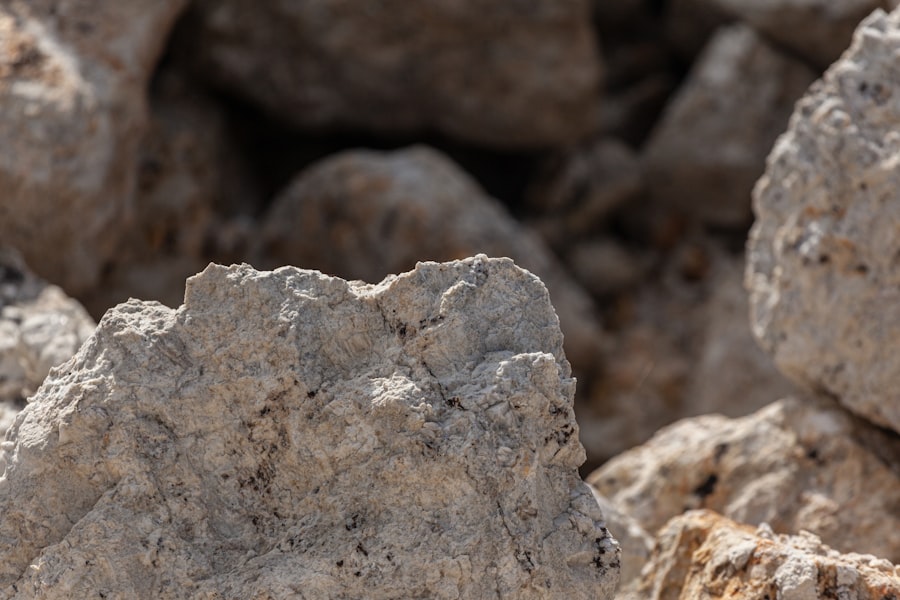
Brine extraction, on the other hand, taps into naturally occurring salty underground water sources rich in dissolved lithium. This method is colloquially referred to as “solar evaporation,” where large salt flats, often in arid regions like South America’s “Lithium Triangle” (Chile, Argentina, and Bolivia), are utilized. The process is akin to waiting for the sun to do the heavy lifting, concentrating the precious lithium from vast reservoirs.
The Lithium Triangle: A Natural Reservoir
The Atacama Desert in Chile, the Puna de Atacama in Argentina, and the Salar de Uyuni in Bolivia are world-renowned for their vast, lithium-rich brine deposits. These arid regions provide ideal conditions for solar evaporation due to low rainfall, high evaporation rates, and elevated levels of solar radiation. The lithium is dissolved in the brine, which is then pumped from underground aquifers to surface evaporation ponds.
Brine Sources
Lithium-rich brines are found in various geological settings, but the most economically significant are associated with hypersaline lakes and ancient seafloors that have been modified by geological processes. The dissolved salts in these brines can reach very high concentrations, making them effective carriers of lithium ions.
Evaporation Ponds
The heart of brine extraction lies in the vast, shallow ponds dug into the landscape. The lithium-rich brine is pumped into these ponds, and the intense solar radiation initiates the evaporation process. As water evaporates, the concentration of dissolved salts increases.
The Evaporation Process
The brine is channeled through a series of interconnected ponds, each designed to concentrate specific salts. As water evaporates, dissolved salts like sodium chloride, potassium chloride, and magnesium chloride begin to precipitate out, settling to the bottom of the ponds. Lithium, being more soluble, remains in solution at higher concentrations. This gradual concentration process can take months, or even years, depending on climatic conditions and the initial lithium concentration in the brine.
Sequential Concentration
The brine is moved systematically through a series of ponds. In the initial ponds, general salts precipitate out. As the brine advances to subsequent ponds, and with continued solar evaporation, the lithium concentration steadily increases.
Precipitation of Impurities
Certain impurities within the brine will also precipitate out at different stages of the evaporation process, allowing for their physical removal, further refining the solution.
Advantages of Brine Extraction
Brine extraction boasts a lower energy footprint compared to hard rock mining, as it primarily relies on solar energy for evaporation. This makes it an attractive option for renewable energy initiatives. Furthermore, the initial capital costs for setting up brine operations can be lower than for hard rock mines, especially in regions with existing salt flats. The land disturbance is typically less severe than with open-pit mining, as it primarily involves the construction of ponds.
Lower Energy Consumption
The primary energy input for brine extraction is solar radiation, which is free and renewable. This significantly reduces the operational energy costs and the associated carbon emissions compared to the energy-intensive processing required for hard rock ores.
Potentially Lower Capital Costs
In regions with naturally occurring salt flats and suitable geological conditions, the initial investment in brine extraction infrastructure, such as pond construction, can be less substantial than the massive investment required for developing hard rock mining operations.
Reduced Land Footprint
While the evaporation ponds can cover significant areas, the overall land disturbance is generally considered less disruptive than the large-scale excavation associated with open-pit hard rock mines.
Challenges in Brine Extraction
However, brine extraction is highly dependent on ideal climatic conditions – arid regions with high evaporation rates and minimal rainfall. This limits the geographical scope of viable operations. The process is also time-consuming, with evaporation taking months or years to achieve sufficient lithium concentration. Furthermore, brine can contain various other dissolved salts and impurities, such as magnesium and boron, which can be difficult and costly to remove, impacting the purity of the final lithium product. Water scarcity in some arid regions can also become a concern, despite the reliance on evaporation, as large volumes of brine need to be pumped from underground aquifers.
Climate Dependency
The efficiency of solar evaporation is directly tied to the local climate. Regions with low rainfall, high temperatures, and abundant sunshine are ideal. This geographic constraint means that brine extraction is not feasible in many parts of the world.
Long Production Cycles
The evaporation process is slow, taking months or even years to achieve the desired lithium concentration. This extended production cycle can be a bottleneck in meeting rapid demand increases.
Impurity Removal
Brines often contain high concentrations of other salts, such as magnesium, which can interfere with battery performance. Separating lithium from these impurities is a complex and costly chemical process.
Water Use Concerns
Despite relying on evaporation, brine extraction involves pumping large volumes of groundwater from aquifers. In already water-scarce arid regions, this can raise concerns about aquifer depletion and the impact on local ecosystems and communities.
The Environmental Showdown: A Deeper Dive
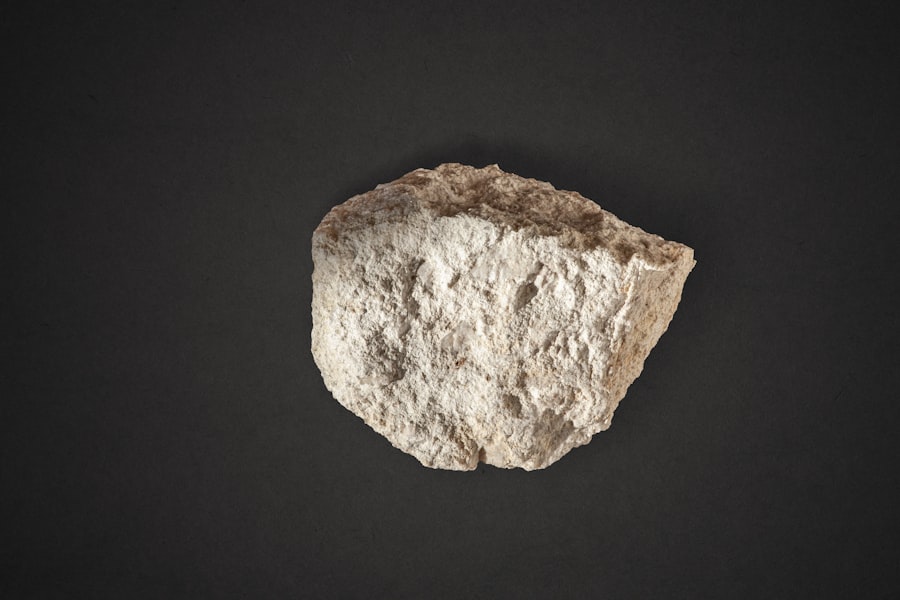
The environmental debate between hard rock and brine lithium extraction is far from settled, with each method presenting a unique set of challenges that require careful management. The “green” credentials of lithium, often touted in the context of the energy transition, are intrinsically linked to how it is extracted.
Water Usage and Contamination
Both methods can have significant impacts on water resources. Hard rock mining can lead to large-scale water consumption for dust suppression and processing, as well as the risk of contaminating surface and groundwater with mine runoff and tailings. Brine extraction, while relying on evaporation, still requires pumping vast amounts of groundwater, and there are concerns about the potential for brine spills contaminating freshwater sources or affecting local ecosystems.
Hard Rock Water Footprint
Water is essential for various stages of hard rock mining, from dust suppression at the mine face to the wet processing of ore. Some operations can consume millions of liters of water per day. The management of wastewater and the prevention of acid rock drainage, which can leach heavy metals into water bodies, are critical environmental considerations.
Brine Water Footprint
The primary water concern for brine extraction is the volume of groundwater pumped from aquifers to feed the evaporation ponds. While the water is then evaporated, the process of replenishment and potential impacts on local water tables and dependent ecosystems must be carefully assessed. The risk of brine spills from ponds or pipelines can also lead to localized salinization of soil and water.
Land Use and Habitat Disruption
Hard rock mining, particularly open-pit operations, involves extensive land clearing, leading to significant habitat disruption and landscape alteration. The creation of vast tailings dams also occupies large areas. Brine operations, while generally less intrusive than large open pits, still require the construction of extensive evaporation pond networks, which can impact land use and local habitats, especially in sensitive desert ecosystems.
Hard Rock Land Disturbance
Open-pit mining can transform vast tracts of land into craters, permanently altering the topography. The disposal of enormous volumes of waste rock and tailings requires dedicated, large-scale storage facilities that can have long-term environmental implications.
Brine Land Use
While not as visually dramatic as an open-pit mine, the construction of extensive evaporation pond networks for brine extraction can occupy significant surface areas. The alteration of the natural desert landscape and the potential impact on endemic species that inhabit these salt flats are environmental considerations.
Carbon Footprint and Energy Intensity
The energy intensity of hard rock mining, due to crushing, grinding, and chemical processing, often results in a higher carbon footprint, especially if the energy sources are fossil fuel-based. Brine extraction’s reliance on solar energy gives it a significant advantage in terms of operational carbon emissions. However, the energy consumed in transporting materials, constructing facilities, and the chemicals used in the final purification stages of brine processing must also be factored into the overall life cycle assessment.
Hard Rock Emissions
The extensive use of heavy machinery, the high temperatures for chemical processing, and the energy required for ventilation in underground mines all contribute to the carbon footprint of hard rock lithium production.
Brine Emissions
While solar power significantly reduces operational emissions, the manufacturing of pumps, pipelines, and pond liners, as well as the energy used in transportation and the chemical processing of purified lithium, contribute to the overall carbon footprint of brine extraction.
In the ongoing debate about sustainable lithium extraction methods, a recent article highlights the advantages and disadvantages of hard rock lithium mining compared to brine extraction. While hard rock mining can yield higher concentrations of lithium, it often involves more significant environmental disruption. On the other hand, brine extraction, which utilizes salt flats, presents its own set of challenges, including water usage and potential impacts on local ecosystems. For a deeper understanding of these methods and their implications, you can read more in this insightful piece on MyGeoQuest.
The Geopolitical Chessboard: Resource Nationalism and Supply Chains
| Metric | Hard Rock Lithium Mining | Brine Extraction |
|---|---|---|
| Source | Spodumene ore from hard rock deposits | Salt flats and underground brine reservoirs |
| Extraction Process | Mining, crushing, and chemical processing | Pumping brine to surface and solar evaporation |
| Typical Lithium Concentration | 1-3% lithium oxide (Li2O) in ore | 0.1-0.3% lithium in brine |
| Production Time | Months to process ore into lithium compounds | 12-18 months for evaporation ponds |
| Water Usage | Moderate to high, depending on processing | Very high, large volumes for evaporation |
| Environmental Impact | Land disturbance, waste rock, energy intensive | Water depletion, ecosystem disruption, slower recovery |
| Energy Consumption | High, due to mining and processing | Lower, mainly solar evaporation but pumping required |
| Typical Yield | Higher lithium concentration per ton of material | Lower lithium concentration, but large volumes |
| Geographical Locations | Australia, Canada, China | Chile, Argentina, Bolivia (Lithium Triangle) |
| Cost Efficiency | Generally higher cost due to processing complexity | Lower cost but longer production cycle |
The geographical concentration of lithium resources, particularly in South America for brine and Australia for hard rock, has profound geopolitical implications. Resource nationalism, where countries seek to control and benefit more directly from their natural resources, is a growing trend. This, coupled with the desire for secure and diversified supply chains for critical minerals, is shaping the future of the lithium market and influencing the ongoing showdown between hard rock and brine.
Resource Nationalism in South America
Many South American nations with significant lithium reserves are increasingly asserting greater control over their lithium resources. This can manifest as higher taxes and royalties, demands for local processing and refining, or even direct state involvement in mining operations. This approach aims to maximize the economic benefits derived from lithium extraction for the host countries, rather than simply exporting raw materials.
Increased Royalties and Taxes
Governments are often looking to increase the financial returns from their lithium assets through higher royalty rates and taxes levied on mining companies.
Local Processing and Value Addition
A key objective of resource nationalism is to encourage the development of domestic processing and refining capabilities, moving beyond the export of raw or semi-processed materials to capture more value within the country.
State-Owned Enterprises
In some instances, governments may establish or partner with state-owned enterprises to directly participate in lithium exploration and production, ensuring greater national control over the resource.
Diversification of Supply Chains
The concentration of lithium production in specific regions has raised concerns about the vulnerability of global supply chains. Geopolitical instability, trade disputes, or natural disasters in key producing nations could disrupt the flow of lithium, impacting battery manufacturers and the automotive industry. This has led to a push for diversification, with countries exploring new lithium deposits and investing in technologies that can unlock lithium from less conventional sources.
Reducing Reliance on Single Sources
The aim is to avoid over-reliance on any one country or region for lithium supply, thereby mitigating risks associated with geopolitical events or trade disruptions.
Investment in New Regions and Technologies
This diversification strategy involves exploring new lithium deposits in different geographical locations and investing in advanced extraction technologies that can make previously uneconomical reserves viable.
The Role of China
China, already a dominant force in battery manufacturing and electric vehicle production, is also a major player in securing global lithium supplies, both through direct investment in mining projects and through its influence in the refined lithium market. This strategic position adds another layer of complexity to the geopolitical landscape of lithium extraction.
Investment in Global Projects
Chinese companies have been actively investing in lithium mining projects worldwide, securing access to raw materials and expanding their influence in the global supply chain.
Dominance in Refining
China’s advanced refining capabilities allow it to process a significant portion of the world’s lithium, further solidifying its position in the battery ecosystem.
The Future of Lithium Extraction: Innovation and Sustainability
The showdown between hard rock and brine extraction is not a zero-sum game. The future likely involves a combination of both, driven by ongoing innovation and an increasing emphasis on sustainable practices. Advances in extraction technologies, such as direct lithium extraction (DLE
FAQs
What is hard rock lithium mining?
Hard rock lithium mining involves extracting lithium from solid mineral deposits, primarily spodumene, found in hard rock formations. The ore is mined, crushed, and processed to extract lithium.
How does brine extraction of lithium work?
Brine extraction involves pumping lithium-rich saline water from underground reservoirs or salt flats to the surface, then evaporating the water in large ponds to concentrate and extract lithium salts.
What are the environmental impacts of hard rock lithium mining compared to brine extraction?
Hard rock mining typically has a larger environmental footprint due to land disturbance, energy-intensive processing, and waste rock production. Brine extraction uses less energy but can impact water resources and local ecosystems due to large water usage and evaporation ponds.
Which method is more cost-effective for lithium production?
Brine extraction is generally more cost-effective due to lower energy requirements and simpler processing, but it depends on the location and lithium concentration. Hard rock mining can be more expensive but provides a more consistent lithium supply.
Where are the main global sources of lithium from hard rock mining and brine extraction?
Hard rock lithium mining is prominent in Australia, which is the largest producer of spodumene. Brine extraction is mainly conducted in the Lithium Triangle of South America, including Chile, Argentina, and Bolivia, where large salt flats contain lithium-rich brines.