
In any organized endeavor, the efficient and equitable allocation of resources is paramount. Within the confines of a private network, this principle extends to the distribution of various forms of “packets,” which can represent anything from critical data packets to computational processing time. Private Network Ration Distribution Protocols, often shortened to PRDPs, are the intricate mechanisms and established procedures designed to govern how these resources are allocated among the individual nodes or users within that private network. They are the unseen conductors of a digital orchestra, ensuring that each instrument plays its part harmoniously and that no single instrument drowns out the others, or worse, remains silent when its contribution is vital.
At their heart, PRDPs are built upon a foundation of principles that aim to balance competing demands and ensure the smooth operation of the private network. These protocols are not merely arbitrary rules; they are carefully crafted solutions to complex problems, born from the need for order in a potentially chaotic digital environment.
Fairness as a Guiding Star
Fairness in network resource allocation is a multifaceted concept. It can mean ensuring that all users receive a proportional share of the available bandwidth, or it can imply prioritizing certain types of traffic over others based on their criticality. PRDPs aim to implement a form of digital justice, preventing any single entity from monopolizing resources to the detriment of others. This is akin to a benevolent king carefully distributing loaves of bread among his subjects, ensuring no one starves while others feast.
Efficiency: Maximizing Throughput
Beyond fairness, efficiency is a critical objective. PRDPs seek to maximize the overall throughput of the network, ensuring that data flows as smoothly and rapidly as possible. This involves minimizing bottlenecks, reducing latency, and optimizing resource utilization. An efficient PRDP is like a well-oiled machine, where every gear and piston works in concert to achieve the greatest output with the least waste.
Predictability and Stability
For businesses and organizations that rely on their private networks, predictability and stability are non-negotiable. PRDPs contribute to this by establishing clear rules for resource allocation, making the network’s behavior more predictable. This allows administrators to forecast performance, troubleshoot issues more effectively, and plan for future network expansion with greater confidence. A stable network, governed by a reliable PRDP, is a reliable foundation upon which an organization can build its operations.
Security in Allocation
While not always the primary focus, security considerations are often woven into the fabric of PRDPs. Certain resources might be allocated based on security levels, with higher-priority security functions receiving preferential treatment. This can involve ensuring that critical security updates or threat intelligence feeds are not delayed by less important network traffic.
In the realm of private networks, effective ration distribution protocols are crucial for optimizing resource allocation and ensuring equitable access among users. A related article that delves into this topic can be found at MyGeoQuest, where various strategies and methodologies for implementing these protocols are discussed in detail. This resource provides valuable insights into the challenges and solutions associated with ration distribution in private network environments.
Classifying Private Network Ration Distribution Protocols
The landscape of PRDPs is diverse, reflecting the varied needs and architectures of private networks. Protocols can be broadly categorized based on their operational approach, their objectives, and the complexity of their algorithms. Think of these categories as different blueprints for constructing the same type of edifice, each with its own strengths and design philosophies.
Static vs. Dynamic Allocation
This is perhaps the most fundamental distinction. Static allocation protocols assign fixed amounts of resources to users or applications, regardless of their current needs. This can be simple to implement but often leads to underutilization or over-provisioning. Dynamic allocation protocols, on the other hand, adjust resource assignments in real-time based on fluctuating demand, network conditions, and predefined policies. Dynamic allocation is like a flexible budget that can shift funds to where they are most needed each month, as opposed to a rigid, unchanging budget.
Static Allocation Protocols
- Fixed Bandwidth Allocation: Each user or service is guaranteed a certain amount of bandwidth, which is always reserved for them. This is common in dedicated leased lines or for mission-critical applications that require guaranteed performance.
- Time-Division Multiplexing (TDM): Resources are divided into time slots, and each user or application is assigned a specific time slot for transmission. This is a very old but still relevant technique in some specialized networks.
Dynamic Allocation Protocols
- Load Balancing Algorithms: These protocols distribute network traffic across multiple resources to prevent any single resource from becoming a bottleneck. This can involve round-robin, least connections, or weighted distribution methods.
- Quality of Service (QoS) Mechanisms: QoS protocols prioritize traffic based on its type and importance. For example, voice and video traffic might be given higher priority than file transfers to ensure a smooth user experience.
- Adaptive Resource Management: These protocols learn from network behavior and adapt resource allocation strategies over time to optimize performance. This can involve machine learning techniques to predict traffic patterns and adjust allocations proactively.
Centralized vs. Decentralized Control
The decision-making authority for resource allocation can reside in a single point or be distributed among the nodes themselves. Centralized control offers simplicity and potentially better global optimization, while decentralized control enhances resilience and scalability.
Centralized Control Architectures
- Network Management Server (NMS): A dedicated server monitors network conditions and makes all allocation decisions. This simplifies administration but creates a single point of failure.
- Policy Servers: These servers store and enforce allocation policies, which are then implemented by individual network devices.
Decentralized Control Architectures
- Peer-to-Peer (P2P) Allocation: Each node negotiates resource allocation with its immediate neighbors or other participating nodes. This offers high resilience but can be complex to manage globally.
- Distributed Ledger Technology (DLT) for Resource Tracking: Blockchain or similar technologies can be used to create a transparent and tamper-proof record of resource allocation, with nodes reaching consensus on distribution.
Resource-Specific Protocols
Some protocols are designed to manage the distribution of very specific types of resources, tailored to their unique characteristics.
- Bandwidth Allocation Protocols: Focus on managing the flow of data across network links.
- Computational Resource Allocation Protocols: Distribute processing power or memory among various tasks or virtual machines.
- Storage Allocation Protocols: Manage the assignment of disk space or access to shared storage devices.
Key Mechanisms Employed by PRDPs
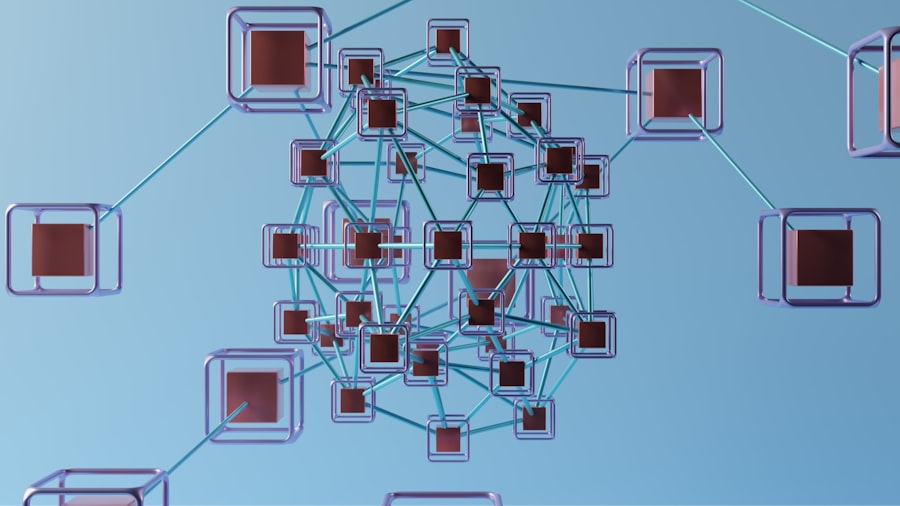
The effectiveness of any PRDP hinges on the sophisticated mechanisms it employs to achieve its objectives. These are the gears, levers, and sensors that enable the protocol to function, allowing it to sense the network’s state and respond accordingly.
Traffic Shaping and Policing
Traffic shaping involves controlling the rate at which data is sent into the network, smoothing out bursts and preventing congestion. Traffic policing, on the other hand, involves dropping or marking packets that exceed predefined thresholds.
Traffic Shaping Techniques
- Leaky Bucket Algorithm: A simple algorithm where packets are added to a bucket, and departures from the bucket occur at a constant rate. Any packets that overflow the bucket are discarded.
- Token Bucket Algorithm: Similar to the leaky bucket, but tokens are dispensed at a constant rate. Packets can only be sent if there are enough tokens in the bucket. This allows for controlled bursts of traffic.
Traffic Policing Techniques
- Single Rate Three Color Marker (srTCM): Divides packets into three categories: “committed” (always conform), “excess burst tolerance” (conform with some tolerance), and “violating” (exceed limits).
- Two Rate Three Color Marker (trTCM): Provides two rates: a peak rate and a sustained rate, offering more flexibility in policing.
Packet Prioritization and Queuing
When network resources are strained, packets must be managed in queues. PRDPs employ various queuing strategies to ensure that high-priority packets are serviced before lower-priority ones.
Queuing Disciplines
- First-In, First-Out (FIFO): The simplest queuing method where packets are processed in the order they arrive.
- Priority Queuing (PQ): Multiple queues are maintained, with higher-priority queues being serviced before lower-priority ones.
- Weighted Fair Queuing (WFQ): Assigns a virtual finishing time to each packet based on its flow’s weight, ensuring a fairer distribution of bandwidth over time.
- Deficit Round Robin (DRR): A variation of round-robin queuing that aims to provide a more accurate approximation of weighted fair queuing.
Admission Control
Admission control mechanisms determine whether a new flow of traffic should be admitted into the network, based on the network’s current capacity and the characteristics of the new flow. This is like a bouncer at a club, deciding who gets in based on capacity and the night’s requirements.
Admission Control Policies
- Resource Reservation: A new flow can only be admitted if sufficient resources can be reserved for its entire duration.
- Call Admission Control (CAC): Particularly common in voice and video streaming, CAC ensures that adding a new call will not degrade the quality of existing calls.
- Proportional Resource Allocation: New flows are allocated resources proportionally to their requested bandwidth or priority.
Resource Monitoring and Feedback Loops
Effective PRDPs rely on continuous monitoring of network conditions and the performance of resource allocation. This information is then used to adjust the protocols’ behavior, creating feedback loops that optimize performance over time.
Monitoring Metrics
- Bandwidth Utilization: The percentage of available bandwidth currently being used.
- Latency: The time it takes for a packet to travel from source to destination.
- Jitter: The variation in latency, which can be detrimental to real-time applications.
- Packet Loss Rate: The percentage of packets that are dropped during transmission.
Feedback Mechanisms
- Rate Adaptation: Adjusting the transmission rate of a flow based on observed congestion.
- Congestion Notification: Devices in the network signal congestion to senders, prompting them to reduce their transmission rates.
- Dynamic Policy Adjustment: The PRDP itself can adjust its internal parameters based on observed network performance.
Types of Private Network Ration Distribution Protocols in Practice
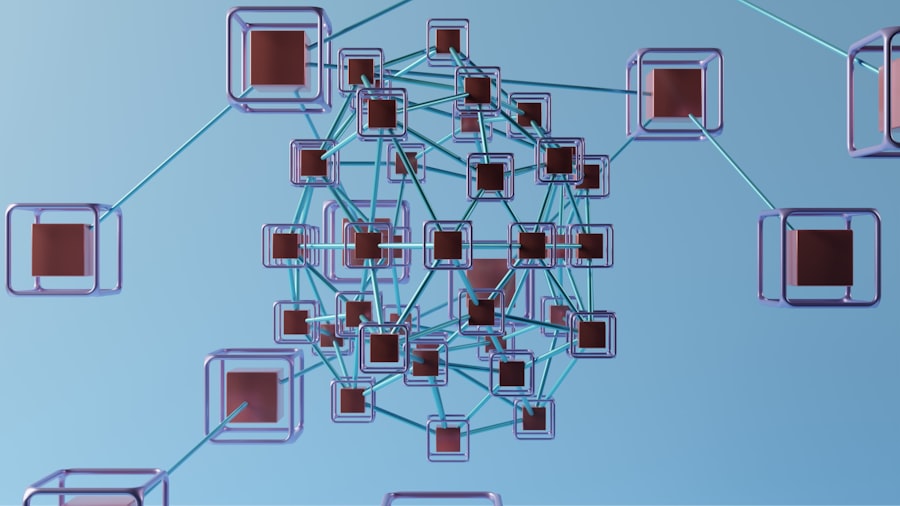
The theoretical underpinnings of PRDPs translate into practical implementations that organizations deploy to manage their networks. These are the actual tools and configurations that administrators use daily.
Bandwidth Management Protocols
These are perhaps the most common types of PRDPs, focusing on ensuring fair and efficient use of network bandwidth.
Integrated Services (IntServ)
- Description: IntServ is a signaling protocol that allows applications to explicitly request the resources they need from the network. It uses a reservation-based approach to guarantee Quality of Service (QoS).
- Mechanism: Flows establish per-flow state in each router along their path, ensuring guaranteed bandwidth and latency.
- Pros: Provides strong QoS guarantees.
- Cons: Can be complex to scale due to per-flow state in routers, limiting its applicability in very large networks.
Differentiated Services (DiffServ)
- Description: DiffServ operates on a different principle, classifying traffic into different “Per-Hop Behaviors” (PHBs) at the network edge. Routers then apply these PHBs to forward traffic without maintaining per-flow state.
- Mechanism: Routers are configured with different queueing and forwarding policies for different classes of traffic (e.g., a “expedited forwarding” class for delay-sensitive traffic).
- Pros: Scales well to large networks, less complex for individual routers.
- Cons: Does not provide absolute QoS guarantees, relies on marking packets correctly at the edge.
Congestion Control Protocols
These protocols are designed to prevent and mitigate network congestion, which can severely degrade performance.
Transmission Control Protocol (TCP) Congestion Control
- Description: TCP, the backbone of much internet communication, has sophisticated built-in congestion control mechanisms. It dynamically adjusts its sending rate based on perceived network congestion.
- Mechanism: Employs algorithms like Slow Start, Congestion Avoidance, Fast Retransmit, and Fast Recovery to infer congestion from packet loss and Round Trip Time (RTT) measurements.
- Pros: Highly effective in managing congestion on the public internet, widely adopted.
- Cons: Can be slow to react to sudden congestion events, may not be optimal for all private network scenarios where more tailored control is needed.
Explicit Congestion Notification (ECN)
- Description: ECN allows network devices to signal incipient congestion to end hosts without dropping packets. This allows senders to reduce their transmission rates proactively.
- Mechanism: Routers mark packets with a specific ECN flag when congestion is detected. The receiving host then relays this information back to the sending host, which throttles its sending rate.
- Pros: Can help avoid packet loss, enabling smoother traffic flow.
- Cons: Requires support from both network devices and end hosts.
Access Control Lists (ACLs) and Policy-Based Routing (PBR)
While not exclusively PRDPs, ACLs and PBR are fundamental tools used by administrators to influence how traffic flows and is prioritized, thereby playing a role in resource rationing.
Access Control Lists (ACLs)
- Description: ACLs are sets of rules that permit or deny traffic based on various criteria, such as source/destination IP address, port number, or protocol.
- Mechanism: Network devices inspect packets against the ACL and take the specified action (permit or deny). This can be used to indirectly ration resources by blocking non-essential traffic or limiting access to certain services.
- Pros: Simple to configure for basic traffic filtering.
- Cons: Can become complex to manage in large environments, limited in their ability to provide fine-grained QoS.
Policy-Based Routing (PBR)
- Description: PBR allows administrators to define routing decisions based on criteria other than the destination IP address, such as the source IP, protocol, or packet markings.
- Mechanism: Network devices can be configured to route traffic through different interfaces or apply specific QoS policies based on defined policies. This allows for intelligent steering of traffic to optimize resource utilization.
- Pros: Offers greater flexibility in traffic management than standard routing.
- Cons: Requires a good understanding of network topology and traffic patterns.
In the realm of private networks, effective ration distribution protocols are crucial for ensuring equitable resource allocation among users. A comprehensive understanding of these protocols can be found in a related article that delves into the intricacies of network management and optimization. For those interested in exploring this topic further, you can read more about it in this insightful piece on ration distribution protocols at this link. By examining the strategies outlined, network administrators can enhance their systems and improve overall performance.
The Future of Private Network Ration Distribution Protocols
| Protocol Name | Network Type | Rationing Method | Max Bandwidth Allocation | Priority Levels | Typical Use Case | Security Features |
|---|---|---|---|---|---|---|
| Token Bucket | Private LAN | Token-based rate limiting | Up to 1 Gbps | 3 (High, Medium, Low) | QoS for VoIP and video | Authentication, Encryption |
| Leaky Bucket | Private WAN | Fixed rate smoothing | Up to 500 Mbps | 2 (Critical, Non-critical) | Traffic shaping for data centers | Access Control Lists |
| Weighted Fair Queuing (WFQ) | Enterprise Network | Weighted bandwidth allocation | Up to 10 Gbps | 5 (Very High to Very Low) | Multi-service traffic management | Packet Inspection, Encryption |
| Priority Queuing (PQ) | Private Cloud | Strict priority scheduling | Up to 2 Gbps | 4 (Urgent, High, Medium, Low) | Critical application prioritization | Role-based Access Control |
| Class-Based Queuing (CBQ) | Campus Network | Class-based bandwidth allocation | Up to 1 Gbps | 3 (Premium, Standard, Best Effort) | Segmentation of user groups | Traffic Encryption, Authentication |
The evolution of private networks, driven by the increasing demands for bandwidth, the rise of IoT devices, and the advent of new applications like AI and machine learning, necessitates a continuous evolution of PRDPs. The protocols of tomorrow will be more intelligent, more adaptive, and more automated.
AI and Machine Learning in PRDPs
The integration of Artificial Intelligence (AI) and Machine Learning (ML) is poised to revolutionize PRDPs. AI/ML algorithms can learn complex traffic patterns, predict future demands, and dynamically adjust resource allocations with unprecedented accuracy. This moves beyond predefined rules to a truly adaptive system that can optimize resource utilization in real-time.
Predictive Resource Allocation
- ML models can analyze historical network data to predict traffic spikes and proactively allocate resources, preventing congestion before it occurs.
- This is akin to a seasoned meteorologist predicting a storm and pre-emptively reinforcing dikes, rather than waiting for floodwaters to rise.
Automated Policy Optimization
- AI agents can continuously monitor network performance and automatically adjust PRDP parameters to achieve optimal outcomes, without human intervention.
- This frees up network administrators to focus on more strategic tasks rather than constant tuning of existing protocols.
Software-Defined Networking (SDN) and Network Function Virtualization (NFV)
SDN and NFV provide the architectural foundation for more dynamic and programmable PRDPs. SDN decouples the control plane from the data plane, allowing for centralized control and programmability of network behavior. NFV enables the virtualization of network functions, making them more agile and scalable.
Centralized Control and Programmability
- SDN controllers can provide a global view of the network and orchestrate resource allocation across multiple devices.
- This enables the development of sophisticated PRDPs that can dynamically reconfigure network paths and allocate resources on the fly.
On-Demand Resource Provisioning
- NFV allows for the dynamic instantiation and scaling of network functions, enabling PRDPs to provision or de-provision resources as needed to meet fluctuating demands.
- This is like a power grid that can instantly ramp up or down generation to match consumer demand, ensuring efficiency and reliability.
Blockchain and Distributed Ledger Technologies in Resource Management
While still an emerging area for PRDPs, blockchain technology offers potential for secure, transparent, and tamper-proof resource allocation and accounting.
Decentralized and Trustless Allocation
- Blockchain can enable a distributed ledger of resource allocations, where each node can verify the authenticity of resource grants.
- This could prove invaluable in consortium networks or multi-organizational private networks where trust is a significant factor.
Verifiable Resource Usage Auditing
- The immutable nature of blockchain can provide irrefutable audit trails of resource consumption, enhancing accountability and transparency.
In conclusion, Private Network Ration Distribution Protocols are the unsung heroes of modern digital infrastructure. They are the silent guardians that ensure the smooth flow of information, the equitable sharing of precious bandwidth, and the overall stability and performance of private networks. As these networks become increasingly complex and demanding, the sophistication and intelligence of PRDPs will only continue to grow, adapting to new challenges and enabling the innovative applications of the future. They are not just technical mechanisms; they are the very architecture of order and efficiency in the digital realm.
FAQs
What are ration distribution protocols in private networks?
Ration distribution protocols in private networks are systematic methods used to allocate limited resources or bandwidth among users or devices within a private network to ensure fair and efficient usage.
Why are ration distribution protocols important in private networks?
These protocols help prevent network congestion, ensure equitable access to resources, and maintain optimal network performance by managing how resources are shared among multiple users or applications.
What types of resources are typically managed by ration distribution protocols?
Commonly managed resources include bandwidth, data packets, processing power, storage capacity, and access to specific network services or applications within the private network.
How do ration distribution protocols differ from public network protocols?
Ration distribution protocols in private networks are often customized to meet specific organizational needs, focusing on controlled access and resource allocation, whereas public network protocols are designed for broader, less restricted access and may prioritize scalability and interoperability.
Can ration distribution protocols be integrated with existing network management systems?
Yes, ration distribution protocols can typically be integrated with existing network management tools to provide comprehensive control over resource allocation, monitoring, and policy enforcement within private networks.