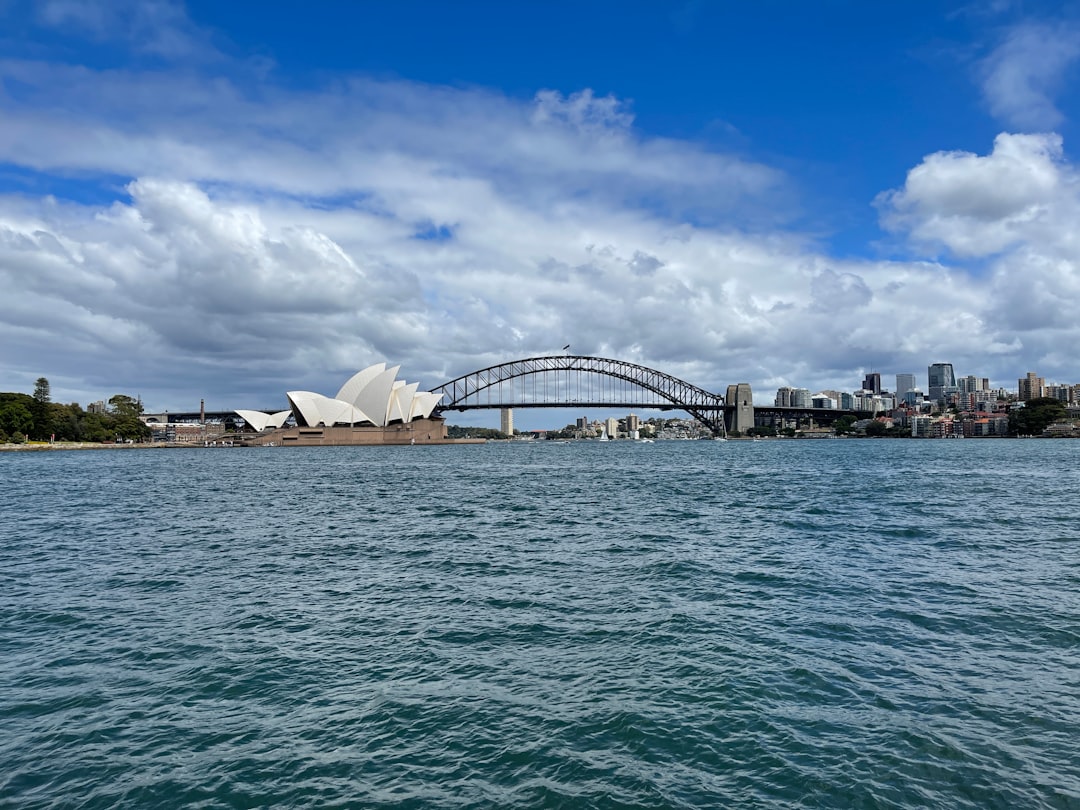
The whispers of the ocean are changing, not in their volume or ferocity, but in their reach. For generations, coastal communities have lived and thrived by the rhythm of the tides, their economies and cultures intrinsically woven with the bounty of the sea. However, a subtle yet profound shift is underway – the gradual retreat of the ocean’s edge. For local fishing communities, this is not a distant environmental concern but a palpable reality, impacting their livelihoods, traditions, and futures in myriad ways. Understanding the multifaceted impact of falling sea levels on local fishing requires a deep dive into the ecological, economic, and social consequences.
The phenomenon of falling sea levels, often referred to as “sea-level fall” or “relative sea-level fall,” is a complex interplay of geological and oceanic factors. While global sea levels have been rising due to climate change, localized areas can experience a drop due to a combination of tectonic uplift, sediment compaction, and changes in ocean currents that redistribute water masses. For a fishing village accustomed to a certain shoreline, this gradual withdrawal can feel like the land itself is slowly exhaling, pushing the ocean further away.
Geological and Tectonic Influences
In some regions, historical uplift rates of landmasses can counteract or even overcome the global trend of sea-level rise. This geological resilience means that while the world’s oceans may be inching upwards, specific coastlines are experiencing a net decrease in water depth. This can be due to the slow, inexorable movement of tectonic plates, causing land to rise over millennia. Imagine a giant, unseen hand gently pushing the seabed upwards, making the water appear to shrink.
Oceanic Dynamics and Water Redistribution
Beyond landmass movements, the very distribution of ocean water can contribute to localized sea-level fall. Ocean currents, vast underwater rivers, play a crucial role in transporting heat and water around the globe. Shifts in these currents, driven by factors such as changes in atmospheric pressure, wind patterns, and even the melting of ice sheets in distant polar regions, can lead to the accumulation of water in some areas and its withdrawal from others. A subtle redirection of these oceanic highways can leave some shores feeling parched, while others are inundated.
Sediment Compaction and Subsidence
In areas with significant alluvial deposits, such as deltas and estuaries, the weight of accumulated sediment can cause the underlying land to compact and sink, a process known as subsidence. While this is technically land sinking, it results in a relative sea-level fall at the surface. Think of a sponge that has absorbed years of mud and silt; with time, its structure weakens, and it begins to compress, making the water level above it appear to drop.
The impact of falling sea levels on local fishing communities is a topic of growing concern, as it can significantly alter marine ecosystems and the availability of fish stocks. A related article that delves into this issue can be found at My Geo Quest, where researchers discuss how changes in salinity and habitat loss due to declining sea levels may affect the livelihoods of fishermen and the sustainability of local fisheries. Understanding these dynamics is crucial for developing adaptive strategies to support both the environment and the communities that rely on it.
Shifting Marine Habitats: Fishing Grounds in Flux
The most immediate and perhaps the most profound impact of falling sea levels on local fishing lies in the alteration of marine habitats. Fish, like all living organisms, are intimately connected to their environment. When that environment changes, their distribution, abundance, and even the species themselves can shift. For fishing communities, this means their traditional fishing grounds, the bread and butter locations cultivated over generations, are no longer reliable sources of sustenance and income.
The Retreat of Coastal Marshes and Mangroves
Coastal wetlands, such as salt marshes and mangrove forests, are nurseries of the sea. They provide crucial breeding grounds, shelter, and foraging areas for a vast array of fish species, including many of commercial importance. As sea levels fall, these vital ecosystems are left stranded, their inundation patterns disrupted. The salt content of the water can alter, and the submerged roots that once provided refuge may become exposed. This is akin to a farmer finding their most fertile fields suddenly becoming too dry to cultivate.
Impact on Juvenile Fish Populations
Juvenile fish are particularly vulnerable to habitat changes. Shallow, protected waters are essential for their survival, offering protection from predators and ample food sources. The retreat of these nursery grounds directly impacts the recruitment of new fish into adult populations, creating a domino effect that can lead to significant declines in catches for years to come. The loss of these safe havens is like evicting young families from their protective homes.
Altered Salinity Gradients and Species Distribution
The salinity of an estuarine environment is a delicate balance, dictated by the ebb and flow of tides and freshwater input. Falling sea levels can disrupt these salinity gradients, pushing the saltwater further out or creating areas of hypersalinity. Many fish species have specific salinity tolerances, and even small shifts can force them to relocate or perish. This can lead to the disappearance of familiar species from traditional fishing grounds and the potential, albeit uncertain, appearance of new ones.
Changes in Subtidal Zones and Reef Systems
Beneath the waves, subtidal zones and nearshore reef systems are also experiencing a metamorphosis. As the water recedes, the depth of these areas decreases. This can lead to increased sedimentation, reduced light penetration for photosynthetic organisms, and altered water temperatures. For species that thrive in specific depths or require the complex structures of reefs for shelter and feeding, these changes can be devastating.
Increased Sedimentation and Turbidity
Lower water levels can mean stronger currents in shallower areas, leading to increased erosion of the seabed and the resuspension of sediment. This increased turbidity can smother benthic organisms, reduce visibility for predatory fish, and disrupt the delicate ecosystems of coral reefs. It’s like trying to see through a perpetual dust storm underwater.
Light Penetration and Marine Vegetation
The depth of water directly influences the amount of sunlight that reaches the seafloor. With falling sea levels, light penetration may decrease in some areas due to increased turbidity, impacting seagrass beds and other algae that form the base of the food web. Conversely, in other areas, reduced depth might lead to increased light and the potential for invasive algal blooms if nutrients are present.
The Widening Intertidal Zone
The intertidal zone, the area between high and low tide marks, is expanding. This can be beneficial for some species that inhabit this niche, but it also creates a more exposed environment. For mobile species, the increased distance between their preferred foraging grounds at low tide and their deeper water refuges at high tide can be a significant challenge.
Economic Repercussions: The Empty Nets and Shifting Markets
The ecological shifts inevitably translate into profound economic consequences for local fishing communities. The reliability of catches is the bedrock of their economies, and this bedrock is beginning to crumble. The familiar fishing grounds are no longer guaranteed producers, forcing a painful adaptation.
Reduced Catch Sizes and Species Diversity
As fish populations decline in traditional areas or relocate to deeper waters, fishermen find themselves returning to shore with increasingly meager catches. The days of predictable hauls are becoming a rarer commodity. Furthermore, the shift in species distribution means that the fish being caught may be less commercially valuable, or the traditional markets for certain species may shrink due to their reduced availability. Imagine a farmer who can only harvest stunted crops, or crops that are no longer in demand.
The Cost of Longer Voyages and Deeper Waters
To access new fishing grounds, which are often located further offshore in deeper waters, fishing vessels must expend more fuel and time. This increases operational costs significantly. The specialized equipment needed for deep-sea fishing may also be beyond the reach of smaller, traditional fishing operations, creating an uneven playing field. The journey to the supermarket is now a cross-country trek, and you need a bigger, more expensive car to get there.
Impact on Processing and Related Industries
The economic ripple effect extends beyond the fishermen themselves. Fish processing plants, wholesale markets, and local restaurants that rely on fresh, locally caught seafood will also experience a decline in business. The entire value chain, from the boat to the diner, is interconnected and sensitive to the health of the fishing industry.
The Globalization of Fishing and Competition
As local catches diminish, there is an increased reliance on imported seafood. This can put local fishermen at a competitive disadvantage, as larger, more efficient fishing fleets from other regions may be able to supply the market at lower prices. The unique identity of a region’s seafood, once a point of pride, can be diluted by a surge of generic, mass-produced alternatives.
The Loss of Traditional Livelihoods and Skills
Beyond the direct economic losses, there is a cultural and social cost. Many fishing communities have traditions and skills that have been passed down through generations. The decline of local fishing can lead to the erosion of these traditions, the loss of specialized knowledge, and the emigration of younger generations seeking opportunities elsewhere. The wisdom of the sea, honed over centuries, risks being lost like a forgotten language.
Navigating the Future: Adaptation and Innovation in Fishing
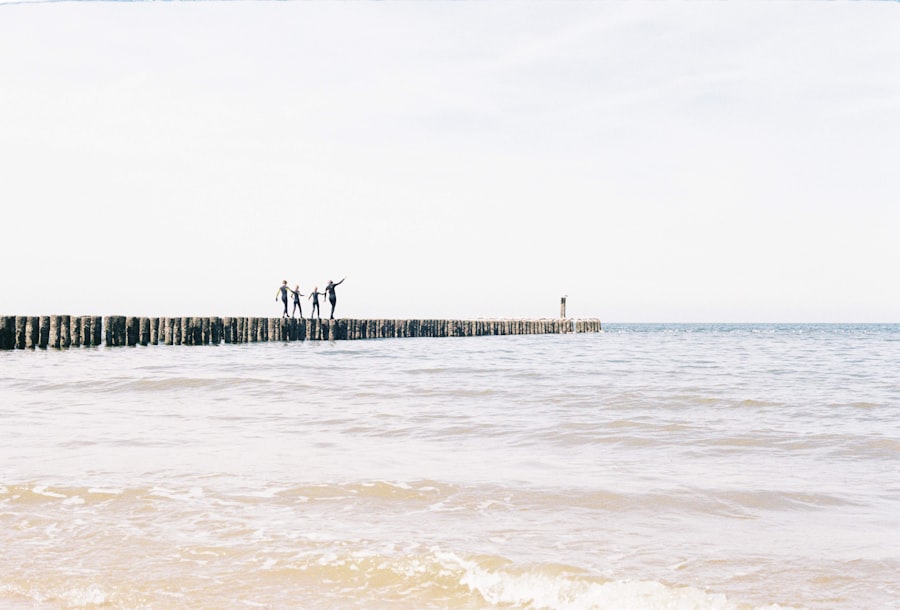
The challenges posed by falling sea levels are significant, but they are not insurmountable. Local fishing communities are not passively accepting their fate; they are actively seeking ways to adapt and innovate in the face of these changing tides. This period of adjustment is a testament to human resilience and ingenuity.
Diversification of Target Species and Fishing Methods
Fishermen are beginning to explore new species that may be more abundant in deeper waters or in newly formed habitats. This often requires learning new fishing techniques and investing in different types of gear. The traditional knowledge of the sea is being augmented by scientific research and technological advancements.
Exploring Deeper Water Fisheries
As traditional nearshore grounds become less productive, the focus shifts to what lies beneath the deeper blue. This can involve different types of trawling, longlining, or even the use of advanced sonar to locate schools of fish. Each new fishing ground is like an unexplored continent waiting to be mapped.
Aquaculture and Sustainable Farming
In some coastal regions, aquaculture is emerging as a viable alternative or complement to traditional fishing. The controlled environment of fish farms can offer a more predictable source of seafood and reduce the pressure on wild fish populations. This is akin to cultivating an orchard rather than relying solely on foraging in the wild.
Embracing Technology and Scientific Research
Modern technology is playing a crucial role in helping fishermen to adapt. GPS, sonar, and sophisticated weather forecasting systems allow them to navigate more safely and efficiently to new fishing grounds. Scientific research into fish migration patterns, habitat requirements, and population dynamics provides valuable data for informed decision-making.
Data-Driven Fishing Strategies
Understanding where fish are likely to be, based on real-time data and predictive models, is transforming fishing practices. This moves away from relying solely on historical knowledge to a more scientific approach to resource management. It’s like having a sophisticated weather app that predicts not just rain, but also where the fish will be biting.
The Role of Marine Biologists and Conservationists
Collaboration with marine biologists and conservationists is essential. These experts can provide insights into the health of marine ecosystems, identify potential new fishing opportunities, and help to develop sustainable fishing practices that ensure the long-term viability of the industry.
Community Resilience and Policy Advocacy
The strength of a fishing community lies not just in its individual members but in its collective ability to adapt and advocate for its needs. This includes fostering a sense of shared purpose, supporting one another through difficult times, and engaging with policymakers to ensure that their concerns are heard and addressed.
Local Management and Stewardship Initiatives
Many fishing communities are taking a proactive role in managing their local marine resources. This can involve establishing marine protected areas, setting catch limits, and implementing best practices to minimize their environmental impact. They are becoming the guardians of their own waters.
Advocating for Supportive Policies and Funding
Government policies and funding play a critical role in supporting the adaptation of fishing communities. This can include subsidies for purchasing new equipment, grants for research and development, and regulations that ensure fair competition and sustainable practices. Their voices need to be amplified to policymakers.
The impact of falling sea levels on local fishing communities is a topic of growing concern among environmentalists and fishermen alike. As coastal ecosystems shift, the availability of fish species that rely on specific habitats may change, affecting the livelihoods of those who depend on fishing. For a deeper understanding of this issue, you can explore a related article that discusses these dynamics in detail. The article highlights how changes in salinity and habitat loss can disrupt local fisheries, ultimately influencing both the economy and food security in coastal regions. To read more about this important topic, visit this article.
The Cultural Echo: Preserving Identity in a Changing Ocean
| Metric | Impact Description | Potential Consequences | Mitigation Strategies |
|---|---|---|---|
| Fish Population Density | Reduction in habitat due to lower water levels | Decline in fish stocks, reduced catch sizes | Habitat restoration, sustainable fishing limits |
| Fishing Area Size | Decrease in accessible fishing zones | Increased competition among fishers, overfishing risk | Fishing zone management, alternative livelihood programs |
| Water Salinity Levels | Changes due to altered sea water intrusion | Shift in species composition, loss of sensitive species | Monitoring salinity, adaptive fishing practices |
| Local Fishermen Income | Reduced catch leading to lower earnings | Economic hardship, migration from fishing communities | Diversification of income sources, financial support |
| Fish Breeding Grounds | Exposure or loss of breeding habitats | Lower reproduction rates, long-term stock decline | Protection of breeding sites, artificial breeding programs |
The impact of falling sea levels extends far beyond the economic. For coastal communities, the ocean is not just a source of sustenance; it is the wellspring of their identity, their stories, and their way of life. The changing sea level is not just altering catch sizes; it is subtly but surely reshaping the cultural fabric of these places.
The Erosion of Traditional Practices and Folklore
Fishing traditions, passed down through generations, are deeply intertwined with the ocean’s rhythms. As the sea retreats, the traditional fishing grounds may become inaccessible, and the species that were once central to local cuisine and folklore may become scarce. This can lead to a sense of loss and disconnection from ancestral heritage. Imagine a library where cherished books are slowly disappearing from the shelves.
Stories and Songs of the Sea
The songs, stories, and proverbs that have shaped the cultural identity of fishing communities are often directly linked to the bounty and behaviors of the sea. The disappearance of certain fish species or the alteration of traditional fishing methods can mean that these narratives lose their immediate relevance, or their historical context becomes harder to grasp for younger generations. The echoes of old sea shanties may fade.
Culinary Traditions and Local Delicacies
The unique culinary heritage of many coastal regions is built around the specific seafood available in their waters. As these become less common, traditional recipes and the art of preparing local delicacies face the threat of extinction. The flavors that define a place might literally begin to disappear from the dinner plate.
The Challenge of Maintaining Community Cohesion
Economic hardship and the potential for emigration can strain the social fabric of fishing communities. As younger generations seek opportunities elsewhere, the close-knit bonds that have historically characterized these villages can weaken. The sense of shared identity and collective purpose that has sustained them for so long is put to the test.
Generational Gaps and Knowledge Transfer
The challenge of transferring traditional fishing knowledge to younger generations becomes more acute when the traditional practices themselves are no longer viable. This can create a generational gap, with older fishermen holding onto a way of life that their children may not be able to replicate. The torch of experience risks being passed to hands that cannot grasp it firmly.
The Psychology of Loss and Uncertainty
The constant uncertainty about future catches and the potential permanent alteration of their livelihoods can create significant psychological stress within fishing communities. The anxiety of not knowing what the next tide will bring is a heavy burden.
Reimagining Identity: A Future Connected to the Sea
Despite these challenges, many fishing communities are demonstrating remarkable resilience and a commitment to preserving their connection to the sea. This often involves reimagining their identity in a way that acknowledges the changing environment while still celebrating their heritage.
Ecotourism and Cultural Heritage Preservation
Some communities are leveraging their unique cultural heritage and connection to the sea to develop ecotourism ventures. This can include offering guided fishing trips, maritime history tours, or culinary experiences that highlight their traditions. It’s about transforming their legacy into a living experience for others.
Embracing a Broader Definition of Maritime Livelihoods
The notion of “fishing” is expanding. Communities are exploring related maritime activities, such as marine soundscape recording, underwater photography, or the sustainable harvesting of seaweed and other marine resources, broadening their economic base while staying connected to the ocean.
The story of falling sea levels and its impact on local fishing is a complex narrative of ecological change, economic adaptation, and cultural resilience. As the ocean redraws its boundaries, these communities, like ancient mariners navigating uncharted waters, are charting a new course. Their journey is not just about catching fish; it is about preserving a way of life, an identity, and a profound connection to the ever-changing, yet enduring, sea. The continued understanding and support for these communities are vital as they strive to find stable ground in an increasingly fluid world.
FAQs
What causes sea levels to fall?
Sea levels can fall due to factors such as decreased ocean temperatures causing water to contract, increased ice sheet formation on land, or changes in ocean currents. However, falling sea levels are less common globally compared to rising sea levels caused by climate change.
How do falling sea levels affect local fishing communities?
Falling sea levels can alter coastal ecosystems, reduce the availability of fish habitats, and impact breeding grounds. This can lead to decreased fish populations, making it harder for local fishermen to catch fish and sustain their livelihoods.
What changes occur in marine habitats when sea levels fall?
When sea levels fall, shallow coastal areas may become exposed, leading to loss of wetlands and estuaries. These habitats are crucial for many fish species for spawning and feeding, so their reduction can negatively affect marine biodiversity.
Can falling sea levels improve fishing conditions in any way?
In some cases, falling sea levels might expose new fishing grounds or concentrate fish in smaller water bodies, potentially making them easier to catch. However, these benefits are often outweighed by the overall negative impacts on fish populations and ecosystem health.
What measures can local fishing communities take to adapt to falling sea levels?
Communities can diversify their fishing practices, invest in aquaculture, engage in habitat restoration projects, and collaborate with scientists to monitor environmental changes. Adapting to changing sea levels also involves sustainable fishing practices to protect remaining fish stocks.