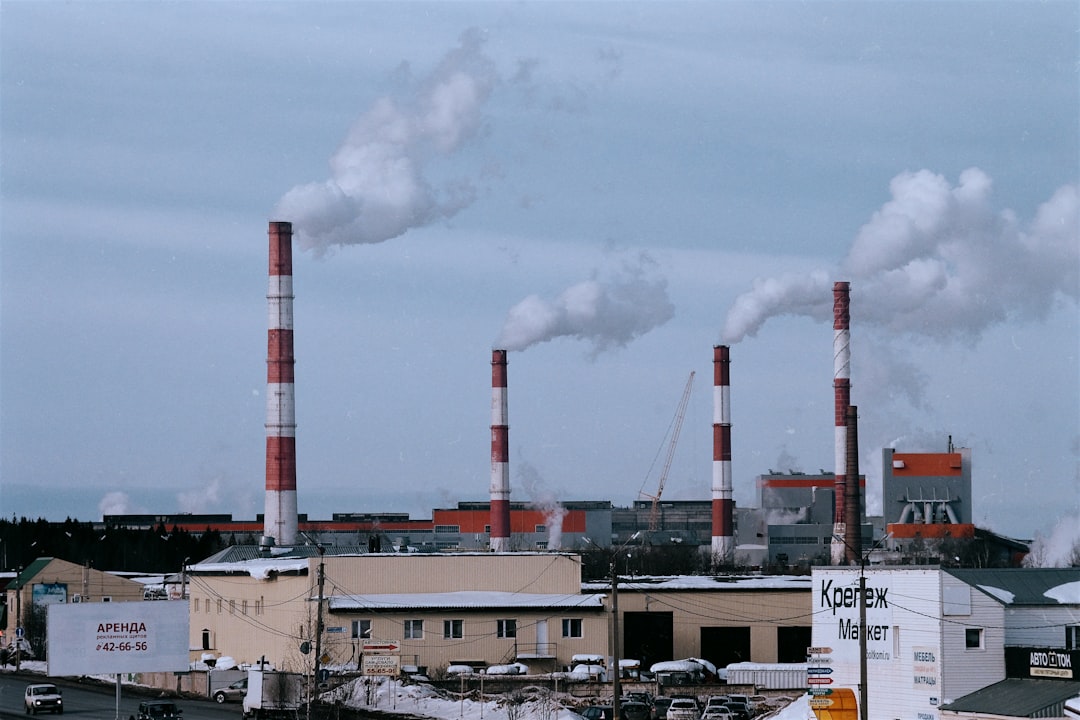
The carbon intensity of Caspian Sea crude oil, a critical metric for understanding its environmental footprint, has become a focal point of analysis as the world grapples with climate change. This article undertakes a comparative analysis, examining the factors that contribute to the carbon intensity of oil extracted from this unique region and contrasting it with global benchmarks. The Caspian Sea, a vast inland body of water, is a significant producer of crude oil, with production being carried out by several nations bordering its shores. As the demand for energy continues to climb, and the imperative to decarbonize grows, understanding the nuances of carbon emissions associated with different oil sources is paramount. Your journey through this analysis will illuminate the complexities and challenges inherent in assessing the environmental performance of Caspian crude.
The carbon intensity of crude oil is not a static figure; it is a sum of emissions generated across its entire lifecycle. This encompasses everything from the initial exploration and drilling activities to extraction, processing, transportation, and ultimately, the combustion of the fuel itself. For Caspian Sea crude, these stages each contribute their own distinct carbon signature.
Exploration and Drilling Footprint
The initial phase of bringing oil to the surface, exploration and drilling, can be a precursor to significant greenhouse gas (GHG) emissions. This involves seismic surveys, often using large air guns that generate underwater sound waves, which can have an impact on marine life as well as requiring energy-intensive vessels. Following successful seismic surveys, the drilling operations themselves demand substantial amounts of energy. This energy is typically derived from diesel generators, which release carbon dioxide (CO2), methane (CH4), and nitrous oxide (N2O) into the atmosphere. The construction of drilling platforms, whether onshore or offshore, also carries an embedded carbon cost, associated with the manufacture of steel, concrete, and other materials. For the Caspian, the geological complexity and, in many areas, the remoteness of the fields necessitate extended drilling campaigns, potentially exacerbating these emissions. Think of this initial phase like laying the foundation of a house; the materials and energy required to establish the base are foundational to its eventual footprint.
Extraction and Production Processes
Once a reservoir is tapped, the extraction process itself becomes a major source of emissions. Crude oil, as it is brought to the surface, is often accompanied by associated gas, a mixture of hydrocarbons, primarily methane. Venting this gas directly into the atmosphere is a practice that releases potent GHGs, significantly increasing the carbon intensity of the crude. Flaring, the controlled burning of this associated gas, is a more environmentally preferable option compared to venting, as it converts methane into CO2, which has a lower global warming potential over shorter timescales. However, flaring is not emission-free and still represents a loss of valuable resources and a source of atmospheric pollutants. The energy required to power pumps, compressors, and other extraction equipment also contributes to the overall carbon footprint, often relying on fossil fuel-fired power generation. In the Caspian, where some fields are mature and require enhanced oil recovery (EOR) techniques, the energy demands can be even higher, compounding the emissions.
Processing and Refining Stages
The journey from crude oil to usable fuels involves extensive processing and refining. These facilities are energy-intensive operations, requiring vast amounts of heat and electricity. Distillation, cracking, and other refining processes consume significant quantities of natural gas and electricity, directly contributing to CO2 emissions. The efficiency of these refineries plays a crucial role in determining the final carbon intensity. Older, less efficient refineries tend to have higher emissions per barrel of refined product. Furthermore, the release of fugitive emissions – unintended leaks of hydrocarbons from pipes, valves, and other equipment – can also add to the overall GHG burden during refining.
Transportation’s Carbon Tailpipe
The movement of crude oil from the extraction site to refineries and then to consumers adds another layer to its carbon intensity. This is often a lengthy and energy-intensive process, especially for Caspian crude, which is landlocked and requires a complex network of pipelines and tankers to reach global markets. The construction and operation of these pipelines, including pumping stations, consume energy. Maritime transport, utilizing oil tankers, is a significant contributor to global GHG emissions, with larger vessels burning substantial amounts of heavy fuel oil. The further the oil has to travel, the larger its transportation-related carbon footprint becomes. Consider this as the highway mileage; the longer the journey, the more fuel is consumed and the greater the emissions.
The carbon intensity of Caspian Sea crude oil has significant implications for global energy markets and environmental policies. For a deeper understanding of this topic, you can explore a related article that discusses the environmental impact and the future of oil production in the region. To read more, visit this article.
Upstream Emissions: The Frontier of Impact
The upstream segment of the oil and gas value chain encompasses exploration, drilling, and initial production. For Caspian Sea crude, the characteristics of its upstream operations often dictate a substantial portion of its overall carbon intensity. Analyzing these emissions provides a granular view of the challenges and opportunities for reduction.
Methane Emissions: A Potent Contributor
Methane, a greenhouse gas with a warming potential over 80 times that of CO2 over a 20-year period, is a primary concern in upstream operations. Sources of methane emissions include venting of associated gas, leaks from valves and pipelines (fugitive emissions), and incomplete combustion during flaring. In regions with older infrastructure or less stringent regulatory oversight, methane emissions can be particularly pronounced. The Caspian Sea region presents a mixed picture, with some operators implementing advanced leak detection and repair (LDAR) programs while others may lag. Focusing on reducing methane “super-emitters” – singular, large leaks – can offer significant carbon mitigation benefits, acting like plugging a gaping hole in a dam.
Energy Consumption in Extraction
The energy required to extract crude oil varies significantly depending on reservoir characteristics and production methods. Deepwater fields, for instance, generally demand more energy for drilling and extraction compared to shallow water or onshore reserves. Enhanced oil recovery (EOR) techniques, such as steam injection or gas injection, can further increase energy consumption. The carbon intensity of the electricity and fuel used to power these operations directly translates to the carbon intensity of the crude oil. Regions relying heavily on diesel generators or inefficient power grids will naturally exhibit higher upstream carbon intensities.
Water Management and Its Carbon Cost
Water is often used in oil extraction, particularly in practices like water flooding for reservoir pressure maintenance. The treatment, transportation, and disposal of produced water, which can be saline and contain hydrocarbons or other contaminants, require energy. The carbon footprint associated with these water management processes, though perhaps less visible than methane leaks, can still be a notable contributor to upstream emissions.
Midstream and Downstream Emission Profiles
Beyond the wellhead, the midstream (transportation and storage) and downstream (refining and distribution) sectors also contribute significantly to the overall carbon intensity of Caspian Sea crude oil. These stages are crucial in bridging the gap from raw material to finished product.
Pipeline Infrastructure and Energy Demands
The extensive network of pipelines used to transport crude oil from Caspian fields to processing facilities and export terminals is a major component of midstream emissions. Pumping stations located along these pipelines require considerable amounts of energy to maintain pressure and flow. The construction of these pipelines, involving excavation, welding, and material transportation, also carries an embedded carbon cost. The efficiency of these pumping stations and the overall design of the pipeline network can influence their environmental impact.
Tanker Transport Emissions
For Caspian crude destined for international markets, maritime transport via oil tankers is a substantial emission source. These vessels, often fueled by heavy fuel oil, release CO2, sulfur oxides (SOx), and nitrogen oxides (NOx) into the atmosphere. The size of the tanker, the distance traveled, and the operational efficiency of the vessel all contribute to its carbon footprint. The need for transshipment, where oil is transferred from one vessel to another, can further add to these emissions. Understanding the “long tail” of transportation is vital for a complete picture.
Refining Efficiency Variations
The efficiency of refineries in processing crude oil into usable products is a critical determinant of downstream carbon intensity. Modern, highly integrated refineries with advanced technologies tend to be more energy-efficient and produce fewer emissions per barrel than older, less sophisticated facilities. The types of products produced also matter; light crude oils that require less severe processing generally have a lower refining footprint than heavy or sour crudes. The energy mix used by refineries, whether dominated by natural gas or more carbon-intensive fuels, also plays a significant role.
Comparative Analysis: Caspian Sea vs. Global Averages
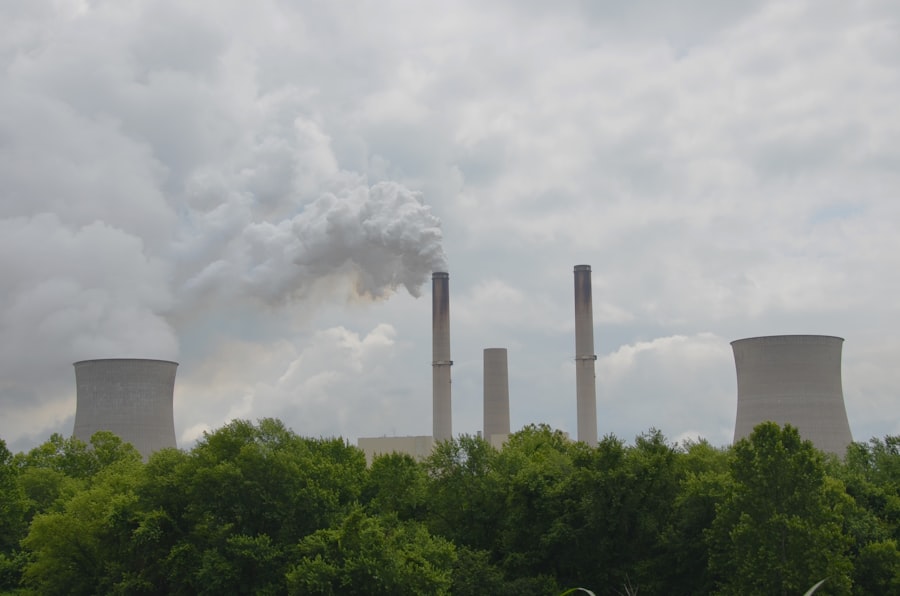
To truly understand the carbon intensity of Caspian Sea crude oil, it is essential to place it in a global context. This comparative analysis reveals regional strengths and weaknesses, highlighting areas where improvements can be most impactful.
Benchmarking Against Global Oil Producers
Various studies and industry reports provide benchmarks for the carbon intensity of crude oil from different regions. Onshore production in regions with established infrastructure and access to efficient power grids often exhibits lower carbon intensities. Conversely, deepwater exploration, unconventional oil extraction (like oil sands), and production in regions with significant associated gas flaring tend to have higher carbon intensities. The Caspian Sea’s position on this spectrum is influenced by a multitude of factors, including the maturity of its fields, the prevalent production technologies, and the regulatory environment governing emissions. Your discovery here will reveal whether Caspian oil is a relative outlier or sits within the broader bell curve.
The Impact of Infrastructure and Technology
The age and technological sophistication of oil production infrastructure in the Caspian play a significant role in its carbon intensity. Older fields often rely on legacy equipment that may be less energy-efficient and more prone to leaks. Conversely, newer projects often incorporate advanced technologies designed to minimize emissions, such as gas reinjection systems and improved flare gas recovery. The investment in modernizing existing infrastructure and deploying cutting-edge technologies can therefore be a powerful lever for reducing the carbon footprint of Caspian crude. This is akin to upgrading from an old, gas-guzzling car to a new, fuel-efficient model.
Regulatory Frameworks and Emissions Standards
The presence and enforcement of robust environmental regulations and emissions standards significantly influence the carbon intensity of oil production. Countries with stringent regulations on methane venting and flaring, and those that mandate best available techniques (BAT) for emission control, are likely to see lower carbon intensities from their oil production. The Caspian Sea region, bordered by multiple nations with varying regulatory approaches, presents a complex landscape where compliance and enforcement can differ. A stronger regulatory hand on the tiller can steer towards lower emissions.
Recent studies have highlighted the carbon intensity of Caspian Sea crude oil, shedding light on its environmental impact compared to other oil sources. For a deeper understanding of this topic, you can explore a related article that discusses the implications of carbon emissions in the oil industry. This insightful piece provides valuable context on how the extraction and processing of crude oil from the Caspian region contribute to global carbon footprints. To read more about this important issue, visit this article.
Future Outlook and Mitigation Strategies
| Metric | Value | Unit | Notes |
|---|---|---|---|
| Carbon Intensity | 15.5 | kg CO2e per barrel | Estimated lifecycle emissions including extraction and refining |
| Extraction Emissions | 7.2 | kg CO2e per barrel | Emissions from production and extraction processes |
| Refining Emissions | 6.8 | kg CO2e per barrel | Emissions from refining crude oil to usable products |
| Transportation Emissions | 1.5 | kg CO2e per barrel | Emissions from shipping and pipeline transport |
| Energy Intensity | 5.0 | MJ per kg of crude oil | Energy required for extraction and processing |
The global drive towards decarbonization necessitates a proactive approach to reducing the carbon intensity of all energy sources, including Caspian Sea crude oil. Several strategies can be employed to mitigate these emissions and make the production and consumption of this resource more sustainable.
The Role of Carbon Capture, Utilization, and Storage (CCUS)
Carbon capture, utilization, and storage (CCUS) technologies offer a promising avenue for reducing GHG emissions from oil and gas operations. CO2 can be captured at the source, such as from refining processes or associated gas processing, and then either utilized in other industrial applications or stored permanently underground. Implementing CCUS in Caspian oil facilities could significantly reduce their carbon footprint, effectively acting as an industrial-scale carbon scrubber.
Enhancing Energy Efficiency in Operations
A fundamental strategy for reducing carbon intensity is to improve energy efficiency across all stages of the oil lifecycle. This includes optimizing drilling operations, upgrading pumping stations in pipelines, investing in more energy-efficient refining technologies, and improving the fuel efficiency of transport vessels. Small incremental gains in efficiency, when applied across a vast industry, can lead to substantial cumulative emission reductions.
Addressing Methane Leakage and Flaring REDUCTION
Targeting methane emissions, particularly through enhanced leak detection and repair programs and by maximizing the utilization of associated gas, is a critical priority.Reducing flaring also directly lowers GHG emissions. Investing in infrastructure for gas gathering and processing, and ensuring that captured gas is used for power generation or other beneficial purposes, rather than vented or flared, can significantly degrease the carbon intensity. This is about stopping leaks before they become floods of emissions.
Development of Low-Carbon Fuels and Alternatives
Ultimately, a long-term solution to the carbon intensity of fossil fuels lies in the transition to lower-carbon and renewable energy sources. While this article focuses on improving the carbon intensity of existing crude oil, it is important to acknowledge that the most impactful strategy for reducing emissions from energy consumption is the gradual displacement of fossil fuels with cleaner alternatives. The ongoing exploration and development of renewable energy technologies, such as solar, wind, and green hydrogen, will play a pivotal role in this transition. The journey from oil dependence to a low-carbon future is a marathon, not a sprint, and while optimizing the current race is important, preparing for the next one is essential.
FAQs
What is the carbon intensity of Caspian Sea crude oil?
The carbon intensity of Caspian Sea crude oil refers to the amount of carbon dioxide emissions produced per unit of energy generated from this oil. It varies depending on the extraction, processing, and transportation methods used in the region.
How does Caspian Sea crude oil’s carbon intensity compare to other oil sources?
Caspian Sea crude oil generally has a moderate carbon intensity compared to other global oil sources. Its carbon footprint depends on factors such as the oil’s quality, extraction technology, and infrastructure efficiency.
What factors influence the carbon intensity of Caspian Sea crude oil?
Key factors include the type of crude oil (light or heavy), extraction techniques, energy sources used in production, flaring practices, and transportation logistics. Environmental regulations and technological advancements also play a role.
Why is understanding the carbon intensity of Caspian Sea crude oil important?
Understanding carbon intensity helps in assessing the environmental impact of using this oil, guiding policy decisions, improving sustainability practices, and informing consumers and investors about the climate implications of energy choices.
Are there efforts to reduce the carbon intensity of Caspian Sea crude oil production?
Yes, initiatives include adopting cleaner extraction technologies, reducing gas flaring, improving energy efficiency, and investing in carbon capture and storage. Regional cooperation and international support also aim to lower the overall carbon footprint.