The expansion of Kuryk Port, a strategic gateway on the Caspian Sea, is significantly enhancing ferry logistics, reshaping regional trade routes and offering a vital link for multimodal transportation. This development is not merely an incremental upgrade; it represents a substantial investment in infrastructure designed to unlock greater efficiency and capacity for the movement of goods and passengers across the Caspian basin. The project’s multifaceted approach addresses bottlenecks that have historically hampered seamless transit, positioning Kuryk as a pivotal node in a progressively interconnected Eurasian transport network. For those involved in international trade, supply chain management, or simply traveling across the Caspian, understanding the ramifications of this port’s evolution is becoming increasingly critical as it directly impacts the flow of commerce and connectivity.
The development of Kuryk Port has centered on increasing the volume of vessels it can accommodate and accelerating the speed at which they can be serviced. This dual focus is a cornerstone of improving ferry logistics, as it directly correlates to the overall efficiency and economic viability of maritime transport.
Infrastructure Expansion and Dredging
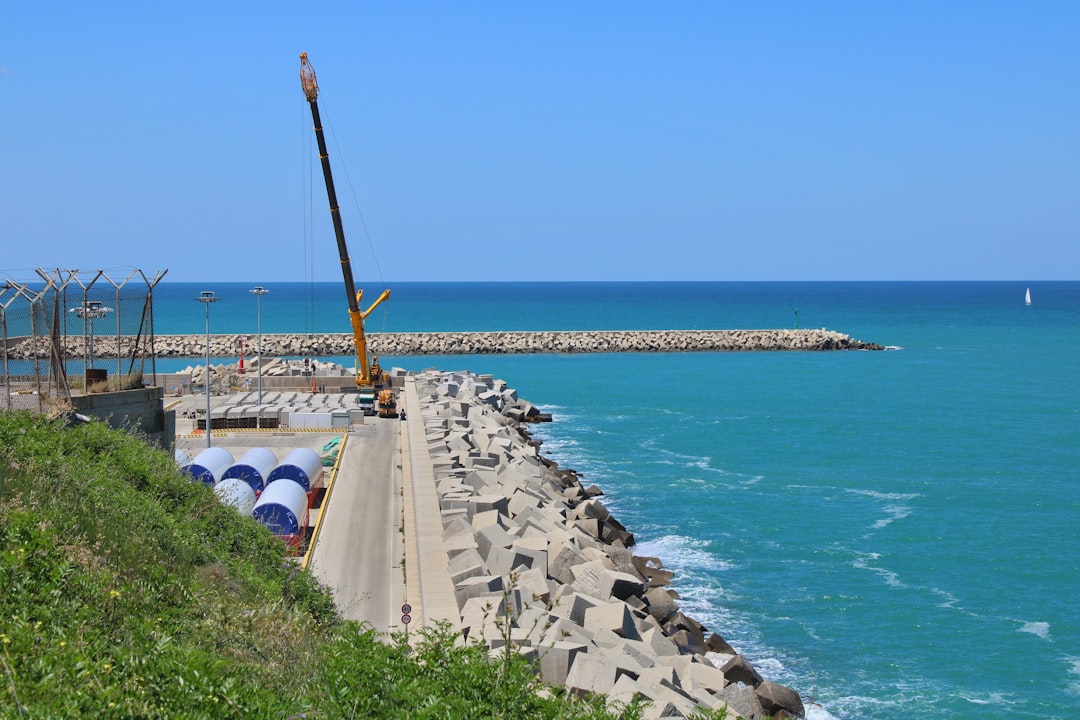
A primary component of the port’s enhancement has been the expansion of its quay infrastructure. New berths have been constructed, allowing for simultaneous docking of a greater number of ferries. This is akin to adding more lanes to a busy highway, allowing traffic to flow more fluidly and reducing congestion. These expanded docking facilities are designed to accommodate various vessel types and sizes, offering flexibility in scheduling and increasing the port’s overall capacity.
Furthermore, significant dredging operations have been undertaken. The Caspian Sea, while a vital waterway, has varying depths, which can limit the types of vessels that can safely navigate into and out of ports. By deepening the approach channels and the harbor basin, Kuryk Port can now welcome larger, more modern ferries that were previously unable to call at the port. This effectively broadens the port’s operational envelope, attracting shipping lines with larger capacity vessels and thus increasing the potential cargo volume per voyage. The dredged depths are maintained to international maritime standards, ensuring safe passage for a wider spectrum of the global ferry fleet.
Modernized Loading and Unloading Facilities
Beyond simply providing more space, the port development includes the installation of modern equipment for loading and unloading. This includes advanced cargo handling systems, such as specialized ramps and lifting gear, designed to expedite the transfer of vehicles and containers. The mechanization of these processes reduces reliance on manual labor, which is often slower and more prone to error. The efficiency gains here translate directly into reduced turnaround times for ferries. When a ferry can be loaded and unloaded more quickly, it can depart sooner for its next destination, thereby increasing its operational hours and reducing the time it spends idle in port. For ferry operators, this means more trips per day or per week, leading to improved profitability and a more responsive service for cargo owners and passengers alike.
Improved Navigation and Mooring Systems
The implementation of advanced navigation aids and mooring systems further contributes to faster and safer vessel operations. Precision docking systems and robust mooring infrastructure minimize the time and effort required for vessels to secure themselves alongside the quayside. This not only speeds up the process but also enhances safety, particularly in challenging weather conditions that are not uncommon on the Caspian Sea. These technological integrations are the silent gears that keep the complex machinery of port operations running smoothly, ensuring that ferries can come and go with predictable regularity.
The development of Kuryk port is a significant step towards enhancing ferry logistics in the region, as highlighted in a related article that discusses the strategic importance of this infrastructure project. The article outlines how the port’s expansion is expected to improve transportation efficiency and boost trade opportunities. For more insights on this topic, you can read the full article here: Kuryk Port Development and Ferry Logistics.
Streamlining Ro-Ro and Multimodal Connectivity
The strategic importance of Kuryk Port lies in its ability to serve as a nexus for Roll-on/Roll-off (Ro-Ro) operations and to integrate seamlessly with other modes of transport. This multimodal approach is crucial for building an efficient and resilient supply chain.
Dedicated Ro-Ro Terminals and Infrastructure
The development has seen the establishment of dedicated Ro-Ro terminals equipped with specialized ramps and marshalling yards. These facilities are designed for the rapid and efficient loading and unloading of wheeled cargo, such as trucks, semi-trailers, and automobiles. The port’s design prioritizes the smooth flow of these vehicles from land transport onto ferries and vice versa. The layout of the marshalling yards is optimized to prevent congestion and ensure that arriving and departing vehicles can be directed to their designated areas quickly. This dedicated infrastructure is like a well-oiled conveyor belt, ensuring that vehicles move with minimal friction through the port.
Integration with Rail and Road Networks
A key aspect of Kuryk Port’s development is its enhanced integration with inland transport networks, particularly rail and road. This allows for true multimodal transportation, where cargo can be transported by sea and then efficiently transferred to trains or trucks for final delivery, or vice versa. New rail spurs have been constructed, connecting directly to the port’s operational areas. This allows for bulk cargo, containers, and even entire train carriages to be loaded onto specialized ferries or transshipped directly to railcars. Similarly, improved road access and connections ensure that truck traffic can enter and exit the port with ease, minimizing delays on the approach roads and within the port complex itself. This interconnectedness is the nervous system of modern logistics, allowing goods to travel across vast distances with agility.
Facilitating Intermodal Freight Transfer
The port is designed to facilitate the seamless intermodal transfer of freight. This means that containers and other cargo units can be efficiently moved from one mode of transport to another without the need for extensive re-packing or specialized handling equipment at each transfer point. Automated systems and standardized infrastructure are employed to ensure that this process is as swift and cost-effective as possible. The objective is to create a “door-to-door” service capability, where the port acts as an efficient intermediary rather than a bottleneck. This integrated approach is vital for reducing transit times, lowering logistical costs, and enhancing the competitiveness of Kuryk Port as a gateway for regional and international trade.
Passenger Ferry Services and Connectivity
Beyond freight, the development also enhances passenger ferry services. New passenger terminals and improved passenger facilities are part of the project, aiming to provide a comfortable and efficient travel experience. This includes better waiting areas, ticketing facilities, and boarding procedures. The enhanced connectivity for passengers is crucial for regional tourism and for connecting communities that are separated by the Caspian Sea. The port is evolving not just as a cargo hub but also as a passenger gateway, fostering greater human connectivity across the region.
Expanding Trade Routes and Market Access
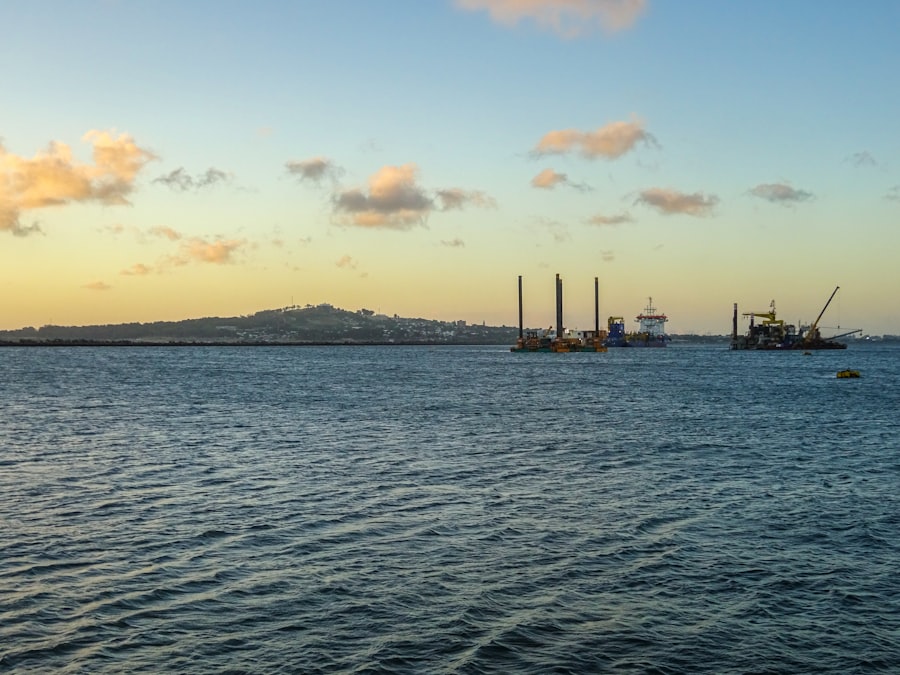
The improvements at Kuryk Port are not merely about infrastructure; they are fundamentally about opening up new possibilities for trade and expanding market access for businesses operating in and around the Caspian region.
Bridging East-West Trade Corridors
Kuryk Port is strategically positioned to act as a vital bridge for East-West trade corridors. Its development reinforces the potential of routes that traverse Central Asia and connect to markets in Europe and Asia. By offering a more efficient and reliable maritime link across the Caspian, it reduces reliance on longer and potentially more expensive land routes. The port serves as a crucial stepping stone, enabling the flow of goods between continents, much like a well-placed toll booth streamlines traffic flow on a major highway.
Increasing Capacity for Trans-Caspian Shipping
The expanded capacity and improved facilities at Kuryk Port directly translate into an increased capacity for trans-Caspian shipping. More ferries can operate, and larger vessels can be accommodated, meaning a greater volume of goods can be transported across the sea. This is particularly important for bulk commodities, manufactured goods, and agricultural products that are traded within the Caspian region and beyond. The port’s enhanced capabilities are a magnet for shipping lines looking to optimize their routes and expand their service offerings.
Facilitating Trade with Neighboring Countries
The development directly facilitates increased trade with neighboring countries that border the Caspian Sea, including Kazakhstan, Azerbaijan, Turkmenistan, and Iran. By offering a more robust and efficient port, Kuryk Port encourages greater utilization of sea routes for bilateral and multilateral trade. This can lead to reduced transportation costs, shorter delivery times, and ultimately, increased economic activity and interdependence between these nations. The port acts as a catalyst for regional economic integration, fostering a more interconnected and prosperous Caspian economic zone.
Boosting Exports and Imports
The enhanced logistics at Kuryk Port are designed to boost both exports and imports for the region. The improved ability to move goods efficiently out of the producer countries means that more competitive export markets can be reached. Conversely, the capacity to receive goods with greater speed and reliability makes it more attractive to import essential supplies and manufactured goods. This two-way flow is critical for a healthy and dynamic economy, ensuring that businesses have access to raw materials and that consumers have access to a wider range of products.
Diversifying Supply Chains
For businesses that operate in the region, the improvements at Kuryk Port offer an opportunity to diversify their supply chains. By providing a reliable and efficient maritime alternative to existing land-based routes, companies can mitigate risks associated with disruptions on specific overland corridors. This diversification can lead to greater resilience and a more secure flow of goods, which is a significant advantage in today’s unpredictable global economic landscape. The port’s development is like giving a traveler multiple routes to their destination, ensuring they are not stranded by a single road closure.
Technological Advancements and Digitalization
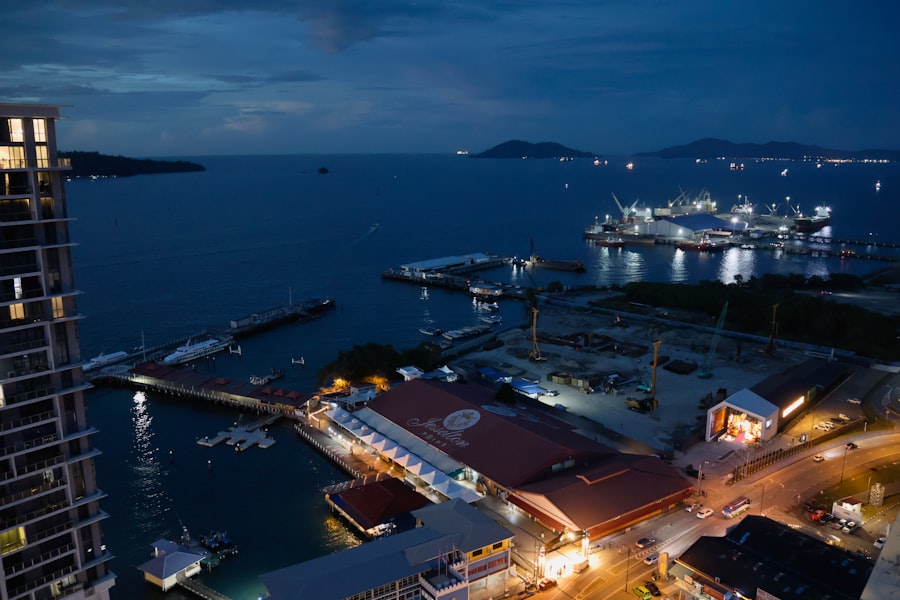
The modernization of Kuryk Port extends beyond concrete and steel; it embraces technological advancements and digitalization to drive operational efficiency and enhance services.
Implementation of Port Management Systems
The port has adopted sophisticated port management systems (PMS) that integrate various operational aspects, from vessel arrival and departure scheduling to cargo tracking and resource allocation. These systems provide real-time visibility into port activities, allowing for better planning, decision-making, and issue resolution. The PMS acts as the central nervous system of the port, coordinating all its functions with precision.
Utilization of Digital Tracking and Monitoring Tools
Digital tracking and monitoring tools are employed to enhance the visibility of cargo throughout the supply chain. This can include GPS tracking for trucks and containers, as well as sensor-based monitoring for temperature-sensitive goods. This level of transparency provides stakeholders with confidence in the integrity and timely delivery of their shipments. Knowing where your consignment is at all times is like having a constant pulse on the health of your business.
Automation of Terminal Operations
Where feasible, the port is progressively automating various terminal operations. This can include automated gates for vehicle entry and exit, robotic systems for container handling in specific areas, and automated guided vehicles (AGVs) for internal logistics. Automation reduces the potential for human error, increases speed, and improves safety in the workplace. This phased approach to automation is designed to gradually enhance efficiency without causing undue disruption.
E-services for Stakeholders
The port is also developing and offering e-services for its stakeholders, including shipping lines, cargo owners, and customs authorities. This can encompass online booking platforms, digital submission of documentation, and real-time status updates. Digitizing these administrative processes significantly reduces paperwork, speeds up clearance times, and improves overall communication and transparency between the port and its users. A good e-service platform is like a digital concierge, simplifying complex processes for users.
Data Analytics for Performance Optimization
The data generated by these systems is analyzed to identify trends, bottlenecks, and areas for further improvement. By leveraging data analytics, port authorities can make informed decisions about infrastructure upgrades, operational adjustments, and resource allocation, ensuring continuous optimization of ferry logistics and overall port performance. This data-driven approach allows the port to evolve and adapt, much like a living organism responding to its environment.
The development of Kuryk port is poised to significantly enhance ferry logistics in the region, facilitating smoother transportation and trade routes. For those interested in the broader implications of such infrastructure projects, a related article can provide valuable insights into the economic impact and strategic importance of port developments. You can read more about this topic in the article on MyGeoQuest, which explores various aspects of maritime logistics and regional connectivity. For further details, check out the article here.
Future Potential and Regional Impact
| Metric | Value | Unit | Notes |
|---|---|---|---|
| Port Capacity | 12 | Million tons/year | Projected cargo handling capacity after development |
| Ferry Terminal Size | 5,000 | Square meters | Area dedicated to ferry logistics and passenger services |
| Number of Ferry Routes | 3 | Routes | Current operational ferry routes from Kuryk port |
| Annual Ferry Passengers | 150,000 | Passengers | Estimated annual passenger traffic via ferry |
| Annual Ferry Cargo Volume | 1.2 | Million tons | Cargo transported annually by ferry services |
| Berth Length | 600 | Meters | Total length of berths available for vessels |
| Depth at Berth | 12 | Meters | Water depth allowing for large vessel docking |
| Investment in Development | 450 | Million | Capital invested in port and ferry infrastructure |
| Expected Completion Year | 2025 | Year | Projected year for full operational status |
The development of Kuryk Port is not a static achievement but a foundation for future growth and a significant catalyst for regional economic and infrastructural development.
Scalability and Future Expansion Plans
The current development is designed with scalability in mind, allowing for future expansion as demand increases. The master plan for Kuryk Port includes provisions for additional berths, expanded storage areas, and further infrastructural enhancements. This foresight ensures that the port can adapt to evolving trade patterns and technological advancements, maintaining its competitive edge. The blueprints for the port’s future are as important as its current construction, ensuring a long-term vision.
Attracting Investment and Economic Growth
A modern and efficient port like Kuryk is a magnet for investment. Improved logistics and greater market access can encourage new businesses to establish operations in the surrounding region, creating jobs and stimulating economic growth. The port’s function as an efficient trade gateway is a powerful incentive for foreign and domestic investment. This influx of capital can trigger a ripple effect of economic prosperity.
Enhancing Regional Integration and Cooperation
The success of Kuryk Port in facilitating trans-Caspian trade can foster greater regional integration and cooperation among the Caspian littoral states. Joint initiatives and coordinated efforts in port development and logistics management can lead to a more cohesive and prosperous Caspian economic zone. The port serves as a physical manifestation of increased cooperation, embodying the shared ambition for regional prosperity.
Role in Global Supply Chain Resilience
In an era of global supply chain disruptions, the enhanced capabilities of Kuryk Port can contribute to greater resilience. By offering a viable and efficient alternative route, it can help to mitigate the impact of disruptions on other transportation networks and ensure a more consistent flow of goods globally. The port plays a role in the intricate web of global commerce, acting as a secure thread within the larger tapestry of supply chains.
Development of Related Industries
The expansion of ferry logistics at Kuryk Port is also expected to spur the development of related industries. This can include logistics and freight forwarding companies, warehousing and storage providers, ship repair and maintenance services, and other ancillary businesses. The growth of the port creates a fertile ground for the cultivation of a diverse economic ecosystem. This holistic development ensures that the port’s impact extends far beyond its immediate physical boundaries, transforming the economic landscape of the region.
FAQs
What is the Kuryk port development project?
The Kuryk port development project involves the expansion and modernization of the Kuryk seaport located on the eastern shore of the Caspian Sea in Kazakhstan. The project aims to enhance the port’s capacity to handle increased cargo volumes, improve infrastructure, and support regional trade and logistics.
What types of cargo does Kuryk port primarily handle?
Kuryk port primarily handles bulk cargo, including oil and petroleum products, as well as general cargo such as containers, construction materials, and machinery. The port serves as a key transit point for goods moving between Kazakhstan and other Caspian Sea countries.
How does the ferry logistics system operate at Kuryk port?
The ferry logistics system at Kuryk port facilitates the transportation of vehicles, cargo, and passengers across the Caspian Sea. Ferries operate on scheduled routes connecting Kuryk with ports in Azerbaijan and other neighboring countries, enabling efficient multimodal transport and trade.
What are the strategic benefits of developing Kuryk port?
Developing Kuryk port enhances Kazakhstan’s access to international markets via the Caspian Sea, reduces transportation costs, and supports the diversification of trade routes. It also strengthens regional connectivity and promotes economic growth by improving logistics infrastructure.
Who are the main stakeholders involved in the Kuryk port development?
The main stakeholders include the Government of Kazakhstan, port authorities, private investors, and international logistics companies. Collaboration among these parties ensures the successful implementation of development plans and the efficient operation of ferry logistics services.