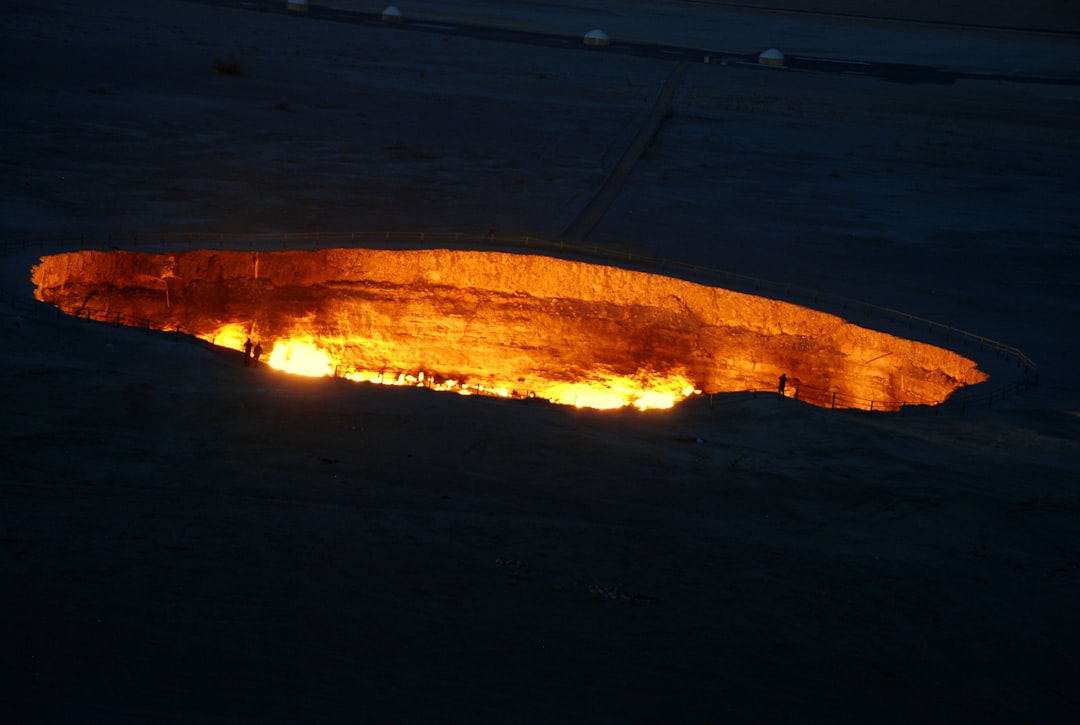
Turkmenistan possesses vast reserves of natural gas, a resource that has been central to its economy since its independence. The strategic positioning of these reserves, coupled with evolving global energy demands, presents significant export potential. Unlocking and leveraging this potential requires a multi-faceted approach, encompassing infrastructure development, international cooperation, and a nuanced understanding of market dynamics. This article will explore the complexities and prospects surrounding Turkmenistan’s natural gas export capacity.
Turkmenistan is a veritable giant slumbering on a sea of natural gas. Its estimated reserves place it among the top countries globally for natural gas endowments. The Galkynysh field alone is considered one of the world’s largest, dwarfing many others in sheer volume. This immense underground treasure chest holds promise not only for domestic consumption but, more crucially, for substantial export revenues, which could act as the engine for economic diversification and development.
Estimating the Reserves: A Data-Driven Perspective
Quantifying Turkmenistan’s gas reserves is a persistent endeavor, with figures often varying between geological surveys and international energy agencies. However, consensus generally points to reserves in the realm of 13 to 25 trillion cubic meters (TCM). These numbers represent not just abstract figures but decades of potential energy supply for global markets. The Galkynysh and Malay fields in the southeast are the undisputed titans, accounting for a significant portion of the country’s known resources.
Geological Formations and Extraction Challenges
The vast majority of Turkmenistan’s gas reserves are found in sedimentary basins, primarily within the Amudarya Basin. These deposits often lie at considerable depths, presenting technical hurdles for extraction. The geological characteristics, including pressure and temperature variations, necessitate advanced drilling and processing technologies. Ensuring the sustainable and efficient extraction of these resources is a paramount concern for maximizing export potential.
Historical Context of Resource Exploitation
Turkmenistan’s gas industry has a long history, dating back to the Soviet era. While significant exploration and extraction occurred during that period, the full potential of its reserves was largely untapped for export purposes. Post-independence, the focus gradually shifted towards leveraging these resources for international markets, albeit with periods of fluctuating geopolitical influence and infrastructure limitations.
Turkmenistan’s vast gas reserves present significant export potential, particularly as global energy demands continue to rise. An insightful article that delves into this topic can be found on MyGeoQuest, which explores the strategic implications of Turkmenistan’s gas exports and their impact on regional energy security. For more information, you can read the article here: MyGeoQuest.
The Geopolitical Landscape of Turkmen Gas Exports
Turkmenistan’s strategic location in Central Asia places it at a crossroads of major energy transit routes. Its neighbors, particularly China and Russia, have historically been significant consumers and transit partners. However, the global energy map is constantly redrawn, and Turkmenistan’s export potential is intrinsically linked to its ability to navigate this dynamic geopolitical terrain. Building trust and fostering long-term relationships are as vital as laying down pipelines.
Russia’s Historical Role and Shifting Dynamics
For many years, Russia served as the primary conduit for Turkmen gas exports, purchasing large volumes and transporting them via its extensive pipeline network. This relationship, while beneficial in its early stages, also created a degree of dependency for Turkmenistan. Recent years have seen a rebalancing of this relationship, with Turkmenistan seeking to diversify its export destinations and reduce its reliance on a single buyer. The strategic imperative of diversifying is akin to a sailor not relying on just one star to navigate the vast ocean.
The Ascendancy of the China Market
China has emerged as a crucial and growing market for Turkmen natural gas. The Turkmenistan-China gas pipeline, inaugurated in 2009, has enabled direct exports to China, bypassing traditional transit routes. This pipeline has significantly reshaped Turkmenistan’s export strategy, providing a vital off-take for its ever-increasing production. The sheer scale of China’s energy demand acts as a powerful magnet for Turkmen gas.
Southern Gas Corridor and European Aspirations
The Southern Gas Corridor, a project aimed at transporting Caspian gas to Europe, presents another significant potential avenue for Turkmen exports. While technically challenging and subject to numerous political and economic considerations, the prospect of supplying European markets remains a long-term aspiration. Establishing direct access to Europe would represent a major diversification coup for Turkmenistan, opening up a vast and lucrative customer base.
Regional Cooperation and its Limitations
Cooperation with neighboring Central Asian nations, such as Uzbekistan and Kazakhstan, can enhance regional gas transmission capabilities. However, the extent of this cooperation is often influenced by bilateral agreements and differing national energy priorities. While regional pipelines can offer some flexibility, they are unlikely to unlock the full export potential without larger-scale international infrastructure projects.
Infrastructure Development: The Arteries of Export

The most significant bottleneck for unlocking Turkmenistan’s full gas export potential lies in the sheer scale of infrastructure required. Developing robust and extensive pipeline networks capable of transporting gas to diverse international markets is a monumental undertaking. This is not merely about laying pipes; it’s about creating the arteries that will carry wealth from the earth’s depths to global consumers.
The Turkmenistan-China Pipeline Network: A Case Study
The series of pipelines connecting Turkmenistan to China serves as the most prominent example of successful export infrastructure. Stretching thousands of kilometers, these pipelines represent a substantial investment and a testament to bilateral cooperation. The continued expansion and optimization of this network are crucial for meeting the growing demand from China.
The Trans-Afghanistan Pipeline (TAPI) Project: Promise and Peril
The Turkmenistan-Afghanistan-Pakistan-India (TAPI) pipeline project, designed to transport Turkmen gas to South Asia, has faced considerable delays and challenges. While it holds immense potential to connect Turkmenistan to a significant new market, the security situation in Afghanistan and the complex geopolitical dynamics have proven formidable obstacles. The TAPI project can be seen as a bridge over troubled waters, but the waters remain choppy.
Exploring Alternative Export Routes
Beyond established routes, Turkmenistan must continuously explore and evaluate alternative export options. This includes considering upgrades to existing pipelines, potential new overland routes, and even the feasibility of liquefied natural gas (LNG) export terminals, although the latter is a more distant prospect given current infrastructure.
The Role of Technology in Pipeline Construction and Maintenance
Modern pipeline construction and maintenance technologies are essential for ensuring efficiency, safety, and longevity. Advanced welding techniques, smart monitoring systems, and corrosion prevention measures all contribute to the reliable delivery of gas over vast distances. Investing in these technologies is an investment in sustained export capability.
Market Dynamics and Demand Forecasting

Understanding and responding to global energy market dynamics is critical for Turkmenistan’s export success. The price of natural gas, the demand from emerging economies, and the global shift towards cleaner energy sources all play a significant role in shaping export opportunities. It’s a complex dance of supply and demand in a global ballroom, where missteps can have significant consequences.
Global Demand for Natural Gas: Trends and Projections
Global demand for natural gas is projected to continue its upward trajectory, driven by factors such as population growth, industrialization, and its role as a transitional fuel in the move away from more polluting energy sources. Turkmenistan’s reserves are well-positioned to meet a portion of this growing demand.
Price Volatility and Contractual Agreements
The international price of natural gas is subject to considerable volatility, influenced by geopolitical events, supply disruptions, and global economic health. Turkmenistan’s export strategy must account for this volatility, often through long-term contracts that provide a degree of price stability and predictability. These contracts are the anchors that secure its economic footing in turbulent times.
The Rise of Renewable Energy: A Competitive Landscape
The increasing global emphasis on renewable energy sources, such as solar and wind power, presents a competitive landscape for natural gas. While gas is often viewed as a cleaner alternative to coal, the long-term viability of gas exports will depend on its continued relevance in a decarbonizing world and its competitiveness against these emerging technologies.
Energy Transition and Turkmenistan’s Position
Turkmenistan’s strategy must also consider the global energy transition. While gas is a vital component of this transition, the long-term outlook necessitates a gradual diversification of its energy portfolio and the exploration of opportunities in areas such as hydrogen production, which can leverage its vast gas reserves for cleaner energy carriers.
Turkmenistan’s vast gas reserves present a significant opportunity for enhancing its export potential, particularly as global energy demands continue to rise. The country’s strategic location allows it to serve as a vital energy corridor for neighboring regions, making it an attractive partner for countries seeking to diversify their energy sources. For a deeper understanding of the implications of these reserves on regional energy dynamics, you can read a related article that explores the potential impact of Turkmenistan’s gas exports on the global market. Check it out here.
International Cooperation and Investment: Building Bridges of Trade
| Metric | Value | Unit | Notes |
|---|---|---|---|
| Proven Gas Reserves | 19.5 | Trillion Cubic Meters (tcm) | One of the largest reserves globally |
| Annual Gas Production | 85 | Billion Cubic Meters (bcm) | As of latest available data |
| Export Volume | 50 | Billion Cubic Meters (bcm) | Estimated annual export capacity |
| Main Export Markets | China, Russia, Iran | Countries | Key importers of Turkmen gas |
| Pipeline Infrastructure | 3 | Major pipelines | Includes Central Asia-China pipeline |
| Export Potential Growth | 10-15% | Annual Increase | Projected growth in export capacity |
| Domestic Consumption | 35 | Billion Cubic Meters (bcm) | Annual internal gas usage |
Successfully unlocking Turkmenistan’s gas reserves for export hinges on robust international cooperation and significant investment. This involves forging partnerships with energy companies, financial institutions, and governments to finance infrastructure projects, share technological expertise, and secure long-term purchase agreements. Building these bridges of trade requires trust, transparency, and a clear understanding of mutual benefits.
Attracting Foreign Direct Investment (FDI)
To fund the massive infrastructure projects required, Turkmenistan needs to attract substantial foreign direct investment. This necessitates creating an attractive investment climate characterized by legal certainty, transparent regulations, and a stable economic environment. Investors are like fertile ground; they need the right conditions to take root and flourish.
Partnerships with International Energy Companies
Collaborations with experienced international energy companies are crucial for bringing in the necessary technical expertise, capital, and market access. These partnerships can facilitate the exploration, development, and transportation of Turkmen gas, ensuring efficiency and adherence to international standards.
The Role of International Financial Institutions
Institutions such as the Asian Development Bank (ADB) and the World Bank can play a pivotal role in financing critical infrastructure projects and providing technical assistance. Their involvement can lend credibility to projects and de-risk them for private investors.
Bilateral and Multilateral Agreements
Securing stable and profitable export routes requires a framework of strong bilateral and multilateral agreements. These agreements provide legal certainty for both Turkmenistan and its trading partners, outlining terms of trade, transit rights, and dispute resolution mechanisms. They are the blueprints and legal documents that underpin international commerce.
In conclusion, the unlocking of Turkmenistan’s vast natural gas reserves for export is a complex but potentially rewarding endeavor. It requires a strategic blend of infrastructure development, astute geopolitical maneuvering, a keen understanding of global market dynamics, and unwavering commitment to international cooperation. The nation’s immense underground wealth represents a significant opportunity, but its successful realization depends on navigating these intricate pathways with foresight and determination.
FAQs
What is the current size of Turkmenistan’s gas reserves?
Turkmenistan possesses one of the largest natural gas reserves in the world, estimated at around 19.5 trillion cubic meters, making it a significant player in the global energy market.
How does Turkmenistan export its natural gas?
Turkmenistan exports natural gas primarily through pipelines, including the Central Asia-Center pipeline system, the Turkmenistan-China pipeline, and plans for additional routes to diversify its export markets.
Which countries are the main importers of Turkmenistan’s gas?
The main importers of Turkmenistan’s natural gas include China, Russia, and countries in Central Asia. There are also ongoing efforts to expand exports to South Asia and Europe.
What challenges does Turkmenistan face in expanding its gas export potential?
Challenges include geopolitical tensions, dependence on limited pipeline routes, infrastructure development needs, and competition from other gas-producing countries.
What is the future outlook for Turkmenistan’s gas export potential?
The future outlook is positive, with plans to increase production capacity, develop new pipeline projects, and explore liquefied natural gas (LNG) options to access global markets more effectively.