
The Northern Arc, a crucial maritime artery connecting global trade routes, faces a growing and increasingly complex web of logistical bottlenecks. This region, encompassing a multitude of ports vital to international commerce, is experiencing the strain of escalating cargo volumes, evolving shipping technologies, and underlying infrastructural limitations. Understanding these challenges is paramount for maintaining the efficient flow of goods that underpins global economic stability.
The landscape of maritime trade has undergone a profound transformation in recent decades. Globalization, the rise of emerging economies, and the pursuit of optimized supply chains have led to an unprecedented surge in the volume of goods transported by sea. The Northern Arc, a collection of ports strategically positioned to serve major manufacturing hubs and consumer markets, has become a focal point of this activity.
The Rise of Mega-Ships and their Imperative
The advent of ultra-large container vessels (ULCVs) has been a hallmark of this evolving trade paradigm. These behemoths of the sea, capable of carrying upwards of 20,000 TEUs (twenty-foot equivalent units), offer significant economies of scale for shipping lines. However, their sheer size presents a unique set of challenges for port infrastructure. Terminal operations, from the gantry cranes that unload and load containers to the yard management systems that orchestrate their movement, must be able to accommodate these giant vessels efficiently. A single ULCV can effectively disgorge as much cargo as several smaller ships, creating peaks in demand that traditional port operations may struggle to absorb. This necessitates significant investment in larger cranes, deeper berths, and more expansive storage areas.
The Impact of E-commerce and Consumer Demand
Parallel to the growth of ULCVs, the exponential rise of e-commerce has fundamentally altered consumer purchasing patterns. This shift has translated into a greater volume of smaller, more frequent deliveries, placing increased pressure on the “last mile” of the supply chain, which originates at the port. Ports are no longer just transit points for bulk cargo; they are increasingly the gateways for direct-to-consumer goods, requiring a more agile and responsive logistical network. The demand for faster delivery times, fueled by online shopping, creates a ripple effect, demanding quicker turnaround times for vessels and faster processing of containers off the quay.
Geopolitical Influences and Shifting Trade Alliances
Geopolitical shifts also play a significant role in shaping trade flows and, consequently, port operations. Trade wars, sanctions, and the formation of new economic alliances can redirect cargo volumes, leading to both increased activity in some Northern Arc ports and decreased activity in others. This dynamic necessitates flexibility and adaptability within the logistical framework of these ports and the surrounding infrastructure. A sudden change in trade policy can act like a redirected river, potentially flooding one port’s capacity while leaving another with underutilized assets.
The logistics bottleneck at Northern Arc ports has been a significant concern for the shipping industry, impacting trade efficiency and supply chain operations. For a deeper understanding of the challenges and potential solutions related to this issue, you can read a related article that explores the various factors contributing to the delays and offers insights into improving port logistics. Check out the article here: Northern Arc Ports Logistics Bottleneck.
Infrastructure as the Foundation: The Pillars of Port Capacity
The physical infrastructure of ports forms the bedrock upon which their logistical capabilities are built. When this foundation proves insufficient, the entire edifice of trade begins to buckle. The Northern Arc, while boasting many advanced facilities, grapples with inherent limitations in its existing infrastructure.
Berth Depth and Channel Acidity: Accommodating Giants
A fundamental requirement for ULCVs is sufficient water depth in both berths and navigation channels. As ships have grown, so too has the need for dredging and maintaining these vital waterways. The cost and environmental impact of extensive dredging can be considerable, presenting a significant hurdle for many ports. Insufficient channel depth is akin to trying to fit a whale into a bathtub; the vessel simply cannot access the facilities. Furthermore, the constant need for maintenance to counteract natural silting and sediment accumulation requires ongoing investment and operational planning.
Dredging Operations: Science and Sustainability
The process of dredging is a complex engineering undertaking. It involves removing sediment from the seabed to increase water depth. This can be done through various methods, each with its own environmental considerations. The disposal of dredged material is also a critical aspect, requiring careful planning to avoid ecological damage. Balancing the need for deeper channels with the imperative of environmental stewardship is a major challenge.
Terminal Automation and Technological Adoption
The efficiency of port operations is increasingly reliant on technological advancements, particularly in the realm of automation. Automated stacking cranes (ASCs), autonomous guided vehicles (AGVs), and sophisticated terminal operating systems (TOS) are crucial for optimizing container movement within terminals. However, the significant capital investment required for these technologies, coupled with the need for skilled personnel to operate and maintain them, can be a barrier to adoption, especially for smaller or less financially robust ports. The integration of these systems is not simply about acquiring new hardware; it requires a holistic approach to re-engineering workflows and training staff.
The Digital Backbone: Data Integration and Analytics
Effective port logistics relies heavily on the seamless integration of data from various stakeholders – shipping lines, terminal operators, customs authorities, and truckers. Robust data analytics can provide valuable insights into traffic patterns, dwell times, and operational bottlenecks, enabling proactive problem-solving. The lack of a unified, digital backbone can lead to information silos and cascading delays.
Intermodal Connectivity: The Highway to the Hinterland
Once containers are unloaded from vessels, their journey does not end. Efficient connectivity to hinterland transportation networks, including rail and road, is vital for swift onward distribution. Congested road networks, limited rail capacity, and a shortage of trucking resources can create significant delays, turning productive port operations into a bottleneck at the dockside. The disconnect between port operations and land-based transportation is a recurring theme in logistical frustrations.
Rail Infrastructure: The Untapped Potential
Rail transport offers a more sustainable and often more efficient means of moving large volumes of cargo inland compared to road transport. However, many ports in the Northern Arc suffer from inadequate rail infrastructure, including limited track capacity, infrequent services, and lengthy lead times for booking cargo. Unlocking the full potential of rail connectivity is a strategic imperative for alleviating road congestion and speeding up cargo movement.
Road Congestion and Trucker Shortages: The Last Mile Squeeze
The final leg of a container’s journey, from the port gate to its ultimate destination, is often the most challenging. Road congestion around major ports can lead to hours of waiting for trucks, eating into valuable operational time and increasing costs. Furthermore, a persistent shortage of qualified truck drivers exacerbates these issues, creating a constant squeeze in the last mile.
Bottlenecks in the Flow: Pervasive Obstacles to Efficiency
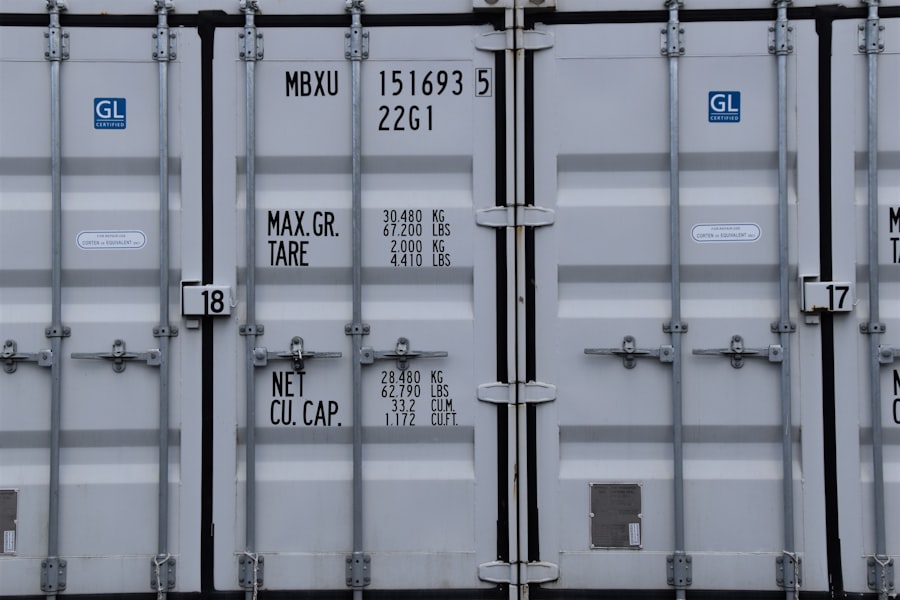
The confluence of these factors results in a series of pervasive bottlenecks that impede the smooth flow of goods through Northern Arc ports. These aren’t isolated incidents but rather systemic challenges that require coordinated solutions.
Congestion and Turnaround Times: The Waiting Game
Perhaps the most visible manifestation of these bottlenecks is port congestion. When vessels are unable to berth promptly or containers cannot be moved off the quay with sufficient speed, ships begin to queue, leading to significant delays and increased demurrage charges. This “waiting game” has a cascading effect, disrupting schedules across the entire shipping network. A waiting ship is a ticking financial clock, as every hour it idles represents lost revenue and increased operational costs.
Vessel Stacking and Off-Port Congestion
The problem of congestion often extends beyond the immediate port area. Vessel stacking, where ships are forced to anchor offshore due to berth unavailability, can lead to significant delays. Similarly, off-port congestion, where trucks and trains face their own delays in accessing or departing the port, further compounds the problem.
Customs and Regulatory Hurdles: Navigating the Paper Labyrinth
The movement of goods across international borders is subject to a complex web of customs regulations and administrative procedures. Inefficient or inconsistent application of these rules can lead to significant delays and add to the overall cost of shipping. The digitization and streamlining of these processes are crucial for improving efficiency. The paper-based nature of some customs procedures can feel like navigating an ancient labyrinth in an era of digital speed.
Harmonization of Standards and Digitalization Efforts
Efforts to harmonize customs procedures and embrace digital platforms for documentation and clearance are ongoing. However, the pace of adoption varies across different jurisdictions, creating inconsistencies that can hinder efficient trade flow. The ambition of a single, seamless digital trade environment remains a long-term goal.
Labor and Workforce Challenges: The Human Element
While automation is on the rise, the human element remains critical to the functioning of port logistics. Shortages of skilled labor, including crane operators, dockworkers, and logistics planners, can create significant bottlenecks. Aging workforces and challenges in attracting new talent are long-term concerns that require strategic attention. The skilled hands that guide the movement of cargo are as vital as the machines they operate.
Training and Skill Development: Investing in the Future Workforce
Investing in comprehensive training and skill development programs is essential to ensure a competent and adaptable workforce for the future. This includes not only technical skills related to operating new technologies but also soft skills such as problem-solving and communication.
The Ripple Effect: Economic and Supply Chain Ramifications

The logistical bottlenecks experienced at Northern Arc ports have far-reaching consequences, impacting not only the shipping industry but also the broader economy and global supply chains.
Increased Costs for Businesses and Consumers
Delays and inefficiencies at ports translate directly into increased costs for businesses. Demurrage charges, expedited shipping fees, and the cost of holding inventory for longer periods all contribute to higher operational expenses. These costs are ultimately passed on to consumers in the form of higher prices for goods. The hidden cost of a congested port is often borne by the everyday shopper.
Supply Chain Vulnerability and Resilience
The interconnected nature of global supply chains means that disruptions at key logistical chokepoints can have a cascading effect, leading to stockouts, production delays, and increased vulnerability to unforeseen events. Building resilience into these supply chains, by diversifying sourcing and improving logistical predictability, is therefore a critical imperative. A brittle supply chain can shatter under the weight of a single, significant disruption.
The Competitive Landscape: Shifting Trade Routes
Ports that can efficiently manage cargo flow and offer reliable turnaround times gain a significant competitive advantage. Conversely, those struggling with persistent bottlenecks risk losing business to more efficient alternatives, potentially leading to the rerouting of trade flows. The global race for logistical efficiency is a constant driver of innovation and investment.
The recent challenges faced by Northern Arc ports in managing logistics bottlenecks have drawn attention to the broader implications for supply chain efficiency in the region. A related article discusses how these delays can impact trade and economic growth, highlighting the urgent need for strategic improvements in port infrastructure and operations. For more insights on this topic, you can read the full article here. Addressing these issues is crucial for ensuring smoother logistics and enhancing the overall competitiveness of the ports.
Charting a Course Forward: Strategies for Mitigation and Improvement
| Metric | Value | Unit | Notes |
|---|---|---|---|
| Average Container Dwell Time | 72 | Hours | Time containers remain at port before clearance |
| Berth Occupancy Rate | 85 | Percent | Percentage of berth utilization during peak hours |
| Truck Turnaround Time | 4 | Hours | Average time for trucks to load/unload and exit port |
| Container Throughput | 1.2 | Million TEUs per year | Annual container handling capacity |
| Customs Clearance Delay | 24 | Hours | Average delay due to customs processing |
| Equipment Availability | 75 | Percent | Availability of cranes and handling equipment |
| Labor Productivity | 30 | Moves per hour | Average container moves per labor hour |
Addressing the complex logistical challenges of the Northern Arc requires a multi-faceted approach involving collaboration, investment, and strategic planning. No single solution will suffice; rather, a combination of interventions is needed to ease the strain and ensure the continued smooth functioning of these vital trade arteries.
Strategic Investment in Infrastructure: Building for the Future
Significant and sustained investment in port infrastructure is paramount. This includes deepening berths and channels, expanding terminal capacity, and enhancing intermodal connectivity. Such investments, while substantial, are essential for accommodating the growing volumes of trade and the evolving demands of the shipping industry. The future of global trade hinges on the foresight and commitment to building infrastructure that can meet its growing demands.
Public-Private Partnerships: A Collaborative Approach
The scale of investment required often necessitates the formation of public-private partnerships. These collaborations can leverage private sector expertise and capital while ensuring that public interest and strategic objectives are met. Sharing the risk and reward of infrastructure development is a crucial element of success.
Embracing Technology and Digital Transformation: The Smart Port Revolution
The adoption of advanced technologies, including automation, AI-powered analytics, and digital platforms for data sharing, is no longer optional but essential. The concept of the “smart port” – an interconnected, data-driven, and highly automated facility – represents the future of efficient port operations. This digital transformation is akin to upgrading from a horse-drawn carriage to a high-speed train; it fundamentally alters the speed and efficiency of operations.
Blockchain for Supply Chain Transparency
Exploring the application of technologies like blockchain can enhance transparency and traceability throughout the supply chain, improving efficiency and reducing disputes. A shared, immutable ledger can provide a single source of truth for all parties involved in the movement of goods.
Streamlining Customs and Regulatory Processes: Removing the Barriers
Collaborative efforts between port authorities, customs agencies, and other government bodies are needed to streamline and harmonize customs procedures. Digitalization of documentation, faster clearance times, and a more predictable regulatory environment are crucial for reducing delays. Removing administrative red tape is as important as removing physical obstructions.
One-Stop Shop Concepts and Digital Gateways
Implementing “one-stop shop” concepts for customs clearance and promoting digital gateways can significantly reduce the administrative burden and expedite the movement of goods. The aim is to create a seamless experience for traders, minimizing the need for multiple physical interactions with various agencies.
Enhancing Workforce Development and Training: The Human Capital Equation
Investing in the training and development of the port workforce is critical. This includes upskilling existing workers to operate new technologies and attracting new talent to the industry. A skilled and motivated workforce is the backbone of any efficient operation.
Cybersecurity for Digital Ports
As ports become increasingly digitalized, robust cybersecurity measures are essential to protect critical infrastructure and data from cyber threats. The interconnected nature of smart ports also means that a vulnerability in one system could have far-reaching consequences.
The Northern Arc, while a vital hub of global commerce, is currently navigating a complex array of logistical bottlenecks. Addressing these challenges through strategic investment, technological adoption, enhanced collaboration, and a focus on workforce development is not merely an operational upgrade; it is fundamental to maintaining the stability of global supply chains and ensuring the continued flow of goods that underpins the world economy.
WATCH NOW ▶️ SHOCKING: The $12 Trillion Lie Starving The World
FAQs
What is the Northern Arc in the context of ports and logistics?
The Northern Arc refers to a strategic network of ports located along the northern coastline of a region or country, designed to facilitate maritime trade and logistics operations. It aims to enhance connectivity and streamline the movement of goods through these ports.
What causes logistics bottlenecks at Northern Arc ports?
Logistics bottlenecks at Northern Arc ports can be caused by factors such as inadequate infrastructure, limited cargo handling capacity, congestion due to high traffic volumes, inefficient customs procedures, and insufficient intermodal connectivity with road and rail networks.
How do logistics bottlenecks impact trade and supply chains?
Bottlenecks at ports lead to delays in cargo handling and transportation, increased operational costs, reduced reliability of supply chains, and potential loss of business competitiveness. These issues can disrupt the timely delivery of goods and affect overall trade efficiency.
What measures are being taken to address bottlenecks at Northern Arc ports?
Efforts to alleviate bottlenecks include upgrading port infrastructure, expanding cargo handling facilities, implementing advanced technology for better traffic management, streamlining customs and clearance processes, and improving connectivity with hinterland transport networks.
Why is resolving logistics bottlenecks at Northern Arc ports important for economic growth?
Efficient port operations are critical for facilitating smooth trade flows, attracting investment, and supporting industrial growth. Resolving bottlenecks enhances the competitiveness of the region’s logistics sector, reduces costs for businesses, and contributes to overall economic development.