
Identifying Priority Cells for Basin Restoration
The restoration of degraded river basins is a complex undertaking, often requiring focused interventions to achieve meaningful ecological recovery. A critical first step in this process is the identification of priority cells, those specific areas within a larger basin that, if restored, would yield the greatest ecological benefit and contribute most effectively to the overall health of the watershed. This article delves into the methodologies and considerations involved in this crucial identification process.
Defining the Basin and its Constituent Cells
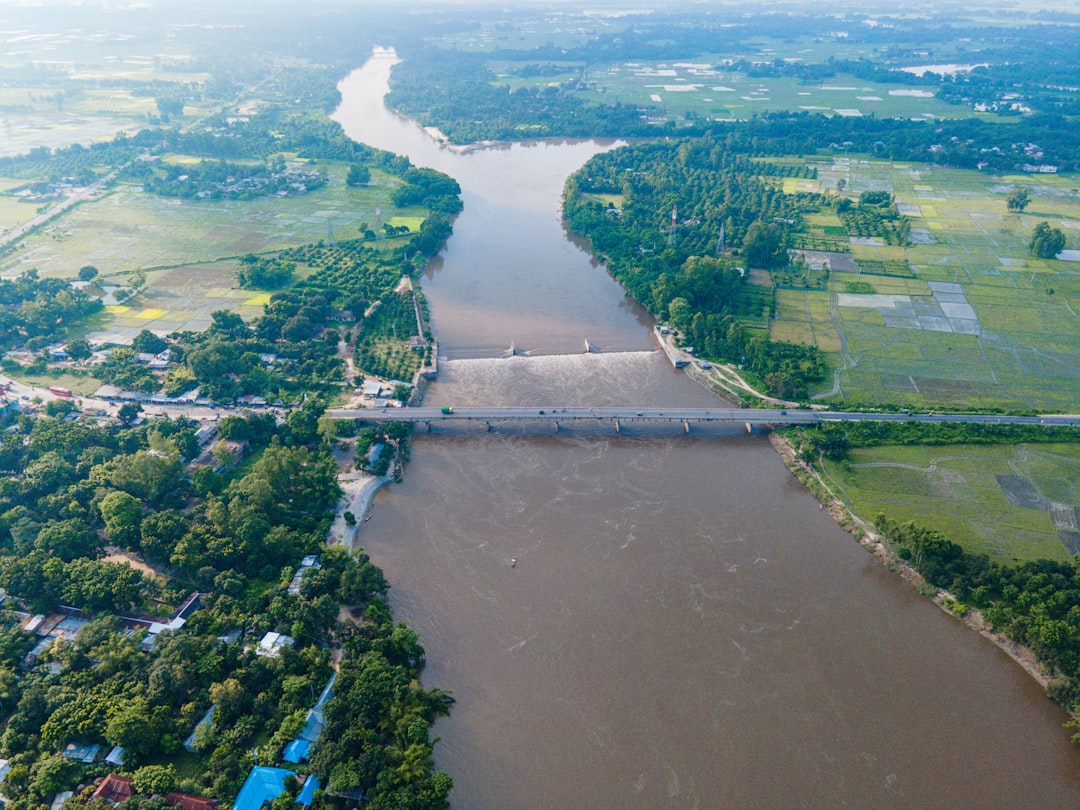
A river basin, also known as a watershed, is a geographical area where all precipitation drains to a common outlet, such as a river, lake, or ocean. Think of it as a large, interconnected plumbing system for the land. Within this vast system, the concept of a “cell” emerges as a more manageable unit for detailed assessment and intervention. These cells can be defined at various scales, from small sub-catchments and tributaries to larger physiographic units. The choice of cell scale is paramount, as it directly influences the scope of data collection, analysis, and the eventual restoration strategies. A broader cell definition might capture large-scale ecological patterns, while a finer scale allows for the targeting of highly localized issues. The resolution of the chosen cell delineates the intricate tapestry of the watershed into distinct, yet interconnected, patches of land and water.
The Rationale for Cell-Based Prioritization
Why break down a seemingly whole system into smaller pieces? The rationale is deeply rooted in practical ecological management. Attempting to restore an entire, vast basin simultaneously is akin to trying to boil the ocean – a monumental and often futile endeavor. Prioritization allows for the strategic allocation of limited resources, both financial and human, to areas where they will have the most significant and lasting impact. By identifying “hotspots” of degradation or areas with high ecological potential, restoration efforts can be concentrated, increasing the likelihood of success. This approach also facilitates a system-wide understanding, where restoring a critical cell can have cascading positive effects throughout the rest of the basin. Each cell, therefore, becomes a vital organ within the larger body of the watershed, and prioritizing certain organs ensures the survival and health of the entire organism.
Scales of Intervention: From Microto Macro
The concept of cells in basin restoration is not rigid. They can be defined based on hydrological boundaries (e.g., sub-basins), ecological characteristics (e.g., forest types, soil conditions), land use patterns (e.g., agricultural, urban, forested), or a combination of these factors. The scale at which these cells are defined is directly linked to the scale of the restoration interventions being considered. A cell might be a single stream reach that requires bank stabilization, or it could be a large upland area whose reforestation is essential for regulating water flow downstream. Understanding how different scales interact is crucial; a localized intervention within a cell can have broader implications if it affects water quality or quantity entering a larger system, much like a single thread can strengthen or weaken an entire fabric.
Basin restoration is a critical aspect of environmental management, particularly in areas where ecosystems have been degraded. One insightful article that delves into the concept of priority cells for effective basin restoration can be found at MyGeoQuest. This resource discusses how identifying and targeting specific priority cells within a basin can enhance restoration efforts, ensuring that resources are allocated efficiently and that ecological benefits are maximized. By focusing on these priority areas, stakeholders can implement more strategic and impactful restoration initiatives.
Criteria for Identifying Priority Cells
Ecological Integrity and Degradation Levels
A primary driver for prioritization is the assessment of ecological integrity. This involves evaluating the current health of a cell, considering factors such as biodiversity, water quality, habitat availability, and the presence of invasive species. Cells exhibiting severe degradation, where ecological functions are significantly impaired, are often candidates for restoration. However, the level of degradation must be weighed against the potential for recovery. A severely degraded cell with little chance of meaningful restoration might not be the most strategic choice compared to a moderately degraded cell with a high probability of successful intervention. This is akin to a doctor assessing patients, prioritizing those who are critically ill but have a strong chance of recovery.
Biodiversity Hotspots and Endangered Species Habitats
Cells that harbor significant biodiversity, or are critical habitats for endangered or threatened species, often emerge as high priorities. The preservation and restoration of these areas are crucial for maintaining ecosystem resilience and preventing species extinction. These are the jewels in the crown of the basin, containing unique and irreplaceable ecological treasures that warrant special protection and focused restoration efforts. Protecting these areas is not merely about saving individual species but about safeguarding the intricate web of life that sustains the entire ecosystem.
Hydrological Significance and Water Regulation
The role of a cell in regulating the basin’s hydrological cycle is another key consideration. Cells that are significant sources of clean water, or play a crucial role in controlling water flow, mitigating floods, or recharging groundwater, are often prioritized. For example, forested headwater regions are vital for maintaining streamflow and preventing erosion. Restoring these areas can have a ripple effect downstream, improving water availability and reducing the impact of extreme weather events. These cells are the natural sponges and regulators of the basin, essential for its water security and stability.
Land Use and Human Impact
The dominant land use within a cell and the extent of human impact are critical factors. Cells experiencing intense agricultural runoff, urban pollution, or deforestation will likely require significant restoration interventions. Conversely, areas with significant natural cover that are under pressure from encroaching development might be prioritized for protection and preventative restoration. Understanding the human footprint is like reading the story of the land; it tells us where intervention is most needed and where proactive measures can prevent future damage.
Connectivity and Ecological Corridors
The connectivity between cells is of paramount importance. Restoration efforts are often more effective when they focus on contiguous areas or on establishing ecological corridors that link fragmented habitats. Prioritizing cells that can serve as stepping stones for species migration or gene flow can enhance the overall resilience of the basin. These corridors are the highways of nature, allowing for the movement of wildlife and the exchange of genetic material, which is vital for long-term ecosystem health.
Methodologies for Cell Identification

GIS-Based Analysis and Spatial Data Integration
Geographic Information Systems (GIS) are indispensable tools in identifying priority cells. By integrating various spatial datasets, including elevation, land cover, soil types, hydrology, biodiversity surveys, and human infrastructure, GIS allows for the creation of detailed maps and the assessment of conditions within each defined cell. This data-driven approach provides an objective framework for evaluating the criteria outlined above. GIS can highlight areas of overlap between different degradation factors, pinpointing critical zones that require immediate attention. Think of GIS as the cartographer and analyst, drawing precise maps of the basin’s health and identifying the most vulnerable territories.
Ecological Site Assessments and Field Surveys
While spatial data provides a broad overview, on-the-ground ecological site assessments and field surveys are crucial for validating the insights derived from GIS and for capturing finer-scale details. These surveys can involve measuring water quality parameters, assessing vegetation health, identifying specific species populations, and characterizing habitat conditions. Ground-truthing the data ensures that the prioritization is based on real-world conditions and not just remote sensing. These assessments are the doctors’ physical examinations, confirming diagnoses and revealing subtle symptoms not visible from afar.
Expert Deliberation and Stakeholder Input
The identification of priority cells is rarely purely a scientific exercise. Expert deliberation, involving ecologists, hydrologists, land managers, and other relevant professionals, is essential for interpreting complex data and making informed decisions. Furthermore, engaging stakeholders, including local communities, landowners, and government agencies, is vital. Their local knowledge and perspectives can provide invaluable insights into the socio-economic context of different cells and can foster a sense of ownership and collaboration in restoration efforts. This is the council of elders, where collective wisdom and vested interests converge to guide the community’s path.
Modeling and Scenario Planning
Predictive modeling can also play a role in identifying priority cells. By simulating the potential impacts of different land-use changes or restoration scenarios, scientists can identify areas that are most vulnerable to future degradation or that offer the greatest potential for positive change. Scenario planning allows for a proactive approach, anticipating challenges and strategically planning for interventions that will yield the best long-term outcomes. These models are like weather forecasts for the ecosystem, predicting future conditions and guiding present actions.
The Role of Connectivity and Fragmentation

Understanding Habitat Fragmentation
Habitat fragmentation, the process by which large, contiguous habitats are broken down into smaller, isolated patches, is a major driver of biodiversity loss. Identifying priority cells that can help mitigate fragmentation is therefore crucial. This might involve restoring areas that connect existing habitat patches, creating ecological corridors, or protecting remnant habitat islands. Fragmentation is like breaking a large, fertile field into many small, disconnected plots, making it difficult for life to spread and thrive.
Establishing and Maintaining Ecological Corridors
Ecological corridors are linear patches of habitat that connect larger habitat areas, enabling the movement of wildlife and the dispersal of plants. Prioritizing cells that are strategically located to form or reinforce these corridors can significantly enhance the ecological connectivity of the entire basin. These corridors act as vital lifelines, allowing species to migrate, find mates, and access resources across otherwise impassable landscapes.
The Importance of Source and Sink Populations
In ecological terms, source populations are those that have a positive growth rate and can “export” individuals to other areas, while sink populations have a negative growth rate and rely on immigration from source populations. Restoring cells that can support source populations or act as critical stepping stones for dispersal to sink populations can be a high priority. Identifying and protecting these population hubs is like ensuring the main arteries of the circulatory system are healthy, allowing for the vital flow of life throughout the basin.
Landscape Heterogeneity and Patch Dynamics
The mosaic of different habitat types within a basin, known as landscape heterogeneity, supports a wider range of species and ecological processes. Restoration efforts can focus on cells that contribute to this heterogeneity by restoring or enhancing particular habitat types or by re-establishing natural disturbance regimes that maintain diverse patch dynamics. A biodiverse landscape is like a vibrant market, offering a variety of goods and services that support a thriving community of life.
Basin restoration is a critical aspect of environmental management, particularly when it comes to identifying priority cells that require immediate attention. A recent article discusses the importance of prioritizing these areas to enhance ecological resilience and improve water quality. For more insights on this topic, you can read the full article on basin restoration and priority cells here. This resource provides valuable information on effective strategies and case studies that illustrate successful restoration efforts.
Implementing and Monitoring Restoration Plans
| Priority Cell ID | Basin Name | Restoration Area (hectares) | Current Vegetation Cover (%) | Target Vegetation Cover (%) | Restoration Priority Level | Estimated Carbon Sequestration (tons/year) | Water Quality Improvement Potential (%) |
|---|---|---|---|---|---|---|---|
| PC-101 | Amazon Basin | 1500 | 35 | 80 | High | 1200 | 45 |
| PC-102 | Mississippi Basin | 800 | 50 | 85 | Medium | 700 | 30 |
| PC-103 | Mekong Basin | 1200 | 40 | 75 | High | 950 | 40 |
| PC-104 | Nile Basin | 600 | 45 | 70 | Low | 500 | 25 |
| PC-105 | Ganges Basin | 1000 | 30 | 80 | High | 1100 | 50 |
Phased Interventions and Adaptive Management
Restoration is rarely a one-time event. It is an ongoing process that requires adaptive management, where plans are adjusted based on monitoring results and new information. Prioritizing cells for phased interventions, starting with areas that offer the highest likelihood of success or that serve as critical linchpins for further restoration, is a common strategy. This approach allows for learning and refinement as the project progresses. Adaptive management is like a skilled sailor, adjusting the sails based on the wind and waves to reach their destination.
Developing Restoration Targets and Indicators
Clear, measurable restoration targets and indicators are essential for tracking progress and evaluating the effectiveness of interventions within priority cells. These might include metrics related to water quality, habitat structure, species abundance, or ecosystem function. Without well-defined targets, it is difficult to know if the restoration efforts are truly achieving their goals. These targets are the compass and sextant, guiding the journey and verifying the vessel’s position.
Long-Term Monitoring and Evaluation Frameworks
A robust long-term monitoring and evaluation framework is crucial for assessing the sustained success of restoration efforts. This involves regular data collection and analysis to determine whether the priority cells are meeting their restoration objectives and contributing to the overall health of the basin. Monitoring also helps identify unintended consequences or areas where further intervention may be needed. This framework is the ship’s logbook, meticulously recording the journey and lessons learned for future voyages.
Community Engagement and Capacity Building
The long-term success of restoration efforts in priority cells often depends on the active involvement and capacity building of local communities. By engaging stakeholders in the planning, implementation, and monitoring processes, a sense of ownership and stewardship can be fostered, ensuring the sustained health of the restored areas. Empowering local stewards is like entrusting the care of a garden to those who live closest to it, ensuring its continuous well-being.
WATCH NOW ▶️ SHOCKING: The $12 Trillion Lie Starving The World
FAQs
What is basin restoration?
Basin restoration refers to the process of rehabilitating and improving the ecological health and functionality of a watershed or drainage basin. This often involves activities such as reforestation, wetland restoration, erosion control, and water quality improvement to restore natural hydrological and ecological processes.
What are priority cells in the context of basin restoration?
Priority cells are specific areas or units within a basin that have been identified as critical for restoration efforts. These cells are prioritized based on factors such as their ecological importance, degree of degradation, potential for improvement, and impact on overall basin health.
Why is identifying priority cells important for basin restoration?
Identifying priority cells helps allocate resources efficiently by focusing restoration efforts on areas that will yield the greatest environmental benefits. It ensures that interventions target the most degraded or vulnerable parts of the basin, maximizing the effectiveness of restoration projects.
What methods are used to determine priority cells for restoration?
Methods to determine priority cells typically include spatial analysis using Geographic Information Systems (GIS), assessment of land use and land cover, evaluation of soil erosion risk, water quality data, biodiversity indicators, and stakeholder input. These analyses help rank areas based on restoration needs and potential impact.
What are the expected outcomes of successful basin restoration?
Successful basin restoration can lead to improved water quality, enhanced biodiversity, reduced soil erosion, increased groundwater recharge, and greater resilience to climate change. It also supports sustainable land use and benefits local communities through improved ecosystem services.