
Cloud seeding and natural recharge represent two fundamentally different approaches to augmenting water resources. While both aim to increase the availability of water, their mechanisms, effectiveness, and implications diverge significantly. Understanding these distinctions is crucial for informed water management strategies in an era of increasing water scarcity.
The Earth’s water cycle, a continuous and dynamic process, is the ultimate architect of water availability. It orchestrates the movement of water through evaporation, transpiration, condensation, precipitation, and runoff. This intricate system, powered by solar energy, ensures that water is distributed across the globe, albeit unevenly.
Solar Energy: The Engine of Evaporation
The sun’s energy is the primary driver of evaporation. Heat from solar radiation transforms liquid water from oceans, lakes, rivers, and soil into water vapor, a gaseous state. This vapor rises into the atmosphere, carrying water away from its surface source.
Transpiration: Plants’ Contribution to Atmospheric Water
Plants play a vital role in the water cycle through transpiration. This process involves the release of water vapor from plant leaves into the atmosphere. Collectively, transpiration from vegetation can contribute a substantial amount of atmospheric moisture, particularly in vegetated regions.
Condensation: The Genesis of Clouds
As water vapor rises into the cooler upper atmosphere, it undergoes condensation. This is the process by which water vapor transforms back into tiny liquid water droplets or ice crystals. These microscopic particles coalesce around dust, salt, or pollen in the air, forming clouds. Clouds are essentially visible masses of these condensed water droplets or ice crystals suspended in the atmosphere.
Precipitation: Water’s Return to Earth
When these water droplets or ice crystals within clouds grow sufficiently large and heavy, they fall back to Earth as precipitation. This can take various forms, including rain, snow, sleet, or hail, depending on atmospheric temperature and conditions. Precipitation is the primary mechanism by which fresh water is replenished on land.
Runoff and Infiltration: Pathways to Recharge
Upon reaching the Earth’s surface, precipitation follows different paths. A portion flows over the land as surface runoff, eventually making its way into streams, rivers, and ultimately oceans or lakes. Another significant portion infiltrates into the soil, percolating through layers of earth and rock. This infiltrated water can replenish groundwater aquifers, a process known as groundwater recharge.
In the ongoing debate about water resource management, the comparison between cloud seeding and natural recharge has garnered significant attention. A related article that delves deeper into this topic can be found at My Geo Quest, where the implications of artificial precipitation methods are explored alongside the benefits of relying on natural processes for groundwater replenishment. This discussion is crucial for understanding the balance between technological interventions and sustainable practices in water conservation.
Cloud Seeding: Manipulating Atmospheric Moisture
Cloud seeding is a weather modification technique that seeks to artificially enhance precipitation. It involves introducing substances, such as silver iodide or dry ice, into clouds to promote the formation of ice crystals or larger water droplets, thereby encouraging precipitation. This technology operates by acting as a catalyst within the natural cloud formation process.
The Science Behind Cloud Seeding
The efficacy of cloud seeding hinges on specific atmospheric conditions. It is not a method of creating rain from nothing, but rather an attempt to maximize precipitation from existing, “rain-producing” clouds. The introduced seeding agents act as nuclei around which water vapor can condense and freeze more readily than it might naturally.
Ice Nucleation: The Foundation of Seeding
In cold clouds (temperatures below freezing), cloud seeding agents like silver iodide function as ice nuclei. These particles have a crystalline structure similar to ice, allowing supercooled water droplets (water that remains liquid below freezing point) to freeze upon contact. This process initiates the formation of ice crystals.
Droplet Growth and Collision: The Path to Precipitation
Once ice crystals form, they can grow by collecting surrounding water vapor through a process called accretion. They can also grow by colliding with and scavenging supercooled water droplets. As these ice crystals grow larger and heavier, they may fall as snow. If the air below the cloud is warm enough, the snow will melt and fall as rain.
Common Seeding Agents
The choice of seeding agent depends on the specific cloud conditions and the desired outcome.
Silver Iodide: The Ubiquitous Nucleus
Silver iodide (AgI) is the most widely used seeding agent due to its crystalline structure, which closely resembles that of ice. It is typically dispersed into clouds via aircraft or ground-based generators.
Dry Ice: A Cryogenic Catalyst
Dry ice (solid carbon dioxide) is another effective seeding agent, particularly for supercooled clouds. Its extremely low temperature (-78.5 °C or -109.3 °F) causes rapid cooling in its vicinity, leading to the spontaneous formation of ice crystals from water vapor.
Hygroscopic Salts: For Warmer Clouds
Hygroscopic salts, such as potassium chloride or calcium chloride, are sometimes used in warmer clouds (above freezing). These materials attract and absorb water vapor, forming larger water droplets that are more likely to fall as rain.
Applications and Limitations of Cloud Seeding
Cloud seeding has been employed for various purposes, but its success is not guaranteed and often debated.
Enhancing Rainfall for Agriculture and Water Supply
One of the primary goals of cloud seeding is to increase rainfall in drought-stricken regions or areas dependent on agriculture and municipal water supplies. The intention is to bolster reservoirs, improve crop yields, and mitigate the effects of prolonged dry spells.
Suppressing Hail and Fog
Beyond increasing precipitation, cloud seeding has also been explored for hail suppression and fog dispersal. The theory behind hail suppression is to promote the formation of many small ice crystals rather than a few large ones, thus hindering the growth of damaging hailstones. Fog dispersal aims to encourage the formation of larger water droplets that can fall out of the air, clearing visibility.
The Challenge of Measuring Success: A Muted Echo
A significant challenge in evaluating cloud seeding’s effectiveness lies in the difficulty of rigorously proving its impact. The inherent variability of natural precipitation makes it challenging to isolate the effects of seeding from random chance. Researchers often compare seeded areas with unseeded control areas, but even then, atmospheric influences can complicate the analysis. It is like trying to hear a whisper in a thunderstorm; the natural din can mask the subtle intervention.
Natural Recharge: The Earth’s Enduring Reservoir
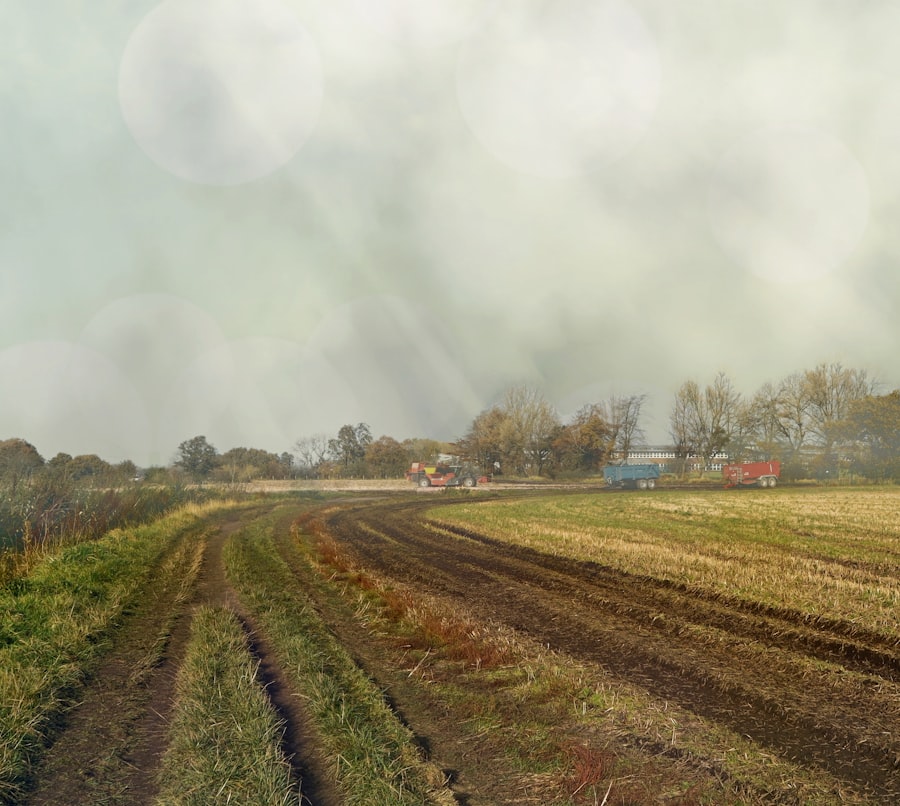
Natural recharge refers to the replenishment of groundwater aquifers through the natural infiltration of precipitation and surface water. It is a slow but consistent process, sculpted by geological formations and ecological systems over millennia. This is the planet’s ancient and enduring pantry, replenished by the steady drip of time and nature’s persistent hand.
The Journey of Water into Aquifers
The infiltration of water into the ground is a complex process influenced by soil type, underlying geology, and vegetation cover. Water that does not evaporate or run off the surface gradually percolates downward, eventually reaching the saturated zone where it becomes groundwater.
Soil Permeability: The Earth’s Porous Skin
Soil acts as the initial filter and conduit for infiltrating water. Soils with high permeability, such as sandy soils, allow water to pass through more readily. Conversely, clayey soils, with their fine particle size, have lower permeability, slowing down infiltration and potentially leading to increased surface runoff.
Geological Formations: Nature’s Plumbing System
Underlying geological formations play a critical role in groundwater movement and storage. Porous and permeable rock layers, such as sandstone and gravel, can store vast quantities of groundwater in what are known as aquifers. Impermeable layers, like shale or granite, can act as barriers, confining aquifers or directing groundwater flow.
Vegetation’s Role: Anchoring and Absorbing
Vegetation cover influences natural recharge in several ways. Plant roots can help to break up soil, improving infiltration. However, plants also absorb water through their roots for transpiration, thereby reducing the amount of water available for groundwater recharge. The balance between these effects depends on the type of vegetation and environmental conditions.
Types of Natural Recharge
Natural recharge processes can be categorized based on the source of the replenishing water.
Direct Recharge: Rainfall’s Gentle Descent
Direct recharge occurs when precipitation directly infiltrates the ground surface of an unconfined aquifer. This is the most straightforward form of natural recharge, where rain or snowmelt soaks into the earth without significant diversion or obstruction.
Indirect Recharge: Rivers and Lakes as Conduits
Indirect recharge occurs when water from surface bodies, such as rivers and lakes, infiltrates into underlying aquifers. This is particularly common in areas where the water level in the river or lake is higher than the groundwater table. These surface water bodies act as living arteries, feeding the subterranean reservoirs.
Artificial Recharge: Nature’s Enhanced Pathways
While strictly not “natural,” artificial recharge techniques are designed to mimic and enhance natural processes. These include methods like spreading basins, injection wells, and managed aquifer recharge schemes, which consciously direct surface water or treated wastewater into aquifers. However, the focus here is on the purely natural processes.
Factors Influencing Natural Recharge Rates
The rate at which aquifers are naturally recharged is influenced by a multitude of factors, leading to significant regional variations.
Precipitation Patterns: The Rhythm of Replenishment
The amount, intensity, and duration of precipitation are fundamental drivers of natural recharge. Regions with consistent and substantial rainfall tend to have higher rates of groundwater recharge. Conversely, arid and semi-arid regions experience significantly lower recharge rates, making their water resources more vulnerable.
Topography and Slope: The Gradient of Gravity
The topography of the land influences how precipitation is distributed. Steep slopes can lead to faster surface runoff, reducing the time available for infiltration. Flatter areas generally promote greater infiltration and thus higher recharge rates, allowing water to linger and seep into the ground.
Soil and Geology: The Earth’s Filtration System
As discussed earlier, the type of soil and the underlying geological formations are critical. Permeable soils and fractured rock formations facilitate greater and deeper infiltration, contributing to more robust natural recharge. Aquifers situated in porous sandstone beds will be replenished differently than those in dense granite.
Comparing the Approaches: A Tale of Two Water Augmentations

The fundamental difference between cloud seeding and natural recharge lies in their origins and their reliance on existing natural processes. Cloud seeding is an active intervention, an attempt to nudge a natural process along, while natural recharge is the ongoing, unassisted work of the planet itself.
Intervention vs. Cultivation: Active Manipulation vs. Passive Nurturing
Cloud seeding is an interventionist approach. It is like a gardener actively trying to coax more fruit from a tree by, for instance, shaking its branches. Natural recharge, on the other hand, is akin to cultivating a healthy garden soil. It relies on creating the right conditions for growth and allowing nature to do the rest.
Scale and Predictability: Localized Bursts vs. Systemic Flow
Cloud seeding operations are typically localized and designed for specific events or regions. Their outcomes can be variable and depend heavily on immediate atmospheric conditions. Natural recharge is a much broader, systemic process. While recharge rates fluctuate with seasonal and climatic patterns, they represent a more predictable and consistent contribution to water availability over larger geographical areas.
Resource Dependency: Chemical Catalysts vs. Environmental Conditions
Cloud seeding requires the artificial introduction of seeding agents, incurring costs related to materials and delivery. Natural recharge is inherently dependent on the availability of precipitation and the prevailing geological and ecological conditions. It does not require external chemical inputs, relying solely on the Earth’s natural systems.
In exploring the ongoing debate between cloud seeding and natural recharge, it is essential to consider various perspectives on water resource management. A related article that delves into the implications of these methods can be found at My Geo Quest, where the effectiveness and environmental impacts of cloud seeding are discussed in detail. Understanding these approaches can help inform better strategies for sustainable water usage in regions facing drought and water scarcity challenges.
The Efficacy Debate: Proving What’s Possible
| Metric | Cloud Seeding | Natural Recharge |
|---|---|---|
| Process | Artificially inducing precipitation by dispersing substances into clouds | Natural infiltration of rainwater and surface water into groundwater aquifers |
| Timeframe | Immediate to short-term (hours to days) | Long-term (weeks to months or years) |
| Effectiveness | Variable; increases precipitation by 5-15% under optimal conditions | Dependent on rainfall, soil permeability, and vegetation cover |
| Cost | Moderate to high (equipment, chemicals, aircraft) | Low (natural process) |
| Environmental Impact | Potential chemical introduction; generally minimal if managed properly | Natural and sustainable |
| Control | Human-controlled and targeted | Uncontrolled and dependent on climate |
| Water Yield | Additional precipitation of 0.1 to 1 mm per seeding event | Varies widely; can recharge aquifers by several centimeters annually |
| Limitations | Requires suitable cloud conditions; weather dependent | Limited by drought, soil compaction, and land use changes |
The effectiveness of cloud seeding remains a subject of ongoing scientific debate and is often difficult to quantify definitively. Natural recharge, while complex to model precisely, is a well-understood and accepted component of the hydrological cycle.
Cloud Seeding: A Whispered Promise or a Roaring Success?
Numerous studies have been conducted on cloud seeding, with some suggesting modest increases in precipitation, while others find no statistically significant effect. The challenges in isolating the impact of seeding from natural variability mean that definitive, universally accepted proof of its widespread efficacy is elusive. The data can be like trying to measure the impact of a single butterfly’s wingbeat on a hurricane; the larger forces often obscure the subtler influence.
Natural Recharge: The Unseen Foundation
The effectiveness of natural recharge is undeniable, even if its precise quantification is challenging. It is the bedrock of our freshwater supply, continuously replenishing rivers, lakes, and vital groundwater reserves. Its consistent, albeit variable, contribution is crucial for long-term water security.
Long-Term Sustainability and Water Security: A Look to the Future
When considering the long-term sustainability of water resources, the reliability and predictability of replenishment methods become paramount.
Cloud Seeding: A Short-Term Fix or a Sustainable Solution?
While cloud seeding might offer localized, short-term increases in precipitation, it is not a solution for chronic water scarcity rooted in fundamental imbalances between supply and demand. Its reliance on specific weather conditions and the inherent uncertainties surrounding its effectiveness raise questions about its role as a foundational strategy for long-term water security. It is akin to a temporary loan in a financial crisis; it might offer immediate relief, but it does not fix the underlying economic structure.
Natural Recharge: The Ever-Renewing Pipeline
Natural recharge, on the other hand, represents a sustainable and renewable source of water. Protecting and enhancing natural recharge processes, through measures like watershed management and preventing groundwater over-extraction, is crucial for ensuring the long-term availability of freshwater. Investing in the health of the Earth’s natural water cycle is an investment in our future.
Conclusion: A Harmonious Integration for Water Resilience
Neither cloud seeding nor natural recharge exists in isolation. In the context of modern water management, both may play a role, but their strengths and limitations must be clearly understood. Natural recharge forms the essential, ongoing foundation of water availability. Cloud seeding, when employed judiciously and with realistic expectations, might serve as a supplementary tool in specific circumstances where demonstrable positive impacts can be achieved under ideal conditions. However, the focus for enduring water security must invariably rest on understanding, protecting, and judiciously managing the planet’s magnificent and intricate systems of natural recharge. The ultimate goal is not to outsmart nature, but to work in partnership with it, ensuring that the whispers of distant clouds join the enduring song of the Earth’s vital water cycle.
WATCH NOW ▶️ SHOCKING: The $12 Trillion Lie Starving The World
FAQs
What is cloud seeding?
Cloud seeding is a weather modification technique that involves dispersing substances like silver iodide or salt particles into clouds to encourage precipitation, such as rain or snow. It aims to enhance rainfall in targeted areas.
What does natural recharge mean in the context of water resources?
Natural recharge refers to the process by which groundwater aquifers are replenished through natural means, primarily from precipitation infiltrating the soil and percolating down to underground water reservoirs.
How does cloud seeding differ from natural recharge?
Cloud seeding is an artificial intervention designed to increase precipitation, while natural recharge is a passive, natural process where water from rainfall or surface water infiltrates the ground to replenish aquifers without human intervention.
Can cloud seeding effectively increase groundwater recharge?
Cloud seeding can potentially increase surface precipitation, which may contribute to groundwater recharge if the additional rainfall infiltrates the soil. However, its effectiveness depends on various factors such as cloud conditions, soil permeability, and local hydrology.
Are there environmental concerns associated with cloud seeding?
Yes, some concerns include the potential impact of chemicals used in cloud seeding on the environment, changes in local weather patterns, and the uncertainty of long-term effects. However, many studies suggest that when properly managed, cloud seeding is generally safe.