
Understanding the intricate behavior of rivers requires delving into a multifaceted field, often referred to as river physics. This discipline seeks to unravel the fundamental principles that govern the flow of water, the erosion and deposition of sediment, and the dynamic evolution of river channels. At its core, river physics is concerned with the interplay between fluid mechanics, geomorphology, and hydrology, offering insights into both the origins of these vital waterways and their ever-changing nature.
The formation of river systems is not a spontaneous event but rather a consequence of geological processes and hydrological forces acting over extended periods. These “origin contracts” are the foundational blueprints that dictate the initial pathways rivers will carve.
Tectonic Influences and Drainage Basin Formation
The grand architecture of a landscape, shaped by tectonic uplift and subsidence, is the primary stage upon which rivers begin their journey. Mountain ranges, formed by colliding tectonic plates, create elevated regions that act as the initial sources of water. Fault lines and grabens can also define broad valleys, guiding the initial flow patterns. The topography, a direct consequence of these large-scale geological forces, dictates where water will gather and begin its descent. Imagine the Earth’s crust as a crumpled piece of paper; the folds and creases are the tectonic influences that determine the large-scale depressions where water can pool and then flow.
Precipitation Patterns and Surface Runoff
The availability of water is the essential ingredient for river formation. Global precipitation patterns, influenced by atmospheric circulation and continental configurations, determine the volume and distribution of rainfall and snowfall. When precipitation exceeds the land’s infiltration capacity or is delivered at a rate faster than it can be absorbed, surface runoff begins. This initial overland flow, often appearing as thin sheets, seeks the lowest points in the terrain, a fundamental principle of gravity.
Initial Channel Incision and the Role of Gravity
Gravity is the relentless architect of river channels. Once water begins to accumulate and flow downhill, it exerts erosive power on the underlying material. Even a gentle slope, given enough time and water volume, can initiate the process of incision. Small rills and gullies form, coalescing into larger streams. This initial carving of the landscape is a feedback loop: as water flows, it erodes, and as it erodes, it creates pathways for more water to flow, amplifying the process. The path of least resistance, dictated by gravity and the varying erodibility of the bedrock and soil, is what guides this nascent channel development.
The Influence of Lithology and Soil Properties
The geological makeup of the land, known as lithology, plays a crucial role in how easily a river can carve its path. Hard, resistant rocks like granite can form steep valleys and rapids, while softer sedimentary rocks may be eroded more readily, leading to wider, gentler valleys. The properties of the soil, including its texture, permeability, and cohesion, also influence erosion rates. Loose, sandy soils are more easily transported by flowing water than dense, clay-rich soils. These material properties act as the resistance or susceptibility of the land to the erosive forces of water.
In exploring the intricate relationship between optional origin contracts and river physics, one can gain valuable insights from the article available at My Geo Quest. This resource delves into how the dynamics of river systems can influence contractual agreements related to water rights and resource management, highlighting the importance of understanding both legal frameworks and environmental factors in sustainable development.
Optional Dynamics: The Fluid Mechanics of Flow
Once a river system is established, its behavior is governed by a complex set of fluid dynamic principles. These “optional dynamics” describe the forces and interactions that dictate how water moves, its velocity, and the energy it carries.
Laminar vs. Turbulent Flow
The nature of water flow within a river can broadly be categorized into laminar and turbulent regimes. Laminar flow is characterized by smooth, orderly layers of water moving parallel to each other, like a stack of perfectly aligned cards. This occurs at low velocities and in narrow, shallow channels. Turbulent flow, on the other hand, is chaotic and irregular, with eddies and swirls that mix the water vigorously. This is the more common state in most rivers, especially at higher velocities. The transition from laminar to turbulent flow is governed by the Reynolds number, a dimensionless quantity that takes into account velocity, fluid density, viscosity, and channel dimensions. Understanding this transition is akin to understanding the difference between a quiet, placid lake and a churning whitewater rapid.
Water Velocity and Shear Stress
The velocity of river water is not uniform throughout its cross-section. It is typically highest at the free surface in the center of the channel and lowest near the bed and banks due to frictional resistance. This velocity gradient generates shear stress at the riverbed and banks, the force exerted by the flowing water on the solid boundary. This shear stress is the primary driver of sediment transport and erosion. Imagine the flowing water as a continuous brush, and the shear stress as the bristles pushing and abrading the underlying surface. The greater the velocity and the more viscous the fluid (less “slippery”), the stronger the push.
Energy Dissipation and the Role of Friction
As water flows, it encounters resistance from the riverbed, banks, and internal friction within the fluid itself. This friction leads to energy dissipation, where the kinetic energy of the flow is converted into heat. This energy loss is a crucial factor in determining the river’s ability to transport sediment and its overall erosive power. Smoother riverbeds and channels with less debris will experience less friction and thus dissipate less energy, allowing the water to maintain higher velocities and transport more material. This is like the difference between a perfectly smooth waterslide and one with bumps and rough patches; the smoother slide allows for greater speed and less energy loss.
Momentum Transfer and Eddy Viscosity
In turbulent flow, momentum is transferred through the fluid via a process resembling molecular diffusion, but on a much larger scale. This process is often described using the concept of eddy viscosity. Eddies, the swirling masses of water in turbulent flow, effectively mix fluid parcels and transfer momentum throughout the flow field. This mixing is far more efficient than molecular diffusion, leading to a more uniform distribution of velocity and shear stress across the channel. Understanding how momentum is transferred is key to predicting how energy will behave within the river.
The Influence of Channel Morphology on Flow Dynamics
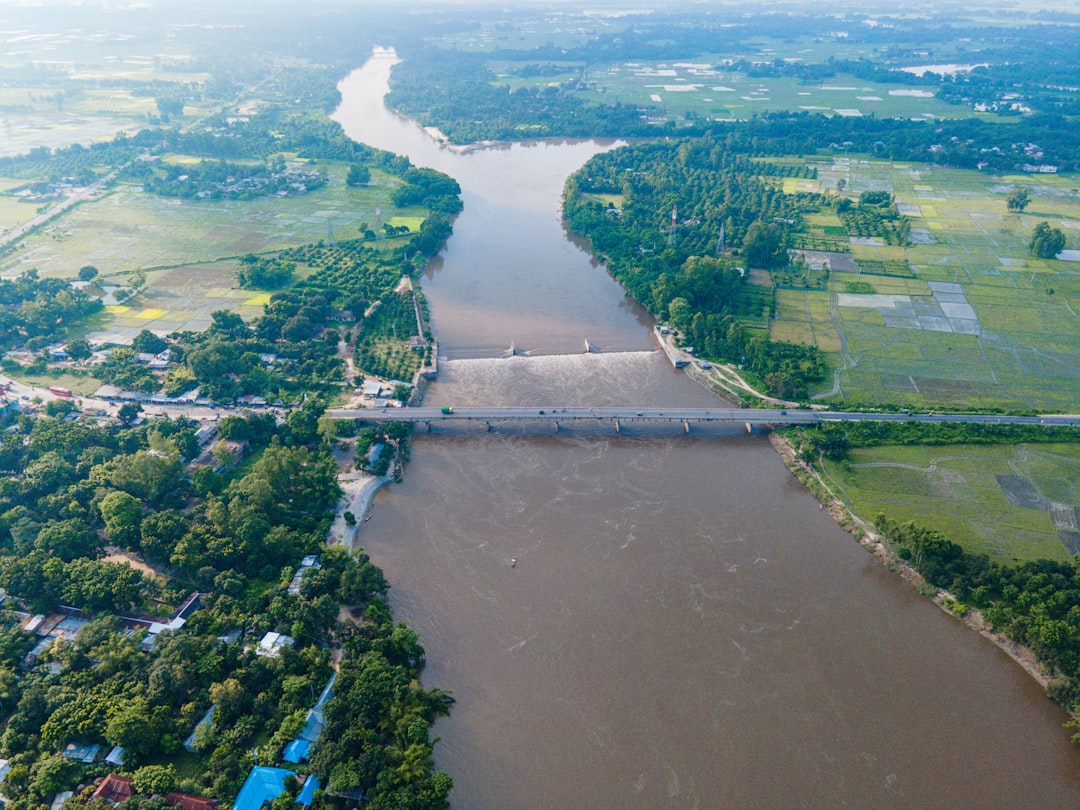
The shape and form of the river channel itself profoundly influence its flow dynamics. Meanders, for instance, create complex flow patterns with higher velocities on the outer banks (leading to erosion) and lower velocities on the inner banks (leading to deposition). Pool-and-riffle sequences, common in mountain streams, represent variations in velocity and depth that are directly tied to the underlying channel geometry. Straight sections tend to have more uniform flow, while bends introduce helical flow patterns, where water spirals downstream, further complicating the distribution of shear stress. The channel is not just a passive conduit; it is an active participant in shaping the flow.
Sediment Transport: The River’s Burden

Rivers are not merely conduits of water; they are also powerful agents of sediment transport. The materials eroded from the land are carried downstream, shaping the riverbed and influencing the surrounding landscape. This is the river’s constant “burden,” a testament to its erosive power.
Particle Entrainment and Bed Load
The process by which sediment particles are picked up and moved by the flowing water is called entrainment. This is initiated when the shear stress exerted by the water exceeds the critical shear stress required to dislodge a particle. Sediment that moves along the riverbed, bouncing, rolling, or sliding, is known as bed load. The size and density of the sediment particles, as well as the flow velocity and turbulence, all play a role in determining what can be entrained and how it will move. Imagine trying to roll a small pebble versus a large boulder; the force required will be vastly different, just as the force of the water needed to move different sized sediment grains varies.
Suspended Load and Wash Load
Much of the finer sediment, such as silt and clay, is carried within the water column, not in direct contact with the bed. This is termed the suspended load. The turbulence of the flow keeps these particles suspended, preventing them from settling out. A further distinction is made with the wash load, which comprises the very finest particles that are rarely deposited and are not in equilibrium with the riverbed. These particles are essentially carried along for the ride, often originating from diffuse sources and representing material that is readily transported.
Sediment Sorting and Deposition
As flow velocity varies along a river, so does its capacity to transport sediment. When the flow slows down, its energy decreases, and it can no longer carry all of its sediment load. This leads to deposition. The process is not random; larger, heavier particles are deposited first in areas of lower velocity, while finer particles are carried further downstream to areas of even lower energy. This sorting process leads to the characteristic stratification of sediments found in river deposits. It’s a bit like a conveyor belt that slows down; the heavier items fall off first, while lighter ones continue to travel.
Saltation and the Movement of Bed Load
Bed load sediment moves in a series of hops and bounds known as saltation, or by rolling and sliding along the bed. Particles lifted by turbulent eddies are carried a short distance downstream before impacting the bed and potentially dislodging other particles. The angle of the riverbed, the size and shape of the particles, and the intensity of the turbulence all influence the dynamics of saltation. This is a highly active and dynamic form of transport, constantly reshaping the riverbed.
The Impact of Human Activities on Sediment Dynamics
Human activities, such as deforestation, agriculture, and dam construction, can significantly alter riverine sediment dynamics. Deforestation and agriculture can increase erosion rates, leading to higher sediment loads in rivers, potentially causing siltation and impacting aquatic habitats. Conversely, dams trap sediment, starving downstream reaches of essential material and altering channel morphology. Understanding these anthropogenic impacts is crucial for sustainable river management.
Channel Dynamics: The River’s Evolving Form

River channels are not static entities; they are dynamic systems that constantly evolve in response to the interplay of water flow, sediment transport, and the underlying geomorphology. These “channel dynamics” describe the processes that shape and reshape the river over time.
Meandering Rivers: The Dance of the Bend
Meandering rivers, characterized by their sinuous, S-shaped curves, are a common and fascinating geomorphic feature. The formation of meanders is driven by the tendency of flowing water to erode the outer bank of a bend (where velocity is highest) and deposit sediment on the inner bank (where velocity is lowest). This process creates a feedback loop, with each meander becoming more pronounced over time. The river, in its meandering path, is constantly seeking to balance erosive and depositional forces, leading to this characteristic form.
Channel Widening and Deepening
Rivers can widen or deepen their channels through various processes. Widening can occur through bank erosion, often exacerbated by high flows, floods, or human activities that destabilize the banks. Deepening, or scour, is typically caused by concentrated erosive forces, such as those found at the base of obstacles or in areas of high velocity, like the plunge pools below waterfalls. These processes contribute to the overall evolution of the river’s cross-sectional geometry.
Braided Rivers: A Network of Channels
Braided rivers, common in areas with high sediment loads and fluctuating flow regimes, are characterized by a network of interconnected channels that divide and rejoin. This occurs when sediment deposited in the channel blocks the flow, forcing it to split into multiple smaller pathways. These channels are often shallow and wide, with numerous bars of sand and gravel separating them. The braided nature reflects a river struggling to maintain a single, efficient path through an abundance of available sediment.
Avulsion: The River’s Sudden Shift
Avulsion is a dramatic process where a river abandons its existing channel and forms a new one. This can occur when sediment accumulation raises the riverbed to the point where it can overtop its banks during a flood, or when a natural levee breaches. Avulsion can drastically alter the landscape, creating new floodplains and leaving behind abandoned channels, known as oxbow lakes. It represents a significant and often sudden change in the river’s course, a dramatic reallocation of its watery resources.
The Role of Vegetation in Channel Stability
Vegetation plays a crucial role in stabilizing riverbanks and influencing channel morphology. Plant roots can bind soil particles together, reducing erosion rates. Vegetation can also influence flow velocity by increasing roughness and creating flow discontinuities. In some cases, dense vegetation can even guide the flow and contribute to channel stability. Conversely, the removal of vegetation can significantly increase bank erosion and destabilize channels.
In exploring the intricate relationship between optional origin contracts and river physics, one can gain valuable insights into how these concepts interact within the broader context of environmental management. A related article that delves deeper into these themes can be found at this link, which discusses the implications of river dynamics on contractual agreements in resource management. Understanding these connections is essential for developing effective strategies that balance economic interests with ecological sustainability.
Factors Influencing River Dynamics: A Multifaceted Equation
| Metric | Description | Value | Unit | Relevance to Optional Origin Contracts |
|---|---|---|---|---|
| Flow Rate | Volume of water passing a point per unit time | 500 | m³/s | Determines water availability for contract fulfillment |
| Sediment Load | Mass of sediment transported by the river | 150 | kg/s | Impacts riverbed stability affecting contract terms |
| Water Temperature | Temperature of river water | 18 | °C | Affects water quality clauses in contracts |
| Contract Flexibility Index | Measure of optionality in origin contracts | 0.75 | Dimensionless | Indicates adaptability to changing river conditions |
| River Discharge Variability | Standard deviation of flow rate over time | 120 | m³/s | Influences risk assessment in contracts |
| Contract Duration | Length of contract validity | 12 | Months | Aligns with seasonal river physics changes |
The behavior of any given river is a complex outcome of numerous interacting factors. Understanding these influences is key to comprehending the observed “dynamics” of river systems. This is where the science moves from general principles to specific applications.
Discharge: The Lifeblood of the River
River discharge, the volume of water flowing past a point per unit of time (often measured in cubic meters per second or cubic feet per second), is arguably the most significant factor influencing river dynamics. Higher discharge generally leads to increased flow velocity, greater erosive power, and a higher capacity for sediment transport. Fluctuations in discharge, from seasonal variations to sudden floods, are the primary drivers of change in river systems. Imagine discharge as a tap; turning it up increases the volume and force of the water, impacting everything downstream.
Sediment Load and Grain Size Distribution
The amount and type of sediment a river carries, its sediment load, are critical in shaping its morphology. Rivers with high sediment loads, particularly those with coarse-grained material, tend to develop wider, shallower, and more braided channels. The grain size distribution dictates how easily sediment can be entrained and transported, influencing the erosive and depositional processes. A river carrying fine sand will behave very differently from one laden with large gravel.
Bedrock Geology and Valley Morphology
The underlying bedrock geology and the overall morphology of the valley in which a river flows exert a strong control on its behavior. Rivers flowing through hard, resistant bedrock will tend to have steeper gradients and narrower channels, while those in softer sedimentary formations may develop wider, more gently sloping valleys. The pre-existing topography acts as a fundamental constraint and guide for river development.
Climate and Hydrological Regimes
Long-term climatic patterns and resulting hydrological regimes (e.g., arid, temperate, tropical) dictate the availability of water and the frequency and intensity of floods. Regions with high rainfall and snowmelt will generally support larger, more energetic rivers with more dynamic behavior than arid regions. The climate effectively sets the stage for the type and intensity of riverine processes.
Anthropogenic Impacts: A Growing Influence
Human activities have become increasingly dominant factors influencing river dynamics. Urbanization, agriculture, dam construction, water abstraction, and channelization (straightening or deepening of channels) all have profound and often detrimental effects on river systems. Understanding these impacts is essential for effective river management and conservation. These impacts are like introducing foreign bodies into a well-functioning ecosystem; they disrupt the natural balance.
The Interplay of Factors: A Complex System
It is crucial to recognize that these factors do not operate in isolation. They interact in complex ways to produce the unique characteristics of each river system. For instance, a river with high discharge and a large sediment load flowing through easily erodible bedrock will exhibit far more dynamic channel changes than a river with low discharge flowing through resistant bedrock. This interconnectedness creates a complex, dynamic system that is a constant balancing act.
WATCH NOW ▶️ SHOCKING: The $12 Trillion Lie Starving The World
FAQs
What are optional origin contracts in the context of river physics?
Optional origin contracts refer to agreements or models that allow flexibility in defining the starting point or source of a river system for scientific, legal, or management purposes. In river physics, this concept helps in analyzing flow dynamics and sediment transport from various potential origins.
How does river physics help in understanding river behavior?
River physics studies the physical processes governing river flow, sediment movement, channel formation, and interactions with the surrounding environment. It uses principles from fluid mechanics and geomorphology to predict river behavior under different conditions.
Why is the origin point of a river important in river physics studies?
The origin point determines initial flow conditions, sediment load, and watershed characteristics, which influence downstream hydrodynamics and morphology. Accurate identification of the river origin is crucial for modeling flow patterns and managing water resources effectively.
Can optional origin contracts affect water resource management?
Yes, by allowing flexibility in defining river origins, optional origin contracts can impact water rights, allocation, and conservation strategies. They enable stakeholders to consider multiple source points, which may affect legal and environmental management decisions.
What methods are used to determine the origin of a river in river physics?
Methods include hydrological mapping, satellite imagery analysis, field surveys, and modeling of watershed hydrodynamics. These techniques help identify the most significant source streams or springs contributing to the river’s flow.