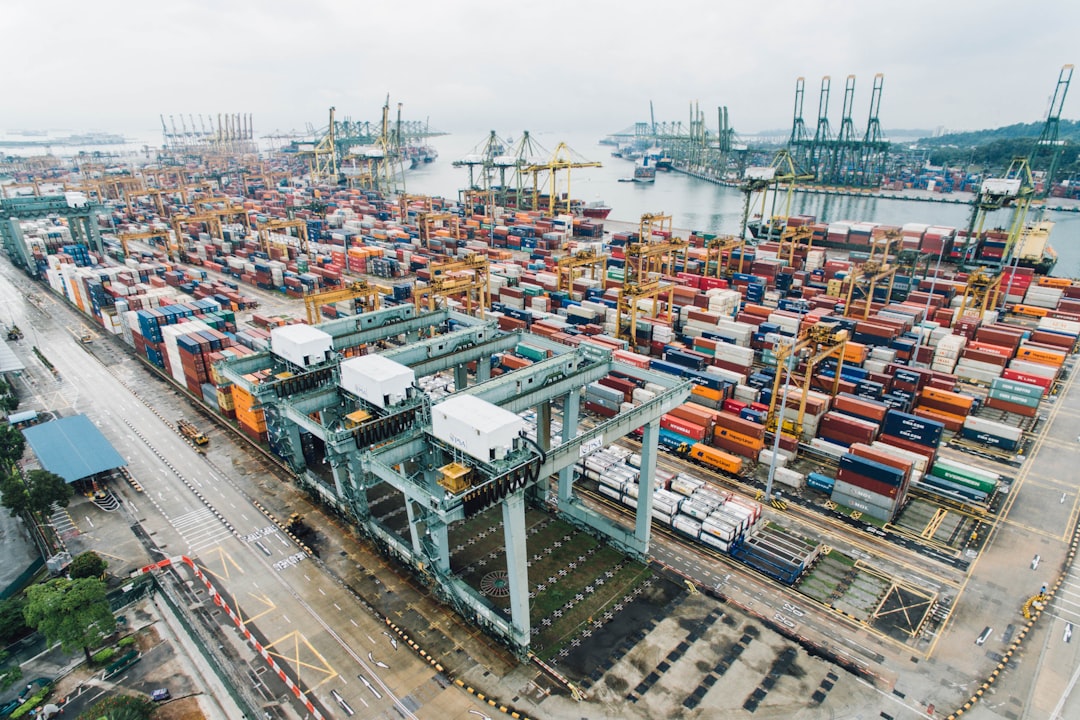
The Malacca Strait, a narrow waterway, serves as a critical artery for global commerce, facilitating the movement of approximately 30% of the world’s maritime trade. This vital chokepoint, connecting the Indian Ocean to the Pacific Ocean, is a linchpin in international supply chains, carrying oil, manufactured goods, and raw materials between East and West. Its strategic significance has been recognized for centuries, influencing historical empires and continuing to shape geopolitical dynamics in the modern era. Understanding the role of the Malacca Strait is crucial to comprehending the intricate web of global trade and the vulnerabilities inherent in such concentrated lifelines.
This section details the physical characteristics of the Malacca Strait and its geographical context, underscoring why it holds such unparalleled importance.
Defining the Strait: Dimensions and Boundaries
The Malacca Strait is defined by its geographical boundaries and physical dimensions. Its northern terminus meets the Andaman Sea, part of the Indian Ocean, and its southern end opens into the Singapore Strait, leading to the South China Sea and the Pacific Ocean. The strait itself is approximately 550 miles (890 kilometers) long. At its narrowest point, between the Tengar Island off the Malaysian coast and the Indonesian island of Sumatra, the strait is only about 1.7 miles (2.8 kilometers) wide. This constricted passage is a stark contrast to its immense traffic volume, creating a sense of perpetual motion within a confined space. The average depth varies, but in some key shipping lanes, it can be as shallow as 80 feet (24 meters), necessitating careful navigation for larger vessels. The geographical imperative of this narrow passage is what forces the vast majority of shipping between certain regions to funnel through.
Strategic Location: Connecting Continents and Oceans
The Malacca Strait’s location is its primary asset. It lies at the crossroads of major shipping routes, effectively acting as a bridge between Asia and the rest of the world.
East-West Maritime Connectivity
For vessels traveling from the Middle East and Africa to East Asia, or vice versa, the Malacca Strait is often the most direct and economically viable route. Bypassing it would involve significantly longer voyages around the Indonesian archipelago or through the Indian Ocean, adding substantial time and cost to transit. This geographical shortcut is a fundamental driver of the strait’s traffic volume.
Gateway to Asia’s Economic Powerhouses
The strait is the primary maritime conduit for goods destined for and originating from some of the world’s most dynamic economies, including China, Japan, South Korea, and Southeast Asian nations. The sheer volume of manufactured goods, electronics, and components that flow through this passage highlights its role in sustaining global economic activity.
The Straits Settlements and Historical Significance
The historical importance of the Malacca Strait is deeply intertwined with the rise and fall of maritime powers and the establishment of key trading posts.
Pre-Colonial Trade Routes
Even before European exploration, the Malacca Strait was a crucial hub for regional trade, connecting the maritime empires of Southeast Asia with India and China. Its strategic location facilitated the exchange of spices, textiles, and other valuable commodities, making it a coveted territory for regional powers.
European Colonial Influence
The arrival of European powers in the 15th and 16th centuries marked a new era for the Malacca Strait. Control of the strait offered immense economic and military advantages.
The Portuguese Capture of Malacca
The Portuguese, under Afonso de Albuquerque, captured Malacca in 1511. This event was a pivotal moment, establishing European dominance in the region and securing a vital trading post that controlled the flow of spice trade. The capture of Malacca was akin to seizing a key to a treasure chest, unlocking immense wealth for European powers.
British and Dutch Rivalries
Following the Portuguese, the Dutch and later the British vied for control of the Strait and its surrounding territories. The Anglo-Dutch Treaty of 1824, which largely demarcated spheres of influence, solidified British dominance over the northern end of the strait and the establishment of Singapore as a key port. This rivalry over control underscores the strait’s immense strategic and economic value throughout history.
The Malacca Strait is one of the world’s most crucial maritime trade routes, with a significant percentage of global trade passing through it. For a deeper understanding of the economic impact and the volume of trade that traverses this vital waterway, you can explore the article available at this link. This resource provides insights into the strategic importance of the Malacca Strait and its role in international shipping and trade dynamics.
The Economic Engine: Fueling Global Trade
The Malacca Strait is not just a geographical feature; it is a pulsating artery of commerce, vital for the functioning of the global economy.
Shipping Volumes: A Constant Flow of Goods
The sheer volume of ships transiting the Malacca Strait is staggering, reflecting its indispensable role.
Tankers and Bulk Carriers
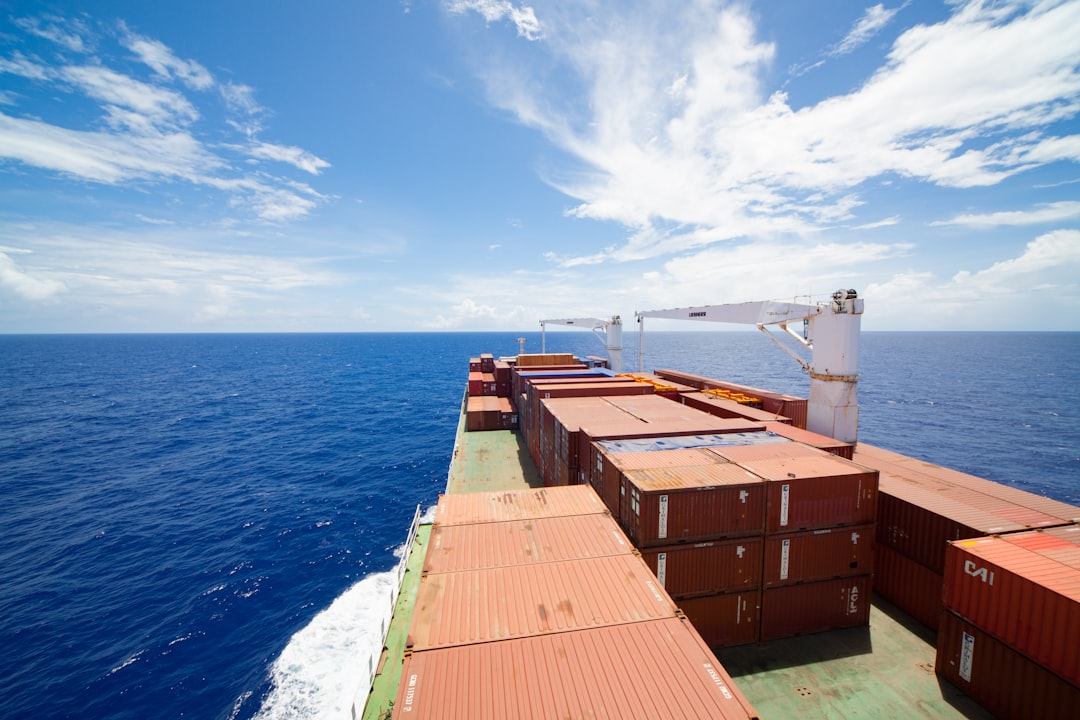
A significant portion of the traffic comprises oil tankers, carrying crude oil and refined petroleum products from the Middle East to East Asian refineries, and also LNG carriers, transporting liquefied natural gas. Additionally, bulk carriers transport raw materials like coal, iron ore, and grains essential for industrial production and food security. The strait is a highway for these behemoths of trade, moving the lifeblood of industrial economies.
Container Ships and Manufactured Goods
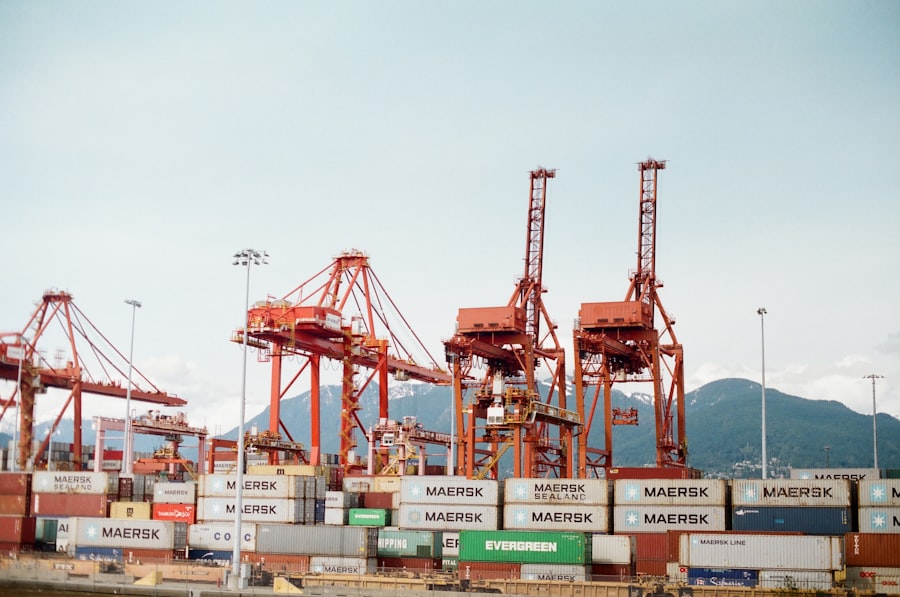
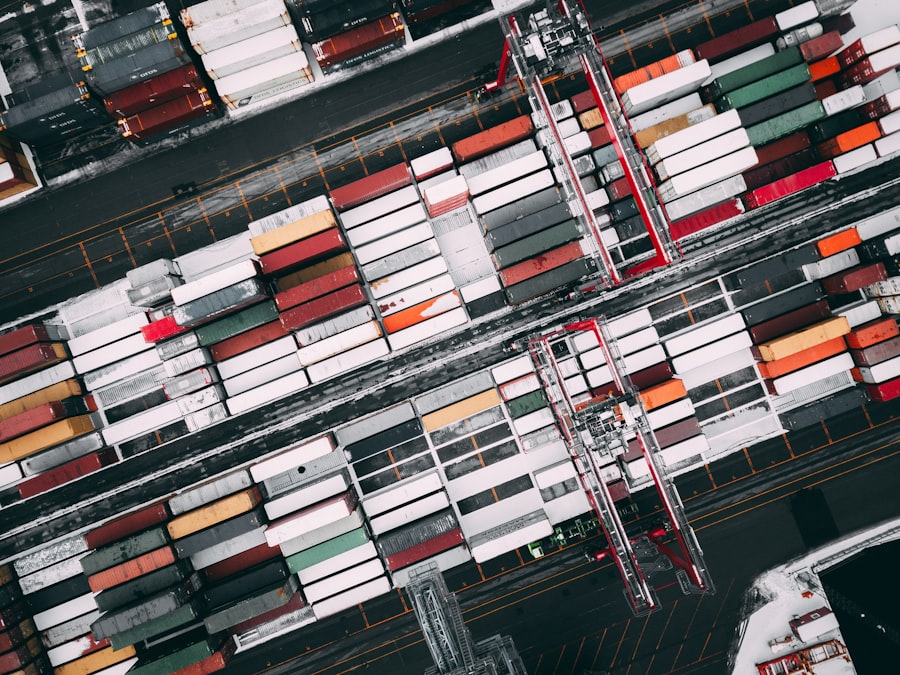
The growth of containerized shipping has further amplified the strait’s importance. Millions of twenty-foot equivalent units (TEUs) pass through annually, carrying everything from electronics and textiles to automobiles and consumer goods. The sheer density of these vessels creates a visually impressive, albeit complex, maritime ballet.
Trade Routes and Economic Interdependence
The Malacca Strait is a nexus connecting disparate economies, fostering a delicate interdependence.
Asia-Europe Trade
The strait is the primary maritime route for trade between Europe and East Asia. This vital corridor sustains industries in both regions, facilitating the movement of high-value goods and raw materials. The efficiency of this route profoundly impacts prices and availability for consumers and businesses alike.
Intra-Asian Trade
Beyond East-West routes, the Malacca Strait is also a crucial artery for intra-Asian trade. It connects manufacturing hubs with consumer markets within Asia, supporting regional economic integration and growth. The flow of goods within the continent is as vital as the flow to external markets.
Economic Impact on Littoral States
The riparian countries – Malaysia, Singapore, and Indonesia – derive substantial economic benefits from the strait’s prominence.
Port Development and Infrastructure
The countries bordering the strait have invested heavily in port infrastructure to capitalize on the traffic. Ports like Singapore, Port Klang, and others are highly developed, offering advanced logistical services, ship repair, and bunkering facilities. These ports function as critical nodes in the global supply chain, offering services that are indispensable for the smooth operation of maritime trade.
Employment and Revenue Generation
The maritime industry, fueled by the strait, generates significant employment opportunities in shipping, logistics, port management, and related services. Furthermore, transit fees, port charges, and associated economic activities contribute substantially to the national revenues of these countries.
Security Challenges: Navigating Perils and Threats
While being a lifeline, the Malacca Strait is also a focal point of security concerns, presenting a unique set of challenges to international trade and regional stability.
Piracy and Armed Robbery
Historically, the Malacca Strait has been a hotbed for piracy, although concerted efforts have led to a decrease in incidents. However, the threat remains, particularly in certain stretches of the strait and its approaches.
Evolution of Piracy Tactics
Pirates have evolved their tactics, moving from opportunistic boardings to more sophisticated attacks, often targeting vessels at anchor or during slow transits. The risk of such incidents, though diminished, still necessitates vigilance and robust security measures.
International Cooperation in Counter-Piracy
Coordinated efforts by the littoral states, along with international navies and coast guards, have been crucial in combating piracy. Joint patrols, information sharing, and naval exercises are vital components of this collaborative approach. The commitment to ensuring safe passage is a shared responsibility.
Maritime Security and Geopolitical Tensions
The strategic importance of the Malacca Strait makes it a potential flashpoint for regional geopolitical tensions.
Freedom of Navigation
Ensuring freedom of navigation through the strait is a paramount concern for many nations, particularly those heavily reliant on maritime trade. Any disruption or impediment to passage could have far-reaching economic consequences. The principle of free passage is a cornerstone of international maritime law.
Regional Naval Presence and Exercise Zones
The presence of various national navies and the conduct of military exercises in and around the strait can sometimes create sensitivities. Balancing national security interests with the need for unimpeded international trade is a delicate ongoing process. The strait is a shared waterway, and managing its use requires careful consideration of all stakeholder interests.
Chokepoint Vulnerability and Emergency Preparedness
The inherent narrowness of the Malacca Strait makes it inherently vulnerable to incidents that could block passage.
Collision Risks
The high density of shipping traffic, especially in the narrower sections, increases the risk of collisions between vessels. A major collision could lead to prolonged closure of the strait, causing significant disruptions to global trade.
Environmental Disasters and Mitigation
An oil spill or other environmental disaster in the strait could have devastating consequences for marine ecosystems and regional economies, further compounding the impact of a shipping blockage. Preparedness and rapid response mechanisms are therefore crucial. The strait is a fragile ecosystem, and its protection is as important as its use.
Alternative Routes and Diversification Strategies
The inherent risks associated with relying on a single chokepoint have prompted discussions and efforts towards exploring alternative routes and diversifying trade dependencies.
The Lombok Strait and Sunda Strait Alternatives
While less efficient and generally deeper, the Lombok Strait and Sunda Strait, located east of Java, offer alternative passages for certain types of vessels.
Limitations and Suitability
These routes are longer and have different navigational challenges compared to the Malacca Strait. They are not always suitable for all vessel types and may not offer the same economic advantages for all trade flows. The suitability of these alternatives is often dictated by the specific cargo and destination.
Capacity Constraints
The capacity of these alternative straits is significantly less than that of the Malacca Strait. A substantial shift in traffic would strain their infrastructure and navigational capabilities.
Overland Routes and Infrastructure Development
In some instances, overland transportation links are considered as complementary or alternative solutions to maritime routes.
Trans-Continental Rail and Road Networks
The development of robust rail and road networks across continents can help to move certain goods more directly, bypassing maritime chokepoints. Projects like China’s Belt and Road Initiative aim to enhance such connectivity, though they face their own logistical and geopolitical complexities. These overland arteries can act as bypasses, offering a different kind of connectivity.
Pipeline Networks
For bulk commodities like oil and natural gas, the development of extensive pipeline networks can provide a more secure and direct means of transport, reducing reliance on sea lanes. However, such infrastructure is capital-intensive and geographically specific.
Strategic Reserves and Supply Chain Resilience
For nations heavily dependent on imports, maintaining strategic reserves of critical goods can act as a buffer against disruptions in supply chains.
Stockpiling of Energy and Foodstuffs
Governments often maintain strategic petroleum reserves and stockpiles of essential foodstuffs to mitigate the impact of unforeseen events or disruptions to maritime trade. This foresight is crucial for national security and economic stability. These reserves serve as a cushion against the shocks the global trading system can experience.
Diversification of Sourcing
Reducing reliance on a single supplier or region for critical goods and raw materials is another key strategy for enhancing supply chain resilience. This involves developing relationships with multiple sources and encouraging domestic production where feasible.
The Malacca Strait is a vital waterway for global trade, with a significant percentage of the world’s shipping traffic passing through it. This narrow passage not only connects the Indian Ocean to the South China Sea but also serves as a crucial route for oil and goods heading to various parts of Asia and beyond. For more insights into the importance of this strategic strait and its impact on international trade, you can read a related article on this topic at My Geo Quest. Understanding the dynamics of the Malacca Strait is essential for grasping the complexities of global commerce.
The Future of the Malacca Strait: Evolving Dynamics and Enduring Importance
| Metric | Value | Unit | Year | Notes |
|---|---|---|---|---|
| Annual Trade Volume | 80,000 | Million Tons | 2023 | Estimated total cargo passing through the Strait |
| Percentage of Global Trade | 25 | % | 2023 | Share of global maritime trade volume |
| Number of Vessels Annually | 100,000 | Ships | 2023 | Average number of vessels passing through |
| Oil Tanker Traffic | 15 | Million Barrels per Day | 2023 | Crude oil transported through the Strait |
| Container Traffic | 15 | Million TEUs | 2023 | Twenty-foot Equivalent Units (TEUs) container throughput |
The Malacca Strait’s role in global trade is likely to persist, albeit with evolving dynamics influenced by technological advancements, geopolitical shifts, and the growing imperative of sustainability.
Technological Advancements in Shipping
Innovations in maritime technology are set to impact operations within the strait.
Autonomous Shipping and Digitalization
The advent of autonomous vessels and advanced digitalization of maritime operations could lead to more efficient and safer navigation, potentially increasing the capacity and reducing the risks associated with the strait’s congestion. This technological wave promises a more streamlined future for maritime operations.
Vessel Size and Efficiency
The trend towards even larger and more fuel-efficient vessels will continue, requiring ongoing investment in port infrastructure and navigation capabilities within the strait. The evolution of ships necessitates a corresponding evolution of the pathways they traverse.
Geopolitical Considerations and Regional Cooperation
The geopolitical landscape surrounding the Malacca Strait is constantly shifting, with implications for its future.
Increased Regional Naval Cooperation
Enhanced cooperation among the littoral states and other regional powers in maritime security, search and rescue, and environmental protection is crucial for the long-term stability and safety of the strait. Building bridges of cooperation is essential for navigating future challenges.
The Role of Major Powers
The engagement and interests of major global powers in the Indo-Pacific region will continue to influence the strategic calculus surrounding the Malacca Strait, necessitating careful diplomatic engagement and a commitment to de-escalation. The strait sits at a nexus of global power dynamics.
Environmental Stewardship and Sustainable Trade
Growing awareness of environmental issues will necessitate a greater focus on sustainable practices within the Malacca Strait.
Marine Ecosystem Protection
The unique marine ecosystems of the Malacca Strait are vulnerable to the impacts of intense shipping activity. Implementing stricter environmental regulations and promoting responsible shipping practices will be essential for preserving this vital natural resource. The strait is not just a commercial highway, but a living environment that requires protection.
Decarbonization of Shipping
The global push towards decarbonization will require significant investment in cleaner fuels and more efficient maritime technologies, impacting the types of vessels that transit the strait and the operational standards within it. The shift towards a greener future will undoubtedly reshape maritime operations within this critical waterway.
In conclusion, the Malacca Strait remains an indispensable gateway for a significant portion of global trade. Its strategic geography, historical significance, and economic impact are undeniable. While challenges related to security and congestion persist, ongoing efforts towards cooperation, technological adaptation, and sustainable practices will shape its future. The strait is not merely a passage; it is a testament to the interconnectedness of the global economy and a symbol of the critical arteries that sustain international commerce in the 21st century. Its continued accessibility and safe passage are paramount to the prosperity and stability of nations worldwide.
WATCH NOW ▶️ SHOCKING: Malacca: The $10 Trillion Lie Revealed
FAQs
1. What is the Malacca Strait and where is it located?
The Malacca Strait is a narrow, 550-mile-long waterway between the Malay Peninsula and the Indonesian island of Sumatra. It connects the Andaman Sea (Indian Ocean) to the South China Sea (Pacific Ocean) and is one of the most important shipping lanes in the world.
2. How much global trade passes through the Malacca Strait?
Approximately 25% of the world’s traded goods, including about 50,000 vessels annually, pass through the Malacca Strait. It is a critical route for oil, natural gas, and manufactured goods traveling between the Middle East, Africa, Europe, and East Asia.
3. Why is the Malacca Strait so important for international shipping?
The Malacca Strait is the shortest sea route between the Indian Ocean and the Pacific Ocean, making it the most efficient and cost-effective passage for maritime trade between Europe, the Middle East, and East Asia. Its strategic location significantly reduces travel time and shipping costs.
4. What types of cargo are commonly transported through the Malacca Strait?
The Malacca Strait primarily handles crude oil, petroleum products, liquefied natural gas (LNG), coal, and manufactured goods such as electronics and machinery. It is a vital corridor for energy supplies to East Asian countries like China, Japan, and South Korea.
5. Are there any risks or challenges associated with shipping through the Malacca Strait?
Yes, the Malacca Strait faces challenges such as piracy, maritime accidents, and congestion due to heavy traffic. Additionally, its narrowness and shallow depth in some areas can pose navigational risks. Efforts are ongoing to enhance security and improve maritime safety in the region.