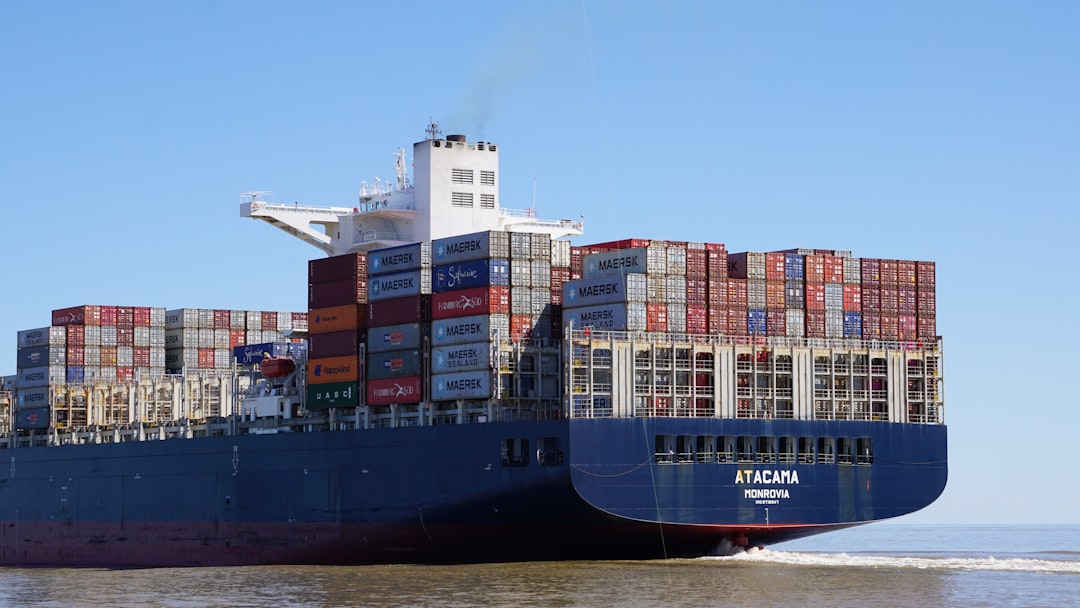
The global shipping industry serves as the arteries and veins of the world economy, facilitating the movement of goods across continents and oceans. Its pervasive influence underpins international trade, supply chains, and consumer markets, making it a critical, albeit often unseen, linchpin of modern civilization. This article delves into the multifaceted economic impact of this vital sector, exploring its contributions, challenges, and evolving landscape.
The shipping industry’s primary role is to enable the efficient and cost-effective transportation of raw materials, manufactured goods, and intermediate products across international borders. Without this intricate network, globalized production and distribution models would be untenable, profoundly altering the economic structures that have developed over centuries.
A Catalyst for International Commerce
The ability to move vast quantities of goods at relatively low costs has been a significant driver of globalization. This facilitates specialization among nations, allowing countries to focus on producing goods and services where they have a comparative advantage, leading to increased overall efficiency and economic growth. Consider, for a moment, the complexity of a modern smartphone, with components sourced from dozens of countries. Its existence, and affordability, is directly attributable to the shipping industry.
Enabling Economies of Scale
Containerization, a revolutionary innovation introduced in the mid-20th century, profoundly reshaped the shipping landscape. Standardized containers allow for efficient intermodal transport, seamlessly transferring cargo between ships, trains, and trucks. This standardization, coupled with the immense capacity of modern container vessels, enables significant economies of scale, driving down per-unit transportation costs. These cost savings are then passed on, to varying degrees, to consumers and businesses, impacting everything from the price of a t-shirt to the cost of industrial machinery.
Supporting Global Supply Chains
Contemporary global supply chains are intricate webs of production, assembly, and distribution that often span multiple continents. The shipping industry is the indispensable mechanism that connects these disparate nodes. Delays, disruptions, or inefficiencies within shipping can reverberate throughout entire supply chains, leading to manufacturing bottlenecks, stockouts, and ultimately, economic losses. The COVID-19 pandemic, with its severe disruptions to shipping schedules and port operations, offered a stark illustration of this vulnerability.
The shipping industry plays a crucial role in the global economy, influencing trade flows and economic growth across nations. A related article that delves into the economic impact of shipping can be found at MyGeoQuest, which explores how maritime logistics and shipping efficiency contribute to international commerce and economic stability. Understanding these dynamics is essential for policymakers and businesses alike as they navigate the complexities of global trade.
Economic Contributions and Value Creation
Beyond its foundational role in trade, the shipping industry is a direct contributor to global GDP, employing millions and generating substantial revenue. Its economic footprint extends far beyond the vessels themselves, encompassing a vast ecosystem of supporting industries and services.
Direct Employment and Ancillary Industries
The shipping sector directly employs a significant workforce, including seafarers, port workers, logistics professionals, shipbuilders, and maritime engineers. However, its economic influence extends much further into ancillary industries. This includes shipbuilding and repair, marine insurance, freight forwarding, legal services for maritime law, port construction and operation, and technological innovation in navigation and cargo management. Imagine the ripple effect whenever a new mega-ship is commissioned; it creates demand for steel, engines, electronic systems, and skilled labor across numerous sectors.
Infrastructure Development
Ports are critical interfaces between sea and land transport. The ongoing development and maintenance of port infrastructure – including docks, terminals, cranes, warehousing, and transportation links – represents a substantial investment. These investments not only facilitate shipping activities but also stimulate regional economic development, attracting businesses and creating employment opportunities in surrounding areas. The expansion of port capacity often necessitates significant government and private sector investment, with long-term economic benefits for the regions involved.
Revenue Generation and Taxation
Shipping companies generate substantial revenues through freight charges and related services. These revenues contribute to national economies through corporate taxation, direct and indirect employment taxes, and other levies. Furthermore, maritime financial services, including ship financing, leasing, and insurance, contribute significantly to major financial centers around the world. These financial services are the oil that greases the gears of the shipping industry, enabling the acquisition and operation of vast fleets.
Challenges and Vulnerabilities
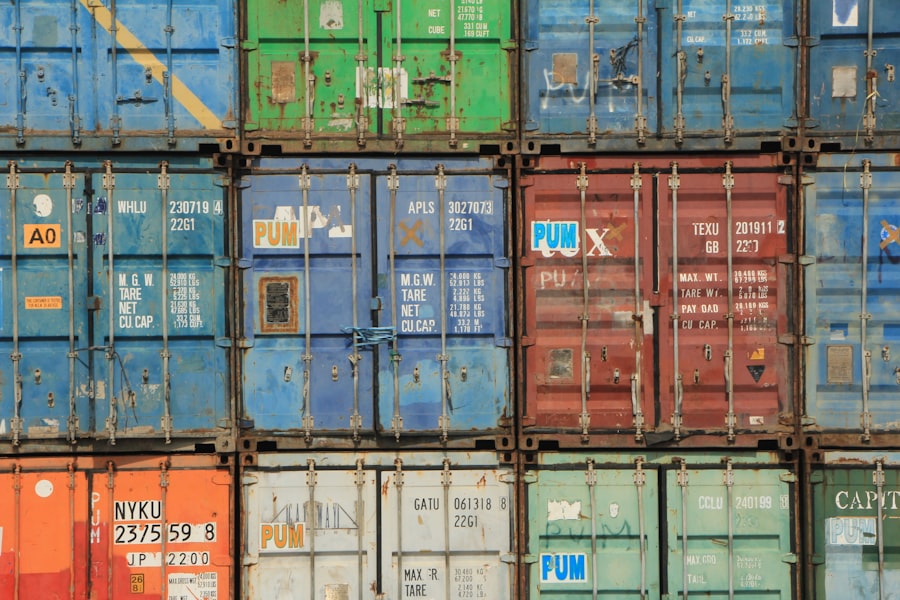
Despite its indispensable nature, the shipping industry faces numerous challenges that can impact its stability and efficiency, with cascading effects on the global economy.
Geopolitical Risks and Trade Disruptions
The interconnectedness of global shipping makes it particularly susceptible to geopolitical events. Trade wars, sanctions, piracy, and regional conflicts can disrupt established shipping routes, increase insurance premiums, and raise operational costs. The recent Suez Canal blockages, both intentional and accidental, underscored the fragility of critical maritime choke points. Such disruptions can lead to significant economic losses, higher consumer prices, and even shortages of essential goods. Consider the political tensions in certain straits; any disruption there could reroute thousands of ships, adding days or weeks to voyages and increasing fuel costs substantially.
Environmental Regulations and Sustainability
The shipping industry is a significant contributor to greenhouse gas emissions and air pollution. Increasing global awareness and stringent environmental regulations, such as those imposed by the International Maritime Organization (IMO), mandate cleaner fuels, emission reduction technologies, and improved vessel efficiency. While crucial for environmental protection, these regulations often entail substantial investment costs for shipping companies, which may be passed on to consumers or impact profitability. The transition to alternative fuels like LNG, methanol, or hydrogen presents both challenges and opportunities for innovation and sustainability within the sector.
Economic Volatility and Market Fluctuations
The shipping industry, particularly the container sector, is highly sensitive to fluctuations in global economic demand. Periods of economic growth typically lead to increased trade volumes and higher freight rates, while downturns can result in overcapacity, depressed rates, and financial distress for shipping lines. The cyclical nature of the industry and its reliance on global economic health make it inherently volatile. This unpredictable nature can make long-term investment decisions challenging and can lead to boom-and-bust cycles that impact the entire maritime ecosystem.
Technological Advancements and Digital Transformation
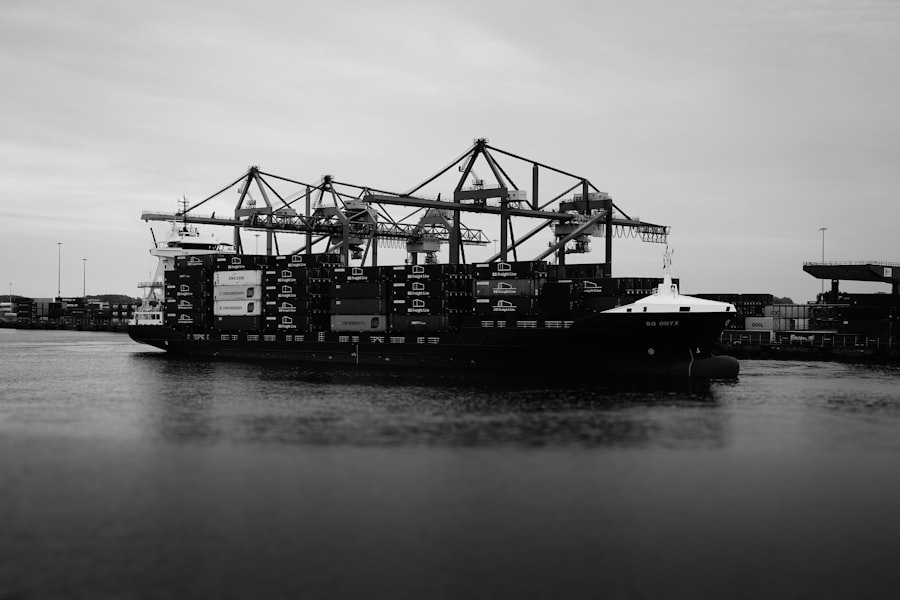
The shipping industry is undergoing a significant transformation driven by technological innovation, aiming to enhance efficiency, safety, and sustainability. These advancements hold the potential to reshape its economic impact.
Automation and Smart Shipping
Automation is increasingly being deployed in various aspects of shipping, from automated container handling at ports to remotely operated vessels and autonomous ships. These technologies aim to improve operational efficiency, reduce labor costs, and enhance safety. Smart shipping solutions, incorporating IoT (Internet of Things) devices, big data analytics, and artificial intelligence, enable real-time tracking, predictive maintenance, and optimized route planning, leading to fuel savings and reduced transit times. Imagine a future where complex algorithms determine the most fuel-efficient route, accounting for currents, weather, and real-time port congestion.
Blockchain and Digital Logistics
Blockchain technology offers the potential to revolutionize maritime logistics by providing transparent, immutable, and secure records of cargo movements, documentation, and financial transactions. This can streamline customs procedures, reduce administrative burdens, and enhance trust among supply chain partners. Digitalization of traditional paper-based processes, such as bills of lading and customs declarations, can significantly accelerate trade flows and reduce operational costs. The elimination of paper often means the elimination of delays and opportunities for fraud.
Cybersecurity Risks
While technological advancements offer immense benefits, they also introduce new vulnerabilities. The increasing reliance on digital systems and interconnected networks makes the shipping industry susceptible to cyberattacks. Disruptions to navigation systems, port operations, or cargo management systems could have severe economic and safety implications. Investing in robust cybersecurity measures is therefore crucial for safeguarding the integrity and security of global maritime trade. A cyberattack on a major port or shipping line could cripple trade for days or weeks, causing massive economic damage.
The shipping industry plays a crucial role in the global economy, influencing trade dynamics and supply chains across various sectors. A recent article explores this impact in detail, highlighting how fluctuations in shipping costs can affect consumer prices and overall economic growth. For more insights on this topic, you can read the full article here. Understanding these connections is essential for businesses and policymakers alike as they navigate the complexities of international trade.
The Future Landscape of Global Shipping
| Metric | Value | Unit | Notes |
|---|---|---|---|
| Global Shipping Industry Contribution to GDP | 3800 | Billion USD | Approximate annual contribution worldwide |
| Percentage of World Trade by Volume | 80 | % | Share of global trade transported by sea |
| Number of Seafarers Employed Globally | 1.6 | Million | Estimated global workforce in shipping |
| Annual CO2 Emissions from Shipping | 940 | Million Tonnes | Global shipping sector emissions |
| Global Fleet Size | 95,000 | Vessels | Number of commercial ships worldwide |
| Average Shipping Cost per TEU (Twenty-foot Equivalent Unit) | 1500 | USD | Typical cost for container shipping |
| Port Throughput (Global Container Traffic) | 800 | Million TEUs | Annual container volume handled by ports |
The shipping industry is on the cusp of significant change, driven by environmental imperatives, technological innovation, and evolving global trade patterns. Its future trajectory will continue to have profound economic implications.
Decarbonization and Green Shipping
The push for decarbonization is arguably the most significant long-term challenge and opportunity for the shipping industry. Achieving net-zero emissions will require massive investments in new vessel designs, alternative fuels (such as green hydrogen, ammonia, and biofuels), and shore-side charging infrastructure. This transition will create new industries, jobs, and technological breakthroughs, but also necessitate a complete overhaul of existing fleets and operating models. The economic cost of this transition will be immense, but the environmental dividends will be invaluable.
Evolving Trade Routes and Geopolitical Shifts
Changes in global trade balances, the rise of new economic powers, and geopolitical realignments will continue to influence shipping routes and demand patterns. The development of new trade corridors, such as the Arctic Sea route as ice melts, could shorten transit times and open up new economic opportunities, albeit with environmental concerns. Understanding these dynamic shifts is crucial for strategic investment and planning within the shipping sector. The “Belt and Road Initiative” offers a glimpse into how massive infrastructure projects can reshape global trade flows and hence, shipping patterns.
Resilience and Adaptability
The increasing frequency of extreme weather events, pandemics, and geopolitical instabilities underscores the critical need for resilience and adaptability within the shipping industry. Developing diversified supply chains, investing in robust digital infrastructure, and fostering international collaboration will be key to mitigating future disruptions and ensuring the continued smooth flow of global trade. The lessons learned from recent global crises, particularly the pandemic’s impact on supply chains, are being carefully analyzed to build a more robust and responsive shipping ecosystem.
In conclusion, the shipping industry is not merely a logistical service; it is the fundamental infrastructure upon which the global economy operates. Its economic impact is pervasive, influencing everything from manufacturing costs and consumer prices to employment and infrastructure development. While facing significant challenges in areas such as environmental sustainability and geopolitical risks, ongoing technological advancements and strategic adaptations are poised to redefine its future. Its continued evolution will undeniably remain a central determinant of global economic prosperity.
WATCH NOW ▶️ SHOCKING: Malacca: The $10 Trillion Lie Revealed
FAQs
What is the global economic impact of the shipping industry?
The shipping industry plays a crucial role in the global economy by facilitating approximately 80% of international trade by volume. It supports global supply chains, enables the movement of raw materials and finished goods, and contributes significantly to GDP and employment worldwide.
How does the shipping industry affect global trade?
The shipping industry enables efficient and cost-effective transportation of goods across continents, making international trade possible. It reduces transportation costs, supports economies of scale, and helps maintain the flow of commodities, which is essential for global economic stability and growth.
What are the main economic benefits provided by the shipping industry?
Key economic benefits include job creation in shipping, port operations, and related sectors; revenue generation through freight charges and taxes; support for global supply chains; and enabling access to international markets for businesses of all sizes.
How does the shipping industry influence employment worldwide?
The shipping industry directly employs millions of people, including seafarers, port workers, logistics professionals, and shipbuilders. Additionally, it indirectly supports jobs in manufacturing, retail, and other sectors dependent on maritime transport.
What challenges does the shipping industry face that could impact its economic role?
Challenges include environmental regulations, fluctuating fuel prices, geopolitical tensions, and disruptions like pandemics or port congestion. These factors can affect shipping costs, delivery times, and overall efficiency, potentially impacting global trade and economic growth.