
The Aral Sea, once the fourth-largest lake in the world, now stands as a stark and haunting testament to human intervention. Its dramatic shrinkage, a process that has unfolded over decades, is a story of ambition gone awry, where ecological balance was sacrificed on the altar of agricultural progress. This article will delve into the causes, consequences, and lingering aftermath of this environmental catastrophe, offering a factual account for readers seeking to understand this profound ecological tragedy.
Before its decline, the Aral Sea was a vibrant, self-sustaining body of water, a critical lifeline for the surrounding ecosystems and the people who depended on it. Its name, meaning “Sea of Islands” in Turkic languages, hints at its former grandeur, dotted with numerous islets.
A Flourishing Ecosystem
The Aral Sea was not merely a large body of water; it was a complex and thriving ecosystem. Its waters, once rich with life, supported a diverse array of fish species, including valuable sturgeon and carp, which formed the backbone of a robust fishing industry. The fertile lands surrounding the sea were also blessed by its presence, benefiting from the moderating influence of its vast expanse on the local climate and the nutrient-rich soils it helped to sustain.
Economic Hub and Water Source
For the Soviet Union, the Aral Sea region was an important economic zone. The fishing industry provided livelihoods for thousands, and the sea itself played a crucial role in the region’s climate and agriculture. The moderating effect of the sea meant that the surrounding lands enjoyed less extreme temperatures, extending the growing season for crops.
The collapse of the Aral Sea has been a significant environmental disaster, illustrating the consequences of unsustainable water management practices. For a deeper understanding of this issue and its implications, you can read a related article that explores the factors contributing to the Aral Sea’s decline and the ongoing efforts to restore the region. For more information, visit My Geo Quest.
The Grand Soviet Gamble: Irrigation Projects and Their Unforeseen Costs
The seeds of the Aral Sea’s demise were sown in the mid-20th century, during the Soviet era, with ambitious plans to transform the arid Central Asian landscape into a cotton-growing paradise. This grand vision, while seemingly beneficial on paper, ultimately proved to be its undoing.
The Cotton Crusade: A Thirst for Irrigation
The primary driver of the Aral Sea’s collapse was the Soviet Union’s massive irrigation program, launched in the 1960s. The goal was to cultivate vast fields of cotton, a highly profitable cash crop, in the desert regions of Kazakhstan and Uzbekistan. Cotton, however, is an incredibly thirsty plant, requiring copious amounts of water. Central Asia, an already water-scarce region, became the chosen battleground for this agricultural ambition.
Diverting the Lifeblood: The Amu Darya and Syr Darya Rivers
To feed the insatiable demand for water from the burgeoning cotton fields, the Soviet government initiated a colossal undertaking: diverting the waters of the Amu Darya and Syr Darya rivers, the two major arteries that fed the Aral Sea. These rivers, which had nourished the sea for millennia, were rerouted through elaborate canal systems and countless smaller channels, stretching for hundreds, even thousands, of kilometers. The Karakum Canal, for instance, diverted a significant portion of the Amu Darya’s flow to irrigate cotton plantations in Turkmenistan. The intent was to bring prosperity through agricultural output, but it was akin to diverting the blood flow from a vital organ to irrigate a patch of dry earth.
A Flawed Design: Inefficient Canals and Water Seepage
The irrigation systems themselves were often poorly constructed and highly inefficient. Many of the canals were unlined, leading to staggering amounts of water lost to seepage into the porous desert soil. Estimates suggest that as much as 30-50% of the water diverted from the rivers never reached its intended destination, evaporating into the air or disappearing beneath the desert surface. This wasteful practice amplified the problem, ensuring that even more water was drawn from the rivers than was necessary.
The Shrinking Giant: The Tangible Impacts of Water Diversion
The consequences of diverting the Amu Darya and Syr Darya were swift and devastating. The Aral Sea, starved of its lifeblood, began a relentless and irreversible retreat, transforming from a vast inland sea into a series of increasingly isolated and saline puddles.
The Evaporation Equation: A Vanishing Act
With its primary sources of inflow drastically curtailed, the Aral Sea’s surface area began to shrink at an alarming rate. From a peak of approximately 68,000 square kilometers in 1960, the sea had shrunk to less than 10% of its original size by the early 21st century. This rapid evaporation, exacerbated by the arid climate, meant that the water that did enter the sea was concentrated with salts, leading to a dramatic increase in salinity. The Aral Sea was, in essence, being consumed by the desert it once helped to tame.
The Salt and Dust Storms: A Toxic Legacy
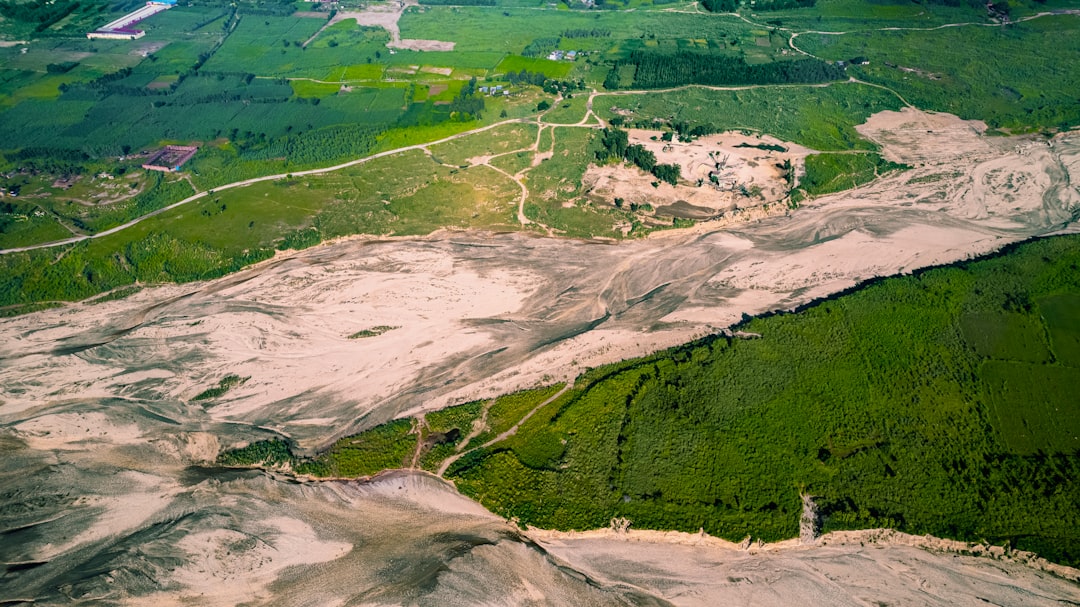
As the lake receded, vast expanses of its dry bed were exposed. This exposed seabed, laden with salt, pesticides, and fertilizers that had accumulated over decades, became a source of pervasive ecological and health problems. Fierce winds, no longer buffered by the sea’s vast surface, whipped up these toxic residues into massive dust storms. These storms, some stretching for hundreds of kilometers, carried the toxic cocktail far and wide, contaminating agricultural lands, poisoning water sources, and posing a severe threat to human health.
Ecological Collapse: A Silent Devastation
The drastic changes in salinity and water levels led to a catastrophic ecological collapse. Fish populations, once abundant, plummeted. The native flora and fauna, adapted to the sea’s specific conditions, could not survive the extreme salinity and habitat loss. The vibrant fishing industry, the lifeblood of coastal communities, dissolved into memory. The Aral Sea region, once a biodiversity hotspot, became a barren and desolate landscape, a ghostly reminder of its former vitality.
The Human Cost: Health, Livelihoods, and Social Disruption
The environmental disaster of the Aral Sea had a profound and devastating impact on the human populations living in its vicinity. Their livelihoods were destroyed, their health compromised, and their communities fractured.
The Breath of Poison: Respiratory and Other Illnesses
The toxic dust storms, laden with salt and chemical pollutants, had a direct and devastating impact on public health. Respiratory illnesses, including asthma and bronchitis, became rampant in the affected regions. Eye infections, skin diseases, and various forms of cancer were also reported at alarmingly high rates, particularly among children. The air, once fresh and invigorating, became a carrier of disease, a constant threat to the well-being of the inhabitants.
Economic Ruin: The Demise of Fishing and Agriculture
The collapse of the fishing industry was a devastating blow to the coastal communities. Ports that once bustled with activity were left silent and abandoned, their once-proud fishing fleets rusting on dry land. The agricultural sector also suffered. The increased salinity of the groundwater and the contamination of soils by dust storms made it increasingly difficult to cultivate crops. The economic engine of the region sputtered and died, leaving many without work and facing extreme poverty.
A Exodus and Displaced Populations
The dire environmental and economic conditions forced many to abandon their homes, leading to internal migration and displacement. Families were torn apart as people sought opportunities elsewhere, leaving behind ancestral lands and cherished communities. The Aral Sea region transformed from a place of hope and prosperity to one of despair and a constant struggle for survival, a stark contrast to its former glory.
The collapse of the Aral Sea has been a significant environmental disaster, and understanding its causes and consequences is crucial for addressing similar issues worldwide. For a deeper insight into this topic, you can explore a related article that discusses the intricate factors leading to the Aral Sea’s decline and its impact on local communities. This informative piece can be found at My Geo Quest, where you will discover how water management practices have contributed to this ecological crisis.
A Lingering Shadow and Glimmers of Hope: The Aral Sea Today
| Metric | Value | Description |
|---|---|---|
| Original Surface Area (1960s) | 68,000 km² | Size of the Aral Sea before significant shrinkage began |
| Current Surface Area (2020s) | ~10,000 km² | Remaining water surface area after decades of shrinkage |
| Water Volume Loss | ~90% | Percentage of water volume lost since the 1960s |
| Main Cause | Diversion of Amu Darya and Syr Darya rivers | Rivers diverted for irrigation projects, reducing inflow |
| Start of Collapse | 1960s | When large-scale irrigation projects began |
| Environmental Impact | Severe | Includes desertification, dust storms, and loss of biodiversity |
| Economic Impact | Fishing industry collapse | Loss of livelihoods for local communities dependent on the sea |
| Restoration Efforts | Partial | Dam construction and water management projects in Kazakhstan |
| Recovery Status | Improving in North Aral Sea | North Aral Sea has seen some water level rise due to interventions |
Decades after its peak, the Aral Sea continues to grapple with the legacy of its past. While the full restoration of the sea remains an elusive goal, efforts are underway to mitigate the ongoing damage and to promote recovery in certain areas.
The Northern Aral Sea: A Small Victory
In Kazakhstan, a dedicated effort has been made to salvage what remains of the northern part of the Aral Sea. The construction of the Kok-Aral Dam in 2005, funded by the World Bank, successfully separated the smaller northern Aral Sea from the more severely degraded southern basin. This intervention has led to a significant decrease in salinity and a partial resurgence of fish populations. The return of water to the northern Aral has brought a fragile sense of hope to communities in the region, illustrating that even in the face of immense devastation, recovery is not entirely impossible.
The Southern Aral Sea: A Bleak Outlook
The southern Aral Sea, unfortunately, has fared far worse. Its immense size and the complete severance of its primary water sources have left it largely desiccated. The exposed seabed continues to be a source of pollution, and the region remains heavily impacted by environmental degradation. While some localized attempts at conservation exist, the prospect of its full recovery is extremely dim. It stands as a stark, enduring monument to the consequences of unchecked environmental exploitation.
International Cooperation and Future Prospects
Recognizing the transboundary nature of many environmental issues, international cooperation plays a crucial role in addressing the Aral Sea crisis. Organizations and governments are working together to implement sustainable water management practices, restore degraded lands, and address the ongoing health and environmental challenges. The Aral Sea serves as a potent global lesson, a stark warning etched into the earth’s surface about the delicate interconnectedness of ecosystems and the profound responsibility that humanity bears in its stewardship. The future of the Aral Sea remains uncertain, a complex tapestry woven with threads of ongoing hardship and the faint, yet persistent, threads of human resilience and innovation.
▶️ STOP: The Middle Corridor Is A Death Trap
FAQs
What caused the collapse of the Aral Sea?
The collapse of the Aral Sea was primarily caused by the diversion of the rivers Amu Darya and Syr Darya for irrigation projects during the Soviet era, which drastically reduced the inflow of water into the sea.
When did the Aral Sea start to shrink significantly?
The Aral Sea began to shrink significantly in the 1960s after large-scale irrigation projects diverted water from its feeder rivers, leading to a rapid decline in water levels over the following decades.
What are the environmental impacts of the Aral Sea collapse?
The collapse of the Aral Sea has led to severe environmental impacts, including the loss of aquatic ecosystems, increased salinity, desertification of the surrounding area, and the creation of toxic dust storms from the exposed seabed.
How has the Aral Sea collapse affected local communities?
Local communities have suffered from the collapse due to the loss of fishing industries, increased health problems from dust and pollution, reduced agricultural productivity, and economic decline in the region.
Are there any efforts to restore the Aral Sea?
Yes, there have been efforts to restore parts of the Aral Sea, particularly the northern section, through dam construction and improved water management, which have led to some recovery of water levels and ecosystems in that area.