
The Amu Darya River, once a life-giving artery of Central Asia, is now a stark symbol of environmental distress. Its waters, which once flowed robustly across an arid landscape, are dwindling at an alarming rate, triggering a cascade of ecological, economic, and social crises. This article will delve into the complex factors contributing to the Amu Darya’s decline and the profound consequences unfolding across the region.
Tracing the Ancient Course
For millennia, the Amu Darya River has been a dominant force shaping the civilizations of Central Asia. Originating in the Pamir Mountains, it carved a path through Afghanistan and Turkmenistan, eventually emptying into the Aral Sea. Its annual floods, though sometimes destructive, were essential for irrigating vast tracts of land, fostering agricultural prosperity and supporting vibrant ecosystems. The river was more than just a water source; it was the lifeblood of empires, a conduit for trade, and a source of spiritual significance for the peoples who lived along its banks. Archeological evidence points to human settlements dating back thousands of years, sustained by the river’s bounty. Ancient irrigation systems, some still in use today, bear testament to the ingenuity of past generations in harnessing its power.
The Aral Sea: A Once-Mighty Mirror
The Amu Darya’s ultimate destination, the Aral Sea, was once the fourth-largest lake in the world, a vast inland ocean teeming with life. Its saline waters supported a thriving fishery, providing sustenance and economic opportunity for numerous communities. Coastal towns were bustling hubs of activity, their fortunes intertwined with the health of this immense body of water. The Aral Sea served as a crucial regulator of regional climate, influencing temperature and precipitation patterns. Its existence was a testament to the sheer volume of water delivered by the Amu Darya and its sibling river, the Syr Darya.
The alarming situation of the Amu Darya river drying up has been a topic of concern for environmentalists and local communities alike. This critical issue is intricately linked to the broader challenges of water management in Central Asia, where climate change and unsustainable agricultural practices exacerbate the problem. For a deeper understanding of the factors contributing to this environmental crisis, you can read a related article that explores the implications of the Amu Darya’s diminishing waters and the urgent need for sustainable solutions. For more information, visit this article.
The Turning Tide: The Soviet Legacy and Shifting Currents
The Grand Design: Irrigation for Cotton Cultivation
The mid-20th century marked a profound shift in the Amu Darya’s destiny. Under Soviet rule, ambitious irrigation projects were conceived with the aim of transforming the arid Central Asian steppes into vast cotton plantations. The Amu Darya and the Syr Darya were identified as the primary water sources for these monumental endeavors. Canals, some of the largest ever constructed, were designed to divert vast quantities of river water inland, feeding thirsty cotton fields that were intended to fuel the Soviet textile industry. This was a vision of absolute control over nature, a belief that water could be reshaped and redirected to serve human needs on an unprecedented scale.
These canal systems, such as the Karakum Canal, were engineering marvels, but they were also thirsty behemoths. The sheer volume of water they siphoned from the Amu Darya, coupled with the inherently inefficient irrigation techniques employed, began to exert immense pressure on the river’s flow. The idea was to conquer the desert, to make it bloom with white gold. However, this conquest came at a steep price, one that would be paid by the river itself and the ecosystems it nourished.
The Unforeseen Consequences: A Thirsty Land’s Plea
The diversion of water for irrigation had immediate and devastating consequences. The Amu Darya’s flow began to diminish, its mighty currents reduced to a trickle in some sections. This reduction in freshwater reaching the Aral Sea was the primary driver of its catastrophic shrinkage. As the sea receded, its former shores became vast expanses of saline desert, a stark reminder of what was lost. The ecological impact was profound. Fish populations, once abundant, collapsed. The fishing industry, a cornerstone of the local economy, vanished. Coastal communities were abandoned, their homes and livelihoods swallowed by the encroaching desert.
The consequences extended beyond the immediate vicinity of the Aral Sea. Changes in regional climate became more pronounced. The desert, no longer moderated by the vast expanse of the Aral Sea, experienced more extreme temperatures. Dust storms, carrying toxic salts and agricultural chemicals from the dried seabed, became frequent, posing severe health risks to populations living hundreds of kilometers away. The once-fertile land adjacent to the river began to suffer from water scarcity, impacting agricultural productivity and threatening food security. What was intended as a triumph of human will was, in fact, sowing the seeds of ecological devastation.
The Present Crisis: A River on the Brink
Diminishing Flows and Ecological Strains
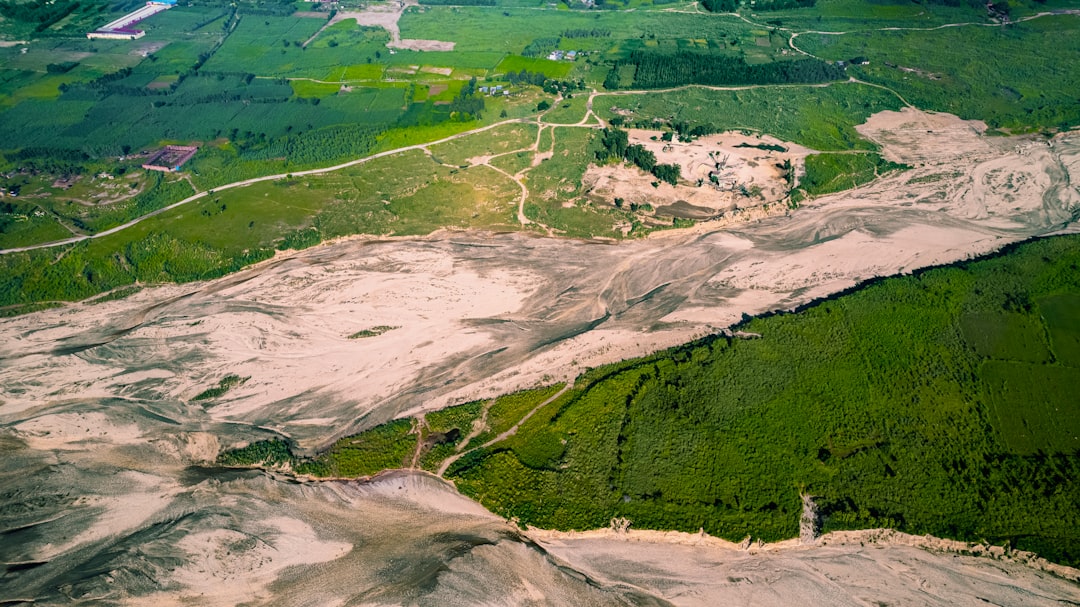
Today, the Amu Darya River is a shadow of its former self. Its annual discharge has plummeted dramatically, falling by an estimated 50% or more compared to its historical averages. This drastic reduction in water volume is the most immediate and visible symptom of the crisis. The river, once a wide and powerful entity, is now frequently fragmented, reduced to a series of disconnected pools and slow-moving channels, particularly during the dry season. This fragmentation disrupts natural ecological processes, hindering the movement of aquatic life and reducing habitat availability.
The reduced flow has profound implications for the biodiversity that depends on the river. Many fish species, adapted to specific flow regimes and water quality, are struggling to survive. The marginal areas along the riverbanks, which historically served as vital transitional zones supporting unique plant and animal communities, are shrinking. The delicate balance of these ecosystems is being severely disrupted, pushing many species towards the brink of extinction. The river’s ability to transport sediment, a crucial element for maintaining delta ecosystems and nutrient cycling, is also compromised.
The Saltwater Intrusion: A Poisoned Well
As the Amu Darya’s freshwater flow diminishes, saltwater from the diminishing Aral Sea begins to creep upstream, a corrosive tide threatening the remaining freshwater resources. This saline intrusion contaminates groundwater sources and surface water, rendering them unsuitable for drinking, agriculture, and industrial use. For communities reliant on the Amu Darya for their daily needs, this represents a severe threat to public health and livelihoods. The concept of “freshwater” is becoming an increasingly rare commodity, a precious resource poisoned by its own diminished state.
The impact on agriculture is particularly severe. Salinization of the soil reduces crop yields and forces farmers to seek alternative, often less productive, land. The once-fertile regions are slowly succumbing to the salt, turning once-productive fields into barren wastes. This leads to a vicious cycle, where increased water use – often inefficiently – is required to try and mitigate the salt, further exacerbating the problem. The river’s integrity, its ability to provide clean water, is being systematically eroded by the very salt it once held at bay.
The Human Toll: A Ripple Effect of Suffering
Water Scarcity and Agricultural Distress
The drying up of the Amu Darya has had a devastating impact on agriculture, the backbone of economies in Central Asia. Farmers are facing unprecedented water shortages, leading to crop failures and reduced yields. This distress in the agricultural sector translates into economic hardship, food insecurity, and increased poverty for rural communities. The traditional agricultural practices are becoming unsustainable, forcing many to abandon their lands and migrate in search of alternative livelihoods. The agricultural landscape, once vibrant and green, is becoming a parched and uncertain frontier.
The reliance on rain-fed agriculture is also increasing in some areas, making communities more vulnerable to drought and unpredictable weather patterns. The economic ripple effect is significant, impacting markets, supply chains, and national economies. The challenge of feeding growing populations becomes increasingly difficult as the very source of sustenance dwindles.
Health Consequences and Social Disruption
The environmental degradation caused by the Amu Darya’s decline has significant health implications. Dust storms, carrying a cocktail of salt, sand, and agricultural chemicals, lead to respiratory illnesses, cardiovascular problems, and other health issues. The contamination of water sources with salts and pollutants poses risks of gastrointestinal diseases and other waterborne illnesses. This places an immense burden on healthcare systems and affects the overall well-being of communities. The health of the river is inextricably linked to the health of its people.
Furthermore, the competition for increasingly scarce water resources can lead to social tensions and conflicts between communities, regions, and even nations. The displacement of populations due to environmental degradation can exacerbate social instability and create humanitarian challenges. The loss of traditional livelihoods and the struggle for survival can lead to psychological stress and despair. The drying of the Amu Darya is not merely an environmental issue; it is a profound human crisis.
The Amu Darya river, once a vital water source for Central Asia, is facing severe challenges as it continues to dry up due to climate change and unsustainable water management practices. This alarming trend not only threatens the local ecosystems but also the livelihoods of millions who depend on its waters for agriculture and daily needs. For a deeper understanding of the environmental issues surrounding this river, you can read a related article that explores the broader implications of water scarcity in the region. To learn more, visit this insightful resource.
Charting a Course Forward: Reclamation and Cooperation
| Metric | Value | Unit | Notes |
|---|---|---|---|
| Length of Amu Darya River | 2,540 | km | One of the longest rivers in Central Asia |
| Average Annual Flow (historical) | 79 | km³/year | Before extensive irrigation projects |
| Average Annual Flow (recent) | 30-40 | km³/year | Reduced due to water diversion and climate change |
| Percentage Reduction in Flow | 50-60 | % | Compared to mid-20th century levels |
| Area of Aral Sea fed by Amu Darya (historical) | 68,000 | km² | Before drying up |
| Current Aral Sea area | ~10,000 | km² | Significant shrinkage due to river drying |
| Primary Causes of Drying | Water diversion for irrigation, climate change | N/A | Major impact on river flow |
| Impact on Agriculture | Reduced irrigation water availability | N/A | Decreased crop yields in downstream areas |
| Impact on Local Population | Health issues, economic decline | N/A | Due to dust storms and loss of fisheries |
Sustainable Water Management Strategies
Addressing the Amu Darya crisis requires a multi-faceted approach focused on sustainable water management. This includes improving irrigation efficiency through the adoption of modern techniques such as drip irrigation and precision agriculture, thereby reducing water wastage. Investing in water infrastructure that minimizes leaks and evaporation is crucial. The development of drought-resistant crop varieties and promoting water-wise land use practices are also vital components.
Furthermore, it is essential to reconceptualize the relationship between human needs and the river’s capacity. This involves a shift away from large-scale, water-intensive agriculture towards more sustainable models that align with the region’s hydrological realities. The water, once seen as an inexhaustible resource to be commanded, must now be treated with a profound sense of stewardship.
Regional Cooperation and International Collaboration
The transboundary nature of the Amu Darya River necessitates strong regional cooperation among the riparian states – Afghanistan, Turkmenistan, Uzbekistan, and Tajikistan. Collaborative efforts are needed to develop and implement integrated water resource management plans that ensure equitable distribution and sustainable utilization of the river’s dwindling flow. This requires open dialogue, shared data, and joint decision-making processes.
International organizations and donor agencies have a crucial role to play in supporting these efforts by providing technical expertise, financial assistance, and promoting best practices in water management and environmental restoration. A unified approach, recognizing the interconnectedness of the region’s water resources, is the only viable path towards mitigating this escalating crisis and ensuring a future where the Amu Darya can once again be a source of life. The river, a shared inheritance, demands a shared responsibility.
▶️ STOP: The Middle Corridor Is A Death Trap
FAQs
What is causing the Amu Darya river to dry up?
The drying up of the Amu Darya river is primarily caused by extensive water extraction for irrigation, climate change leading to reduced snowfall and glacial melt in its source regions, and inefficient water management practices in the surrounding countries.
Which countries rely on the Amu Darya river?
The Amu Darya river flows through and is vital to several Central Asian countries, including Afghanistan, Tajikistan, Turkmenistan, and Uzbekistan, providing water for agriculture, drinking, and industry.
What are the environmental impacts of the Amu Darya drying up?
The drying of the Amu Darya has led to the shrinking of the Aral Sea, loss of aquatic habitats, increased desertification, soil salinization, and negative effects on local biodiversity and fisheries.
How does the drying of the Amu Darya affect local communities?
Local communities face water shortages for drinking and agriculture, reduced crop yields, economic hardships, health problems due to dust storms from dried lakebeds, and displacement in some areas.
Are there any efforts to restore or manage the Amu Darya river’s flow?
Yes, regional cooperation initiatives, improved water management techniques, investment in irrigation efficiency, and international projects aim to restore water flow and mitigate the environmental and social impacts of the river drying up.