Global trade, the intricate web that connects economies and livelihoods across the planet, is currently navigating treacherous waters. Projections suggest a potential $12 trillion slump in global trade value due to a confluence of economic, geopolitical, and systemic risks. This figure, a stark indicator of the magnitude of the challenge, represents more than just lost transactions; it signifies a potential disruption to global supply chains that have been meticulously built over decades, impacting everything from the availability of consumer goods to the viability of developing economies. The current landscape resembles a finely tuned engine sputtering, with multiple components threatening to seize up simultaneously. Understanding these interconnected threats is crucial for navigating the turbulent path ahead. This examination will delve into the multifaceted risks contributing to this substantial projected decline, exploring their origins, immediate impacts, and the potential long-term ramifications for the global economic order.
The Geopolitical Quagmire: A Crucible of Uncertainty
The current geopolitical climate is a primary driver of the projected trade downturn, acting as a pervasive fog that obscures the horizon of predictable commerce. Wars, territorial disputes, and the resurgence of protectionist ideologies are rewriting the rules of engagement for international business. These shifts are not isolated incidents but rather a systemic unraveling of long-standing alliances and established norms, creating an environment where risk premiums are soaring.
The Shadow of Conflict: Hot Zones and Their Cold Economic Fallout
The ongoing conflicts, from the protracted war in Ukraine to other simmering regional tensions, cast a long shadow over global trade routes and commodity markets. The physical disruption of shipping lanes, the imposition of sanctions, and the ensuing uncertainty directly impact the movement of goods and agricultural products. For instance, the Black Sea, a vital artery for grain exports, has been severely compromised, leading to significant price volatility and food insecurity in regions reliant on these supplies. This is akin to a vital artery in the body being constricted, impacting the flow of essential nutrients to other parts. The ripple effect extends far beyond the immediate combat zones, influencing energy prices, raw material availability, and the cost of finished goods across the globe. Businesses operating in or reliant on these regions face increased operational costs, supply chain disruptions, and the constant threat of sudden, unforeseen shutdowns.
Blockades and Embargoes: Erecting Walls in the Realm of Exchange
The strategic use of blockades and economic embargoes as tools of foreign policy has become increasingly prevalent. These measures, while intended to exert political pressure, effectively sever established trade links. Countries are forced to find alternative suppliers, often at higher costs and with greater logistical challenges. This fragmentation of trade not only increases expenses but also hinders the potential for economies of scale and specialization that have historically driven global economic growth. The meticulous architecture of global supply chains, built on efficiency and specialization, is being chipped away, brick by brick.
Shifting Allegiances and the Fragmentation of Alliances
The traditional post-World War II international order, which fostered relatively open trade through multilateral agreements and alliances, is showing signs of strain. The rise of multipolar power dynamics and the prioritization of national interests over collective global economic strategies are leading to the formation of new, often competing, trade blocs and alliances. This fragmentation complicates trade negotiations, increases bureaucratic hurdles, and can lead to a less predictable and more protectionist global trading environment. The once-unified chorus of global trade is now a cacophony of competing voices, each vying for its own interests.
The recent discussions surrounding the $12 trillion global trade risk highlight the vulnerabilities in international supply chains and the potential economic repercussions. For a deeper understanding of the factors influencing global trade dynamics, you can explore a related article that delves into the complexities of trade relationships and their impact on economies worldwide. To read more, visit this article.
The Economic Headwinds: Inflation, Recession, and the Erosion of Demand
Beyond geopolitical turmoil, powerful economic forces are also contributing to the projected trade decline. Persistent inflation erodes purchasing power, while the looming threat of recession dampens consumer and business confidence, leading to a contraction in demand for goods and services. This economic malaise acts as a gravitational pull, dragging down the volume and value of international trade.
The Inflationary Spiral: A Hidden Tax on Global Commerce
Elevated inflation rates globally act as a hidden tax on all transactions, including international trade. As the cost of production rises – from raw materials to labor to shipping – businesses are forced to pass these costs onto consumers. This leads to higher prices for imported goods, reducing their affordability and consequently, demand. For developing nations, the impact is particularly severe, as they often rely heavily on imports for essential goods and face greater challenges in absorbing these price shocks. The engine of global commerce, driven by demand, begins to sputter as its fuel – disposable income – is increasingly consumed by rising costs.
Interest Rate Hikes: Tightening the Purse Strings of Global Business
Central banks worldwide have responded to inflation with aggressive interest rate hikes. While intended to cool down overheated economies, these measures have a direct impact on the cost of borrowing for businesses involved in international trade. Higher interest rates make it more expensive to finance imports, exports, and inventory management, thereby discouraging trade activities. This tightening of credit can act as a significant brake on the flow of goods and capital. It’s like a vital organ of the financial system being constricted, restricting the healthy flow of resources.
The Specter of Recession: A Chilling Effect on Consumer and Business Spending
The increasing likelihood of a global recession is a formidable threat to trade. Recessions are characterized by reduced consumer spending, declining business investment, and increased unemployment. In such an environment, demand for both domestically produced and imported goods plummets. Businesses, facing uncertain futures, scale back production and delay or cancel orders, leading to a sharp contraction in international trade volumes. The vibrant marketplace of global commerce risks becoming a ghost town, with deserted stalls and dwindling foot traffic.
The Fragile Architecture of Supply Chains: Vulnerabilities Exposed
The COVID-19 pandemic brutally exposed the inherent vulnerabilities within global supply chains. While efforts have been made to build resilience, underlying structural weaknesses persist, leaving them susceptible to future shocks. The interconnectedness that once defined their efficiency now represents a significant point of failure.
Over-Reliance on Single Sources: The Perils of Monoculture in Production
A significant weakness in many supply chains lies in the over-reliance on single geographic regions or suppliers for critical components. This “monoculture” of production, while initially cost-effective, leaves businesses highly exposed to disruptions in those specific areas. Natural disasters, political instability, or pandemics in a key production hub can have cascading effects, halting global assembly lines. This is akin to a farmer planting only one type of crop; a single pest or blight could wipe out the entire harvest.
Bottlenecks and Congestion: The Logistical Arteries Clogged
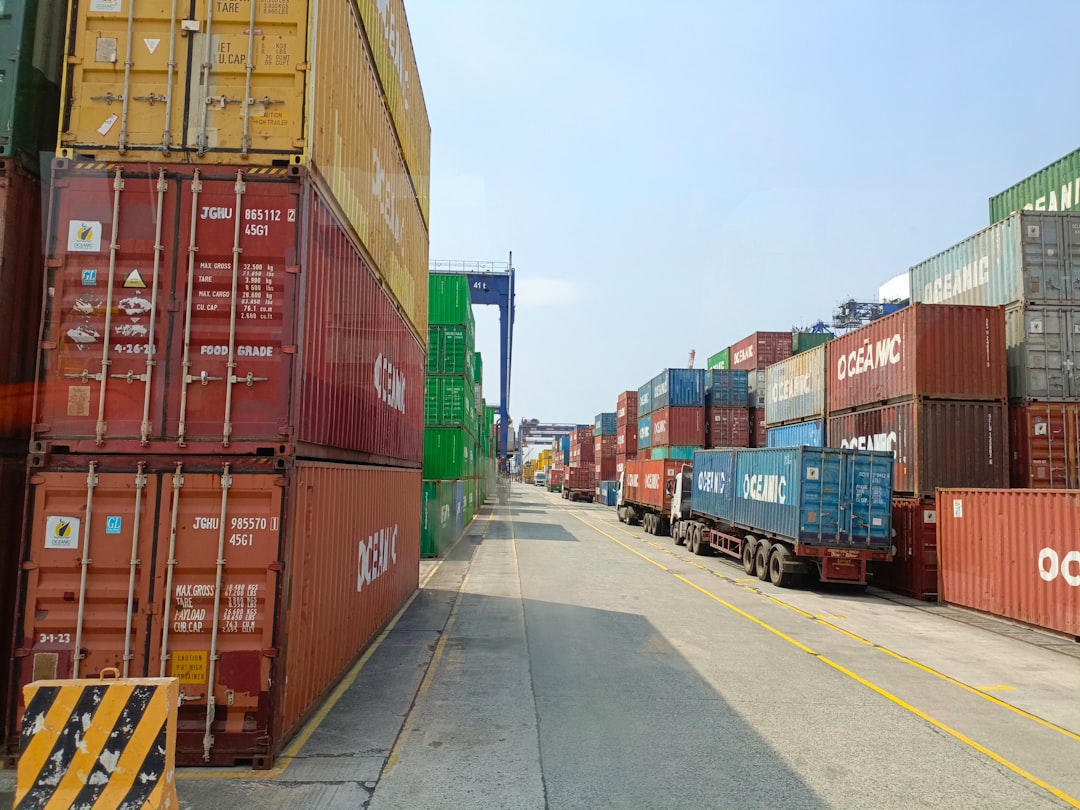
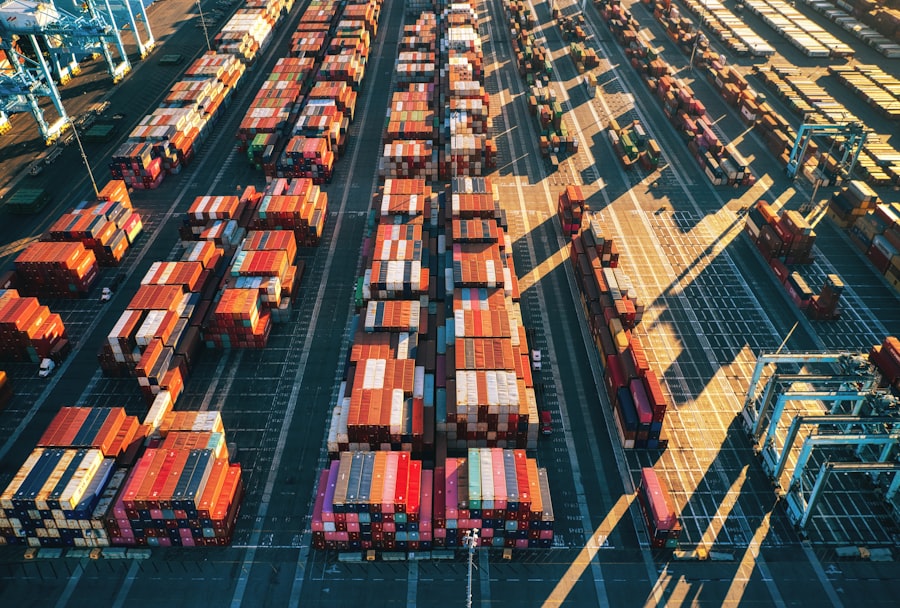
Ongoing issues with port congestion, shipping container shortages, and inland transportation bottlenecks continue to plague global logistics. These logistical chokepoints create delays, increase shipping costs, and lead to inventory shortages. Even if goods are produced, their inability to reach their destination efficiently becomes a significant impediment to trade. The finely tuned machinery of global logistics is in danger of grinding to a halt due to accumulated friction.
The Digital Divide and Cybersecurity Threats: Modernizing Risks
The increasing digitization of trade processes, while offering efficiency gains, also introduces new vulnerabilities. Cybersecurity threats, from ransomware attacks to data breaches, can cripple trading operations, disrupt customs processes, and compromise sensitive trade data. Furthermore, a significant digital divide persists between developed and developing nations, hindering their ability to fully participate in and benefit from the digitized global trading system. The digital highway of commerce, while offering speed, is also susceptible to ambush and sabotage.
The Rise of Protectionism and Trade Barriers: A Retreat from Globalization
A notable shift in global trade policy is the increasing adoption of protectionist measures and the erection of new trade barriers. This trend reflects a growing emphasis on national interests and a reaction against the perceived negative consequences of unchecked globalization.
Tariffs and Quotas: The Direct Impediments to Exchange
The reintroduction and increase of tariffs and quotas are direct measures designed to restrict imports and protect domestic industries. While intended to bolster local economies, these policies inevitably lead to higher prices for consumers, reduced choice, and retaliatory measures from trading partners, escalating into trade wars. These are like physical barriers erected at borders, impeding the free flow of goods and services.
Non-Tariff Barriers: The Subtle but Potent Obstacles
Beyond direct tariffs, a growing array of non-tariff barriers (NTBs) are hindering trade. These include stringent regulatory requirements, complex customs procedures, technical standards, and sanitary and phytosanitary measures that can effectively block imports even without direct duties. Navigating this labyrinth of NTBs adds significant costs and complexity to international trade, disproportionately affecting smaller businesses and developing economies. These are like invisible walls, challenging to see but formidable in their ability to obstruct.
Industrial Policy and Subsidies: Distorting the Competitive Landscape
Governments increasingly employing industrial policies and providing subsidies to their domestic industries can also distort the global competitive landscape. While aimed at fostering national champions, these interventions can create an uneven playing field, disadvantaging foreign competitors and leading to accusations of unfair trade practices. This is akin to fundamentally altering the rules of a game to favor one player, undermining the principles of fair competition.
The recent discussions surrounding the $12 trillion global trade risk highlight the vulnerabilities in international supply chains and economic stability. A related article explores the implications of these risks on emerging markets and the potential for shifts in trade policies. For more insights on this topic, you can read the full article here. Understanding these dynamics is crucial for businesses and policymakers as they navigate an increasingly interconnected world.
The Imperative of Adaptation and Resilience: Charting a Course Through the Storm
The projected $12 trillion risk to global trade demands a proactive and adaptive approach. Ignoring these warning signs would be akin to a ship captain sailing into a hurricane without adjusting course or preparing the crew. Building resilience, fostering diversification, and embracing innovation will be paramount for navigating this complex and challenging period.
Diversification of Supply Chains: Spreading the Risk
The key to mitigating supply chain vulnerabilities lies in diversification. Businesses must move away from concentrated sourcing and explore a wider range of suppliers and production locations. This geographic diversification, coupled with exploring alternative materials and manufacturing processes, can significantly reduce the impact of localized disruptions. It is about building multiple escape routes rather than relying on a single path.
Regionalization and Nearshoring: Rethinking Proximity
The trend towards regionalization and nearshoring – bringing production closer to end markets – is gaining momentum. This strategy can shorten supply chains, reduce transportation costs and lead times, and lessen reliance on distant, potentially unstable production hubs. While not a complete reversal of globalization, it represents a pragmatic adjustment to the current risks. It’s like bringing the workshops closer to the marketplace, reducing the time and effort for goods to travel.
Embracing Digital Transformation and Advanced Technologies: The Tools of Resilience
Investing in digital transformation and advanced technologies such as artificial intelligence, blockchain, and the Internet of Things can significantly enhance supply chain visibility, efficiency, and resilience. These technologies can help in proactive risk assessment, real-time tracking of goods, and automated decision-making in response to disruptions. They are the advanced navigation systems and radar that can help steer clear of hazards. Furthermore, fostering innovation in green technologies and sustainable practices can also contribute to long-term trade resilience by addressing environmental risks and ensuring compliance with evolving regulations.
The projected $12 trillion risk to global trade is not a foregone conclusion, but rather a stark warning. The interwoven forces of geopolitics, economic headwinds, fragile supply chains, and resurgent protectionism have created a challenging landscape. However, by acknowledging these risks, adapting strategies, and collectively fostering an environment of greater cooperation and resilience, the global trading system can navigate these turbulent times and chart a course towards continued, albeit potentially redefined, prosperity. The ship of global trade is facing a storm, but with informed navigation and sturdy construction, it can weather the tempest and emerge to calmer seas.

▶️ STOP: The Middle Corridor Is A Death Trap
FAQs
What is meant by the $12 trillion global trade risk?
The $12 trillion global trade risk refers to the potential economic exposure and vulnerabilities in international trade valued at approximately $12 trillion. This risk encompasses factors such as geopolitical tensions, supply chain disruptions, regulatory changes, and economic instability that could impact the flow of goods and services worldwide.
What are the main causes of global trade risks?
Global trade risks arise from various sources including geopolitical conflicts, trade wars, tariffs and sanctions, natural disasters, pandemics, cyber-attacks, and fluctuations in currency exchange rates. These factors can disrupt supply chains, increase costs, and reduce market access for businesses engaged in international trade.
How does global trade risk affect businesses?
Global trade risk can lead to increased costs, delays in delivery, loss of revenue, and damage to business reputation. Companies may face challenges such as supply shortages, compliance with changing regulations, and uncertainty in market demand, which can affect their profitability and strategic planning.
What measures can be taken to mitigate global trade risks?
Businesses and governments can mitigate global trade risks by diversifying supply chains, investing in risk management and compliance systems, engaging in trade agreements, enhancing transparency, and adopting technologies for better supply chain visibility. Strategic planning and scenario analysis also help in preparing for potential disruptions.
Why is monitoring global trade risk important for the economy?
Monitoring global trade risk is crucial because international trade is a significant driver of economic growth and employment. Identifying and managing these risks helps maintain stable trade flows, supports global supply chains, protects investments, and ensures economic resilience against shocks that could otherwise lead to financial losses and economic downturns.