
The Aral Sea, once the fourth-largest lake in the world, has undergone a dramatic and devastating transformation. Its story is not one of slow decay, but a more akin to a magician’s vanishing act, precisely scheduled and executed with chilling efficiency. This article will explore the causes, consequences, and the faint echoes of what was, and what might, or might not, be salvaged from this ecological catastrophe.
A Jewel of Central Asia
Imagine a sapphire gemstone, vast and shimmering, set in the arid heart of Central Asia. This was the Aral Sea, a colossal body of hypersaline water straddling the borders of Kazakhstan and Uzbekistan. Its name, derived from the Turkic word for “island,” belied its scale. For millennia, it was a vital source of life, sustaining rich ecosystems and supporting thriving human communities. Fishing villages dotted its shores, their nets heavy with sturgeon, carp, and other species endemic to its waters. The Aral Sea was not merely a geographical feature; it was the lifeblood of a region, a natural wonder that defied the surrounding desert.
A Source of Life and Livelihood
The bounty of the Aral Sea extended far beyond its immediate shores. Its waters nourished a unique ecosystem, supporting a diverse array of flora and fauna. The vibrant fishing industry was a cornerstone of the regional economy, providing employment and sustenance for hundreds of thousands of people. The sea’s influence also extended to the local climate, moderating temperatures and contributing to the agricultural potential of the surrounding irrigated lands. It was a delicate balance, a testament to the power of nature to create and sustain life in challenging environments.
A Precursor to Disaster: The Soviet Era’s Ambitious Plans
The mid-20th century marked a turning point. Under Soviet rule, massive irrigation projects were conceived with ambitious, and ultimately catastrophic, goals. The arid plains of Central Asia were to be transformed into vast cotton fields, a lucrative cash crop. To achieve this, the Amu Darya and Syr Darya rivers, the two life-giving arteries that fed the Aral Sea, were diverted. It was a grand experiment in command economics, a belief that human ingenuity and central planning could bend nature to its will, even at the expense of a vast inland sea. The planners, eyes fixed on the golden promise of cotton, failed to foresee the devastating cost of their grand design.
The Aral Sea, once one of the largest lakes in the world, has faced drastic shrinkage due to irrigation projects and climate change, leading to significant ecological and social consequences. For a deeper understanding of the ongoing challenges and restoration efforts related to the Aral Sea, you can read a related article that explores these themes in detail. Check it out here: Aral Sea: A Case Study of Environmental Degradation.
The Diverted Lifelines: Engineering a Disaster
The Great Cotton Dream
The primary driver behind the Aral Sea’s demise was the Soviet Union’s insatiable demand for cotton. Central Asia, with its abundant sunshine, was deemed the ideal location for large-scale cotton cultivation. This vision, however, required vast amounts of water, far more than the natural rainfall could provide. The solution, conceived with a grand, almost hubristic, ambition, was to tap into the two major rivers flowing into the Aral Sea: the Amu Darya and the Syr Darya.
The Kara-Kum Canal: A Lifeline for Agriculture, a Death Sentence for the Sea
The construction of the Kara-Kum Canal, initiated in the 1950s, was a monumental undertaking. Stretching over 1,300 kilometers, it was designed to carry water from the Amu Darya to the cotton fields of Turkmenistan. This engineering marvel, celebrated at the time, was in reality a slow, inexorable siphoning of the Aral Sea’s lifeblood. The canal, poorly constructed and plagued by leaks, was notoriously inefficient, losing a significant portion of its water to seepage before it even reached its intended destination. Acres of thirsty cotton plants drank deeply, while the Aral Sea began its slow, agonizing retreat. This was not a sudden execution, but a calculated draining, one measured in cubic meters per second.
The Syr Darya’s Contribution to the Drought
The Syr Darya river, flowing from the north, suffered a similar fate. A network of smaller canals and dams were constructed to divert its waters for irrigation in Uzbekistan and Kazakhstan. While individually smaller than the Kara-Kum Canal, their cumulative impact was devastating. The once mighty Syr Darya, a vital source of freshwater for the Aral, was reduced to a trickle for much of its lower course. The dual assault from both its primary tributaries starved the Aral Sea, marking the beginning of its systematic disappearance.
The Unraveling Ecosystem: A Silent Apocalypse
Evaporation and Hypersalinity: The Aral Sea’s Final Breath
As the inflowing rivers dwindled, the Aral Sea’s surface area began to shrink dramatically. With less water entering and evaporation remaining a constant force of nature, the concentration of salts within the remaining water began to increase. This process, known as hypersalinity, rendered the water increasingly inhospitable to most aquatic life. Fish populations plummeted, and the delicate balance of the ecosystem was shattered. The once vibrant waters, capable of sustaining a rich diversity of life, became a saline graveyard.
The Desert’s Advance: Dust Storms and Poisoned Lands
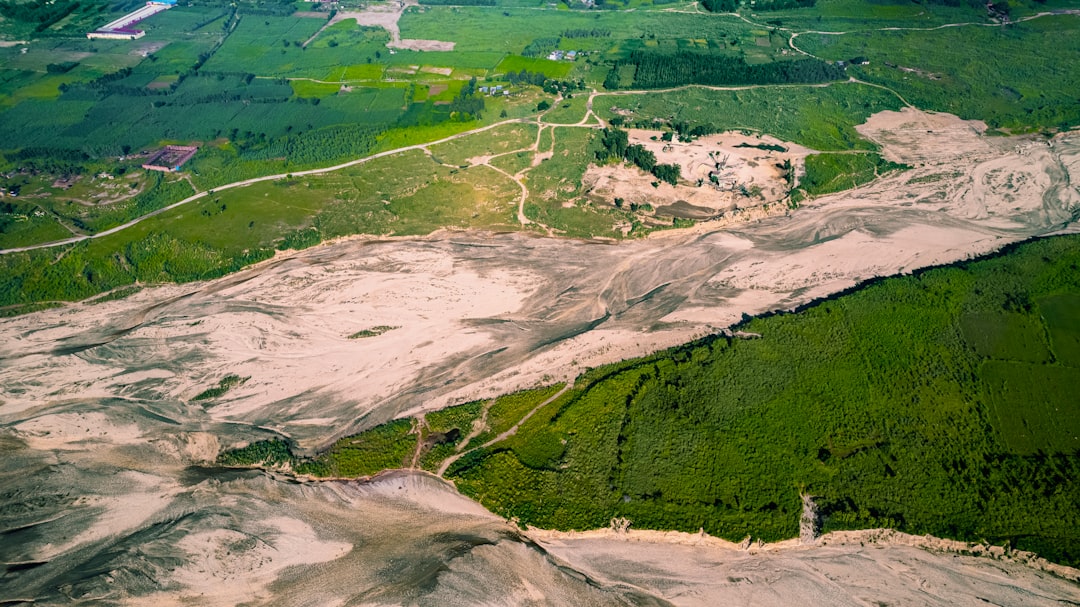
The receding shorelines of the Aral Sea exposed a vast expanse of dry seabed. This desiccated land, once submerged, became a breeding ground for powerful dust storms. These storms, laden with salt, pesticides, and other agricultural chemicals that had accumulated over decades of intensive farming, swept across the region. They not only damaged crops and infrastructure but also posed severe health risks to the human population. Respiratory illnesses, including tuberculosis and lung cancer, became endemic in the areas surrounding the former sea. The exposed seabed, a ghostly testament to the lost sea, became a source of poison, carried on the wind like a grim reaper’s cloak.
The Collapse of the Fishing Industry: Empty Nets and Broken Lives
The fishing industry, once the backbone of the Aral Sea region, was devastated. The shrinking and salinization of the water led to the extinction of many fish species. The once-bustling fishing ports, like Aralsk in Kazakhstan, were left stranded miles from the water’s edge. The fishing fleets, symbols of prosperity, rusted in the sand, monuments to a lost way of life. The economic devastation was profound, leading to widespread unemployment and migration from the affected areas. The echoes of laughter and the smell of fish were replaced by the whisper of the wind and the gnawing of despair.
The Human Cost: A Legacy of Suffering
Health Crisis in the Aral Sea Region
The health consequences for the populations living in the Aral Sea basin have been severe and long-lasting. The toxic dust storms have contributed to a significant increase in respiratory diseases, birth defects, and various forms of cancer. Children, with their developing bodies, are particularly vulnerable to the toxic elements carried by the dust. The legacy of the Aral Sea’s disappearance is etched not only on the landscape but also on the bodies and minds of the people who call this region home. The once life-giving sea, now a source of illness, has become a cruel irony.
Economic Hardship and Social Disruption
The collapse of the fishing industry and the decline in agricultural productivity due to salinization and soil degradation have led to widespread economic hardship. Communities that once thrived on the bounty of the Aral Sea are now struggling to survive. Unemployment rates are high, and many residents have been forced to migrate in search of work, leading to social disruption and the erosion of traditional livelihoods. The dream of a prosperous cotton-growing region had materialized into a nightmare of economic desolation.
The Ghost Towns of the Sea: Abandoned Ports and Lost Futures
The most poignant reminders of the Aral Sea’s vanishing act are the abandoned port towns. Aralsk in Kazakhstan, once a thriving port city, is now a ghost town, its harbor filled with the skeletons of ships stranded on the sand. The once-bustling docks are silent, the cafés empty, and the homes abandoned. These ghost towns serve as stark reminders of what was lost, a powerful visual testament to the catastrophic consequences of unsustainable environmental practices. They are silent witnesses to the unfulfilled promises and broken dreams of a generation.
The Aral Sea, once one of the largest lakes in the world, has faced severe ecological challenges due to extensive irrigation projects that diverted rivers feeding it. This environmental disaster has led to significant changes in the region’s climate and economy, impacting local communities and wildlife. For a deeper understanding of the ongoing efforts to address these issues, you can read a related article that explores the restoration initiatives and their potential benefits by visiting this link.
Glimmers of Hope or a Fading Mirage?
| Metric | Value | Notes |
|---|---|---|
| Original Surface Area (1960) | 68,000 km² | One of the world’s largest inland seas |
| Surface Area (2020) | ~10,000 km² | Significant shrinkage due to water diversion |
| Volume Loss | ~90% | Drastic reduction in water volume since 1960s |
| Main Cause | Irrigation Diversion | Water diverted from Amu Darya and Syr Darya rivers |
| Environmental Impact | Severe | Desertification, loss of fisheries, health issues |
| Population Affected | ~1.5 million | Communities dependent on the sea’s resources |
| Restoration Efforts | Partial | North Aral Sea restoration projects ongoing |
Efforts to Revive the Northern Aral Sea
In recent years, there have been some limited efforts to mitigate the disaster, particularly in the northern part of the Aral Sea in Kazakhstan. The Kazakh government, with international support, has undertaken projects to restore water levels in the Small Aral Sea. The construction of the Kok-Aral Dam, completed in 2005, successfully separated the Small Aral from the more saline Large Aral. This has led to a partial recovery of water levels and a decrease in salinity.
The Challenges of the Southern Aral Sea
The southern Aral Sea, located in Uzbekistan, presents a far more complex and daunting challenge. The vast majority of the water loss occurred here, and the remaining water is highly saline and polluted. While some ambitious proposals have been put forth, including the idea of trucking in water or attempting massive desalination projects, the sheer scale of the problem makes a full recovery highly improbable. The southern Aral Sea is a starkly different landscape, a barren testament to the irreversible damage.
The Lingering Lessons of a Vanishing Act
The Aral Sea’s vanishing act offers a profound and cautionary tale. It underscores the critical importance of sustainable resource management and the dangers of prioritizing short-term economic gains over long-term environmental health. The Aral Sea’s disappearance is a scar on the face of the planet, a visible reminder that nature’s capacity for resilience has its limits. It serves as a stark warning to humanity, a reminder that even the grandest of human endeavors can be undone by a disregard for the delicate balance of the natural world. The stage is empty, the audience dispersed, and the magic trick, though devastatingly real, has left a void that even the greatest magician could never fill.
▶️ STOP: The Middle Corridor Is A Death Trap
FAQs
What was the Aral Sea?
The Aral Sea was a large inland lake located between Kazakhstan and Uzbekistan in Central Asia. It was once the fourth-largest lake in the world.
Why did the Aral Sea shrink?
The Aral Sea shrank primarily due to the diversion of the rivers that fed it, the Amu Darya and Syr Darya, for irrigation projects during the Soviet era. This caused a significant reduction in water inflow.
What were the environmental impacts of the Aral Sea drying up?
The drying of the Aral Sea led to severe environmental consequences, including the loss of aquatic life, increased salinity, desertification of the surrounding area, and health problems for local populations due to toxic dust storms.
Has there been any effort to restore the Aral Sea?
Yes, there have been efforts to restore parts of the Aral Sea, particularly the northern section, through dam construction and improved water management. Some success has been seen in increasing water levels and reviving fish populations in the North Aral Sea.
What is the current status of the Aral Sea?
The Aral Sea remains significantly smaller than it was historically. The southern part has largely dried up, while the northern part has seen partial recovery. The region continues to face environmental and economic challenges related to the sea’s shrinkage.