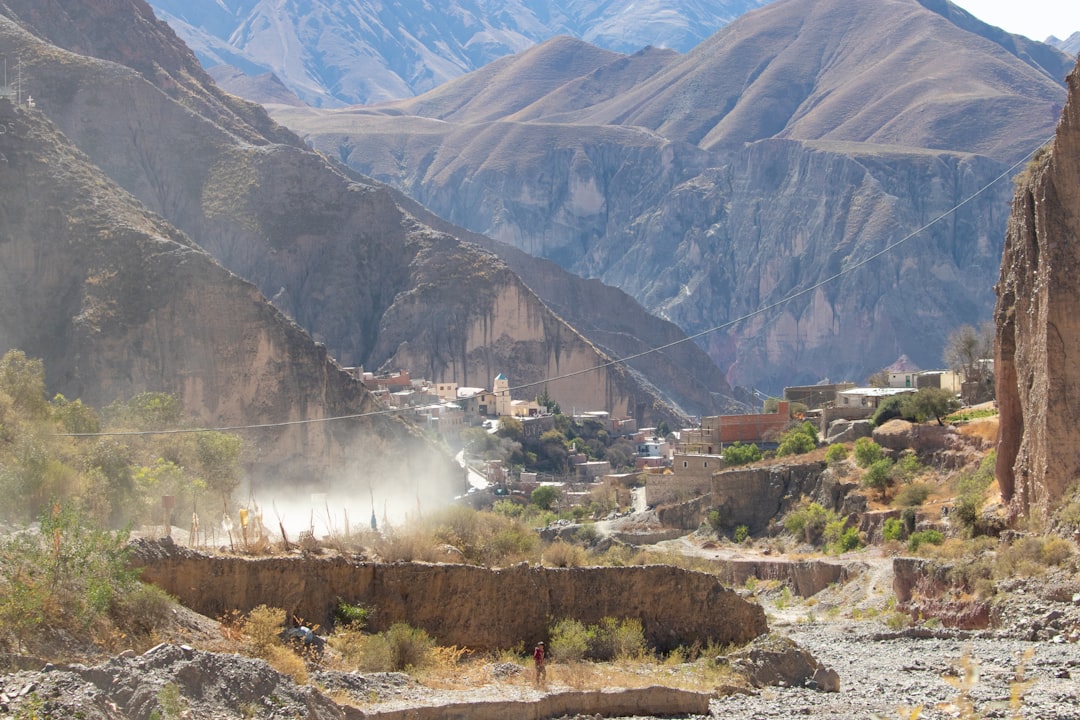
The Taliban’s approach to water infrastructure in Afghanistan represents a complex tapestry, woven with threads of necessity, political opportunism, and varying degrees of immediate and long-term impact on the communities it governs. While water remains a lifeblood, its provision under Taliban administration is a subject that demands careful examination, stripped of embellishment, to understand its tangible effects.
The Taliban, like any governing body, recognize the fundamental importance of water for survival and development. Their pronouncements often highlight a commitment to improving access to clean water, particularly in rural and underserved areas. This rhetoric, frequently amplified through official channels, paints a picture of progress and a focus on basic human needs. However, the translation of these promises into consistent, equitable, and sustainable reality is a more intricate story, often dictated by resource availability, pre-existing infrastructure, and the overarching political objectives of the regime. The mere pronouncement of intent is not a flowing river; it is the silent, patient work of engineering and resource allocation that truly quenches the thirst of a nation.
The “Siranj” Initiative and its Outreach
One significant initiative frequently cited by the Taliban is the “Siranj” or “Siranj Project,” aimed at improving irrigation and water supply. Information regarding its specific scope and widespread implementation can be fragmented and subject to varying interpretations. Nevertheless, the stated goals often revolve around rehabilitating existing canals, constructing small dams, and developing wells. The reach of such projects can be a crucial determinant of their impact, with remote or marginal communities often being the last to feel the ripple effects of development. The effectiveness of outreach, in terms of identifying genuine needs and ensuring equitable distribution, remains a persistent challenge.
Public Relations and Perceived Successes
The Taliban actively leverages its water projects as a tool for public relations, both domestically and internationally. Images of leaders inaugurating newly dug wells or farmers tending irrigated fields are disseminated to project an image of competence and humanitarian concern. These efforts aim to build domestic legitimacy and potentially attract humanitarian aid or informal international recognition. However, it is essential to view these public relations efforts through a critical lens, distinguishing between genuine progress and strategically curated narratives. The sparkle of newly dug wells can serve to blind observers to the deeper issues of unsustainable practices or unequal access.
The impact of Taliban water projects on local communities has been a subject of significant discussion, particularly regarding their effectiveness and sustainability. For a deeper understanding of this issue, you can read a related article that explores the challenges and outcomes of these initiatives. The article provides insights into how these projects are reshaping water access in Afghanistan and their implications for agricultural practices and daily life. To learn more, visit this article.
Infrastructure Development: Bridging the Gaps
The physical infrastructure for water management in Afghanistan is in a chronic state of underdevelopment, a legacy of decades of conflict and neglect. The Taliban, inheriting this fractured system, has prioritized certain aspects of repair and new construction. The impact of these projects is directly tied to the scale of investment, the technical expertise available, and the ability to secure necessary materials and labor. The effectiveness of these interventions can be likened to patching a leaking dam; while the immediate crisis might be averted, the underlying structural weaknesses may persist without more comprehensive solutions.
Rehabilitation of Existing Irrigation Systems
Many of Afghanistan’s vital irrigation canals and water channels are ancient, susceptible to damage, and often inefficient. The Taliban has, at times, engaged in projects to clear debris, reinforce embankments, and repair breaches. The success of these endeavors directly impacts agricultural productivity and the livelihoods of farmers. Communities reliant on these systems often experience immediate benefits, such as increased crop yields and relief from water scarcity during dry seasons. However, the long-term viability of these rehabilitated systems depends on ongoing maintenance and the capacity to adapt to changing environmental conditions.
Construction of New Water Points and Small Dams
The construction of new wells, boreholes, and small-scale dams represents a tangible effort to expand water access. These projects are often concentrated in areas previously lacking adequate water sources. The impact on nearby communities can be transformative, providing a reliable source of drinking water, improving hygiene, and alleviating the burden on women and children who traditionally collect water, often from distant and unsafe locations. However, the sustainability of groundwater sources and the engineering integrity of these structures are critical considerations. Over-extraction or poor construction can render these valuable assets ephemeral.
Challenges in Material Procurement and Technical Expertise
A recurring hurdle in infrastructure development, including water projects, is the procurement of necessary materials like cement, pipes, and machinery. Sanctions, economic instability, and limited domestic production can significantly hamper these efforts. Furthermore, a historical lack of investment in technical education and engineering capacity within Afghanistan means that skilled labor for construction and maintenance can be scarce. This reliance on limited expertise can lead to suboptimal designs, quality issues, and a reduced lifespan for constructed infrastructure.
Impact on Agriculture: Nourishing the Arable Lands
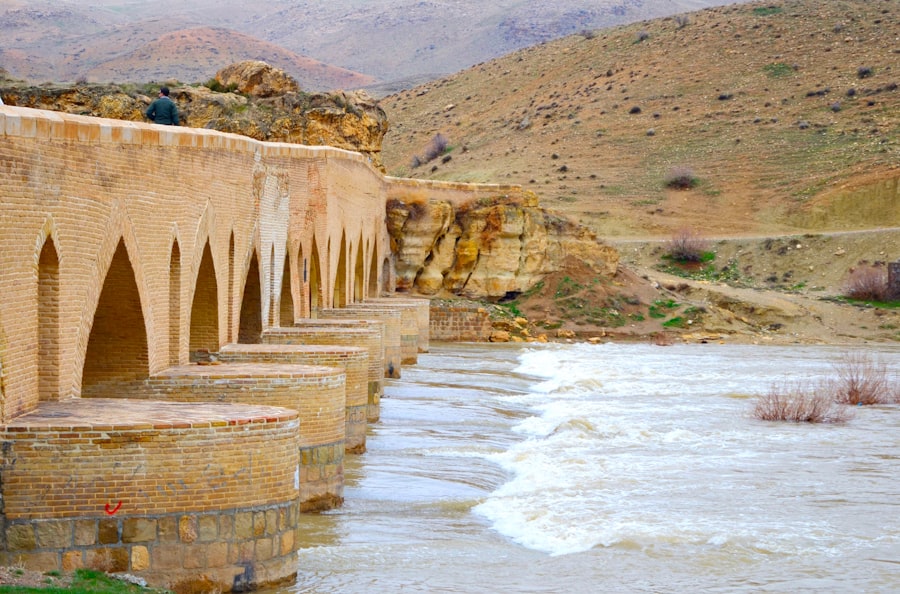
Agriculture forms the backbone of the Afghan economy, and its reliance on a consistent and sufficient water supply is absolute. The Taliban’s water projects, particularly those related to irrigation, have a direct and often critical impact on agricultural output and, consequently, food security within the country. The success or failure of these projects can mean the difference between a bountiful harvest and a season of scarcity. Any intervention in the delicate balance of water provision for agriculture is akin to adjusting the flow rate of blood to the vital organs of the nation; too little leads to wilting, and too much can cause inundation.
Enhancing Crop Yields and Diversification
By improving the availability of irrigation water, Taliban projects can lead to increased crop yields and enable farmers to cultivate a wider variety of crops, potentially including more profitable or higher-value produce. This can translate into improved incomes for agricultural households and a greater supply of food commodities within local markets. The ability to diversify agricultural production can also contribute to greater resilience against climate shocks and market fluctuations. However, the actual impact is contingent on the efficiency of water delivery, the availability of agricultural inputs like seeds and fertilizers, and access to markets for selling produce.
The Dual-Edged Sword of Water Management
While improved water management can be beneficial, it also presents potential challenges. If water resources are not managed sustainably, particularly in the context of increasing demand and potential climate change impacts, there is a risk of over-extraction from rivers and groundwater. This can lead to long-term depletion of water sources, salinization of agricultural lands, and increased competition over increasingly scarce resources. The temptation to maximize immediate agricultural gains without considering the long-term ecological consequences can be a Faustian bargain for communities.
Impact on Livelihoods and Food Security
For millions of Afghans, agriculture is not merely an occupation but the very foundation of their livelihoods and food security. Improvements in water availability through irrigation projects can directly bolster these aspects. Communities that were once dependent on rain-fed agriculture and subject to the vagaries of weather patterns can experience greater stability and predictability in their food production. This can lead to a reduction in food shortages, decreased reliance on external food aid, and an overall improvement in the nutritional status of a population that has long endured hardship.
Health and Sanitation: A Thirst for Cleanliness
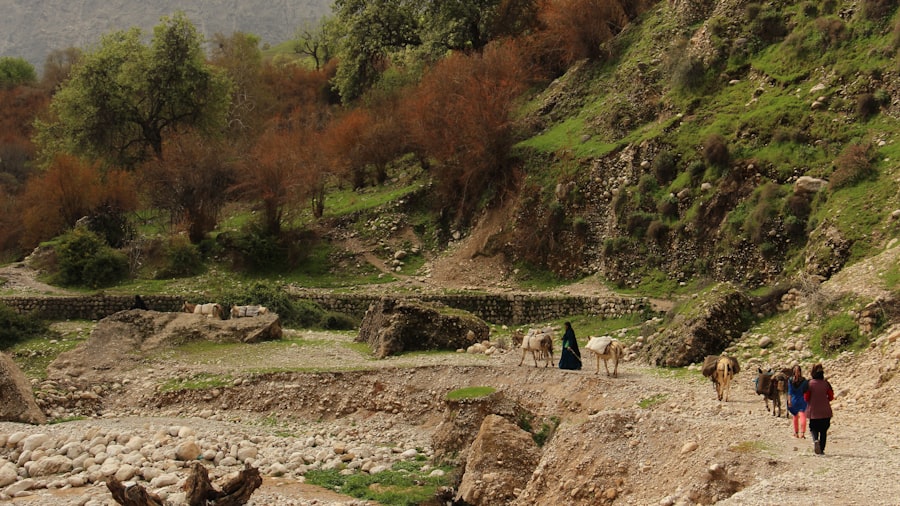
Access to clean and safe water is intrinsically linked to public health and sanitation. Waterborne diseases remain a significant health burden in Afghanistan, particularly in rural areas where infrastructure for water treatment and wastewater management is often absent or rudimentary. Taliban initiatives in water provision, therefore, have a direct bearing on the health outcomes of communities. The provision of clean water is a cornerstone of public health, and its absence is a breeding ground for disease; it is the invisible shield that protects populations from the unseen enemy of pathogens.
Reducing Waterborne Diseases
The construction of wells with improved sanitation facilities, or the rehabilitation of piped water systems that deliver treated water, can significantly reduce the incidence of waterborne diseases such as cholera, typhoid, and dysentery. When communities gain access to a reliable source of clean drinking water, they are less likely to consume contaminated water, leading to a direct improvement in public health. This impact is particularly pronounced among vulnerable populations, including children and the elderly, who are more susceptible to the debilitating effects of such illnesses.
Challenges in Wastewater Management
While the focus is often on the provision of clean water, the equally critical aspect of wastewater management remains a significant challenge. In many areas where new water sources are developed, there is often a lack of adequate sanitation systems to dispose of wastewater safely. This can lead to the contamination of groundwater sources, negating the benefits of the clean water supply and creating new health risks. The narrative of progress often stops at the tap, leaving the crucial downstream implications unaddressed.
The Role of Education in Water Hygiene
Beyond infrastructure, community education on water hygiene practices is crucial for maximizing the health benefits of improved water access. Even with clean water, improper handling, storage, and usage can lead to contamination. Efforts to educate communities on boiling water, safe storage, and handwashing can significantly enhance the impact of water projects on public health. This educational component acts as a vital lubricant, ensuring the smooth functioning of the entire water system for health.
The impact of Taliban water projects on local communities has been a topic of significant discussion, particularly regarding their effectiveness in addressing water scarcity issues. A related article explores the various challenges and successes these initiatives face in improving access to clean water. For more insights on this subject, you can read the full analysis in this article, which delves into the implications of these projects for both the environment and the people they aim to serve.
Governance and Stability: Water as a Political Tool
| Project Name | Location | Year Initiated | Type of Water Project | Number of Beneficiaries | Impact on Agriculture | Impact on Health | Notes |
|---|---|---|---|---|---|---|---|
| Kandahar Canal Rehabilitation | Kandahar Province | 2022 | Irrigation Canal Repair | 15,000 farmers | Increased crop yield by 30% | Reduced waterborne diseases by 10% | Improved water flow to farmlands |
| Helmand Well Drilling Project | Helmand Province | 2023 | Deep Well Drilling | 8,000 households | Enhanced irrigation capacity | Improved access to clean drinking water | Reduced reliance on surface water |
| Badakhshan Spring Protection | Badakhshan Province | 2023 | Spring Water Source Protection | 5,000 residents | Stabilized water supply for farming | Lowered incidence of water contamination | Community-managed water source |
| Ghazni Water Storage Tanks | Ghazni Province | 2022 | Water Storage Infrastructure | 10,000 people | Improved water availability during dry seasons | Better hygiene and sanitation | Supports both domestic and agricultural use |
The management and distribution of water resources in Afghanistan are inherently intertwined with governance and stability. Water, as a scarce and vital resource, can become a focal point for political power, influence, and even conflict. The Taliban’s approach to water projects thus carries implications beyond their immediate utility, shaping the dynamics of local governance and potentially influencing regional stability. Water diplomacy, or the lack thereof, can be a potent force in dictating the flow of power.
Local Control and Community Dynamics
Taliban-led water projects can lead to shifts in local control over water resources. The construction or repair of infrastructure under their auspices can empower local Taliban cadres or their appointed officials, granting them oversight and potential leverage in resource allocation. This can impact community dynamics, fostering dependencies or creating new power imbalances. The control of the tap can very easily become the control of influence.
Transboundary Water Issues and National Sovereignty
Afghanistan shares its major river systems with neighboring countries, making transboundary water management a critical and often sensitive issue. The Taliban’s approach to water infrastructure development, particularly large-scale projects like dams, has implications for downstream riparian nations. Their ability to unilaterally develop or manage these resources can create tensions and affect regional stability. The thirst of one nation should not necessarily lead to the drought of another.
Potential for Conflict and Cooperation
The scarcity of water, coupled with political control, can create fertile ground for conflict, both within communities and between different regions or even nations. Conversely, well-managed and equitably distributed water resources, fostered through cooperation, can contribute to peace and stability. The Taliban’s commitment to transparent and cooperative water management practices will be a key determinant of whether their water projects serve as catalysts for conflict or as instruments of cooperation.
In conclusion, the impact of Taliban water projects on communities is a multifaceted issue, characterized by both tangible benefits and underlying complexities. While efforts to provide clean water and improve irrigation can offer immediate relief and foster agricultural productivity, the long-term sustainability, equitable distribution, and potential for misuse of these resources remain critical areas for ongoing scrutiny. The narrative of water provision under Taliban rule is not a simple tale of progress but a continuous negotiation between human need, engineering reality, and the pragmatic considerations of governance.
▶️ STOP: The Middle Corridor Is A Death Trap
FAQs
What types of water projects have the Taliban implemented?
The Taliban have focused on projects such as building and rehabilitating wells, irrigation canals, and small dams to improve water access for agriculture and domestic use in rural areas.
How have Taliban water projects affected local communities?
These projects have generally improved water availability for farming and household needs, which can enhance food security and livelihoods in some regions under Taliban control.
Are Taliban water projects supported by international organizations?
Most Taliban water projects are locally initiated or funded, as many international organizations have limited engagement with Taliban authorities due to political and security concerns.
What challenges do Taliban water projects face?
Challenges include limited technical expertise, funding constraints, security issues, and difficulties maintaining infrastructure in conflict-affected areas.
How sustainable are the water projects initiated by the Taliban?
Sustainability varies; some projects are maintained by local communities, but ongoing conflict and lack of resources can hinder long-term operation and expansion of water infrastructure.