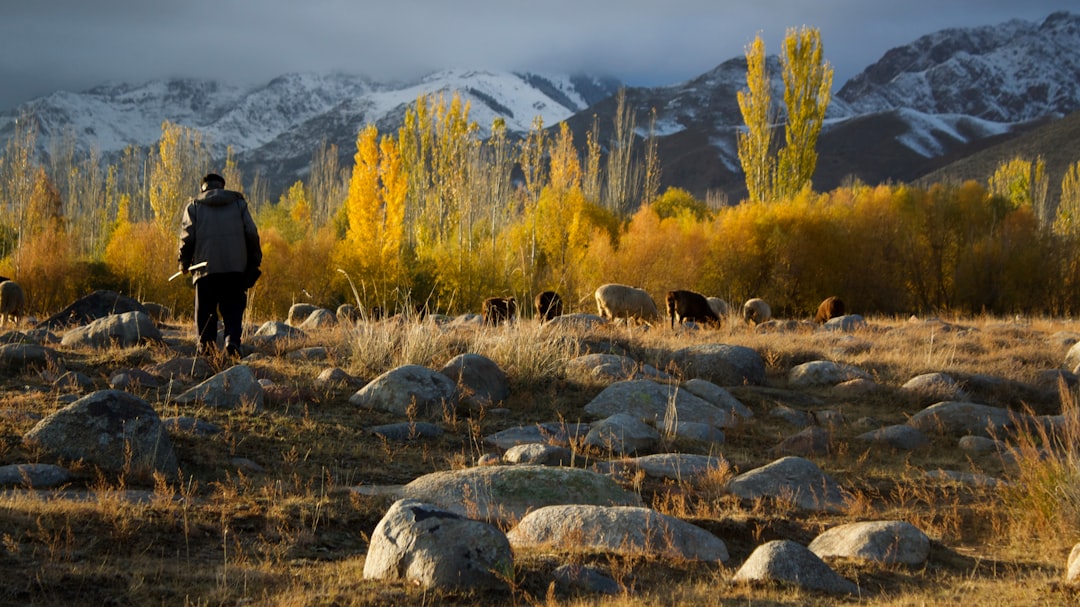
The vast expanse of Central Asia, a region historically shaped by its semi-arid climate and reliance on glacial meltwater, is now at the forefront of intensifying climate change impacts. This article will delve into the multifaceted challenges faced by the region and explore potential solutions that can mitigate these threats.
The consequences of a warming planet are not abstract future scenarios for Central Asia; they are present realities. The region’s unique geographical position, characterized by landlocked territories and extensive mountain ranges, makes it particularly vulnerable to shifts in temperature and precipitation patterns. The delicate balance of its ecosystems, built over millennia, is being disrupted, posing significant challenges to its economies, environments, and the livelihoods of its people. Understanding these dynamics is crucial for charting a path towards resilience and sustainable development.
The towering Tien Shan and Pamir mountain ranges, often referred to as the “water towers” of Central Asia, are home to extensive glaciers. These colossal ice formations are the primary source of freshwater for millions in the region, feeding the major river systems that sustain agriculture, industry, and urban life. However, these vital arteries are showing signs of an alarming decline.
Accelerating Glacier Retreat
Scientific data consistently indicates a rapid and accelerating rate of glacier melt across Central Asia. The warming global temperatures are causing these ancient ice masses to shrink at an unprecedented pace. This is not a slow erosion; it is a dramatic reduction in volume and extent, leaving behind increasingly barren landscapes where once robust ice fields stood. The implications are profound, directly impacting the water reserves available for downstream communities.
Shifting River Flow Regimes
The initial consequence of accelerated glacial melt is often an increase in river flow. This might seem beneficial in the short term but introduces a new set of challenges. The timing and volume of water become unpredictable, jeopardizing agricultural planning and hydropower generation. As the glaciers continue to recede, this temporary surge will inevitably be followed by a significant and sustained decrease in water availability, a future deficit that looms large.
The Looming Water Crisis for Agriculture
Agriculture is the backbone of many Central Asian economies and a cornerstone of food security. The region’s irrigation systems are heavily dependent on consistent and predictable water supplies from glacial melt. As these supplies diminish, farmers face increasing difficulty in cultivating crops, leading to reduced yields, potential crop failures, and economic hardship. This directly translates to a tighter grip on the nation’s pantry.
Competition and Geopolitical Tensions Over Water Resources
The scarcity of water resources has historically been a delicate issue in Central Asia. With the intensification of climate change impacts and shrinking water availability, competition among upstream and downstream nations for shared river resources is likely to escalate. This creates a complex geopolitical landscape where transboundary water management becomes a critical factor in regional stability. The struggle for this vital liquid could become a flashpoint.
The impacts of climate change in Central Asia are becoming increasingly severe, affecting water resources, agriculture, and biodiversity in the region. For a deeper understanding of these challenges and potential solutions, you can read a related article that explores the specific effects of climate change on Central Asia’s ecosystems and communities. To learn more, visit this article.
The Dry Embrace: Desertification and Land Degradation
Beyond the direct impact on water resources, climate change is exacerbating the processes of desertification and land degradation across Central Asia, transforming fertile lands into barren expanses.
Expanding Arid Zones
Rising temperatures and altered precipitation patterns are contributing to the expansion of arid and semi-arid zones. These regions become increasingly inhospitable to plant and animal life, shrinking the land available for agriculture and grazing. The desert, once a contained entity, begins to creep, swallowing up productive land.
The Impact of Unsustainable Land Management
While climate change acts as a powerful accelerant, unsustainable land management practices, such as overgrazing and inefficient irrigation, have already weakened the resilience of Central Asian soils. These practices, coupled with the harsher climatic conditions, accelerate the degradation of arable land, making its restoration an arduous and costly undertaking. Old wounds are being deepened by a new storm.
Dust Storms and Their Far-Reaching Consequences
Desertification leads to an increase in the frequency and intensity of dust storms. These atmospheric phenomena carry fine particulate matter over vast distances, impacting air quality, human health, and agricultural productivity far beyond the immediate desertified areas. The dust becomes a relentless, uninvited guest.
Loss of Biodiversity in Fragile Ecosystems
The combination of habitat loss, water scarcity, and altered climatic conditions is leading to a significant decline in biodiversity across Central Asia. Many plant and animal species, adapted to specific environmental niches, are struggling to survive in the rapidly changing landscape. The unique tapestry of life in the region is fraying.
Extreme Weather’s Fury: Floods, Droughts, and Heatwaves
Central Asia is experiencing an observable increase in the frequency and intensity of extreme weather events, a hallmark of a warming planet.
More Frequent and Intense Droughts
The delicate balance of precipitation is being disrupted, leading to prolonged periods of drought. These extended dry spells place immense stress on water resources, agriculture, and natural ecosystems, creating conditions ripe for wildfires and further land degradation. The land thirsts for moisture, and its pleas are being ignored by the skies.
The Threat of Devastating Floods
Paradoxically, alongside droughts, Central Asia is also witnessing an increase in intense rainfall events, leading to flash floods. These floods can devastate communities, infrastructure, and agricultural lands, often occurring in areas already struggling with water scarcity. Nature’s tears can turn into a destructive torrent.
Intensifying Heatwaves and Their Health Impacts
Rising average temperatures are contributing to more frequent and severe heatwaves, particularly in urban areas. These extreme heat events pose significant risks to human health, increasing the incidence of heatstroke, cardiovascular problems, and other heat-related illnesses, especially among vulnerable populations. The sun’s rays, once a gentle warmth, have become a searing blow.
Wildfires: A Growing Menace
The combination of dry conditions, heatwaves, and increased human activity has led to a rise in wildfires across Central Asia. These fires not only destroy natural habitats and release significant amounts of carbon into the atmosphere but also pose a direct threat to human settlements. The flames of destruction are fanned by a warmer world.
Socio-Economic Vulnerabilities: Disruption and Displacement
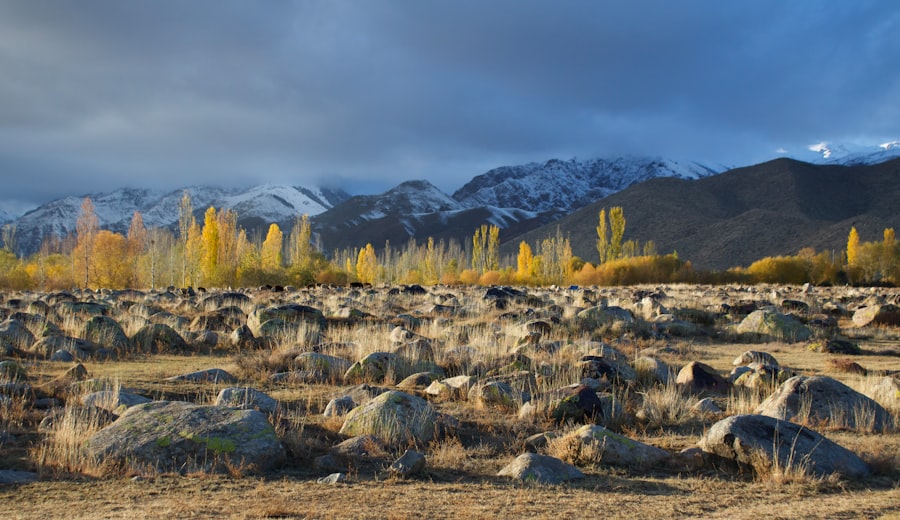
The environmental shifts driven by climate change are not occurring in a vacuum; they are deeply intertwined with the socio-economic fabric of Central Asia.
Impact on Food Security and Livelihoods
As agricultural yields decline and water resources dwindle, the region’s food security is put under immense pressure. This directly impacts the livelihoods of millions who depend on agriculture, pushing them towards poverty and food insecurity. The daily struggle for sustenance becomes a harsh reality.
Increased Poverty and Inequality
The economic consequences of climate change, including crop failures and loss of agricultural land, often disproportionately affect the poorest and most vulnerable segments of society. This can exacerbate existing inequalities and lead to increased poverty. The climate crisis acts as a regressive tax on the poor.
Climate-Induced Migration and Displacement
As environmental conditions deteriorate, forcing people to abandon their homes and lands, climate-induced migration is becoming a growing concern. This can lead to increased pressure on urban centers, social tensions, and humanitarian challenges. People are forced to become nomadic once again, not by choice, but by the changing earth.
Strain on Infrastructure and Public Services
Extreme weather events and environmental degradation place a significant strain on existing infrastructure, including irrigation systems, transportation networks, and housing. Repairing and rebuilding this infrastructure comes at a substantial economic cost, diverting resources from other essential development areas. The foundations of society are being tested.
The effects of climate change in Central Asia are becoming increasingly pronounced, impacting agriculture, water resources, and local ecosystems. A related article discusses these challenges in detail, highlighting how rising temperatures and shifting precipitation patterns threaten the livelihoods of millions in the region. For more insights on this pressing issue, you can read the full article here. Understanding these dynamics is crucial for developing effective strategies to mitigate the adverse effects of climate change in Central Asia.
Charting a Course Forward: Adaptation and Mitigation Strategies
| Metric | Value/Trend | Impact Description | Region Affected |
|---|---|---|---|
| Average Temperature Increase (2000-2023) | +1.5°C | Rising temperatures leading to heat stress and altered ecosystems | Entire Central Asia |
| Glacier Mass Loss | ~30% reduction in glacier volume | Reduced water availability for agriculture and hydropower | Tien Shan and Pamir Mountains |
| Annual Precipitation Change | -5% to +10% (variable by area) | Increased droughts in some areas, floods in others | Kazakhstan, Uzbekistan, Kyrgyzstan |
| Frequency of Extreme Weather Events | +20% increase since 2000 | More frequent droughts, heatwaves, and dust storms | Arid and semi-arid zones |
| Crop Yield Reduction | Up to 15% decline in staple crops | Food security challenges due to heat and water stress | Rural agricultural areas |
| Desertification Rate | Increasing by 1-2% annually | Loss of arable land and biodiversity | Southern Kazakhstan, Turkmenistan, Uzbekistan |
| Water Resource Availability | Decreased by 10-20% in some basins | Competition for water between agriculture, industry, and households | Amu Darya and Syr Darya river basins |
Addressing the complex challenges posed by climate change in Central Asia requires a multi-pronged approach encompassing both adaptation and mitigation strategies.
Strengthening Water Management and Irrigation Efficiency
Investing in modern, efficient irrigation technologies and improving water resource management practices are crucial for conserving precious water resources. This includes developing drought-resistant crop varieties and implementing water-saving agricultural techniques. Making every drop count is no longer an option, but a necessity.
Promoting Sustainable Land Management and Reforestation
Implementing sustainable land management practices, such as rotational grazing and soil conservation techniques, can help combat desertification and land degradation. Reforestation and afforestation initiatives can play a vital role in restoring degraded lands and enhancing carbon sequestration. Healing the scarred earth is a long-term endeavor.
Investing in Renewable Energy Sources
Central Asia possesses significant potential for renewable energy, particularly solar and wind power. Transitioning away from fossil fuels and investing in these clean energy sources can help mitigate greenhouse gas emissions and contribute to a more sustainable energy future. Harnessing the power of the sun and wind offers a clean alternative.
Enhancing Disaster Preparedness and Early Warning Systems
Strengthening early warning systems for extreme weather events and improving disaster preparedness mechanisms can help communities better respond to floods, droughts, and other climate-related hazards. This includes developing robust emergency response plans and providing training to local communities. Being prepared is the first line of defense.
Fostering Regional Cooperation and Knowledge Sharing
Climate change is a transboundary issue that requires collaborative solutions. Enhanced regional cooperation among Central Asian nations in areas such as water resource management, disaster risk reduction, and climate change adaptation is essential. Sharing knowledge, best practices, and technologies can amplify the effectiveness of individual efforts. Unity in the face of a shared threat is paramount.
Building Climate Resilience in Vulnerable Communities
Targeted interventions to support vulnerable communities, including access to climate-resilient livelihoods, social safety nets, and education on climate change impacts and adaptation strategies, are crucial for reducing socio-economic vulnerabilities. Empowering communities on the frontlines of climate change is key to their survival.
Central Asia stands at a critical juncture. The challenges presented by climate change are significant and multifaceted, threatening to unravel decades of development and disrupt the lives of millions. However, by embracing a proactive and collaborative approach, the region can navigate these turbulent waters. The path forward lies in innovative adaptation strategies, a determined commitment to mitigation, and unwavering regional cooperation. The future of Central Asia, like a fragile seedling, depends on the care and foresight it receives today.
▶️ STOP: The Middle Corridor Is A Death Trap
FAQs
What are the main climate change impacts observed in Central Asia?
Central Asia is experiencing rising temperatures, reduced snow and glacier cover, increased frequency of droughts, and changes in precipitation patterns. These impacts affect water availability, agriculture, and biodiversity in the region.
How does climate change affect water resources in Central Asia?
Climate change leads to the melting of glaciers that feed major rivers, altering river flow patterns and reducing water availability during dry seasons. This threatens irrigation, drinking water supplies, and hydropower generation.
What are the consequences of climate change on agriculture in Central Asia?
Changes in temperature and precipitation can reduce crop yields, increase soil degradation, and exacerbate desertification. This poses risks to food security and the livelihoods of rural communities dependent on farming.
How vulnerable is Central Asia to climate-induced natural disasters?
Central Asia is vulnerable to droughts, floods, and extreme weather events intensified by climate change. These disasters can damage infrastructure, disrupt economies, and threaten human health and safety.
What measures are being taken to address climate change impacts in Central Asia?
Countries in Central Asia are implementing adaptation strategies such as improving water management, promoting sustainable agriculture, enhancing disaster risk reduction, and participating in regional cooperation to mitigate climate change effects.