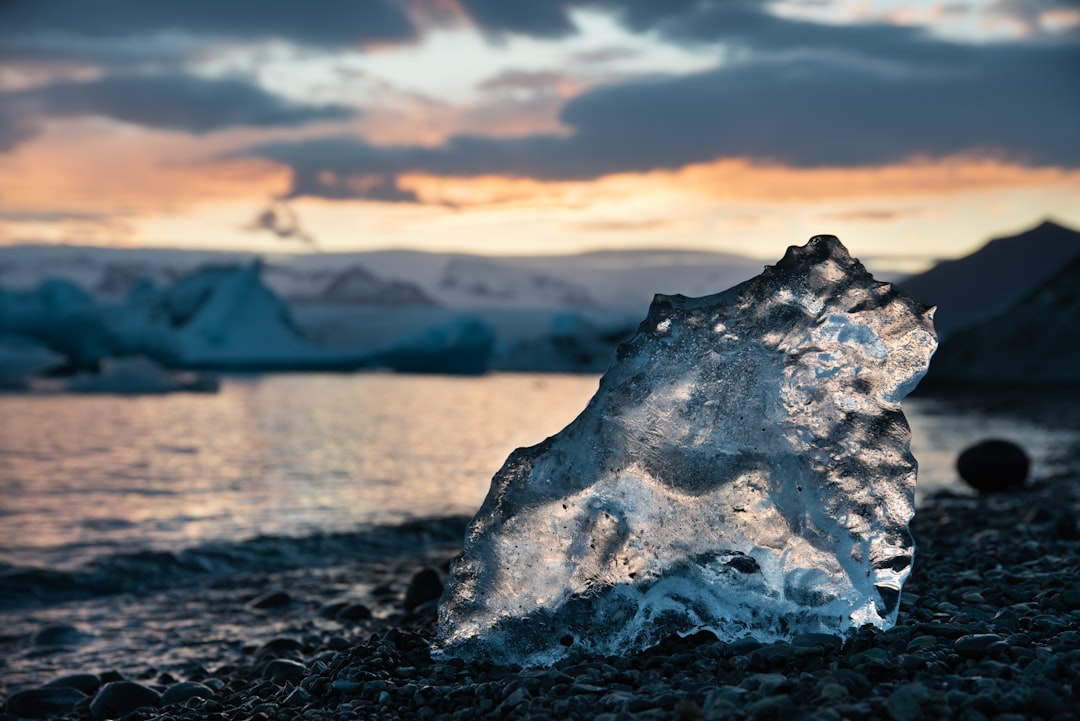
The Pamir Mountains, a majestic knot of peaks often referred to as the “Roof of the World,” are facing an unprecedented challenge: the rapid and relentless melting of their glaciers. This phenomenon, driven by a warming global climate, is not merely an abstract environmental concern; it is a tangible threat with profound implications for the ecosystems, economies, and human populations that depend on these icy giants. For centuries, the glaciers of the Pamirs have acted as colossal, slow-release water reservoirs, feeding rivers that sustain millions. Now, this ancient natural balance is being disrupted, and the consequences are rippling outwards, demanding urgent attention and understanding.
The Pamir Mountains, spanning across Afghanistan, China, Kyrgyzstan, Tajikistan, and Uzbekistan, are a critical source of freshwater for Central Asia. Their glaciers, remnants of the last Ice Age, are not just beautiful natural features; they are the lifeblood of the region. The water they release nourishes agricultural lands, powers hydroelectric facilities, and quenches the thirst of a burgeoning population. However, the very forces that sculpt these majestic landscapes are now accelerating their demise, turning what was once a symbol of permanence into a harbinger of change.
A Natural Reservoir System
For millennia, the glaciers of the Pamir Mountains have functioned as an enormous, naturally occurring water reservoir. Accumulating snowfall over vast stretches of time, compressed and transformed into ice, these glaciers store immense quantities of fresh water. During the warmer months, as temperatures rise, this ice begins to melt, releasing a steady supply of water into the river systems that drain from the mountain range. This meltwater is not a sudden deluge but a regulated flow, akin to a meticulously managed dam releasing water downstream with predictable timing. This historical consistency has allowed human settlements and agricultural practices to develop and thrive in the arid and semi-arid regions downstream, adapting to the predictable rhythm of glacial melt. The Indus, Amu Darya, and Syr Darya rivers, all originating or drawing significant water from the Pamirs, are testaments to this ancient hydrological system.
Essential for Regional Agriculture and Livelihoods
The agricultural heartlands of Central Asia are largely dependent on the waters that originate in the Pamirs. Regions like Tajikistan and Uzbekistan, with their extensive cotton farms and fruit orchards, rely heavily on irrigation systems fed by these glacier-derived rivers. Without this consistent water source, traditional farming methods would become unsustainable, leading to crop failures and economic hardship. The livelihoods of millions, from subsistence farmers to large-scale agricultural enterprises, are directly tied to the health and stability of these glaciers. Their meltwater is not just a resource; it is the bedrock of regional food security and economic stability.
Biodiversity Hotspots and Ecosystem Support
Beyond human utility, the Pamir glaciers and their surrounding environments support a unique and fragile biodiversity. The meltwater creates microclimates and sustains ecosystems that are adapted to cold, high-altitude conditions. Alpine meadows, specialized flora, and a range of fauna, including iconic species like the snow leopard and the Siberian ibex, are intricately linked to the glacial melt. The constant flow of water influences vegetation patterns, provides habitats, and sustains food chains. A disruption to this water supply can have cascading effects throughout these delicate ecosystems, potentially leading to species loss and habitat degradation.
Recent studies have highlighted the alarming rate of glacier melt in the Pamir Mountains, which is significantly impacting local ecosystems and water resources. For a deeper understanding of this phenomenon and its implications, you can read the related article on this topic at My Geo Quest. This article provides insights into the causes of glacier retreat and its effects on the surrounding environment and communities.
The Accelerating Melt Phenomenon
Global Warming as the Primary Driver
The scientific consensus is unequivocal: the increasing global average temperature, a direct consequence of anthropogenic greenhouse gas emissions, is the primary driver behind the accelerated melting of glaciers worldwide, including those in the Pamirs. As atmospheric concentrations of carbon dioxide, methane, and other heat-trapping gases rise, the Earth’s energy balance is altered, leading to a net warming. Mountainous regions like the Pamirs, at higher altitudes, are particularly sensitive to these temperature increases. The delicate equilibrium that has maintained these glaciers for millennia is being tipped by the relentless warming of the planet. Imagine a candle burning at both ends; the global warming is like increasing the flame’s intensity.
Observed Changes in Glacier Mass Balance
Numerous studies and on-the-ground observations have documented a significant decline in the mass balance of Pamir glaciers. Glacier mass balance refers to the difference between the accumulation of snow and ice and the ablation (melting and sublimation) of ice. In recent decades, ablation has consistently exceeded accumulation, resulting in a net loss of ice mass. Satellite imagery and direct glaciological measurements reveal retreating glacier fronts, thinning ice sheets, and the formation of new glacial lakes as ice recedes. These are not minor fluctuations; they represent a discernible and alarming trend of ice loss. Some glaciers have retreated by several hundred meters, and their ice volume has diminished considerably.
Regional Variations and Specific Glacier Performance
While the overall trend is one of melting, there can be regional variations within the Pamir range and differences in the performance of individual glaciers. Factors such as local topography, aspect (the direction a slope faces), and microclimates can influence the rate of melting. Some glaciers, particularly those at lower elevations or with darker, ice-exposed surfaces, may be melting faster than others. However, the overarching pattern observed across the Pamir system is a consistent and concerning reduction in glacial ice. The sheer scale of the ice loss, however, makes these regional nuances less about exceptions and more about the diverse manifestations of the same fundamental problem.
Immediate Consequences of Glacier Retreat
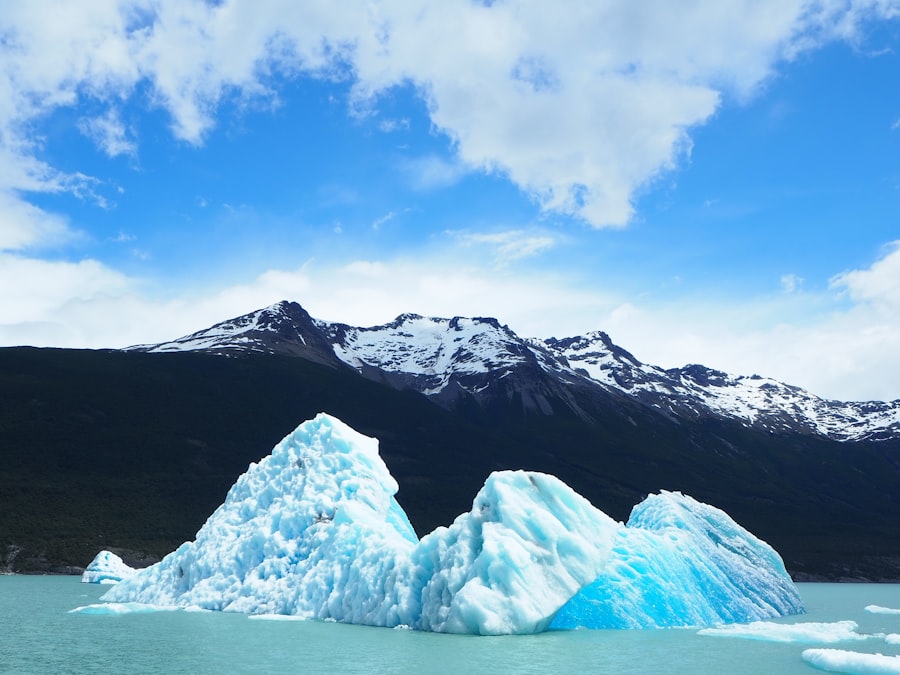
Increased Flooding Risks and Debris Flows
The immediate effect of accelerated glacier melt is an increased risk of flooding. During periods of intense melt, often exacerbated by unusually warm summer days or heavy rainfall, rivers fed by glaciers can experience significant surges in water volume. This can overwhelm existing flood defenses, inundate downstream communities, and damage critical infrastructure. Furthermore, as glaciers melt, they expose unstable slopes and deposit loose debris. These unconsolidated materials, when saturated with water from further melting, can become highly mobile and trigger devastating debris flows and landslides, posing an immediate and severe threat to life and property. The landscape becomes more volatile, like a precarious stack of blocks ready to tumble.
Altered River Flows and Water Scarcity
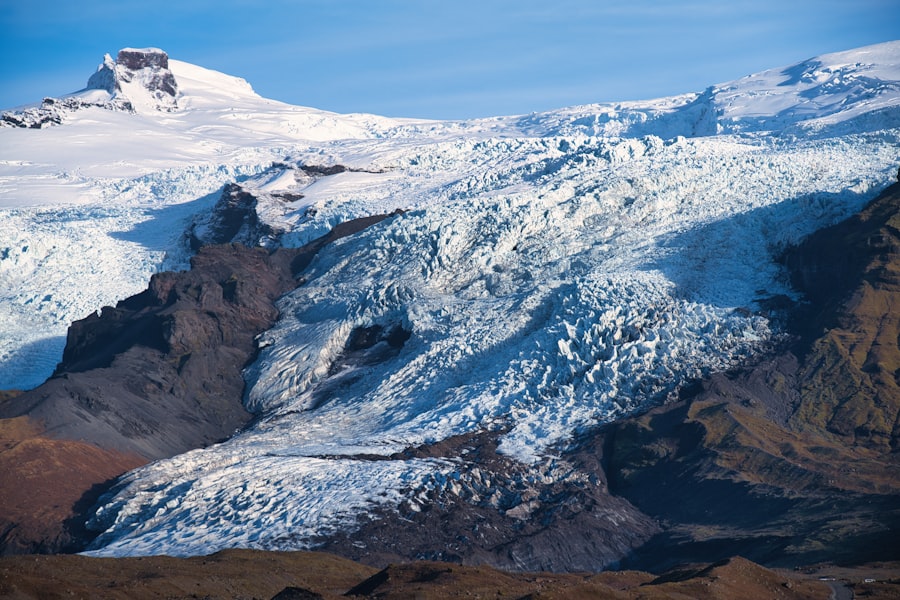
While an initial surge in meltwater might seem beneficial, the long-term consequence of glacier retreat is a disruption of natural river flow patterns. As glaciers shrink, the volume of meltwater they contribute to rivers will eventually decrease. This will lead to reduced water availability during dry seasons, impacting irrigation, hydropower generation, and domestic water supplies. Regions that have historically relied on a consistent glacial melt are now facing the prospect of chronic water scarcity. This shift is akin to a savings account being depleted; the once reliable source of funds is thinning. The summer months, traditionally sustained by glacial melt, are becoming increasingly precarious.
Impact on Glacial Lakes and Potential for Outbursts
The melting of glaciers also contributes to the formation and expansion of glacial lakes, often dammed by unstable moraines (accumulations of glacial debris). While some of these lakes may appear serene, they represent a growing hazard. As they grow larger and their icy dams weaken, the risk of a catastrophic glacial lake outburst flood (GLOF) increases. Such events can release enormous volumes of water and debris with catastrophic force, devastating everything in their path. These lakes, born from melting ice, can become ticking time bombs.
Long-Term Implications for the Region
Desertification and Land Degradation
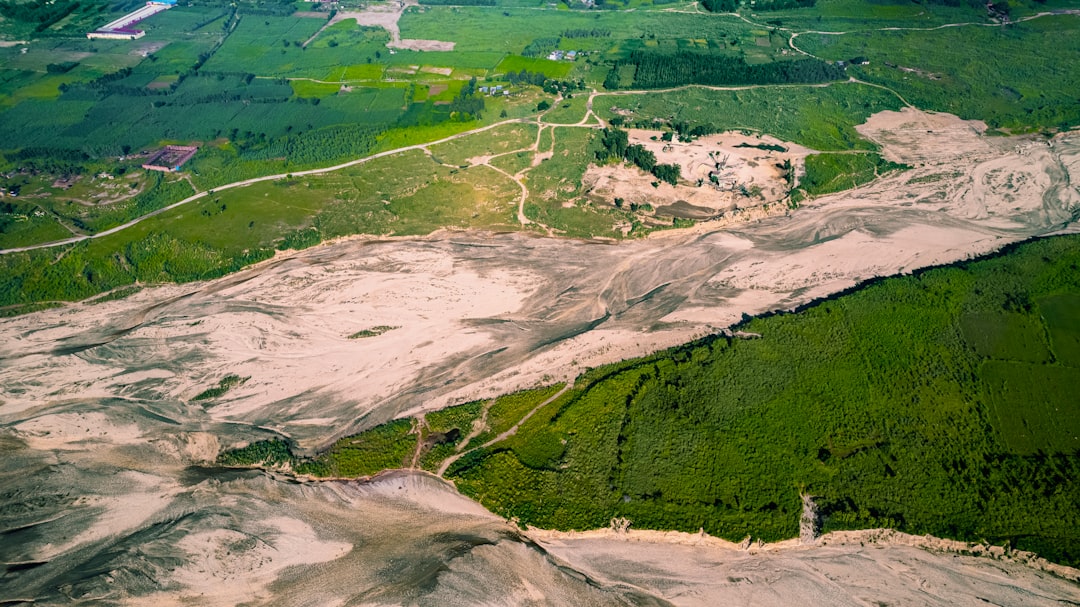
The prolonged reduction in water availability due to diminishing glacial melt can exacerbate desertification and land degradation. As rivers shrink and water resources dwindle, fertile agricultural lands risk becoming parched and unproductive. This can lead to a loss of biodiversity, soil erosion, and the displacement of communities who depend on these lands for their sustenance. The once verdant valleys, nourished by glacial melt, could slowly succumb to aridity. This represents a profound shift in the ecological character of the region, transforming life-giving landscapes into barren expanses.
Economic Disruptions and Food Insecurity
The economic stability of Central Asia is deeply intertwined with its water resources. Reduced water availability will inevitably impact agricultural productivity, leading to crop failures and a decline in food production. This can have significant consequences for food security, both regionally and internationally. Furthermore, industries reliant on water, such as hydroelectric power generation and certain manufacturing processes, could face disruptions. The economic fortunes of nations could be significantly altered by the shrinking of these ancient ice bodies. The ripple effect of diminished water will be felt in every sector of the economy.
Geopolitical Tensions and Migration
Water scarcity, exacerbated by dwindling glacial melt, has the potential to heighten geopolitical tensions within Central Asia. Competition for increasingly limited water resources could lead to disputes between countries sharing river basins. Furthermore, as agricultural lands become less productive and the prospect of water scarcity looms, there is a significant risk of climate-induced migration. People may be forced to leave their ancestral homes in search of more viable living conditions, creating new social and political challenges. The melting ice, in this sense, can become a catalyst for human displacement and international friction.
Recent studies have highlighted the alarming rate of glacier melt in the Pamir Mountains, which is significantly impacting local ecosystems and water resources. For a deeper understanding of this phenomenon and its implications, you can explore a related article that discusses the broader effects of climate change on glacial regions. This insightful piece can be found at My Geo Quest, where you will discover more about how these changes are affecting both the environment and communities that rely on glacial meltwater.
Addressing the Challenge and Future Outlook
| Metric | Value | Unit | Notes |
|---|---|---|---|
| Glacier Area (Pamir Mountains) | 12,000 | km² | Estimated total glacier coverage |
| Annual Glacier Mass Loss | 0.5 | meters water equivalent per year | Average mass loss rate (2010-2020) |
| Glacier Retreat Rate | 15 | meters per year | Average terminus retreat |
| Temperature Increase | 1.2 | °C (last 50 years) | Regional warming trend |
| Contribution to River Flow | 30 | percent | Glacier melt contribution to Amu Darya river |
| Glacier Volume Loss | 20 | km³ (2000-2020) | Estimated volume decrease over 20 years |
International Cooperation and Climate Action
Effectively addressing the threat of Pamir glacier melt requires robust international cooperation and ambitious climate action. Nations must collaborate to reduce greenhouse gas emissions, mitigate the effects of global warming, and invest in climate adaptation strategies. This includes supporting the development of drought-resistant crops, improving water management techniques, and strengthening early warning systems for natural disasters. The global community has a shared responsibility to address the root cause of this crisis. Without collective action, the fate of the Pamirs will be sealed.
Technological Solutions and Sustainable Water Management
Technological advancements and sustainable water management practices offer potential solutions. This includes investing in more efficient irrigation systems, exploring desalination technologies where feasible, and developing better water storage and distribution infrastructure. Research into innovative water conservation methods and the utilization of alternative water sources will be crucial. However, these solutions must be implemented thoughtfully, considering their environmental and social impacts. It is about finding ways to live more harmoniously with the available resources, adapting to a changing reality.
Investment in Research and Monitoring
Continued investment in scientific research and monitoring of Pamir glaciers is essential. Understanding the precise rates and mechanisms of melting, projecting future trends, and assessing the associated risks requires ongoing data collection and analysis. This will enable policymakers to make informed decisions and develop effective strategies for adaptation and mitigation. The more we understand the patient’s condition, the better we can prescribe treatment. The glaciers are the patients, and scientists are the diagnosticians.
The Need for Urgent and Sustained Commitment
The future of the Pamir Mountains and the millions of people who depend on them hinges on our ability to act decisively and with sustained commitment. The melting glaciers are a stark reminder of the interconnectedness of our planet and the far-reaching consequences of climate change. The challenges are significant, but the imperative to act is even greater. The “Roof of the World” is a sentinel, sending a clear and urgent message; a message that we ignore at our peril. The ice, once a symbol of endurance, is now a symbol of vulnerability, and its fate is inextricably linked to our own. We are all swimming in the same warming ocean, and the melting of the Pamir glaciers is a stark indication of the rising tide.
▶️ STOP: The Middle Corridor Is A Death Trap
FAQs
What causes glacier melt in the Pamir Mountains?
Glacier melt in the Pamir Mountains is primarily caused by rising temperatures due to climate change. Increased atmospheric temperatures lead to accelerated melting of ice and snow in the region.
How does glacier melt affect the local environment in the Pamir Mountains?
Glacier melt impacts the local environment by altering water availability, affecting river flows, and potentially leading to glacial lake outburst floods. It also influences local ecosystems and biodiversity dependent on glacial water.
What is the significance of glaciers in the Pamir Mountains?
Glaciers in the Pamir Mountains are crucial freshwater reservoirs that feed major rivers in Central Asia. They support agriculture, hydropower, and drinking water supplies for millions of people downstream.
Are the glaciers in the Pamir Mountains retreating or advancing?
Most glaciers in the Pamir Mountains are retreating due to global warming. Studies have shown a consistent reduction in glacier mass and length over recent decades.
What measures are being taken to monitor glacier melt in the Pamir Mountains?
Scientists use satellite imagery, field observations, and climate models to monitor glacier changes in the Pamir Mountains. These efforts help assess the impacts of glacier melt and inform water resource management and disaster preparedness.