
The Caspian Sea, a vast body of water that straddles the crossroads of Europe and Asia, is experiencing a concerning and potentially irreversible decline in its water level. This phenomenon, not merely a localized hydrographic shift but a profound ecological and economic challenge, is casting a long shadow over the bordering nations and the unique biodiversity it sustains. Scientists, policymakers, and local communities are grappling with the multifaceted implications of this escalating crisis, as the once-mighty inland sea appears to be slowly but surely receding.
The sheer scale of the Caspian Sea is often underestimated. It is the world’s largest inland body of water, a saltwater lake that, in its current state, is larger than any of the North American Great Lakes combined. For millennia, it has served as a vital artery for trade, a sanctuary for unique flora and fauna, and a critical resource for the millions of people living on its shores. Now, however, this immense reservoir of life and livelihood is shrinking, raising alarm bells that echo across the five riparian states: Azerbaijan, Iran, Kazakhstan, Russia, and Turkmenistan. The subtle creep of the waterline is a stark reminder that even the largest natural formations are not impervious to the pressures of a changing planet.
The Unfolding Crisis: A Multifaceted Phenomenon
The decline in the Caspian Sea’s water level is not a sudden event but a gradual process that has been accelerating in recent decades. While natural fluctuations have always been a feature of large inland water bodies, the current trend exhibits characteristics that point towards a more systemic and anthropogenic influence. Understanding the intricate web of factors contributing to this decline is the first crucial step in formulating effective countermeasures. The water level acts as a vital organ for the Caspian ecosystem, and its diminishing capacity signals a profound illness.
Drivers of the Decline: A Complex Interplay of Factors
Pinpointing a single cause for the Caspian Sea’s receding waters would be an oversimplification of a complex environmental puzzle. Instead, a confluence of natural processes and human activities has created a perfect storm, pushing this unique ecosystem towards an uncertain future.
Reduced River Inflow: The Lifeblood of the Caspian
The Caspian Sea receives the majority of its freshwater supply from rivers, most notably the Volga, which accounts for approximately 80% of the total inflow. However, these vital arteries are experiencing their own set of challenges.
Climate Change and Snowmelt Patterns
Warming global temperatures are directly impacting the headwaters of these rivers, particularly in the mountainous regions where much of the precipitation originates as snow. Scientists observe a significant trend of reduced snowpack and earlier snowmelt in these critical catchment areas. This means that the volume of water released into the rivers during the spring and summer months, when the Caspian’s evaporation rates are at their highest, is diminishing. It is as if the tributaries, the veins feeding the grand heart of the Caspian, are slowly being constricted. The predictable rhythm of the seasons, once a reliable source of replenishment, is becoming erratic, leaving the sea thirstier.
Upstream Water Use and Dam Construction
Beyond the direct impacts of climate change on precipitation and snowmelt, significant quantities of water are being diverted for human use upstream of the Caspian. Agricultural irrigation, industrial processes, and the growing needs of burgeoning populations in the river basins all contribute to reduced water flow reaching the sea. Furthermore, the construction of numerous dams and reservoirs along these rivers, primarily for hydropower generation and water storage, acts as a massive sponge, holding back water that would otherwise contribute to the Caspian’s volume. While these developments serve vital economic purposes for the upstream nations, their cumulative effect is a drastic reduction in the water budget of the inland sea. The upstream dams, in this context, can be likened to a greedy merchant hoarding a precious commodity, leaving the ultimate consumer parched.
Increased Evaporation: The Sun’s Relentless Thirst
The Caspian Sea’s vast surface area makes it highly susceptible to evaporation, a natural process that is a significant component of its water balance. However, this natural phenomenon is being exacerbated by a warming climate.
Rising Air and Water Temperatures
As air and water temperatures in the region climb, the rate of evaporation from the sea’s surface increases. This accelerated loss of water, particularly during the hot summer months, directly contributes to the shrinking of the water body. The sun, a constant presence over the arid steppes surrounding the Caspian, becomes a more aggressive adversary, siphoning away its sustenance at an ever-increasing pace. Imagine a vast open wound, with the sun acting as a relentless heat source, drawing out the precious fluids.
The alarming drop in the Caspian Sea water levels has raised concerns among environmentalists and scientists alike, as it impacts the region’s biodiversity and local economies. For a deeper understanding of the factors contributing to this phenomenon and its potential consequences, you can read a related article that explores the intricate dynamics of the Caspian Sea ecosystem. Check it out here: Caspian Sea Water Level Drop: Causes and Effects.
Ecological Ramifications: A Threatened Biodiversity Hotspot
The Caspian Sea is a treasure trove of biodiversity, home to numerous endemic species that have adapted to its unique saline environment. The receding waterline poses an existential threat to these species and the delicate balance of the entire ecosystem.
Impact on Aquatic Life: From Tiny Zooplankton to Iconic Seals
The shrinking of the Caspian Sea directly affects the habitats of its diverse aquatic life. Changes in salinity, temperature, and water depth can have cascading effects throughout the food web, impacting populations of fish, invertebrates, and marine mammals.
Fisheries and Economic Dependence
The Caspian Sea has historically been a crucial source of fish, supporting significant commercial fisheries for species such as sturgeon (famous for its caviar), Caspian salmon, and anchovy. The decline in water levels and the associated changes in habitat are leading to reduced fish stocks, threatening the livelihoods of fishing communities and the broader economies of the region. The once-bountiful fishing grounds are becoming barren, and the silvery gleam of abundant catches is a fading memory. The fishing nets, once symbols of prosperity, are now becoming poignant reminders of lost opportunity.
Sturgeon Populations and Caviar Production
The plight of the sturgeon is particularly concerning. These ancient fish, vital to the Caspian’s ecological health and a globally recognized symbol of luxury through their caviar, are highly sensitive to changes in their environment. Reduced water levels can disrupt their spawning grounds, fragment their habitats, and increase their vulnerability to poaching. The iconic caviar, once a symbol of aristocratic indulgence, faces an increasingly uncertain future as its source dwindles.
The Caspian Seal: A Unique Mammal Under Threat
The Caspian seal is the only marine mammal species found exclusively in the Caspian Sea and is also an endangered species. The receding waters can lead to habitat loss for their pupping grounds, increase their exposure to human activities, and potentially exacerbate disease outbreaks. The silent, sleek forms of these seals, once a familiar sight, are becoming increasingly rare, their existence tied precariously to the health of their shrinking home.
Socioeconomic Consequences: Ripples Across Five Nations
The implications of the Caspian Sea’s declining water level extend far beyond the ecological realm, impacting the socioeconomic fabric of the five riparian states in profound ways. The sea is not just a natural resource; it is a jugular vein for regional economies and communities.
Economic Impacts: Beyond Fisheries
While fisheries are a significant economic sector tied to the Caspian, the consequences of its shrinkage are more pervasive, affecting trade, industry, and infrastructure.
Navigation and Transportation Challenges
The Caspian Sea serves as an important waterway for international trade and transportation between the bordering countries and beyond. A lower water level can lead to an increased number of navigational hazards, the grounding of vessels, and the need for costly dredging operations to maintain shipping channels. This hampers the efficient movement of goods, increasing transportation costs and potentially hindering regional economic integration. Cargo ships, once gliding effortlessly, now navigate a maze of shallows, their passage hindered and their schedules disrupted. The smooth flow of commerce is being dammed by the very arteries that used to carry it.
Coastal Infrastructure and Development
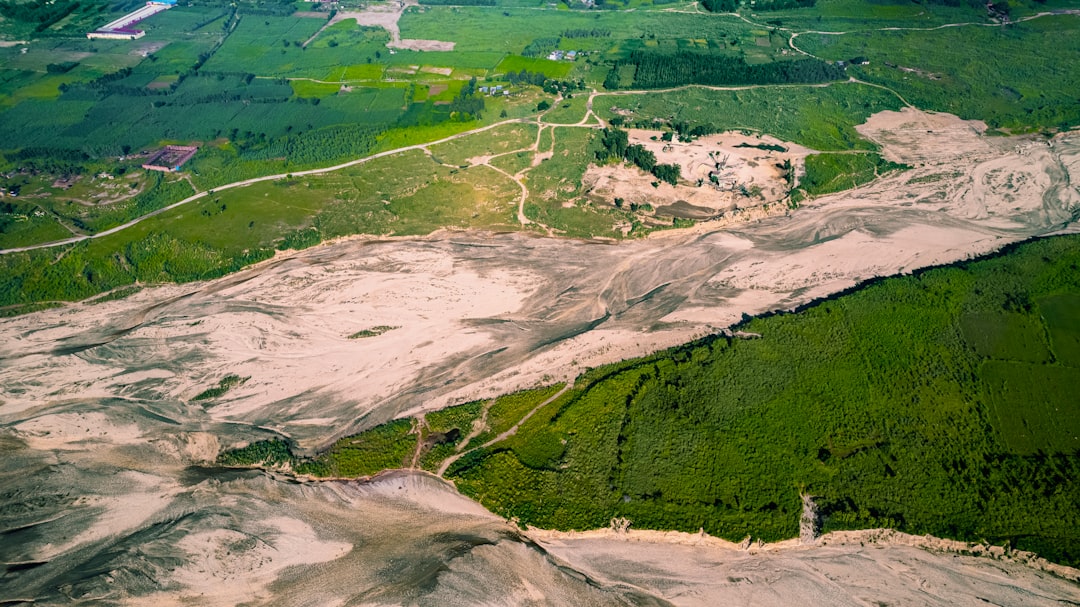
Many coastal communities and industrial facilities along the Caspian have been developed with a specific water level in mind. As the sea recedes, these infrastructures can be left high and dry, requiring costly relocation or significant adaptation. This can include ports, oil and gas facilities, and power plants that rely on the sea for cooling water or access. The once-prized waterfront properties are now becoming inland scars, their economic value diminished as the sea retreats.
Oil and Gas Exploration and Extraction
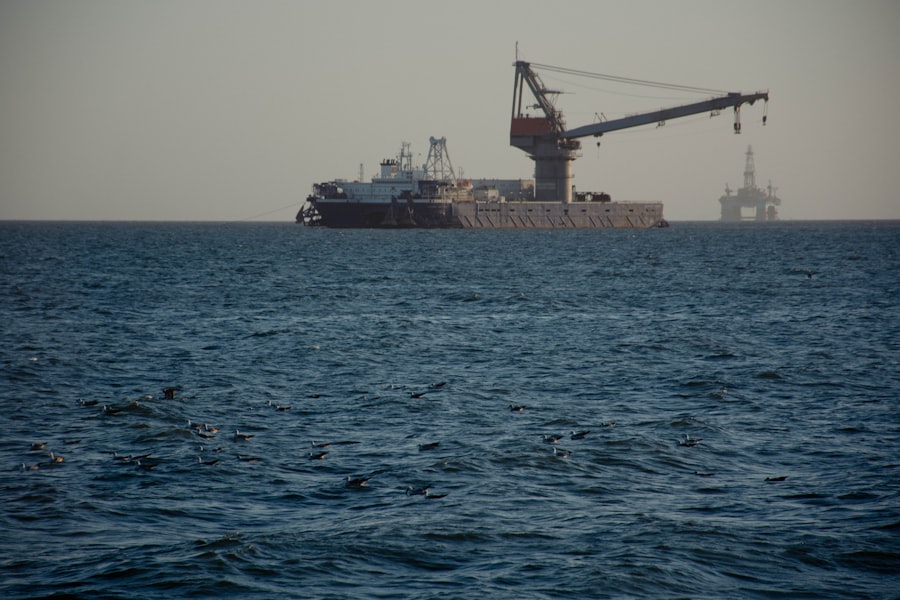
The Caspian region is rich in oil and gas reserves, with significant exploration and extraction activities taking place both offshore and onshore. Changes in water levels can affect the accessibility of these resources, the operational efficiency of offshore platforms, and the risk of environmental damage from spills. The vast energy reserves, a tantalizing prospect for economic growth, become more challenging and potentially more perilous to access as the sea’s embrace weakens. The drill rigs, once standing sentinel on the water’s edge, now find themselves stranded on emerging mudflats.
Social Impacts: A Shifting Landscape for Communities
The declining Caspian Sea also has direct and indirect impacts on the social well-being of the millions of people who call its shores home.
Displacement and Migration Patterns
In some low-lying coastal areas, the receding waterline can lead to the salinization of freshwater sources and the loss of arable land, potentially forcing communities to relocate. This can lead to social disruption, the loss of cultural heritage, and increased pressure on other regions. The ancestral lands, once kissed by the sea, are now abandoned, their inhabitants seeking new horizons. The human tide, mirroring the retreating waters, creates new challenges and displacements.
Cultural Heritage and Historical Sites
Many historical sites and archaeological remains are located along the Caspian coast, intimately connected to its past water levels. As the sea recedes, these sites can be exposed to erosion, decay, and even vandalism, threatening invaluable cultural heritage. The whispers of ancient civilizations, once carried on the sea breeze, are now exposed to the harsher elements without their protective shroud.
Scientific Research and Monitoring: Unraveling the Mysteries
Understanding the full scope and trajectory of the Caspian Sea’s water level decline necessitates robust scientific research and continuous monitoring. Scientists are working diligently to unravel the complex interplay of factors at play and to project future scenarios.
Data Collection and Analysis: Filling the Knowledge Gaps
Accurate and consistent data collection is paramount. This includes monitoring water levels, river inflows, evaporation rates, salinity, and the health of key species. International collaboration is crucial in this endeavor, as the Caspian is a shared resource.
Satellite Imagery and Remote Sensing
Advanced technologies such as satellite imagery and remote sensing play a vital role in providing large-scale and continuous data on the Caspian Sea and its surrounding watershed. These tools allow scientists to track changes in surface area, monitor ice cover, and assess land-use changes in catchment areas.
Hydrographic Surveys and Oceanographic Studies
Traditional hydrographic surveys and ongoing oceanographic studies provide detailed insights into the physical and chemical characteristics of the water body. This includes mapping the seabed, understanding water circulation patterns, and analyzing water quality.
Modeling and Future Projections: Charting the Course Ahead
Based on collected data, scientists employ sophisticated models to simulate the Caspian Sea’s hydrological system and project future scenarios under different climate change and human activity assumptions.
Climate Change Scenarios and Water Availability
These models help assess the potential impact of various climate change scenarios on factors like precipitation, temperature, and evaporation, thereby forecasting future water availability for the Caspian Sea. The crystal ball of scientific modeling offers glimpses into potential futures, some more dire than others.
Impact Assessments on Ecosystem and Economy
Further modeling aims to assess the comprehensive impacts of different water level scenarios on the Caspian’s unique ecosystem, its biodiversity, and the economies of the riparian states. This helps inform policy decisions and adaptation strategies.
The alarming drop in the Caspian Sea water level has raised concerns among scientists and environmentalists alike, as it impacts local ecosystems and economies. A related article discusses the various factors contributing to this phenomenon, including climate change and human activity. For more insights on this pressing issue, you can read the full article here. Understanding these dynamics is crucial for developing effective strategies to mitigate the consequences of this environmental challenge.
Mitigation and Adaptation Strategies: Navigating Towards a Sustainable Future
Addressing the crisis of the Caspian Sea’s declining water level requires a concerted, multi-pronged approach involving both mitigation efforts to slow the decline and adaptation strategies to cope with the inevitable changes.
International Cooperation and Policy Interventions
Given the transboundary nature of the Caspian Sea, international cooperation among the riparian states is not just desirable but essential for effective solutions.
Transboundary Water Management Agreements
Developing and enforcing robust transboundary water management agreements is crucial. These agreements need to address equitable distribution of river water, efficient use of water resources, and coordinated efforts to protect the Caspian ecosystem. The shared destiny of the Caspian demands a shared responsibility.
Joint Research and Monitoring Initiatives
Establishing joint research and monitoring initiatives can foster collaboration, share expertise, and ensure that data-driven decisions are made collectively.
Water Conservation and Efficiency Measures
Promoting water conservation and efficiency across all sectors – agriculture, industry, and domestic use – is a vital step in reducing water demand and increasing water availability for the Caspian.
Sustainable Agricultural Practices
Implementing drip irrigation, drought-resistant crop varieties, and water-efficient farming techniques can significantly reduce the amount of water diverted for agriculture, which is a major consumer of freshwater resources in the region.
Industrial Water Recycling and Reuse
Encouraging industries to adopt water recycling and reuse technologies can drastically cut down their freshwater footprint. This includes implementing closed-loop systems and treating wastewater for reuse.
Ecosystem Restoration and Protection
Alongside efforts to manage water levels, direct interventions to protect and restore the Caspian’s fragile ecosystem are also crucial.
Habitat Restoration and Protection
Identifying and protecting critical habitats for endemic species, such as sturgeon spawning grounds and seal pupping areas, is essential. This can involve creating protected zones and implementing measures to limit human interference.
Invasive Species Management
The changing environmental conditions in the Caspian can make it more vulnerable to invasive species, which can outcompete native organisms and disrupt the food web. Effective management strategies are needed to control and prevent the spread of these invaders.
The shrinking of the Caspian Sea is a stark reminder of humanity’s interconnectedness with the natural world and the profound consequences of our actions. It is a complex challenge that demands innovation, collaboration, and a long-term vision. The future of this magnificent inland sea, and the millions of lives that depend on it, hinges on the collective will to act before the whispers of its decline become an irreversible silence. The choices made today will echo across the vast expanse of the Caspian for generations to come.
▶️ STOP: The Middle Corridor Is A Death Trap
FAQs
What is causing the Caspian Sea water level to drop?
The drop in the Caspian Sea water level is primarily due to a combination of reduced river inflow, increased evaporation rates caused by rising temperatures, and changes in precipitation patterns in the region.
How much has the Caspian Sea water level dropped recently?
The Caspian Sea water level has experienced fluctuations over the years, with recent reports indicating a significant decline of several meters compared to historical averages, though exact figures vary depending on the time frame and measurement methods.
What are the environmental impacts of the Caspian Sea water level drop?
The lowering water level affects coastal ecosystems, leading to habitat loss for various species, increased salinity in some areas, and the exposure of seabed regions, which can impact local biodiversity and fisheries.
How does the water level drop affect the surrounding countries?
Countries bordering the Caspian Sea face challenges such as reduced access to water resources, impacts on fisheries and agriculture, increased risk of desertification, and potential disputes over maritime boundaries and resource rights.
Are there any measures being taken to address the Caspian Sea water level drop?
Efforts include regional cooperation among Caspian littoral states to monitor water levels, implement sustainable water management practices, and conduct scientific research to better understand and mitigate the causes and consequences of the water level changes.