
The Aral Sea, once a vibrant blue expanse holding life-giving waters, has shrunk to a mere shadow of its former self. This ecological catastrophe, a stark indictment of human ambition and environmental disregard, has left an indelible scar on the land and its people. In the heart of Central Asia, the autonomous republic of Karakalpakstan, bordering the desiccated remnants of this once-mighty sea, now grapples with a profound environmental health crisis. The tale of Karakalpakstan is a chilling testament to what happens when natural systems are pushed beyond their breaking point, and the health of a population is inextricably linked to the health of their environment.
The dramatic shrinkage of the Aral Sea, once the fourth-largest lake in the world, is the genesis of Karakalpakstan’s present predicament. The blame for this ecological tragedy is largely placed on the ambitious irrigation projects of the Soviet Union, which diverted the Amu Darya and Syr Darya rivers, the Aral Sea’s primary water sources, to fuel cotton monoculture across the arid Central Asian plains. What was intended to be a triumph of agricultural engineering ultimately became an ecological wound that continues to bleed. As the waters receded, vast swathes of the seabed were exposed, transforming a fertile ecosystem into a toxic desert. This new landscape is not merely barren; it is a repository of accumulated salts, pesticides, and industrial pollutants, now laid bare to the elements and, crucially, to the people of Karakalpakstan.
The Scale of the Disappearance
The Aral Sea’s precipitous decline is not a subtle shift; it is a dramatic and visible erasure. By the early 21st century, the sea had lost over 90% of its volume and shrunk to a fraction of its former surface area. This withdrawal of lifeblood from the region had immediate and devastating consequences, ripping the heart out of the local economy that had been built around fishing and associated industries. The once-thriving port cities of Muynak and Aralsk, now stranded miles from any semblance of a large body of water, stand as haunting monuments to this ecological collapse. The infrastructure that once supported a vibrant maritime culture now lies in silent testimony to the scale of the disaster.
Salt and Sand: The New Landscape of Dust Storms
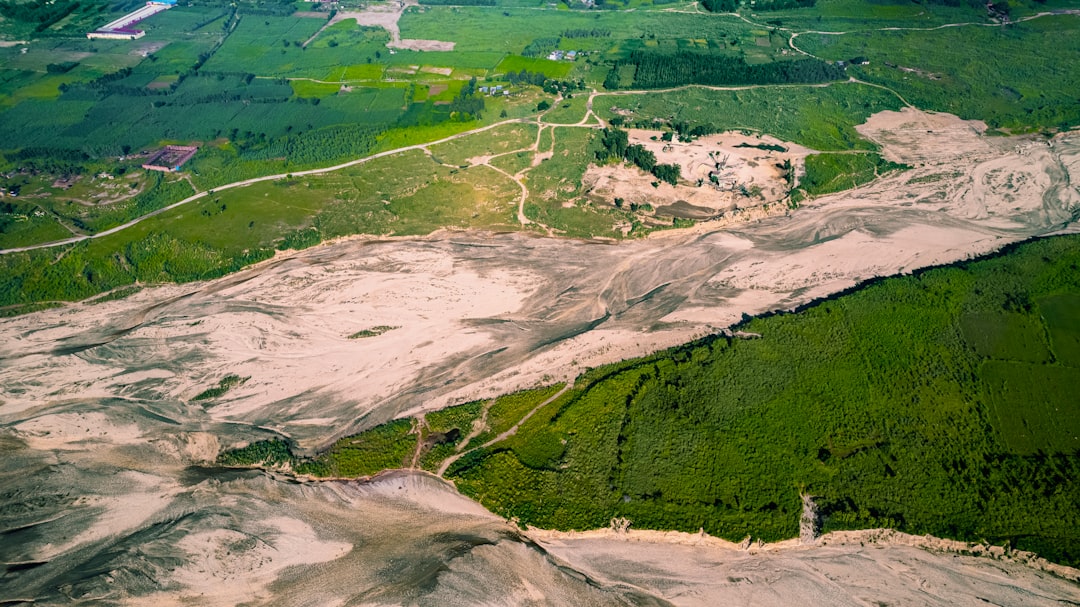
The exposed seabed is a cauldron of toxic detritus. As the drying process accelerated, the salts and chemicals that had accumulated over centuries were released. Winds, now unimpeded by the moderating influence of a vast body of water, whip these particles into formidable dust storms, aptly described as “toxic blizzards.” These storms are not mere nuisances; they are vectors of disease, carrying with them a cocktail of harmful substances that directly impact the respiratory and overall health of the population. The arid winds, once a gentle caress, have become a relentless enemy, relentlessly bombarding the exposed land and its inhabitants with the ghost of the departed sea.
The environmental health crisis in Karakalpakstan has garnered significant attention due to its severe implications for the local population and ecosystem. For a deeper understanding of the factors contributing to this crisis, you can read a related article that explores the historical context and current challenges faced by the region. This article provides valuable insights into the environmental degradation and health issues affecting the residents of Karakalpakstan. For more information, visit this link.
Respiratory Ills: The Air We Breathe Becomes a Threat
The most immediate and widespread health consequence of the Aral Sea crisis in Karakalpakstan is the rampant surge in respiratory diseases. The fine particles lifted by dust storms, laden with salts, pesticides, and heavy metals, are inhaled deep into the lungs, causing irritation, inflammation, and long-term damage. This is not a distant, abstract problem; it is a daily reality for the people of this region, a constant battle against an invisible enemy carried on the wind. The very act of breathing, for many in Karakalpakstan, has become a potentially hazardous undertaking.
Bronchial Asthma and Chronic Obstructive Pulmonary Disease (COPD)
Karakalpakstan exhibits some of the highest rates of bronchial asthma and COPD globally. Children, with their developing lungs, are particularly vulnerable. Imagine a child’s lungs as delicate filters; the constant barrage of toxic dust is akin to forcing those filters to process shards of glass on a daily basis. The long-term exposure leads to irreversible lung damage, transforming everyday breathing into a labored and painful experience. The prevalence of these chronic conditions places an immense burden on the healthcare system, but more importantly, it diminishes the quality of life for individuals, robbing them of the simple joy of unhindered breath.
Increased Susceptibility to Lung Infections
The compromised state of the lungs due to constant exposure to irritants makes individuals in Karakalpakstan more susceptible to acute and recurrent lung infections. Pneumonia and bronchitis are not infrequent occurrences; they are persistent threats that can prove fatal, especially for the very young and the elderly. It’s as if the constant stress on the respiratory system weakens the body’s natural defenses, leaving it vulnerable to opportunistic invaders. The fight for health in Karakalpakstan is thus a multi-front war, with the environment constantly undermining the body’s ability to heal.
Beyond Respiration: A Cascade of Health Concerns
The environmental health crisis in Karakalpakstan extends far beyond the realm of respiratory ailments. The toxic dust and contaminated water have infiltrated the very fabric of life, leading to a disturbing array of other health problems. The interconnectedness of the environment and human health is laid bare here, demonstrating how the disruption of one natural system can trigger a domino effect of negative consequences. The Aral Sea’s retreat has not just left behind a dry seabed; it has unleashed a hidden biological warfare.
Gastrointestinal Illnesses and Water Contamination
The limited freshwater resources available are often contaminated with salts, heavy metals, and agricultural runoff. This poor water quality is a direct contributor to a high incidence of gastrointestinal illnesses, including dysentery and other waterborne diseases. When the source of life, water, becomes a source of sickness, it represents a profound betrayal by nature itself. Infants and young children are particularly at risk, their immature digestive systems unable to cope with the onslaught of pathogens and contaminants. Providing safe drinking water is a monumental challenge, a constant struggle against the pervading pollution.
Gynecological and Reproductive Health Issues
Studies have indicated a concerning correlation between the environmental degradation in Karakalpakstan and an increased prevalence of certain gynecological and reproductive health issues among women. These include higher rates of miscarriage, premature births, and birth defects. The precise mechanisms are complex and still under investigation, but the pervasive presence of environmental toxins is strongly implicated. These are not abstract statistics; these are profound human tragedies, impacting families and the future generations of Karakalpakstan. The promise of new life is overshadowed by the specter of environmental harm.
Malignancies and Cancer Rates
While definitive causal links are difficult to establish without extensive, long-term epidemiological studies, there are indications that cancer rates, particularly those associated with environmental exposures like pesticides and heavy metals, may be elevated in Karakalpakstan. The presence of such harmful substances in the air, water, and food chain creates a long-term risk factor for the development of various cancers. It is a silent enemy, a slow burn that erodes health over time, the cumulative effect of years of exposure to a poisoned environment.
Socioeconomic Impacts: A Vicious Cycle of Poverty and Ill Health
The environmental health crisis in Karakalpakstan does not exist in a vacuum; it is deeply intertwined with the region’s socioeconomic status. The population, already struggling with economic hardship, faces a compounded challenge as environmental degradation exacerbates poverty and limits opportunities. This creates a vicious cycle where poor health hinders economic productivity, and economic hardship restricts access to healthcare and resources for environmental remediation. The environment has become a relentless antagonist, not just to health, but to economic well-being.
Economic Hardship and Limited Healthcare Access
The collapse of the Aral Sea’s fishing industry devastated the local economy, leaving many unemployed or underemployed. This economic hardship directly translates into limited access to adequate healthcare, nutritious food, and safe living conditions. When basic necessities are out of reach, preventative healthcare measures and treatments for chronic illnesses become luxuries that many cannot afford. The very people most affected by the environmental crisis are often the least equipped to deal with its consequences. It’s a cruel paradox – the degraded environment creates the conditions for poverty, which in turn diminishes the capacity to combat the environmental fallout.
Food Insecurity and Nutritional Deficiencies
The productivity of agricultural lands in Karakalpakstan is also impacted by salinization and desertification, leading to food insecurity and nutritional deficiencies. The types of crops that can be grown are limited, and the overall yield is often reduced. This means that even when food is available, it may not provide the necessary nutrients for optimal health. A population already struggling with environmental toxins is further weakened by a lack of proper nourishment, making them more vulnerable to disease and less able to recover. It’s like trying to build a strong house on a crumbling foundation and then providing only low-quality building materials.
A Generation Scars: The Long-Term Consequences for Children
The children of Karakalpakstan are bearing the brunt of this environmental catastrophe. Their developing bodies are more susceptible to the harmful effects of pollutants, and the chronic health conditions they develop in childhood can have lifelong consequences. This not only impacts their individual futures but also the long-term development and potential of the entire region. The promise of play and learning is often overshadowed by persistent coughs, doctor’s visits, and the constant struggle for breath. These are not just environmental victims; they are a generation whose potential is being stifled by the negligence of the past.
The environmental health crisis in Karakalpakstan has drawn significant attention due to its severe impact on the local population and ecosystems. A related article discusses the ongoing challenges faced by the region, highlighting the urgent need for sustainable solutions to address water scarcity and pollution. For more insights on this pressing issue, you can read the full article here. This situation not only affects the health of the residents but also poses a threat to the biodiversity of the area, making it crucial for both local and international communities to take action.
The Road Ahead: Challenges and Potential Solutions
| Metric | Value | Unit | Notes |
|---|---|---|---|
| Aral Sea Shrinkage | 90 | Percent | Reduction in water volume since 1960s |
| Population Affected | 1,200,000 | People | Residents of Karakalpakstan region |
| Respiratory Illness Rate | 35 | Percent | Percentage of population with chronic respiratory issues |
| Soil Salinity Increase | 50 | Percent | Increase in soil salinity affecting agriculture |
| Average Life Expectancy | 62 | Years | Lower than national average due to environmental factors |
| Annual Dust Storms | 120 | Days | Number of days with dust storms per year |
| Waterborne Diseases Incidence | 28 | Percent Increase | Increase in cases over the past decade |
Addressing Karakalpakstan’s environmental health crisis is a monumental undertaking, requiring a multi-pronged approach that tackles both the root causes of environmental degradation and its devastating health consequences. The path forward is fraught with challenges, but the plight of the people of Karakalpakstan demands urgent action and sustained commitment. The ghost of the Aral Sea may linger, but despair is not an option; it must be met with resilience and a determined effort to heal the land and its people.
International Cooperation and Aid
The scale of the problem necessitates significant international cooperation and financial assistance. This aid can be channeled into various crucial areas, including investing in sustainable agricultural practices, developing alternative economic opportunities for the region, and supporting public health initiatives. However, it is imperative that such aid is delivered effectively and transparently, ensuring it directly benefits the affected population and contributes to long-term solutions rather than short-term fixes. This is not just charity; it is an investment in global environmental responsibility and human well-being.
Sustainable Water Management and Reforestation Efforts
Finding sustainable solutions for water management is paramount. This involves exploring techniques for reducing water consumption in agriculture, investing in water-efficient irrigation technologies, and potentially exploring transboundary water cooperation agreements. Alongside water management, reforestation efforts are crucial. Planting drought-resistant vegetation can help stabilize the soil, reduce dust storms, and restore some ecological balance to the affected areas. These efforts are like planting seeds of hope in a barren land, a slow but vital process of recovery.
Public Health Interventions and Healthcare Infrastructure
Strengthening the healthcare infrastructure in Karakalpakstan is essential to manage the existing health burden and provide adequate care for those affected by environmental illnesses. This includes increasing the number of healthcare professionals, equipping facilities with necessary medical equipment, and implementing robust public health programs focused on disease prevention, early detection, and treatment. Investing in the health of the people is investing in the future of Karakalpakstan.
Education and Awareness Campaigns
Educating the local population about the health risks associated with environmental exposure and promoting safe practices is a vital component of the solution. Awareness campaigns can empower individuals to take protective measures, advocate for change, and understand the importance of environmental stewardship. A well-informed populace is a more resilient and proactive one, capable of navigating the challenges and contributing to the healing process. The journey from awareness to action is a critical step towards overcoming this crisis.
▶️ STOP: The Middle Corridor Is A Death Trap
FAQs
What is the environmental health crisis in Karakalpakstan?
The environmental health crisis in Karakalpakstan primarily stems from the drying of the Aral Sea, which has led to severe ecological degradation, including toxic dust storms, water scarcity, and soil contamination. These environmental changes have caused widespread health problems among the local population.
What are the main causes of the environmental problems in Karakalpakstan?
The main causes include the diversion of rivers feeding the Aral Sea for irrigation projects during the Soviet era, leading to the sea’s shrinkage. This has resulted in increased salinity, loss of fisheries, and exposure of the seabed, which releases harmful dust and chemicals into the air.
How has the environmental crisis affected public health in Karakalpakstan?
The crisis has led to increased rates of respiratory diseases, cancers, kidney problems, and other chronic illnesses. Contaminated water and poor air quality have significantly impacted the health and well-being of residents, especially children and vulnerable groups.
What measures are being taken to address the environmental health crisis?
Efforts include international and governmental initiatives to restore parts of the Aral Sea, improve water management, and provide healthcare support to affected communities. Projects focus on reforestation, soil stabilization, and raising awareness about health risks.
Why is the Karakalpakstan environmental health crisis significant globally?
The crisis is a stark example of how large-scale environmental mismanagement can lead to severe human health consequences. It highlights the importance of sustainable water use and environmental protection, serving as a cautionary tale for other regions facing similar challenges.