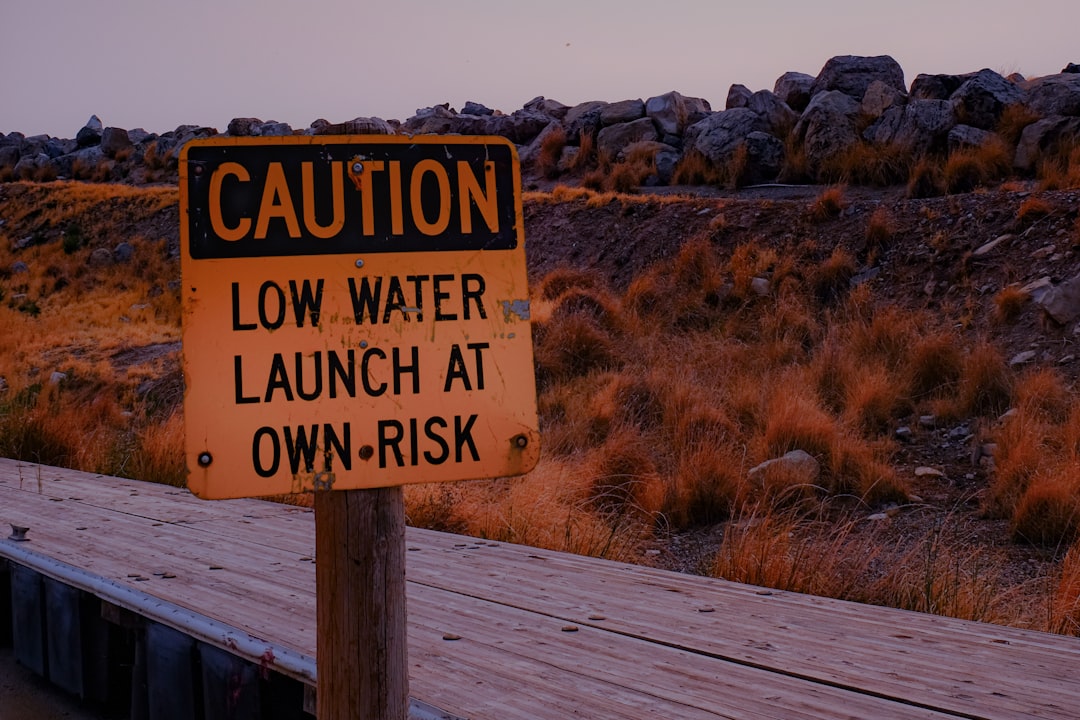
The Central Asian region, a crucible of history and geopolitical maneuvering, stands on the precipice of a burgeoning crisis. As the year 2026 approaches, the specter of “water wars” looms large, threatening to destabilize an already delicate balance. This article delves into the multifaceted dimensions of this impending conflict, exploring its historical roots, contemporary drivers, and potential ramifications for the nations involved and the wider international community.
The profound ecological and humanitarian catastrophe of the Aral Sea serves as a stark precursor to the water woes anticipated in 2026. Once the world’s fourth-largest inland sea, it has shrunk to a fraction of its former size, a testament to decades of unsustainable water management practices during the Soviet era.
Soviet-era Water Policies and Their Impact
During the Soviet period, vast irrigation projects diverted the Amu Darya and Syr Darya rivers, the Aral Sea’s primary water sources, to cultivate cotton in the arid plains of Uzbekistan and Turkmenistan. This ambitious agricultural expansion, driven by central planning, prioritized agricultural output over environmental sustainability. The consequences were devastating.
The Retreating Shoreline: A Visual Metaphor for Decline
The receding shoreline of the Aral Sea, a haunting visual of ecological collapse, left behind a vast, toxic wasteland of salt and sand. This environmental decay led to widespread health problems in surrounding communities, agricultural land degradation, and the collapse of local fishing industries. The ghost of the Aral Sea, therefore, serves not only as a warning but also as a powerful metaphor for the potential consequences of unchecked resource exploitation.
In recent years, the escalating tensions over water resources in Central Asia have drawn significant attention, particularly as countries vie for control over dwindling supplies. A related article that delves deeper into the implications of these conflicts is available at this link: Water Wars in Central Asia: The Struggle for Resources in 2026. This piece explores the geopolitical dynamics and potential future scenarios that could arise as nations navigate their water needs amidst climate change and population growth.
Hydropolitics of the Amu Darya and Syr Darya Basins
The Amu Darya and Syr Darya rivers, originating in the mountainous upstream nations of Tajikistan and Kyrgyzstan, are the lifeblood of Central Asia. Their waters flow through Uzbekistan, Turkmenistan, and Kazakhstan, sustaining agriculture, providing drinking water, and generating hydropower. This inherent interdependency, however, is a double-edged sword, fostering both cooperation and fierce competition.
Upstream-Downstream Dynamics: A Zero-Sum Game?
The relationship between upstream and downstream nations is often characterized by a zero-sum mentality. Upstream countries, particularly Tajikistan and Kyrgyzstan, possess the geographical advantage of controlling the rivers’ headwaters. They seek to harness this advantage for hydropower generation, which offers a clean and domestically abundant energy source.
Hydropower Ambitions and Downstream Concerns
Tajikistan’s Rogun Dam project and Kyrgyzstan’s Kambarata-1 project, both multi-billion dollar undertakings, are emblematic of these upstream ambitions. While these projects promise energy independence and economic development for the host nations, they raise significant concerns for downstream countries. Uzbekistan and Turkmenistan, heavily reliant on irrigation for their agricultural economies, fear reduced water flows and detrimental impacts on their food security.
Irrigation Demands: The Thirsty Plains
Downstream nations, especially Uzbekistan and Turkmenistan, cultivate extensive tracts of irrigated land, crucial for their economies and populations. The intensive cultivation of water-intensive crops, such as cotton, coupled with inefficient irrigation techniques, places immense pressure on available water resources.
Legacy of Cotton Cultivation
The legacy of Soviet-era cotton cultivation continues to influence agricultural practices in these downstream nations. While diversification efforts are underway, the ingrained agricultural systems and dependence on cotton exports make significant shifts challenging. This historical inertia contributes to the current water stress.
Climate Change: The Accelerant of Conflict

Climate change is not merely an exogenous factor in Central Asia’s water woes; it is an accelerant, intensifying existing tensions and introducing new layers of complexity. The region is particularly vulnerable to the impacts of a warming planet.
Melting Glaciers: A Diminishing Reservoir
The glaciers of the Pamir and Tien Shan mountains, often referred to as the “water towers” of Central Asia, are melting at an alarming rate. These glaciers serve as natural reservoirs, releasing water gradually throughout the year, especially during the dry summer months. Their rapid retreat threatens to deplete this vital water storage.
Short-Term Gains, Long-Term Losses
While initial glacier melt might provide a temporary increase in river flows, this is a fleeting benefit. In the long term, the diminishing glacier mass will lead to reduced water availability, exacerbating water scarcity during critical periods. This phenomenon represents a classic example of short-term gains masking long-term losses.
Increased Temperature and Evaporation: A Double Whammy
Rising temperatures across Central Asia lead to increased evaporation rates from water bodies, reservoirs, and irrigated fields. This “double whammy” further reduces the effective water supply available for human consumption and agricultural use, intensifying competition for dwindling resources.
Desertification and Land Degradation
Climate change also contributes to accelerated desertification and land degradation, particularly in the Aral Sea basin. The expansion of arid and semi-arid zones further stresses the already fragile ecosystems and agricultural lands, making communities more vulnerable to water shortages.
Geopolitical Maneuvering and External Actors

The looming water crisis in Central Asia is not confined to the riparian states alone. Major geopolitical players, including Russia, China, and the United States, have vested interests in the region’s stability and resources. Their involvement, while potentially beneficial, also adds layers of complexity and can inadvertently fuel rivalries.
Russia’s Enduring Influence: A Historical Tie
Russia’s historical ties and energy infrastructure in Central Asia, particularly its role as a major energy consumer and provider, grant it significant influence. Russia has often sought to mediate water disputes, sometimes leveraging its position to advance its own strategic interests.
Hydropower Projects and Debt Diplomacy
Moscow’s support for certain hydropower projects, often coupled with financial aid or debt relief, can be perceived by some nations as a form of “debt diplomacy,” potentially entangling them in long-term commitments. This dynamic can complicate efforts to achieve genuinely cooperative water management solutions.
China’s Growing Presence: Economic Powerhouse and Water User
China’s expanding economic footprint in Central Asia, driven by its Belt and Road Initiative, makes it an increasingly pivotal actor. China’s massive infrastructure investments, trade partnerships, and demand for resources, including water, are reshaping the regional landscape.
Potential for Water Extraction from Transboundary Rivers
There are concerns among some Central Asian nations regarding China’s potential for increased water extraction from transboundary rivers that originate in its territory, particularly the Irtysh and Ili rivers which flow into Kazakhstan. While currently not a major point of contention for the Amu Darya and Syr Darya, this possibility highlights the broader regional anxieties about water sharing.
US Engagement: Soft Power and Security Concerns
The United States, while lacking the historical depth of Russia’s involvement or the economic heft of China’s, maintains an interest in Central Asian stability, primarily through soft power initiatives and counter-terrorism cooperation. Its emphasis on good governance, rule of law, and sustainable development often extends to water management.
Promoting Dialogue and Technical Assistance
US agencies and NGOs often provide technical assistance and promote dialogue among Central Asian states on water management issues. However, the perceived geopolitical rivalry with Russia and China can sometimes complicate these efforts, as regional actors may view US initiatives through a lens of great power competition.
In the context of escalating tensions over water resources in Central Asia, the article on MyGeoQuest provides an insightful analysis of the potential for conflict in the region by 2026. As countries like Kazakhstan, Kyrgyzstan, and Uzbekistan vie for control over dwindling water supplies, the implications for regional stability are profound. For a deeper understanding of these dynamics, you can explore the related article on water conflicts and their impact on geopolitics by visiting this link.
Pathways to Peace: Cooperation or Conflict
| Metric | Value | Notes |
|---|---|---|
| Number of Conflicts | 5 | Reported disputes over water resources in Central Asia in 2026 |
| Countries Involved | Uzbekistan, Kazakhstan, Kyrgyzstan, Tajikistan, Turkmenistan | Primary nations affected by water disputes |
| Major Rivers Affected | Amu Darya, Syr Darya | Main water sources causing tensions |
| Water Usage Reduction | 15% | Average decrease in water availability due to drought and overuse |
| Population Affected | 20 million | People impacted by water shortages and conflicts |
| International Mediation Efforts | 3 | Number of peace talks or agreements initiated in 2026 |
| Economic Impact | Significant | Reduced agricultural output and energy production |
The question facing Central Asia as 2026 approaches is whether the region can navigate the treacherous currents of water scarcity through cooperation or whether it will succumb to the whirlpool of conflict. Several pathways, ranging from integrated water management to regional security frameworks, offer potential solutions.
Integrated Water Resource Management (IWRM): The Ideal Scenario
Integrated Water Resource Management (IWRM) advocates for a holistic approach to water planning and management, considering all users and uses, and striving for equitable distribution. This model emphasizes basin-wide management, taking into account the interconnectedness of water resources.
Joint River Basin Organizations
The establishment and strengthening of joint river basin organizations, with mandates for data sharing, joint planning, and dispute resolution, are crucial for effective IWRM. Bodies such as the Interstate Commission for Water Coordination (ICWC) in Central Asia have been established, but their effectiveness is often hampered by political realities and national interests.
Water Diplomacy and Conflict Resolution Mechanisms
Given the historical and ongoing tensions, robust water diplomacy and effective conflict resolution mechanisms are paramount. This involves consistent and open dialogue at all levels, from technical experts to high-level political leaders.
The Role of International Mediators
International organizations and neutral third parties can play a vital role in facilitating dialogue and mediating disputes. Their impartiality can help build trust and bridge divides between competing national interests. However, such interventions are most effective when invited and genuinely embraced by the regional actors.
Technological Solutions and Efficiency Improvements
Technological advancements offer a glimmer of hope in mitigating water scarcity. Investing in modern irrigation techniques, such as drip irrigation and sprinkler systems, can significantly reduce water waste in agriculture.
Desalination and Wastewater Treatment
While costly and energy-intensive, desalination plants could provide fresh water in some arid regions, particularly for urban centers. Advanced wastewater treatment and reuse technologies also offer significant potential for augmenting water supplies. These solutions, however, often require substantial financial investment and technological expertise.
Policy Reforms and Political Will: The Ultimate Determinant
Ultimately, the trajectory of Central Asia’s water future hinges on the political will of its leaders and the implementation of sound policy reforms. This requires a shift from short-term nationalistic interests to a long-term vision of regional sustainability and shared prosperity.
Transboundary Agreements and Legal Frameworks
Establishing enforceable transboundary water agreements and robust legal frameworks that clearly define water rights and obligations is essential. These agreements must be built on principles of equity, mutual benefit, and transparency, ensuring that all riparian states have a voice and a stake in the region’s water future. Without these foundational elements, the region risks dissolving into the very water wars it seeks to avert. The choice, for Central Asia and the world, remains stark: flow together or fracture apart.
▶️ STOP: The Middle Corridor Is A Death Trap
FAQs
What are the water wars in Central Asia 2026?
The water wars in Central Asia 2026 refer to escalating conflicts among countries in the region over access to and control of shared water resources, particularly from major rivers like the Amu Darya and Syr Darya.
Which countries are primarily involved in the Central Asia water disputes?
The main countries involved are Kazakhstan, Kyrgyzstan, Tajikistan, Turkmenistan, and Uzbekistan, all of which rely heavily on transboundary rivers for agriculture, energy, and drinking water.
What are the main causes of the water conflicts in Central Asia?
The conflicts stem from competing demands for water, outdated Soviet-era water management agreements, climate change impacts reducing water availability, and infrastructure projects such as dams and irrigation systems.
How is climate change affecting water availability in Central Asia?
Climate change has led to reduced glacial melt and altered precipitation patterns, decreasing river flows and exacerbating water scarcity, which intensifies tensions among the countries sharing these water resources.
What efforts are being made to resolve the water disputes in Central Asia?
Regional cooperation initiatives, mediated by organizations like the United Nations and the International Fund for Saving the Aral Sea, aim to promote dialogue, equitable water sharing, and joint management of water resources to prevent conflict.